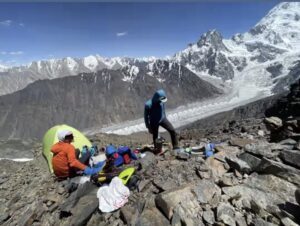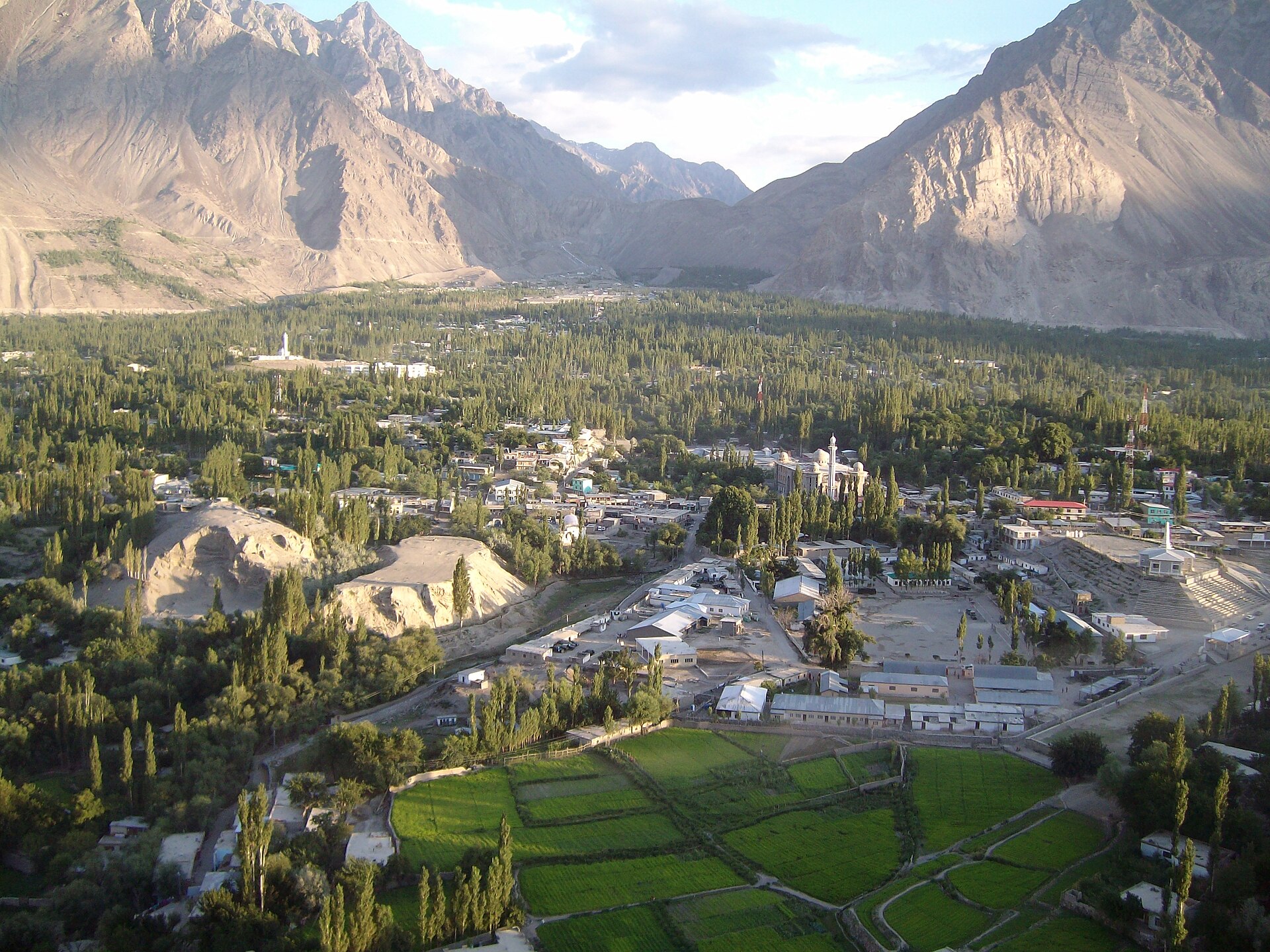
After days of unrest in Skardu early this month, the situation has calmed down. Although the Karakoram climbing season has not started yet, local authorities are doing their best to make the few arriving tourists feel welcome.
After the death of Iranian Supreme Leader Ali Khameini in a joint attack by U.S. and Israeli forces on February 28, throngs took to the streets in protests that soon turned into riots. (Khameini was also the head of the Shia branch of Islam, the dominant group in Pakistan’s Gilgit-Baltistan province.) Several buildings were set ablaze, and some trekkers and tourists were encouraged to leave Skardu. Those scheduled to arrive that week cancelled their plans.
Protests end
The situation in the Middle East and the potential implications for Gilgit-Baltistan raised concerns about the upcoming climbing season.
However, authorities swiftly quelled the protests and arrested numerous rioters, according to Spanish climber and documentary director Sebastian Alvaro. Alvaro, who had to abort his group’s trek in the area, explained, “[At] the end of Ramadan, imams in Skardu spoke on behalf of visitors, saying all foreigners were welcome in the town and the country.”

Passengers disembark a Pakistan Airlines plane in Skardu. Photo: Lina Quesada
Also quiet in Hunza
“Our ground manager in Skardu informed me that there was a meeting late last week between the tourism department, the local hotel association, the police department, and the elders within the religious community, with all sides coming together to ensure a safe and well-coordinated summer trekking/climbing season,” Chris Lininger of the U.S., founder of Epic Expeditions, told ExplorersWeb.
“The situation between the U.S., Israel, and Iran is obviously alarming, but we also know from experience that the Gilgit-Baltistan region is largely insulated from regional conflict,” he added. “We are planning to proceed with our summer season while also monitoring the outside situation carefully.”
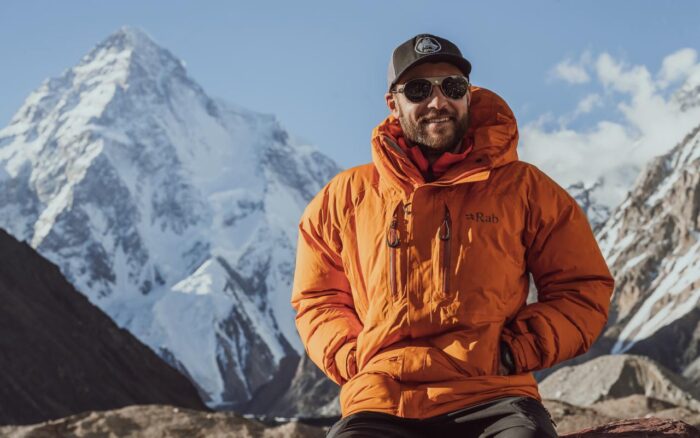
Chris Lininger near K2 Base Camp. Photo: Epic Expeditions
Lininger concluded: “In general, Gilgit-Baltistan has an outstanding safety record, and we have no reason to believe that the situation in the Gulf will make foreign tourists of any nationality less safe this summer in Pakistan.”
Ali Saltoro of Alpine Adventure Guides confirmed that all is quiet in Skardu and Hunza, where a few small groups are currently touring.
Keep training
Expedition operators are relatively optimistic. They advise clients to check regularly for updates, but to keep training. They insist that the mountain areas are calm. The main precaution is around international flights. As with Nepal, those flying to Pakistan may want to skip airports in the Middle East and connect instead through Istanbul or Southeast Asia.
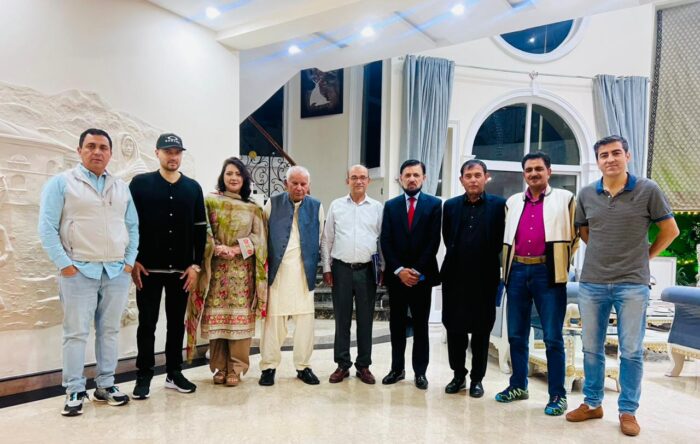
Ali Saltoro, second from right, at a meeting with tourism stakeholders in Gilgit-Baltistan. Photo: Ali Saltoro
Ali Saltoro reported on a recent meeting among authorities, tourism associations, and expedition operators to discuss ways to promote tourism. In particular, stakeholders are interested in visitors from China, one of their potential biggest markets. Authorities are taking measures to grant visas to Chinese tourists upon arrival at the Khunjerab border, a 4,693m mountain pass that links Xinjiang, China, with Pakistan’s Hunza. It is the highest border post in the world and leads from China’s Highway 314 to the Karakorum Highway on the Pakistani side.
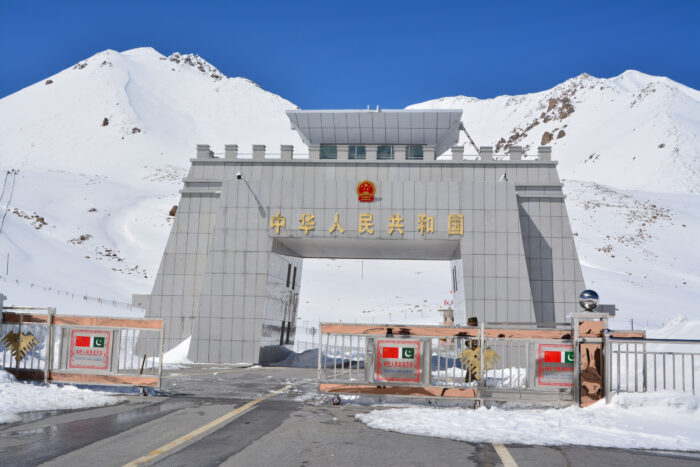
Khunjerab Pass between China and Pakistan. Photo: Wikipedia
Nanga Parbat in May
It is still early for climbing teams to venture into Pakistan’s Himalaya and the Karakoram. Chris Lininger confirmed there are a number of solo travelers and hikers, but no high-altitude expeditions.
“The first expedition [to] the country’s 8,000’ers will start at the end of April on Nanga Parbat — and that seems early enough to me!” he said. Ali Saltoro mentioned that a Chinese expedition is planning an early June trip to K2, supported by Sherpas from Nepal.
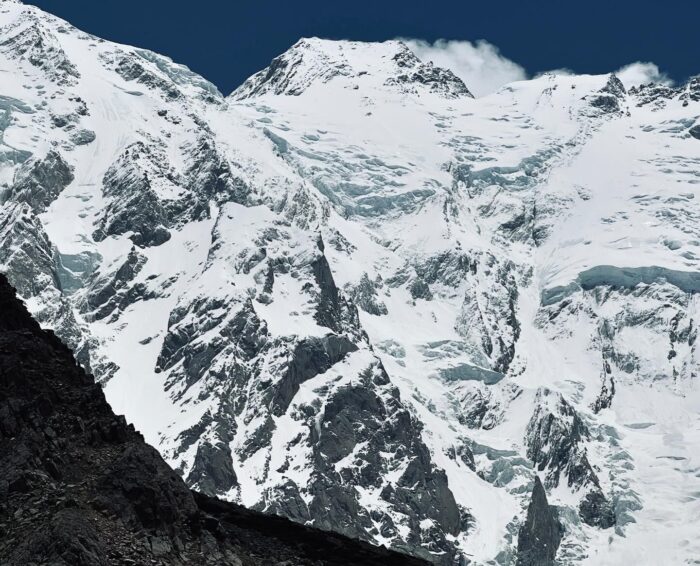
Nanga Parbat. Photo: Seven Summit Treks