As we pointed out last week, most victims of animal attacks around the world are not tourists but the people who live amid potentially dangerous animals all the time. Here are some incidents that have come to light recently.
Europe
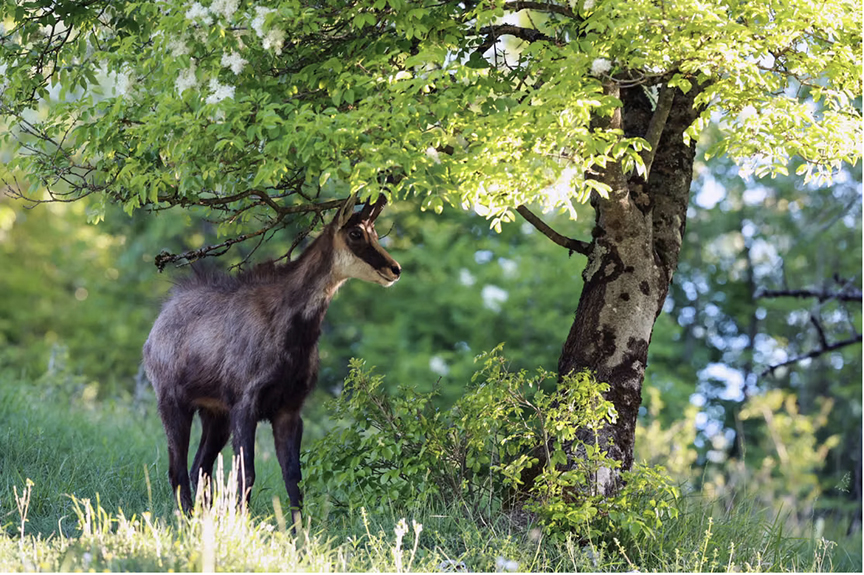
Chamois in France. Photo: Ludovic Laude/L’Est Republicain
A normally timid mountain ungulate has been attacking runners on the outskirts of Besançon in eastern France.
One victim, a 30-year-old woman jogger, was knocked unconscious and suffered a punctured shoulder and serious scalp wounds requiring stitches and staples. The incident occurred just a few hundred meters from the outskirts of the city.
“I didn’t hear it coming,” the woman, known only as Milena, told Le Monde. “I only had time to see its head 10 centimeters from me, and then, nothing, total blackout…”
The woman was unconscious for about five minutes.
Another runner had been attacked days earlier. The incidents occurred near La Chapelle des Buis. Wildlife authorities described the behavior as highly unusual and authorized the animal’s removal. The cause of its aggression remains unclear.
U.S.
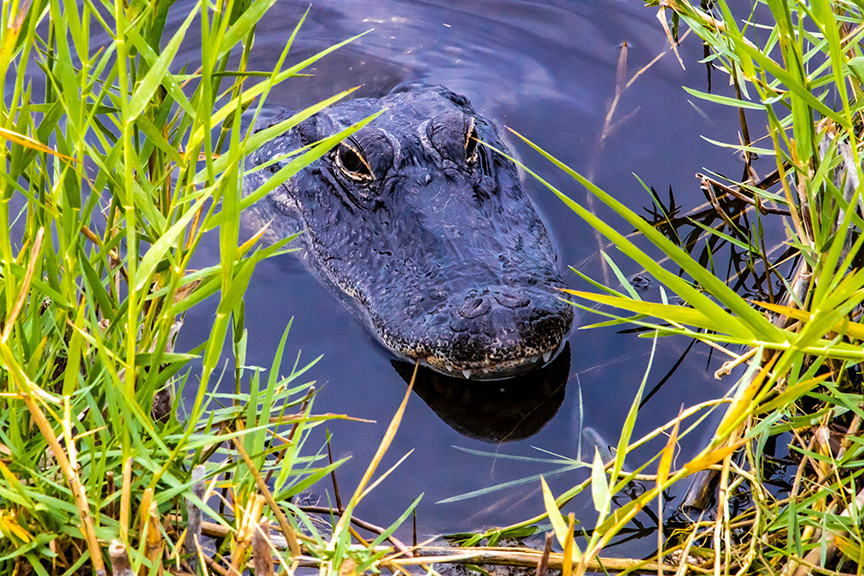
Photo: Shutterstock
A 71-year-old Winter Garden, Florida fisherman, Steven Hamilton, was posing for a photograph with a fish when a large alligator lunged from the water, seized his leg, and pulled him into a pond.
Emergency crews responded, but the alligator refused to let go of his body, according to Fox News. By the time they released him and killed the alligator, Hamilton was dead. The medical examiner identified drowning and blunt-force injury to his left leg as causes of death, with alligator tooth marks on both sides of the leg.
Alligator attacks are rare but occur occasionally. According to the Florida Fish & Wildlife Conservation Commission, there have been a total of 500 alligator bites against humans since 1948, including 32 fatal encounters.
Asia
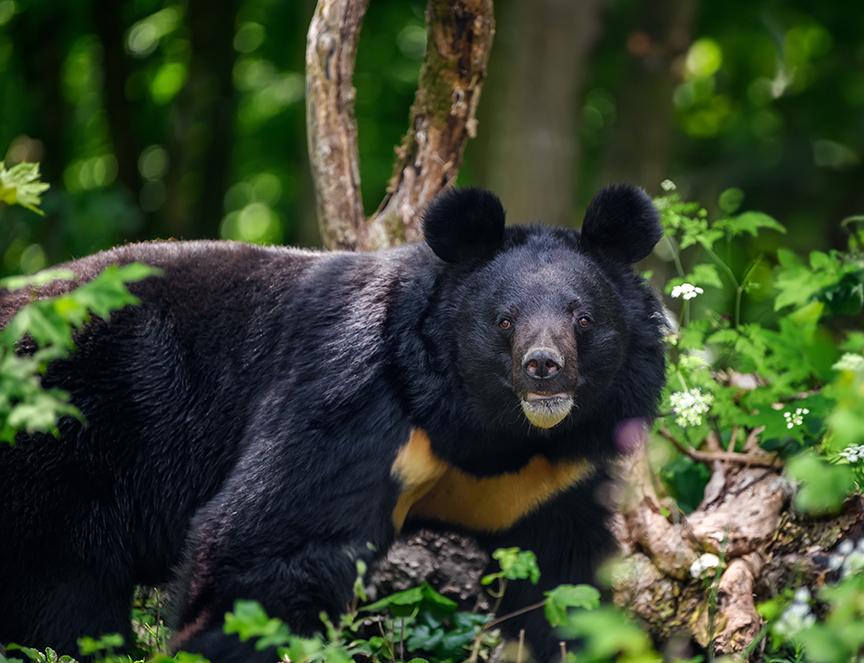
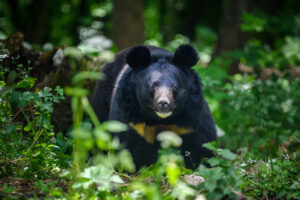
Asiatic black bear. Photo: Shutterstock
Vladimir Odulo, a fisherman from Primorye in Russia’s Far East, survived an attack by an Asiatic black bear, also known as a Himalayan bear.
The bear attacked while Odulo was fishing. He tried to defend himself with his fishing rod, but the animal knocked him into the water. Odulo continued fighting as it “beat his face like a boxer,” Russian media reported the fisherman saying. Suddenly, the bear stopped the attack and fled into the forest.
Odulo suffered several wounds and a serious eye injury, but survived. Doctors in Vladivostok were able to save his eyesight.
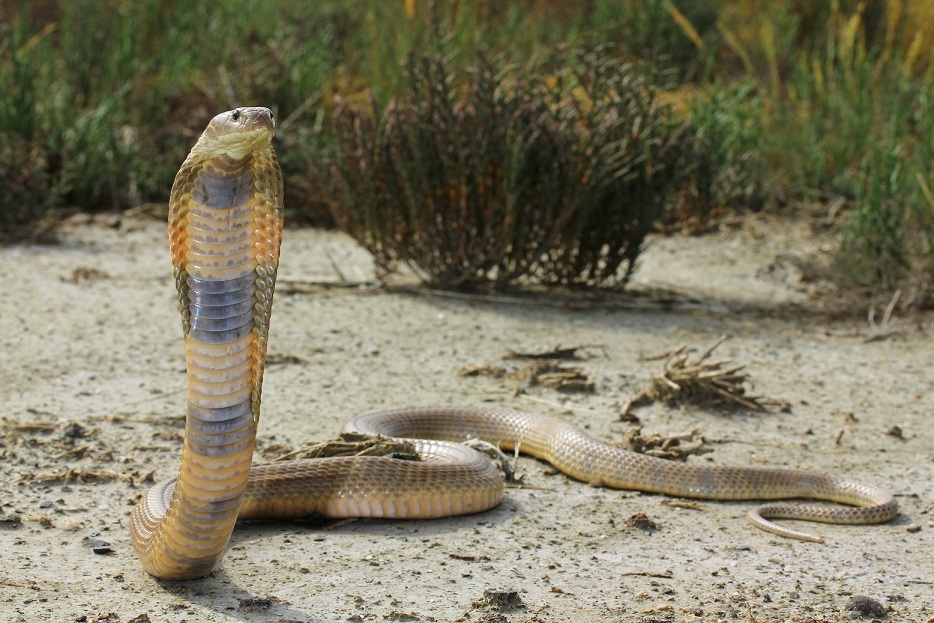
A venomous Caspian cobra, which now occurs high in Himachal Pradesh. Photo: Shutterstock
Two deaths in the Indian Himalaya have been attributed to Caspian cobras. Native to Central Asia, this venomous species has expanded its range eastward into the higher reaches of Himachal Pradesh. It now also occurs in Pakistan and Kashmir.
The first death occurred when a 40-year-old man accidentally stepped on a Caspian cobra while spraying an apple orchard. Wearing open-toed footwear, he sustained two bites on his leg. He was taken to a local faith healer before being shifted to the hospital, where he was declared dead, according to the Tribune of India.
In the second case, a 62-year-old man stepped on a snake while on his way to work and was bitten on the leg. He collapsed within half an hour and was taken to a health facility, where he died.
These fatalities occurred some time ago, but the report on them was published just this week in the journal Epidemiology International. The Caspian cobra generally inhabits higher, open, rocky terrain at elevations of 2,000m or higher, where both incidents occurred. Researchers suggest its range may now include lower elevations.
Africa
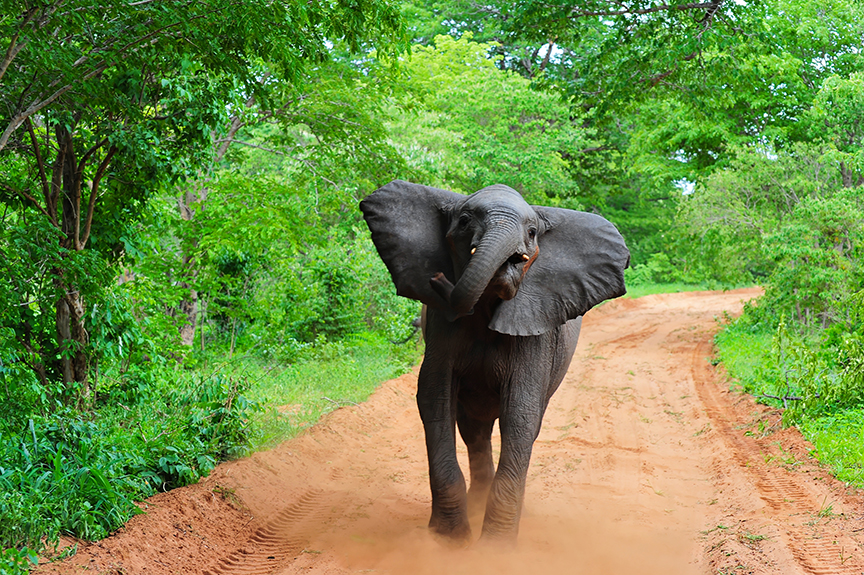
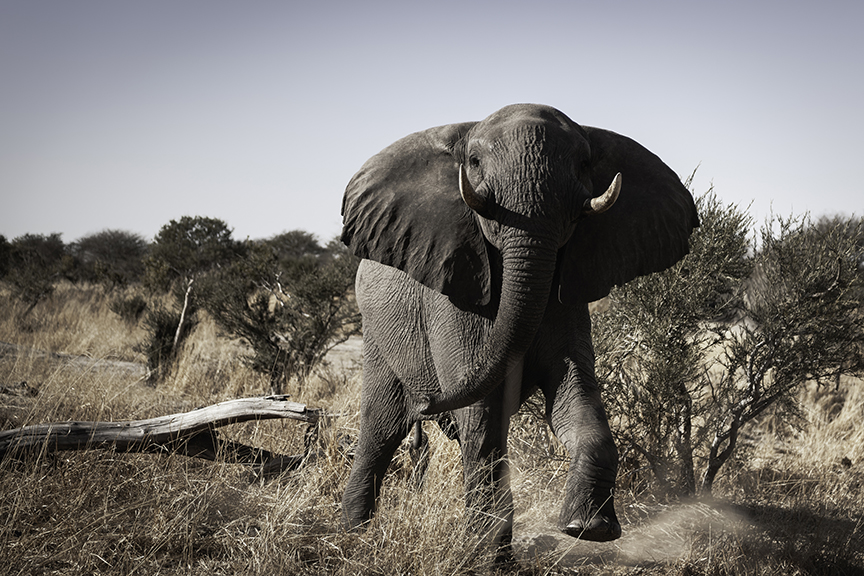
A charging elephant. Photo: Shutterstock
Two men died in separate elephant attacks in northern Kenya.
On October 11, Eisimgai Gorow Ltarakwa, 41, was herding goats near Nguposorogin village when a lone elephant attacked him. He suffered severe injuries and died at the scene.
Two days later, Mukhtar Abdoy Hussein, 64, was grazing livestock near Benane village when a herd of elephants trampled him to death.
The incident highlights the risks faced by herders in areas where livestock grazing activities bring communities into close proximity with wildlife. Under a conservation initiative, the families are entitled to receive compensation, according to Kenyan media.