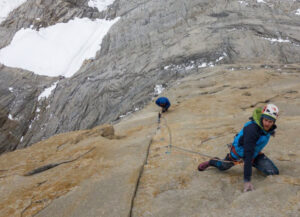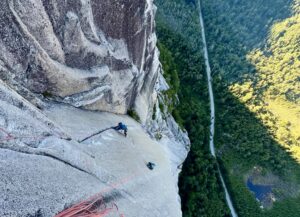
On November 26, Sasha DiGiulian of the U.S. did the first female free ascent of the Platinum Wall, a 914m route on El Capitan in Yosemite National Park. Also known as the Direct Line, it has 39 to 40 pitches, including 23 at a 5.12 difficulty and six at 5.13.
Established between 2009 and 2017 by Rob Miller and his partners, the Platinum Wall is El Capitan’s longest free-climbable route. The development of the route, graded 5.13+ overall, began in 2006 when Miller and Justen Sjong explored variations to The Nose. In particular, they focused on exiting the Half Dollar on the Salathé Wall to reach the Triple Direct Ledge, 24m below Camp 4 on The Nose.
In 2010, Miller resumed the project during a hot, dry summer and discovered a more direct path up the slabs. Thereafter, he envisioned a nearly independent line to the Muir exit.
From 2013 to 2015, Miller and Elliot Faber collaborated on the project, hand-drilling and establishing Standing Rock (5.13a). In 2014, they found a direct line from Standing Rock’s end to Triple Direct Ledge. They worked on the last hard pitch, traversing below the Muir roof, taking turns on long, exposed reaches.
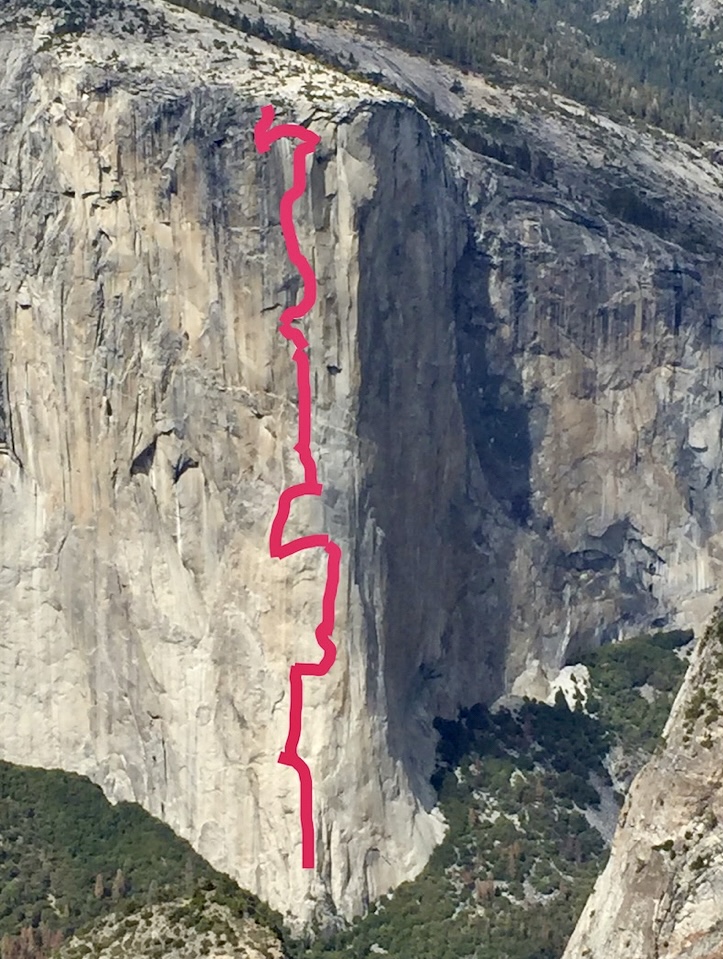
The Direct Line (39 pitches, 5.13+), a.k.a. the Platinum Wall. Photo: Rob Miller/American Alpine Journal
First free ascent
Rob Miller and Elliot Faber attempted the first free ascent of the Platinum Wall in 2015; Faber and Jay Selvidge made a second attempt in 2016.
Finally, in 2017, Rob Miller and Roby Rudolf of Switzerland freed the Platinum Wall. Miller described their success in his report in the American Alpine Journal. On October 10, they began climbing and spent 14 days on the wall, alternating leads and freeing every pitch.
Preparation included carrying 113 liters of water and 15 days of food on foot to the summit, and distributing it to caches on Gold Ledge and Triple Direct Ledge.
The route’s circuitous path on steep, blank slabs was challenging. So was finding beta for difficult traverses like the one below the Muir roof, and the exposure in high-consequence terrain. They had to bolt some pitches, particularly in the upper section between the Muir and The Nose.
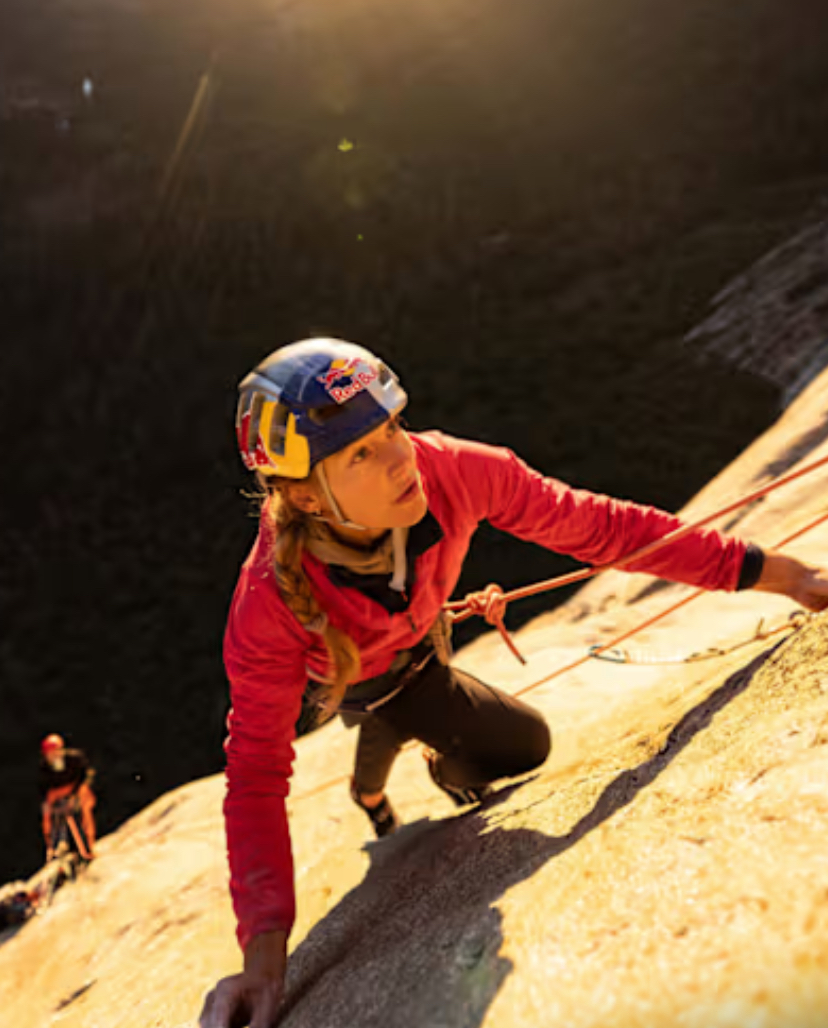
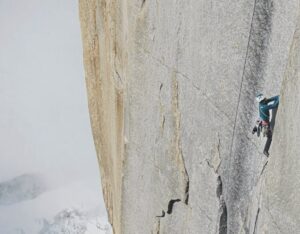
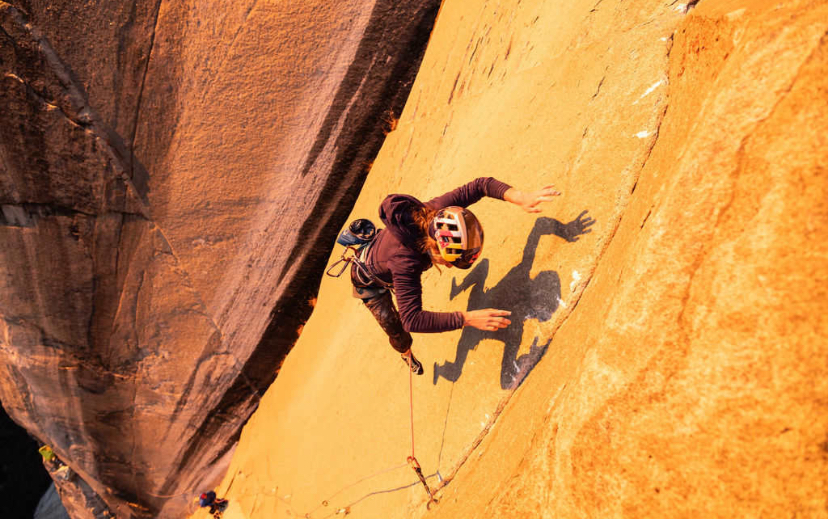
Sasha DiGiulian on the Platinum Wall. Photo: Pablo Durana/Red Bull
The route begins just left of The Nose, ascends through 22 technical slab pitches, and accesses the upper half of the Muir route via the PreMuir (recommended) or the Shaft. From there, it follows the Muir corner system to overhanging terrain on the right wall. It finishes near the original Muir.
Says Miller:
Each tantalizing prospect on the upper wall would either yield a new approach or would clarify a dead end (which is also helpful). It never went as expected, but somehow different pieces of the puzzle started coming together.
He hopes for a one-day free ascent in the future.
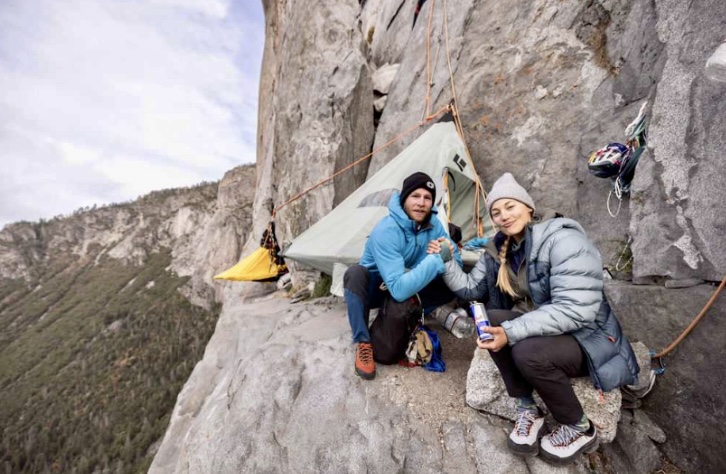
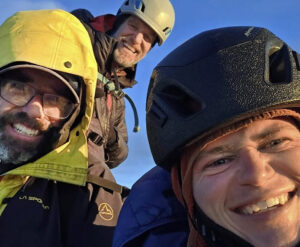
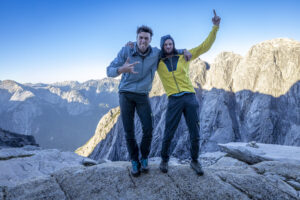
Sasha DiGiulian and Elliot Faber. Photo: Pablo Durana/Red Bull
Fourth free ascent
DiGiulian’s climb marks the fourth free ascent of the route, following the first free by Miller and Rudolf in 2017; the second by Tobias Wolf and Thomas Hering in 2018; and a third by Alex Honnold and Tommy Caldwell in early 2025, according to Red Bull.
The climb began on November 2 and took 23 days. DiGiulian led 27 of the 40 pitches, including all crux sections, such as the 5.13c White Wizard pitch, the 5.13c Dog’s Head roof crack, the 5.13a Platinum fingertips crack, a 5.13d stemming corner requiring a long dynamic jump, and the 5.13a undercling roof on Teahupo’o, which was seasonally wet.
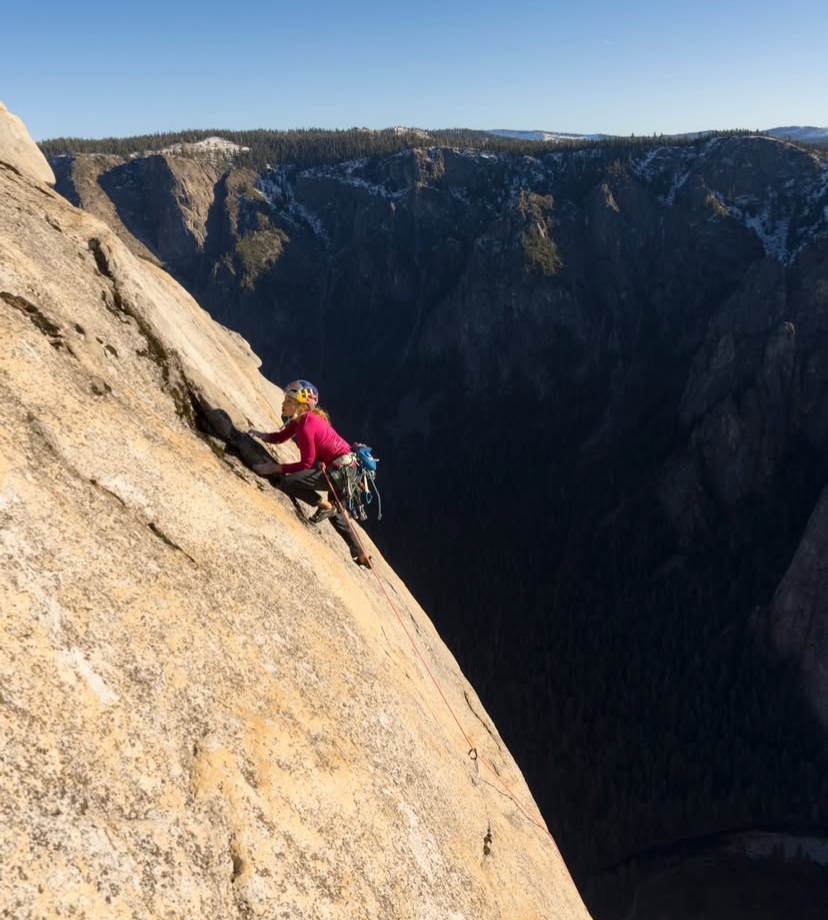
Sasha DiGiulian. Photo: Pablo Durana/Red Bull
Prolonged storms
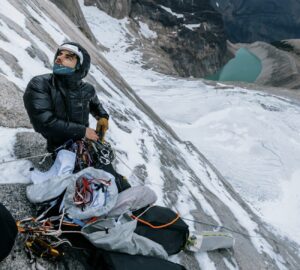
The weather presented significant challenges, with prolonged storms bringing heavy rain, snow, wind, and water sheeting from the summit. These forced DiGiulian and her partner, Elliot Faber, to remain on a portaledge for nine days.
Faber provided support from a nearby portaledge but was unable to complete several crux pitches. The ascent proceeded under clearing skies.
DiGiulian had prepared for the route over three seasons, focusing on rehearsals of the glacier-polished lower sections and upper cruxes. From the summit, she described the achievement as “the proudest climb of my career,” noting her swollen and taped fingertips.
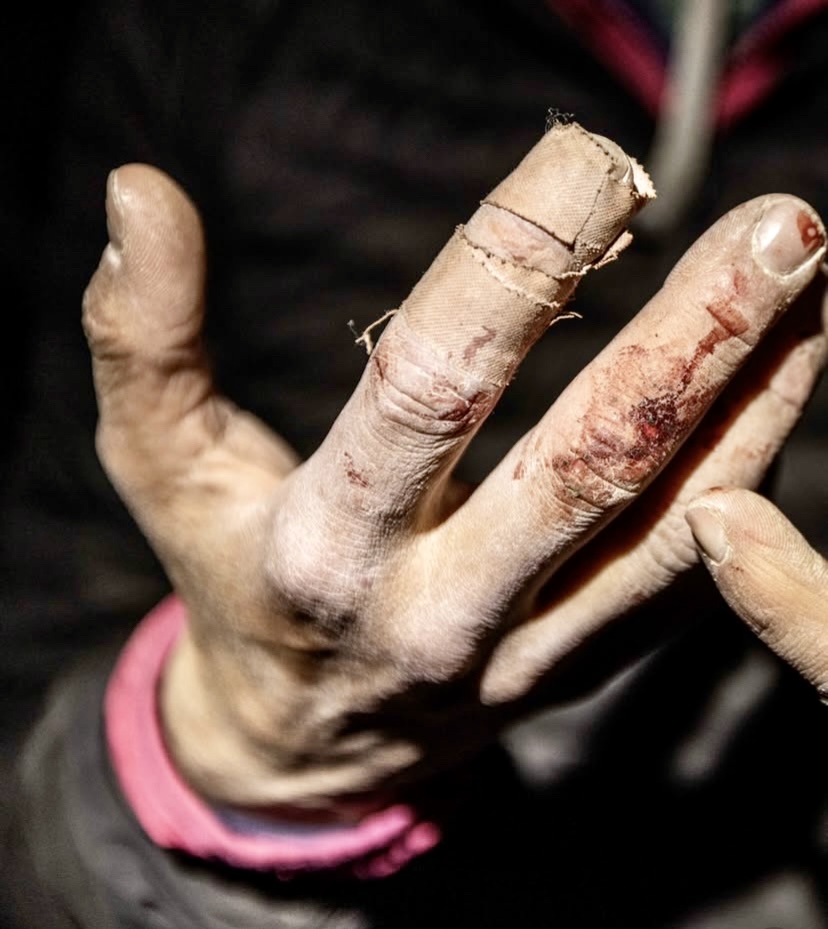
Sasha DiGiulian’s fingers after the climb. Photo: Christian Pondell/Pablo Durana
During the storms, she reported conditions as “Cold and super wet up here,” and observed significant snowmelt resembling rain. Route pioneer Rob Miller described the route as “unlike anything I’ve ever climbed in the Valley” due to its blank face sections, bolts, powerful traverses, long downclimbs, and overall complexity.
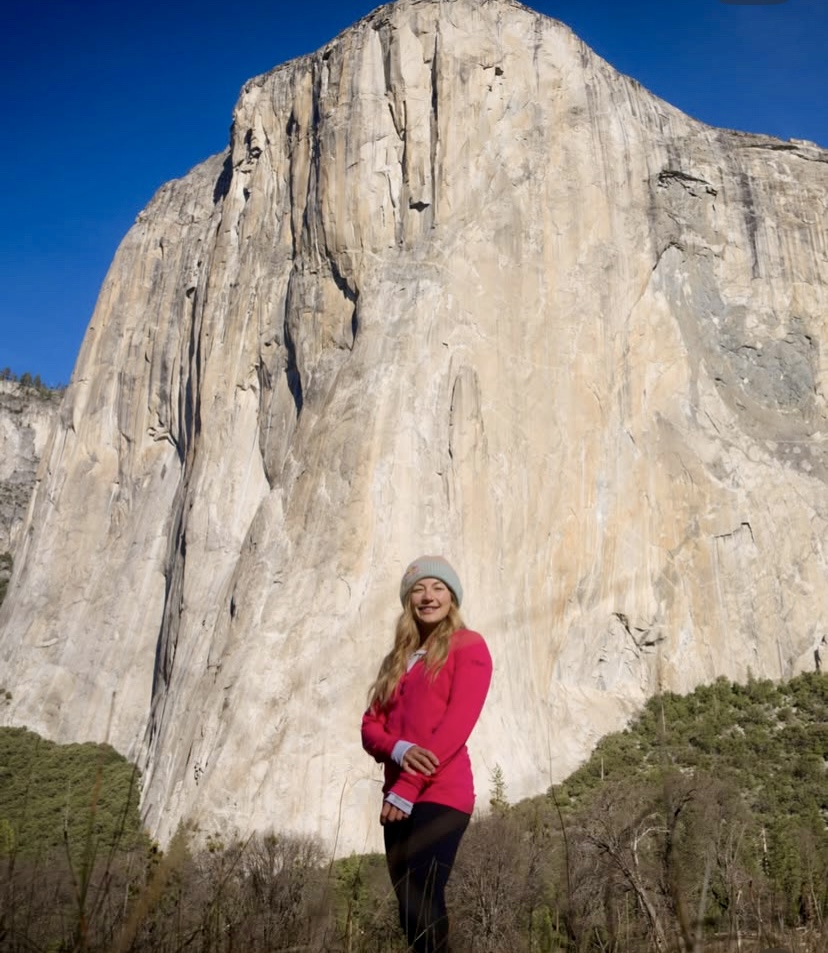
Sasha DiGiulian. Photo: Christian Pondella/Pablo Durana