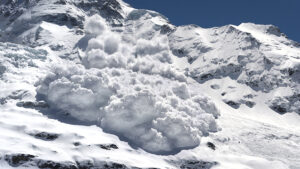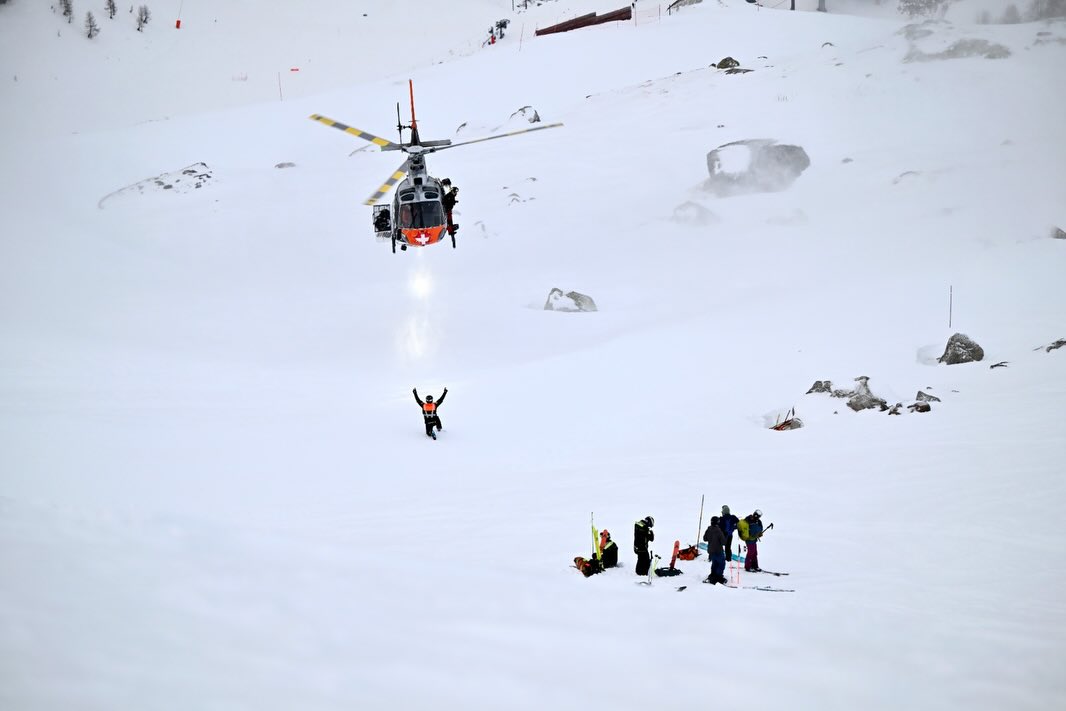
The number of mountain accidents has increased alarmingly, straining rescue services and surpassing the budgets allotted to search and rescue. This is especially problematic when irresponsible climbers and skiers get into trouble. Now, French authorities are proposing a new approach: Those rescued due to reckless behavior will face a hefty fine.
Unsustainable model
France’s Cour des comptes (the Court of Auditors) presented a detailed report to the Senate last week, analyzing the cost of mountain rescue. They estimated that a rescue operation that included a helicopter and specialized personnel costs an average of 10,780 euros ($12,768). That’s more than double a decade ago. Read the complete report (in French) here.
French rescuers performed nearly 10,000 operations in 2024, 18% more than in 2018. More people are taking up outdoor sports, including high-risk activities such as mountaineering and off-piste skiing. Combined with increasingly unstable conditions on mountains due to climate change, this has caused an epidemic of rescues, Pistehors reported.
They conclude that the current rescue system and its associated costs are not sustainable.
Many visitors, often attracted by what they see on social media, venture out of their depth, like the fellow who attempted the Matterhorn a couple of years ago alone, with unsuitable gear, or those who imagine that the normal route up Mont Blanc is a hike accessible to everyone.
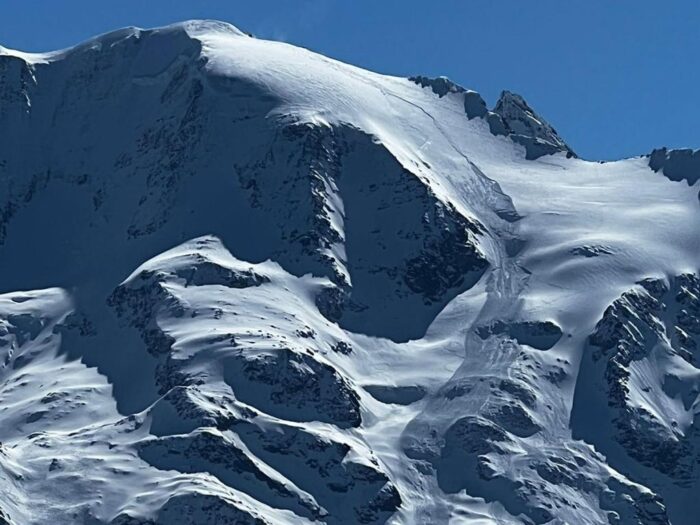
A slab avalanche on Mont Blanc. Photo: Chamonix.com
Charge, but how?
Rescues in France, mainly performed by special forces among police or fire personnel, are considered a public service and are free to both residents and visitors. However, the growing number of rescues has prompted the tribunal to suggest for the first time a “partial or total billing” in certain cases involving gross negligence.
But who is fined and under what criteria? It’s hard to set a standard for good practice when climbers assess a situation individually, and when alpine conditions change by the hour.
Switzerland and Italy, like Himalayan countries, charge for mountain rescues. Climbers must ensure they have insurance to cover rescue and related medical expenses. In these places, rescue fees are levied regardless of a climber’s experience. That approach is also under new consideration in France.
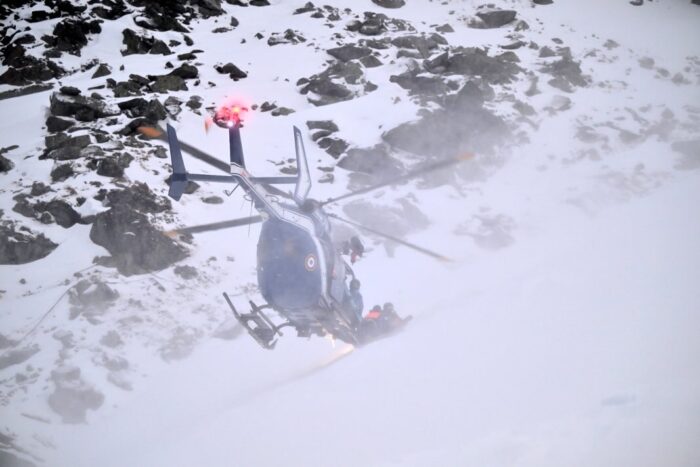
A helicopter rescue near Chamonix. Photo: La Chamoniard
The discussion is being closely followed on the other side of the Pyrenees, in Spain. There, as in France, mountain rescue is a free public service, but also a subject of debate. In some Spanish regions, rescue patrols affiliated with local police have the legal right to fine victims who venture outdoors without proper equipment or who ignore weather alerts. However, those fines are rarely assessed.
Some mountain associations told Lugares de Aventura that charging for rescues could have a negative effect, if injured mountaineers decide not to call emergency services because of the potential costs, and their situation worsens.
For now, both France and Spain are opting to increase awareness through safety campaigns. However, the financial strain persists, and it may be the final reason authorities reconsider the “free help” model.
Ski resorts too
The increase in accidents has also caused growing concerns at ski resorts. Places like Val d’Isere in the French Alps are trying to warn skiers about going too fast and about bad behavior generally on the slopes. Some resorts are trying to limit speeds on certain runs.
Accidents among recreational skiers have increased 8% in France, consistent with a comparable increase in the number of visitors. However, helicopter evacuations have increased 40% in the same period, showing that serious accidents have increased drastically, according to Connexionfrance.com