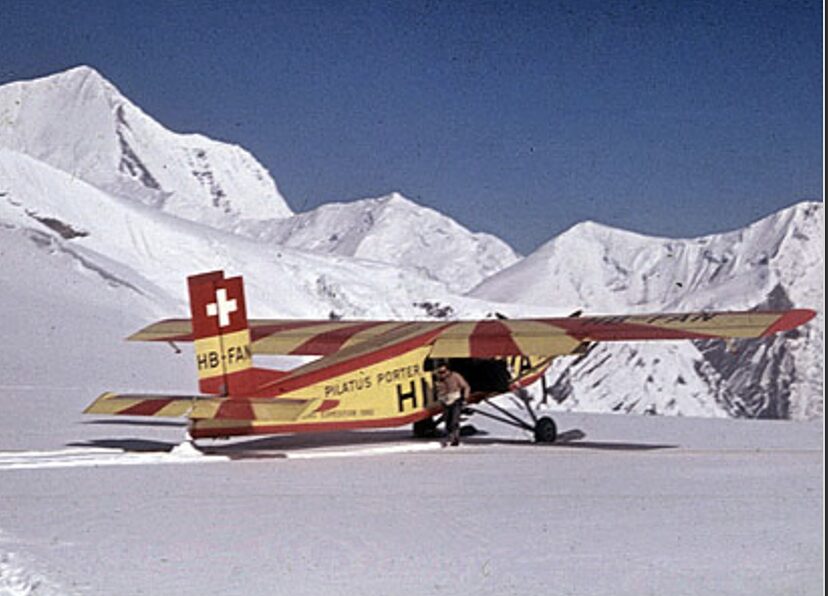
In the spring of 1960, during the Swiss-led expedition that made the first ascent of Dhaulagiri I, a single-engine aircraft named Yeti landed climbers and supplies directly on high glaciers in the Nepalese Himalaya. It was the first time such a daring experiment had ever been attempted. But what was meant to be simply a novel support operation soon became a story of its own.
At the time, 8,167m Dhaulagiri I was one of the last unclimbed 8,000’ers. (Shisha Pangma was the other.) The White Mountain had earned a fearsome reputation during six failed attempts, mostly by its North Face, in the 1950s. Bad weather, strong winds, storms, and technical difficulties prompted climbers to quit. More than one later declared the mountain impossible to climb.
By 1960, Dhaulagiri I had become a symbol of unfinished business in Himalayan mountaineering, when a Swiss-led international expedition under the leadership of Max Eiselin showed up.
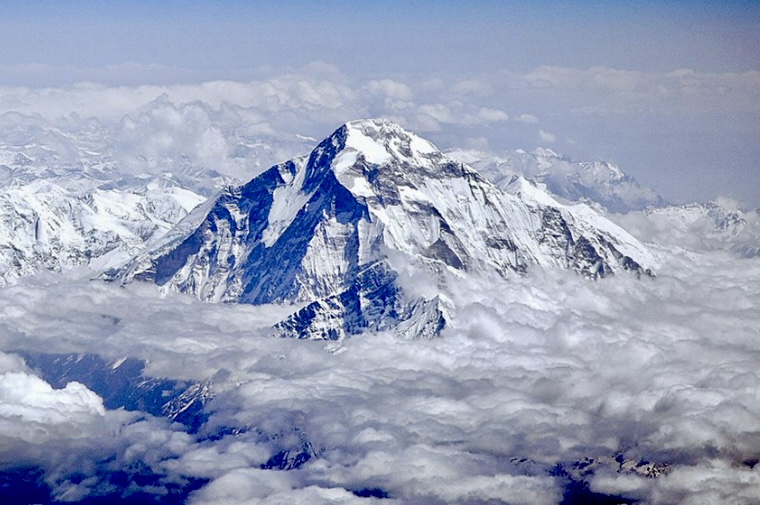
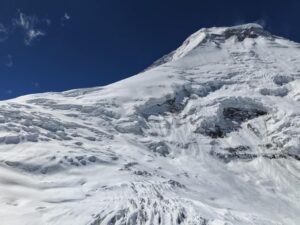
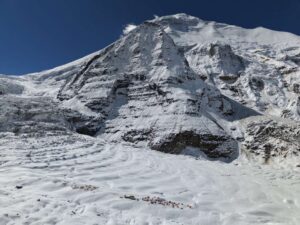
Dhaulagiri I. Photo: Sergey Ashmarin
Bringing an airplane to the Himalaya
What made Eiselin’s 1960 expedition so different was a radical new idea. They would bring a small fixed-wing aircraft, a Pilatus Porter PC-6, all the way from Switzerland for logistical support. It was the first time that the Nepalese government permitted a light aircraft to land men and supplies on the glaciers and snowfields of the Himalaya.
Swiss pilots Ernst Saxer and Emil Wick (also the mechanic) flew the plane, which was named the Yeti. It was a half-joking reference to their hope of spotting the Abominable Snowman from the air. However, the aircraft’s primary role was to ferry people and supplies to an advanced camp.
According to Kurt Diemberger’s account in The Himalayan Journal and Norman Dyhrenfurth’s report in the American Alpine Journal, the Yeti left Zurich, Switzerland, on March 12, 1960, with Saxer, Wick, Eiselin, and Peter Diener aboard. They reached Kathmandu on March 20.
On March 28, they landed at the Dapa Col (today known as Dhampus Pass) at approx. 5,200m. There, they established an acclimatization camp. Two team members, Ernst Forrer and Diemberger, stayed in camp, while the aircraft made additional flights that day to deliver supplies. A previous landing at Bhairawa, Nepal, near the Indian border, had damaged the Yeti‘s landing gear, but Wick repaired it within two days.
A record-high landing
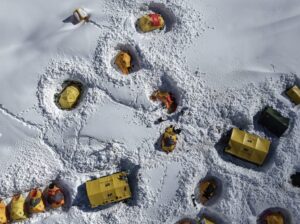
On April 3, 1960, the Yeti successfully landed on the northeast col of Dhaulagiri I, at approx. 5,750m. It became a new world record for the highest landing and takeoff by a single-engine, fixed-wing aircraft on a glacier. The landing allowed the rapid setup of Advanced Base Camp. Subsequent flights supplied the col and flew in more personnel. It also flew out one Sherpa suffering from pneumonia and brought in his replacement.
Ten days later, the Yeti crash-landed at Pokhara after a cylinder head blew off shortly after takeoff. It remained nonfunctional for three weeks, while a new engine was brought in from Europe.
Until the new engine was installed, the expedition members continued to make overland shuttles via the Mayangdi Valley and the French Col. Fortunately, on May 4, the Yeti resumed operations, landing on the northeast col with Eiselin aboard.
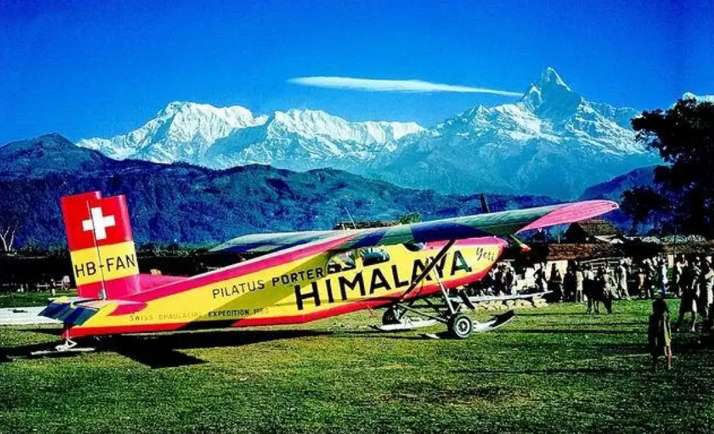
The Yeti at Pokhara airport in 1960. Photo: Swiss Himalaya Expedition/Summitpost
The final crash
On May 5 at 10:15 am, the Yeti met its end. During takeoff from the Dapa Col, the control stick of the small plane snapped off in the pilot’s hand. The plane crashed below the old acclimatization camp, damaging the right wing and propeller.
Pilots Saxer and Wick were unhurt and stayed at the col for two days. Their situation was not easy, as the group did not have enough fuel and food for them, and the pair were not acclimatized. On May 8, they decided to start walking down to Tukuche. They reached Pokhara on May 12.
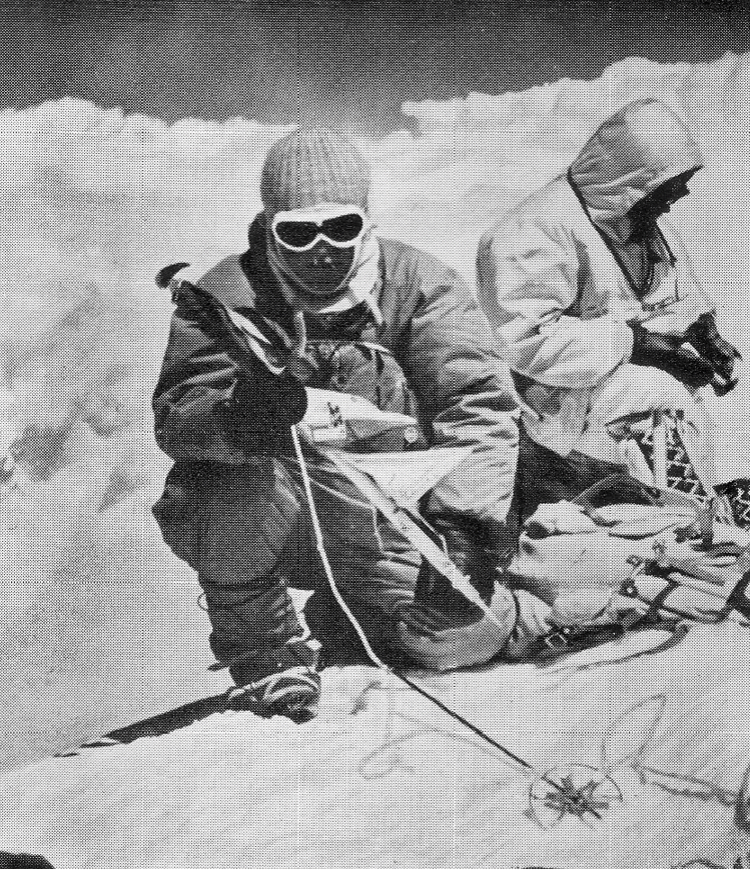
Kurt Diemberger, left, and Albin Schelbert on the summit of Dhaulagiri I, on May 13, 1960. Photo: Kurt Diemberger/The Himalayan Journal
Finishing the climb without wings
Before the crash, the aircraft had made several successful landings and had ferried personnel and much of the five total tons of supplies and gear up the mountain. They relied on ground shuttles to move the remainder.
On May 13, Diemberger, Forrer, Diener, Albin Schelbert, Nawang Dorje Sherpa, and Nima Dorje Sherpa topped out on Dhaulagiri I via the Northeast Spur. The first ascent had finally been done. Ten days later, on May 23, Michel Vaucher and Hugo Weber summited, too. Everyone climbed without supplemental oxygen, and with the exception of the 31-year-old Diener, all the summiters were in their twenties.
As air operations were no longer possible, the climbers trekked out on foot by the usual route.
Note that not everything went smoothly for the climbers after the Yeti dropped them off. The entire expedition experienced severe acclimatization issues from the rapid aircraft ascents. Diemberger and Forrer, for example, ”could hardly move, unpack, cook, or even eat” in the first days at the col due to the sudden altitude gain.
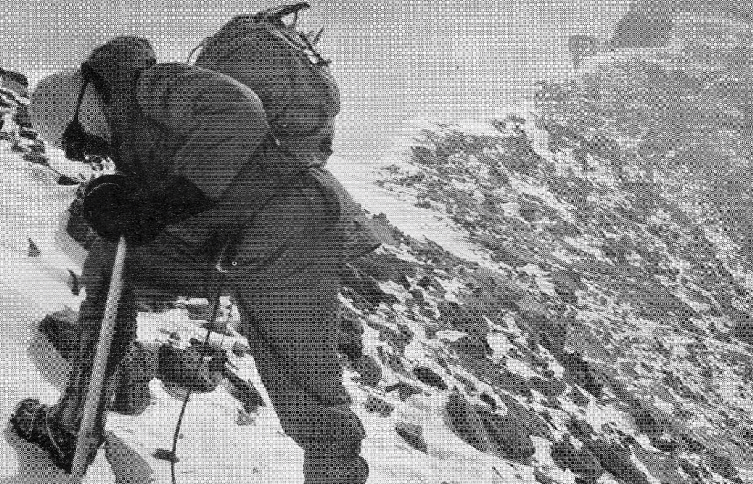
Ernst Forrer takes a short break while descending from the summit of Dhaulagiri I. Photo: Kurt Diemberger
Legacy of the Yeti
The use of the Yeti was a pioneering innovation that allowed the team to rapidly set up advanced camps, bypassing difficult porter routes. It also enabled a big expedition to quickly position supplies and climbers in a remote, high-altitude area.
According to Dyhrenfurth, Diemberger, and Eiselin, the daring concept ”almost worked,” despite engine failure, the crash, and the resulting isolation of the expedition. It forced improvisations but proved that air support could transform Himalayan expeditions, though the risks were clear. The aircraft’s assistance was a key element in the successful first ascent of Dhaulagiri I.
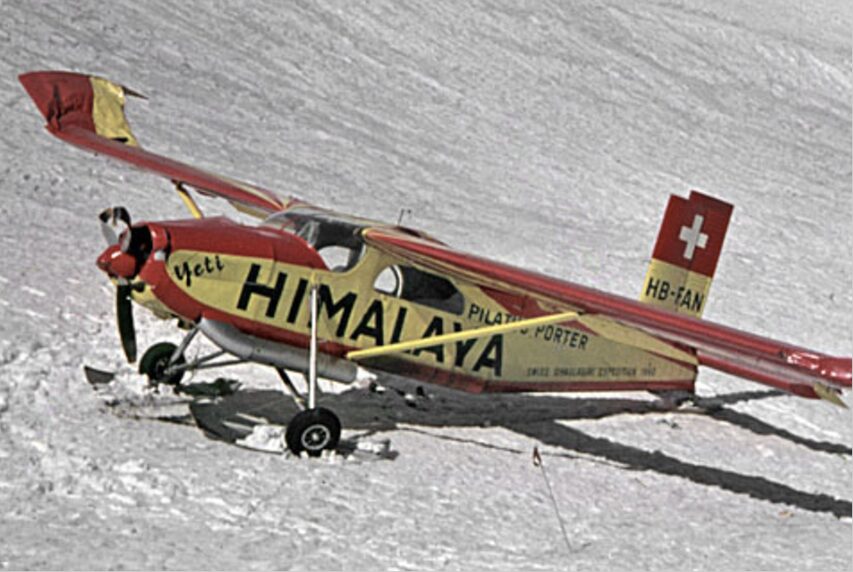
The Yeti after the crash, dented but in one piece. Photo: Ernst Saxer
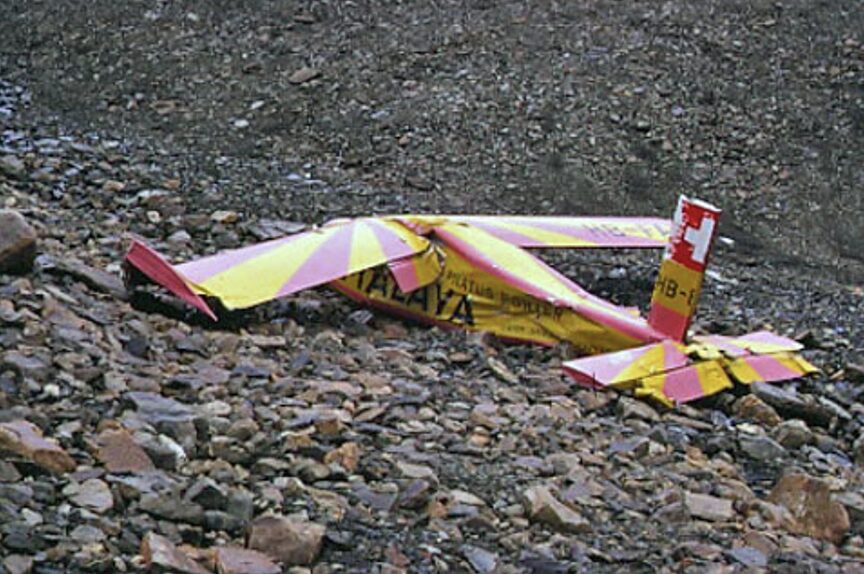
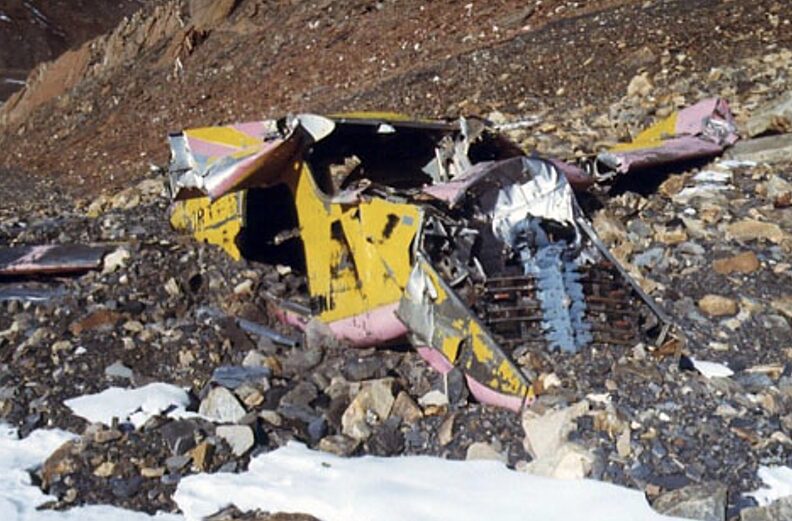
Over time, the Yeti deteriorated until eventually little remained. Top, 1964. Photo: Don Messerschmidt. Bottom, 2000. Photo: Karl Scheuber
The Yeti wreckage was left where it crashed, below the old acclimatization camp on the Dapa Col. Over the decades, it deteriorated in the high-altitude environment. Gradually, souvenir hunters, local people, yak herders, trekkers, and mountaineers stripped it of parts useful and non-useful. By the early 2000s, very little of the wreckage remained. A Swiss expedition sought to recover parts of the abandoned aircraft for a museum, but the project was ultimately abandoned because so little remained that the effort was deemed not worthwhile.
The Yeti’s true legacy lived on through Wick, who remained in Nepal for decades, training generations of local pilots. He became a true pioneer of modern Himalayan aviation.
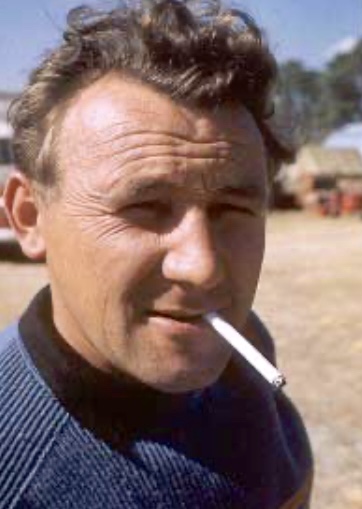
Emil Wick. Photo: Flymicro