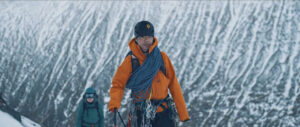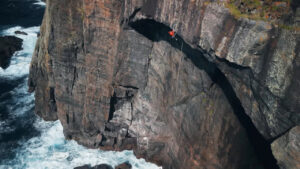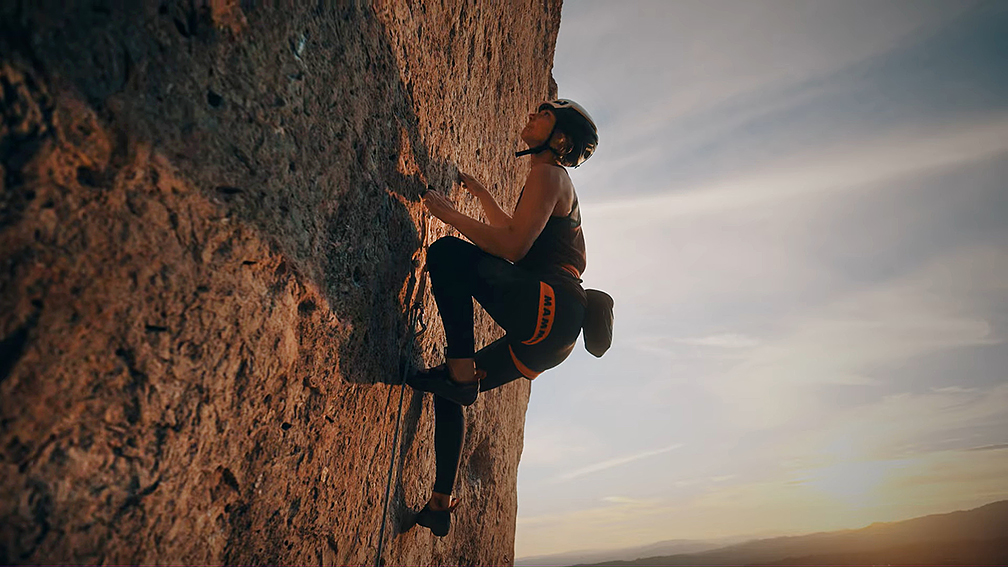
“Most nights I wake up and think, what the hell are we doing?” Kirsty admits, in the opening narration of the 2026 short film Persistence. The film follows Kirsty, her husband Hardin, and their two children, Arlo and Eia, both under 10, after the family left stability for life on the road, pursuing their love of climbing.
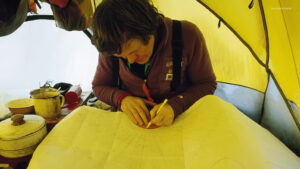
The film’s proper opening brings us along for a typical morning in their household (vanhold?). Having woken up in the middle of the night to worry about how their choices have affected their children’s future, Kirsty goes to rouse the kids around 6 am. Dawn is just beginning in the Pyrenees, where their van is parked, and they plan to spend the day hiking and climbing together.
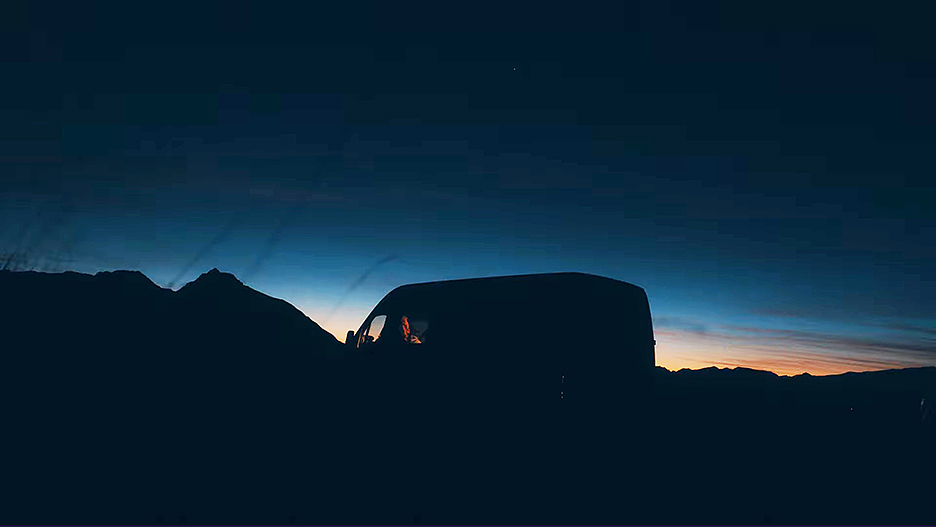
Another day dawns on the van. Photo: Screenshot
On the road
Two years before, the family lived in Indonesia, in a nice house by the beach. Hardin’s work, however, kept him busy and out of the house; the price, it seemed, of stability. Longing for a life with more freedom and time to chase their passions, the pair packed their lives into a van and set off.
Hardin describes the revelatory sense of freedom and possibility he felt waking in the French Alps early in the experiment. “I can wake up to this kind of view every morning,” he says, almost amazed, “with my kids.”
But for all the freedom, the van is also a critical potential failure point. Maintenance is constant and expensive, and if it breaks down entirely, they will be in a rather difficult spot.
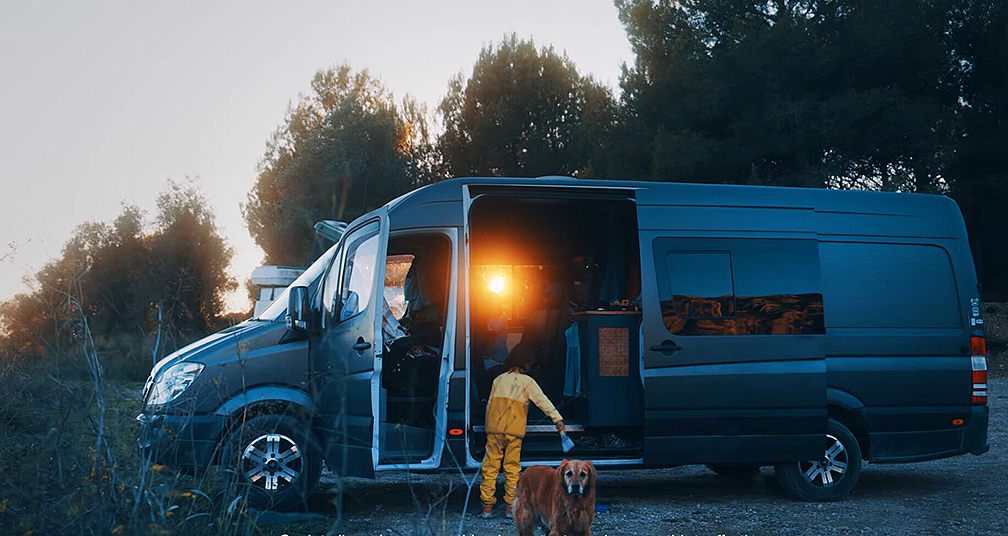
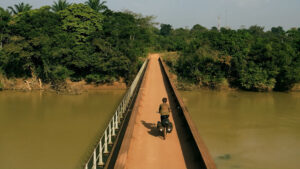
Originally intended only to get them from climb to climb, the van became the logistical locus of their lives. Photo: Screenshot
Unlike the more conventional “van-life” influencers of social media, Kirsty and the film are honest about the downsides of the lifestyle. For every scene of the couple clapping and cheering as their smiling children send a line, there is a tense scene waiting for news about their dog Marley, whose vet bills could spiral out of control.
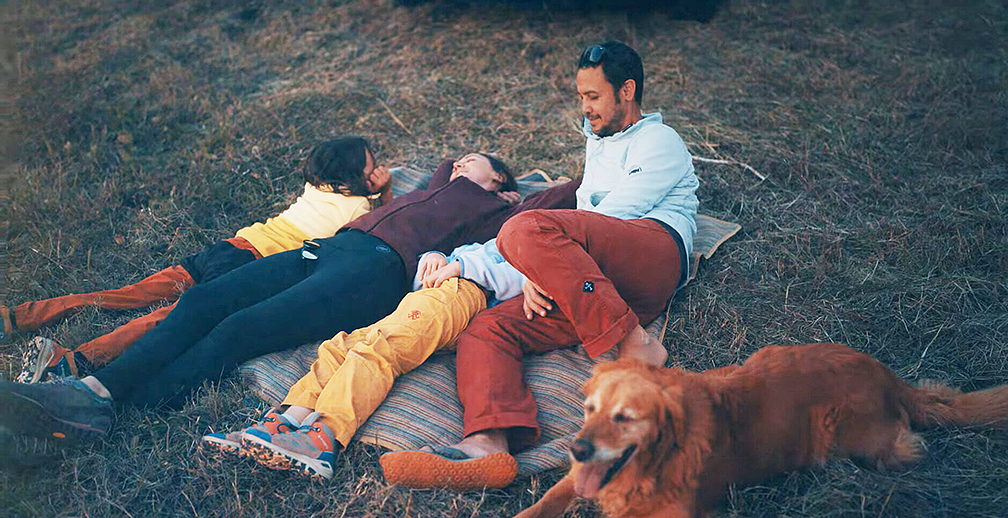
Photo: Screenshot
Kids and climbing
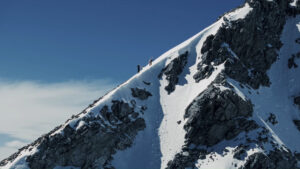
Onscreen, we watch Eia, their six-year-old, making her way up a rock wall, small face filled with focus, as her mother instructs and encourages her from below. Hardin says he’s very lucky to have a wife who shares his passion, and kids who share it with them as well.
It is certainly very lucky. I’d hate to think how miserable it’d be to be living this life if you were a child who happened to hate climbing.
While we continue to see the family hiking and climbing, as they share their struggles and triumphs in cutaway interviews, the latter half of the film also intermittently follows the decline of Marley, the family dog.
The film ends with text on screen announcing Marley’s eventual death, but preceded by a highlight reel of their life with her. It seems to wordlessly echo Kirsty’s hope that despite the stress and challenges of their life, their kids “will look back, and it will make them happy.”