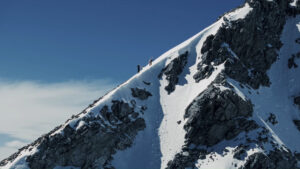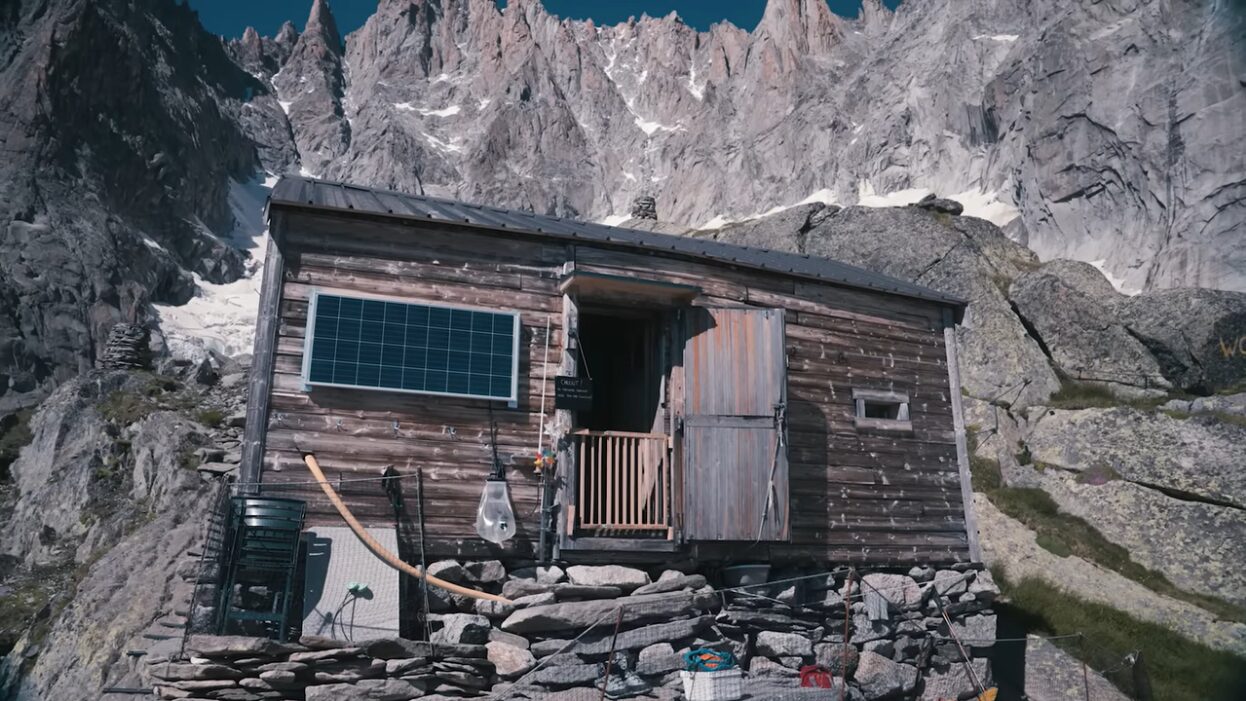
The High Life: The Final Season of Chamonix’s Oldest Refuge catalogues the last days of a 119-year-old alpine hut. Called Charpoua, the refuge is the oldest and smallest in the Chamonix Valley, just north of Mont Blanc.
Sitting above 3,000m of elevation, the hut’s keeper, Sarah Cartier, has spent the last eight summers living there in isolation. We join her and her two young children as they care for Charpoua, which was set to be demolished and rebuilt after that season.
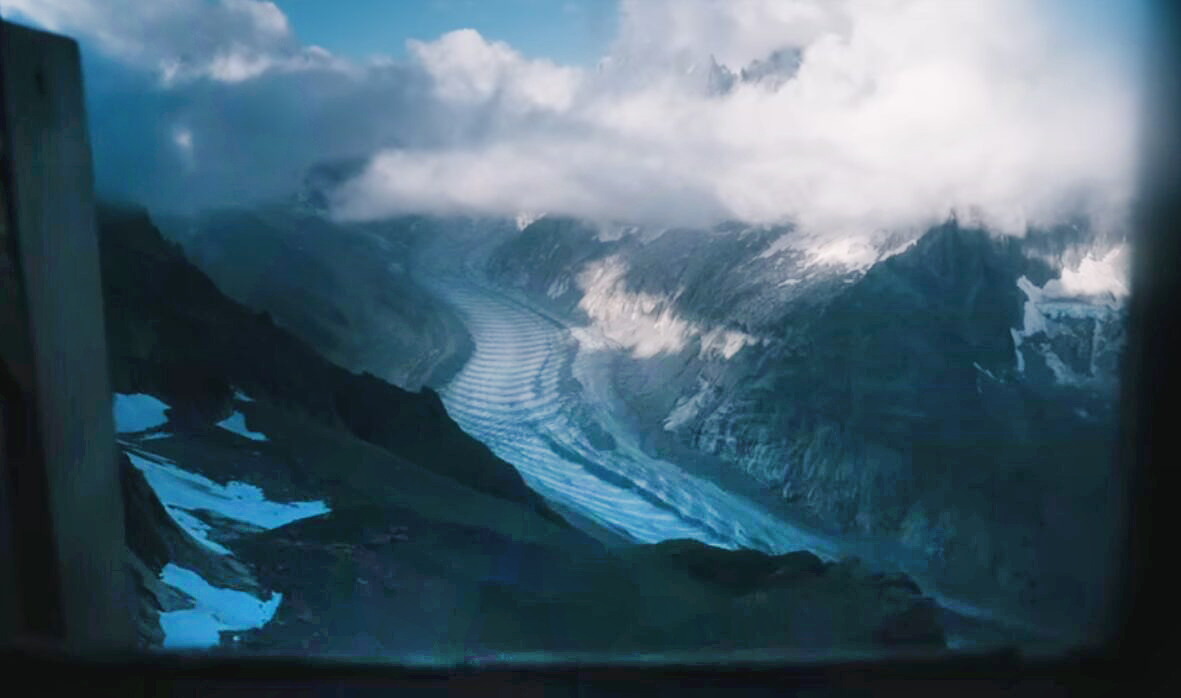
The view from the hut. Photo: Screenshot
Life at Charpoua
With the season set to open in a few days, the documentary meets Cartier and her children as they arrive at the hut and receive a load of supplies via helicopter. Cartier bustles about the hut, cleaning, unpacking, and airing out, while talking to the camera.
She discusses the work (“housekeeping at 10,000 feet,”) and her decision to bring her two children, including one seven-month-old. But, like her decision to serve only organic and vegetarian food, Cartier stands by her own way of doing things.
The hut is a shelter for passing climbers, but most of the time it’s just the three of them. She describes a sense of freedom in being alone on the mountain, in the tiny refuge. Her life in the hut, “a cocoon,” from the outside world, is minimalist.
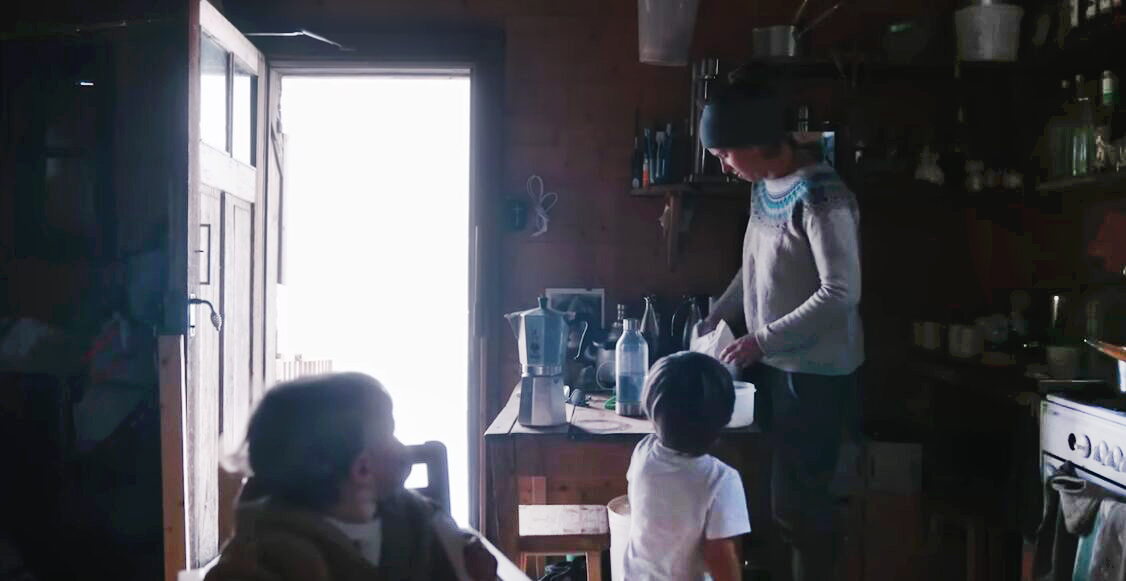
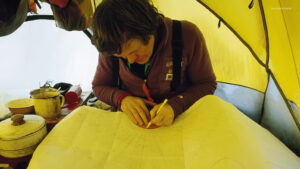
Cartier and her children in the hut.
The end of an era?
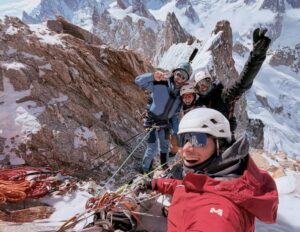
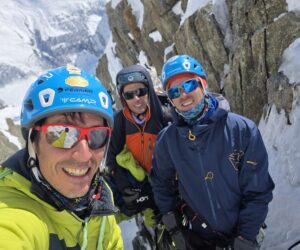
Noe, Cartier’s husband, visits several times a month, as do friends. When they do, she gets the chance to ditch the kids for a short climbing break. Like her, these climbers are drawn by the relative isolation of Charpoua. This relic from an older era of alpinism is situated in one of the more difficult-to-access and less-traveled areas around Mont Blanc.
On August 29, the season ends. Cartier and her family are joined by dozens of Charpoua well-wishers from the community. Cartier admits that, unlike previous years, this time she doesn’t want to head down. “We’re so happy living here,” she explains.