The dodo is so extinct that it has become a cultural byword for extinction — though that might not be true forever. Colossal Laboratories, the controversial biotechnology company behind not technically bringing back dire wolves, recently added the dodo to its revival list.
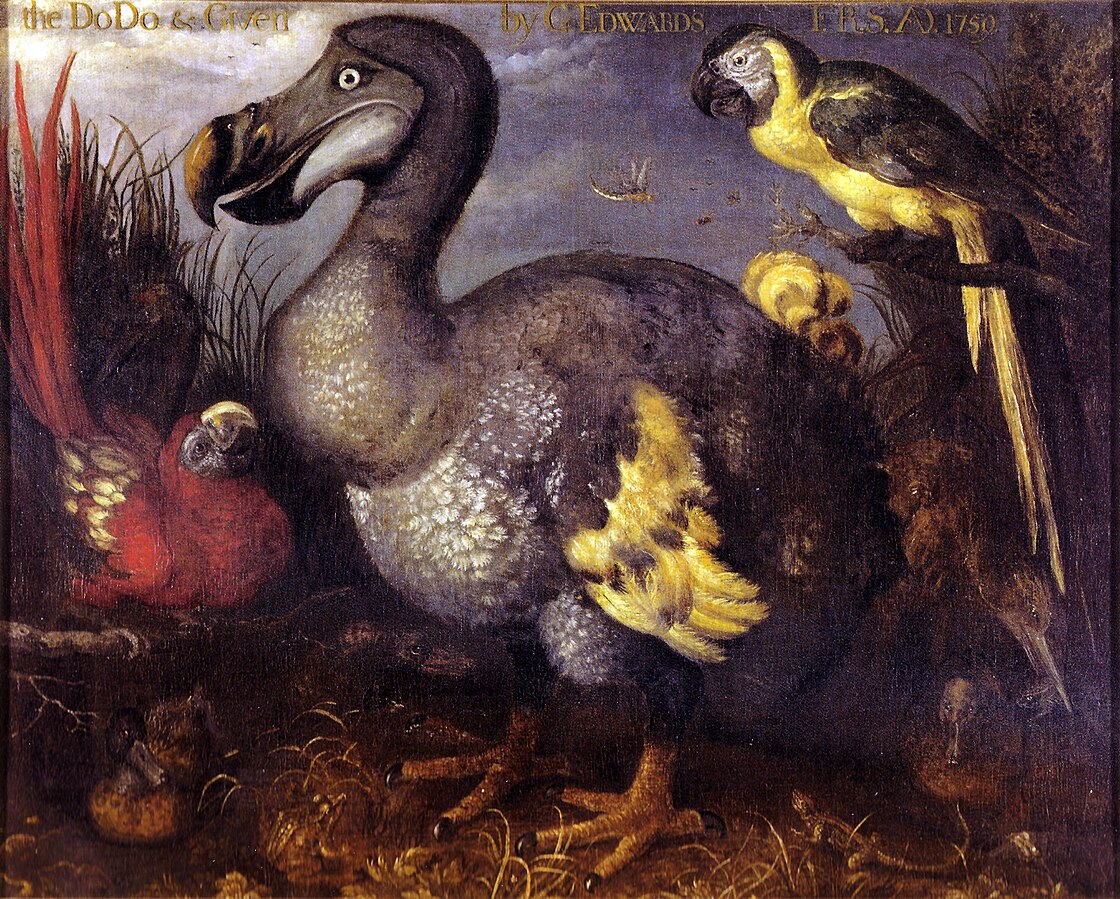
The much-eulogized dodo, painted in the late 1620s. Photo: Natural History Museum, London
The arrival of 16th-century Portuguese and Dutch sailors in Mauritius spelled swift doom for the dodo. A unique-looking, large, flightless bird isolated to a single island, the dodo was quickly decimated by humans and the predators they introduced. The last confirmed sighting was in 1662.
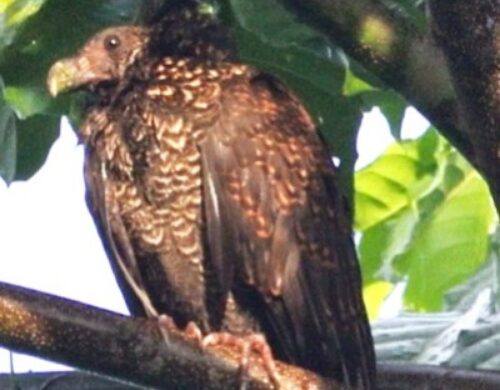
Resurrecting the dodo means gathering as much genetic data as possible from near-relatives. This is what brings us to the manumea, the so-called “little dodo” of Samoa. The manumea is both visually similar and closely related to the extinct dodo. It’s also very close to, well, going the way of the dodo. Also called the tooth-billed pigeon, the manumea hasn’t been photographed since 2013.
But scientists think there are still some out there. To prove it, the Samoa Conservation Society partnered with Colossal to build an advanced machine learning algorithm that would detect the manumea’s distinct call. But this algorithm was built using only five minutes of audio recordings. The bird’s call is also difficult to distinguish from that of the more common Pacific Imperial Pigeon.
The best evidence of their survival would be to actually see one alive, in the wild. In late 2025, a Samoa Conservation Society team did just that.
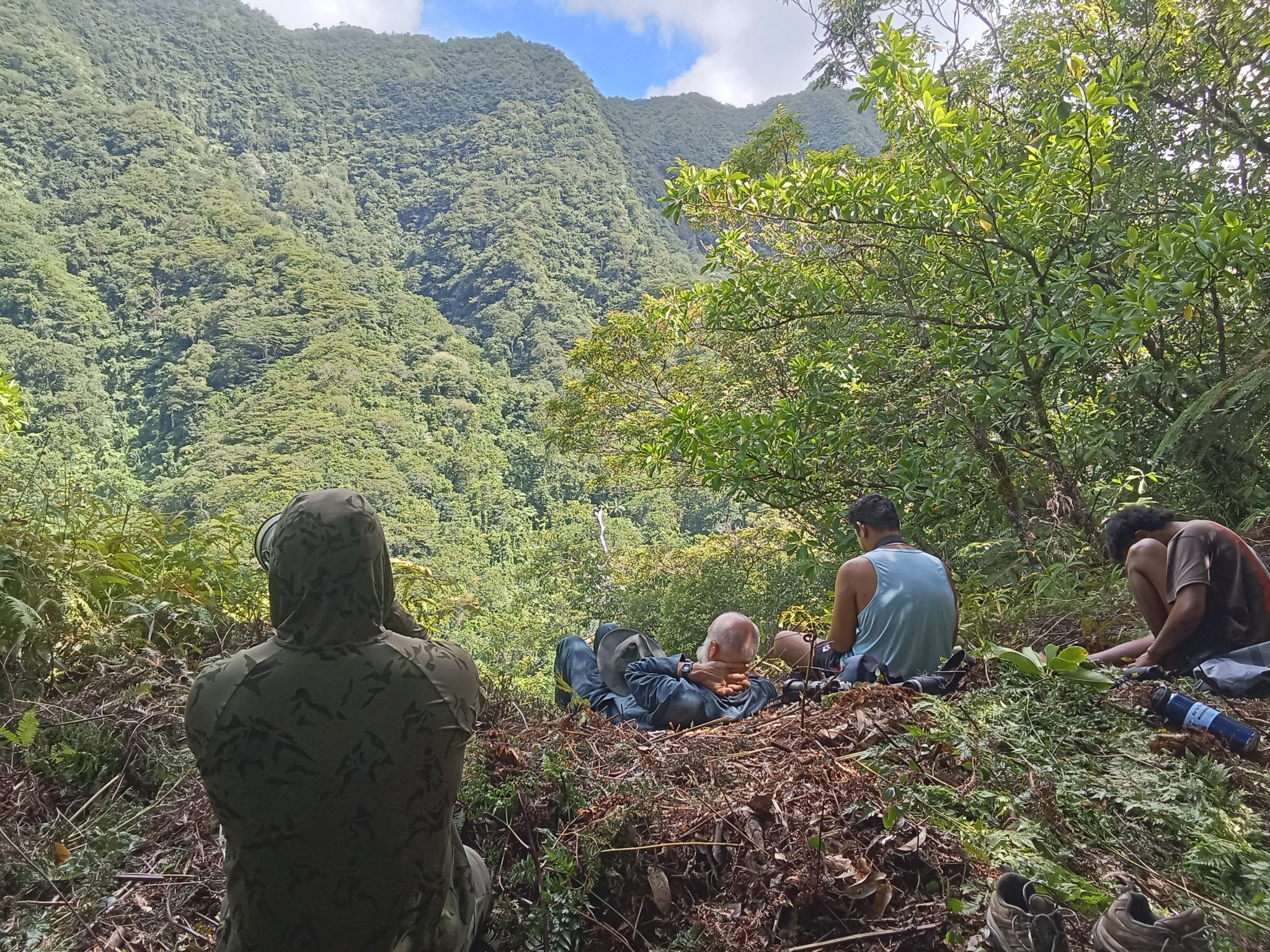
A small team spent six weeks in the jungle trying to spot a manumea. Photo: Samoa Conservation Society
High stakes birdwatching
On October 17, a team from the Samoa Conservation Society entered the jungle to undertake an intensive six-week search for the manumea. They’ve done this twice a year for the past three years. All the previous attempts have been fruitless. But this time, team members had not one but several sightings of Samoa’s elusive national bird.
This time, the team was searching in the Uafato Conservation Area, local Uafato families’ protected ancestral land. A number of tree species were fruiting in the area, creating ideal conditions for the manumea to forage. On several occasions, team members spotted a manumea flitting through the trees, too distant and quick to capture on camera.
They didn’t see any nests or juveniles in the area. The team concluded that one or several lone adults are in the area to feed, but not to breed.
Whether or not Colossal can actually clone a dodo, and whether that’s a good thing, their interest in them has thrown a lot of funding toward conservation research like the search for the manumea.