Editor’s note: We don’t usually cover such stories, but this is such an interesting conservation piece from one of our sister sites that we decided to make an exception.
BY RACHELLE SCHRUTE
A 90-year-old grazing law just collided with one of the most controversial conservation efforts in the American West. In January 2026, the Bureau of Land Management (BLM) issued a Proposed Decision to rescind grazing permits that allowed the privately owned bison of American Prairie, a Montana-based nonprofit conservation organization, to graze federal allotments in central Montana.
Those permits were approved in 2022 after environmental review. Now, the agency says it lacks authority under the Taylor Grazing Act to authorize that use.
I live in the middle of this fight.
On my town’s main street sits the American Prairie visitor center. A few blocks away, “Save the Cowboy” yard signs and billboards line the roads. The slogan represents a grassroots campaign opposing American Prairie’s expansion, arguing that large-scale conservation ownership threatens ranching communities and rural identity.
Around here, this isn’t theoretical. I know families who support the organization and families who see it as an existential threat. I’ve heard the arguments at brandings and town events. I’ve watched conversations tighten when someone wears an American Prairie hat in public.
And while the actors in this fight appear distant from many Americans, at the heart of this issue are two crucial questions: Who is ultimately responsible for the decline of U.S. ranchers, and what is the spirit of the law — its words, or its precedent?
What is American Prairie?
For some, American Prairie represents restoration and public access. For others, it represents land consolidation and cultural erosion. The grazing decision is simply the latest flashpoint in a fight that has been simmering for more than 2 decades.
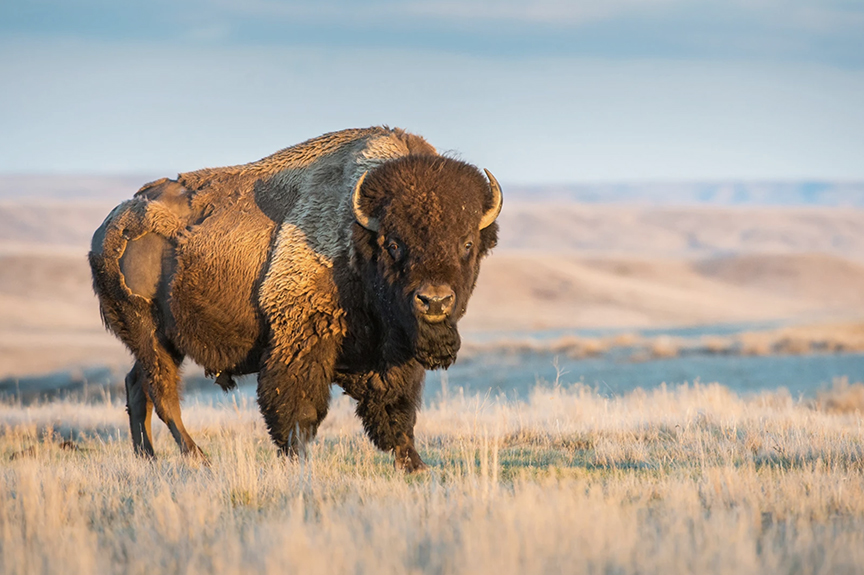
Photo: Shutterstock
American Prairie was founded in 2001. Its stated mission is to assemble and restore a large, connected prairie ecosystem in north-central Montana by purchasing private land from willing sellers and linking those properties with surrounding public lands. The long-term vision is ecological restoration at scale, including the return of native species such as bison and the reestablishment of functioning grassland systems.
Beyond restoration, American Prairie emphasizes public access and hunting opportunities. The organization states that much of its deeded land is open for public recreation under posted guidelines and that the public may cross certain properties to reach adjacent public land.
It participates in Montana Fish, Wildlife and Parks’ Block Management Program and administers drawing-based hunting opportunities on some properties. The organization reports that more than 82,000 acres of its deeded land are enrolled in Block Management, allowing public hunting under state oversight. It also conducts managed public bison harvests as part of herd health and population management.
Access issues
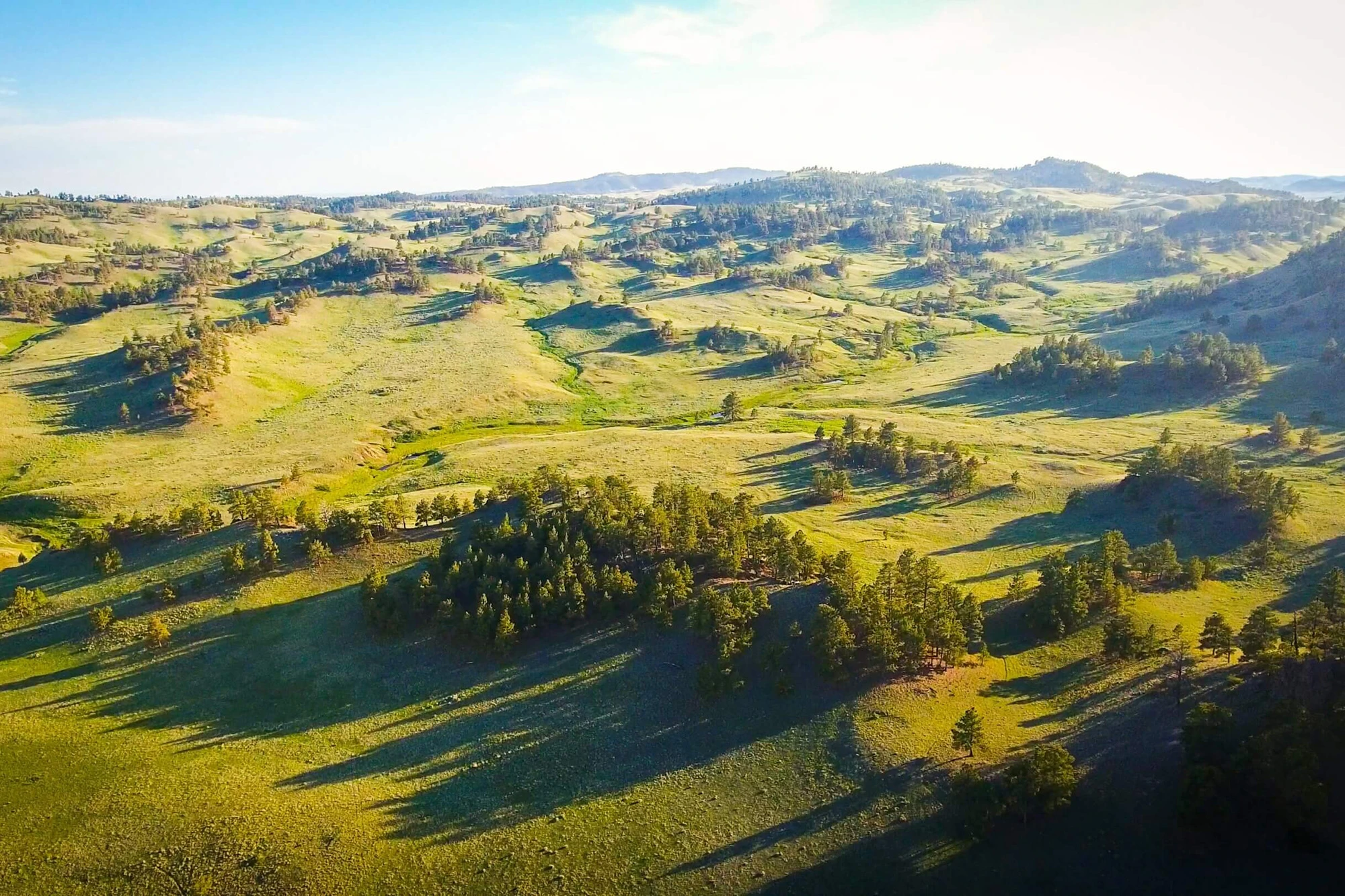
Anchor Ranch. Photo: AP
Ground still grazed by local cattle
The current battle
The Taylor Grazing Act
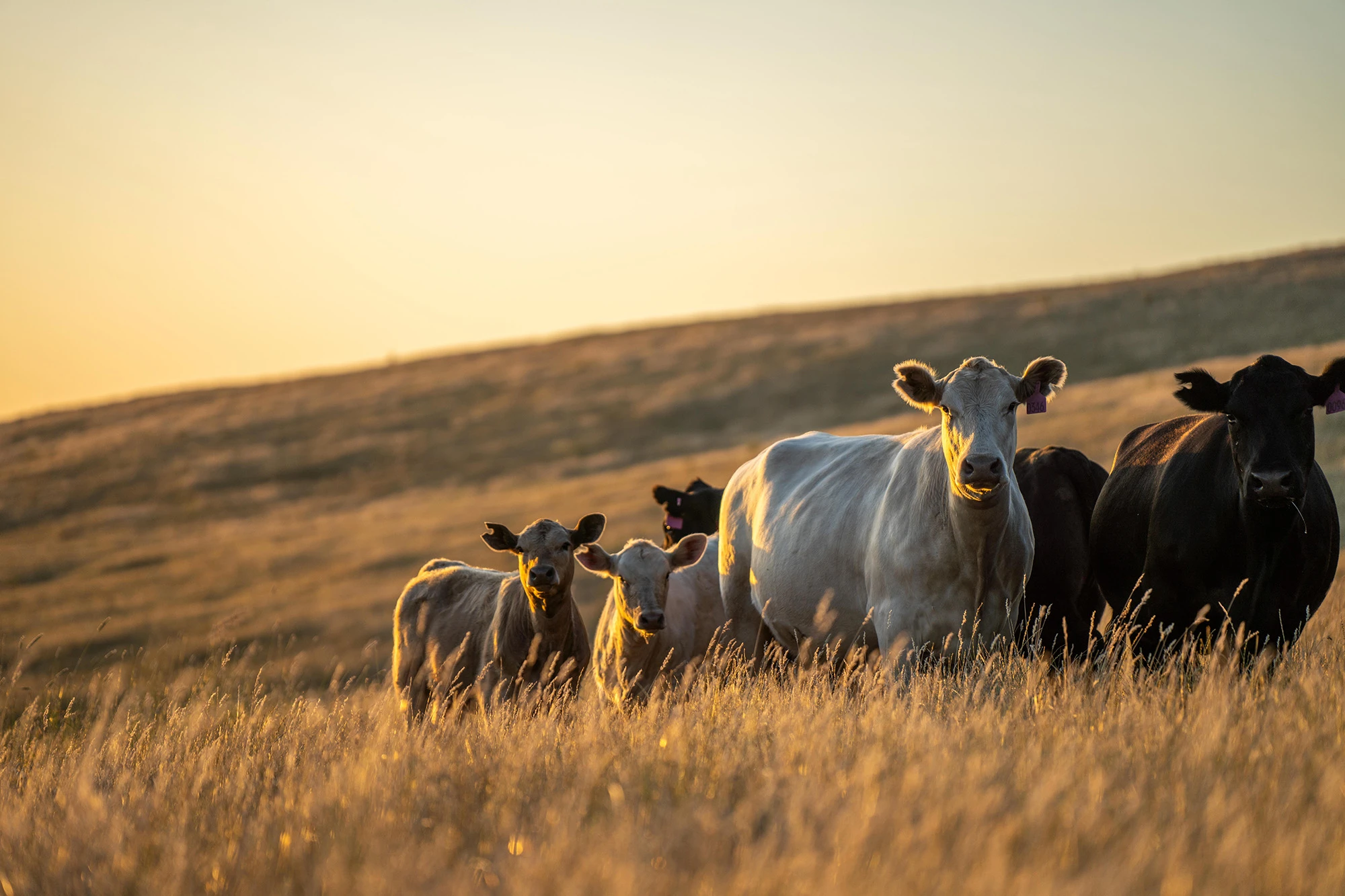
Photo: Shutterstock
What BLM says
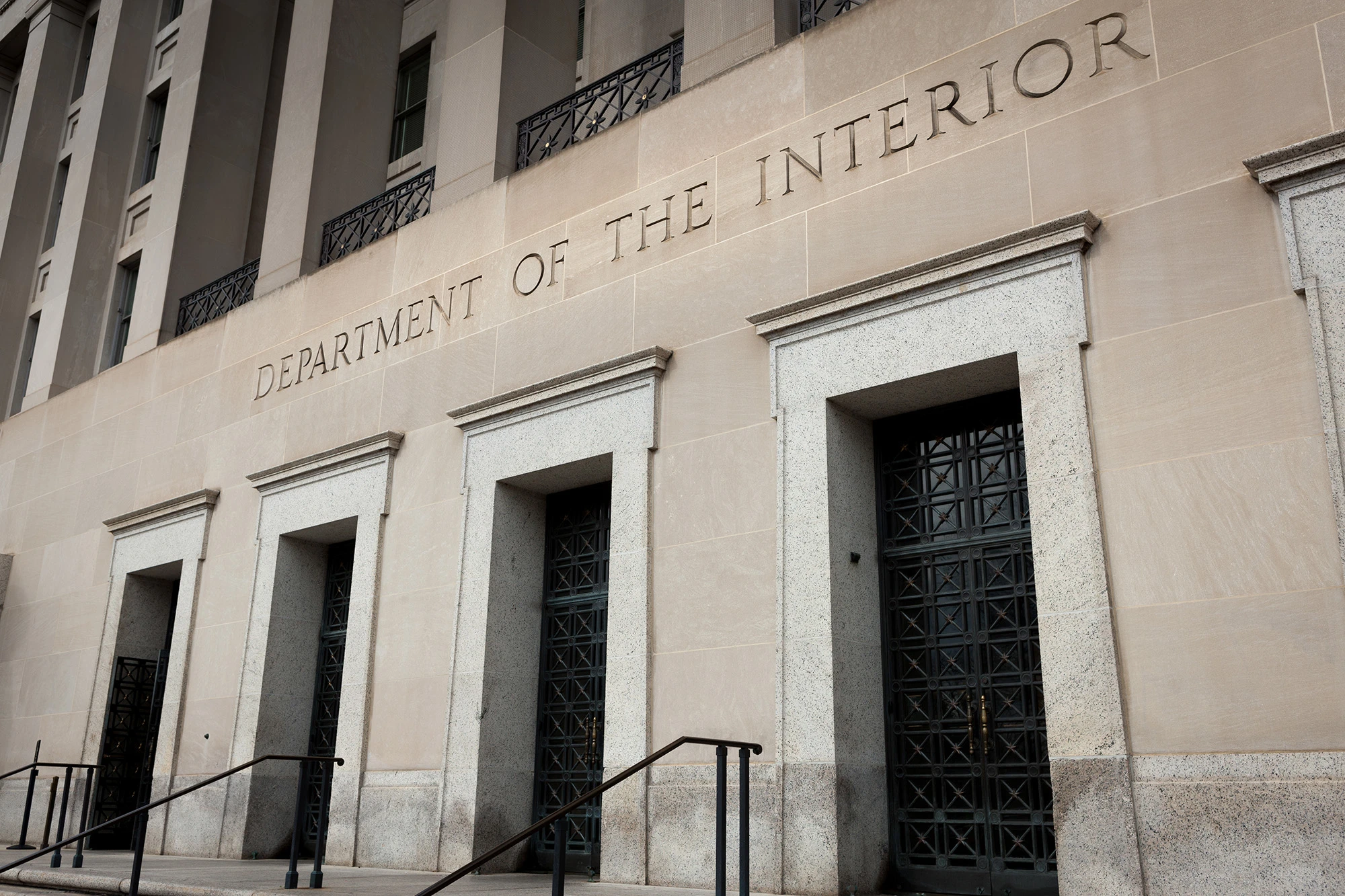
Photo: Shutterstock
What American Prairie and allies say
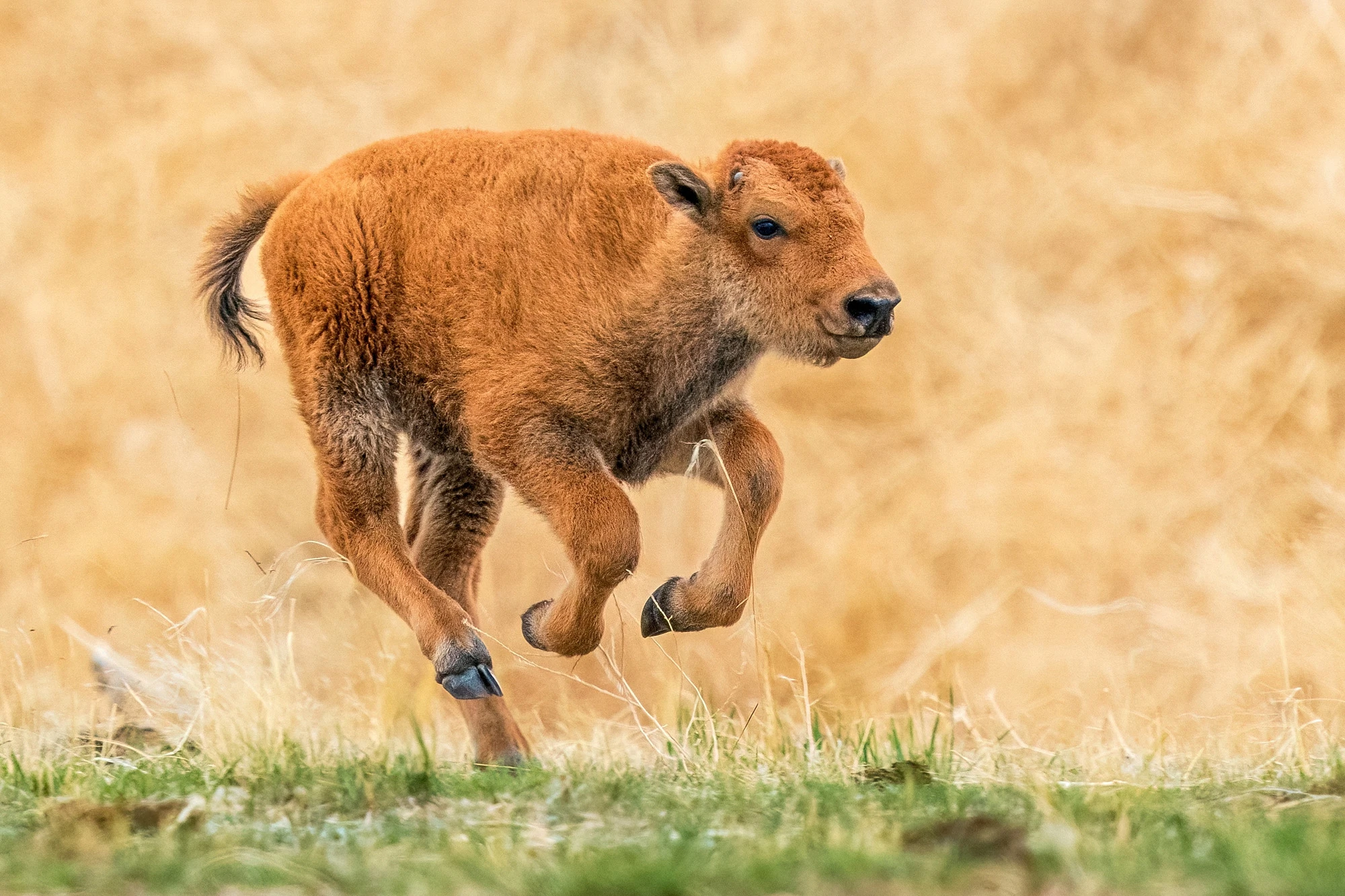
Photo: Shutterstock
Why it matters
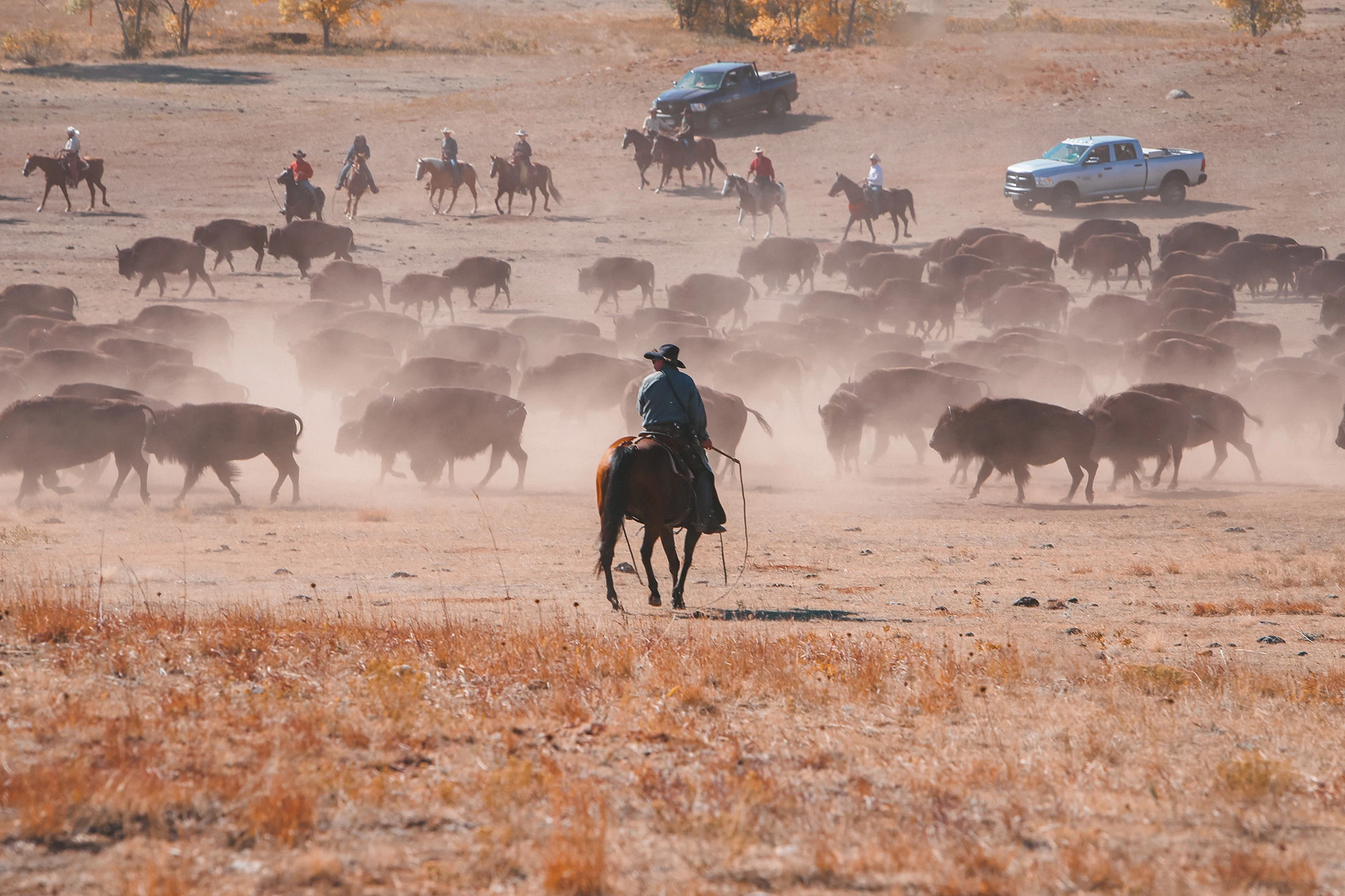
Photo: Shutterstock
What comes next
Political undercurrent
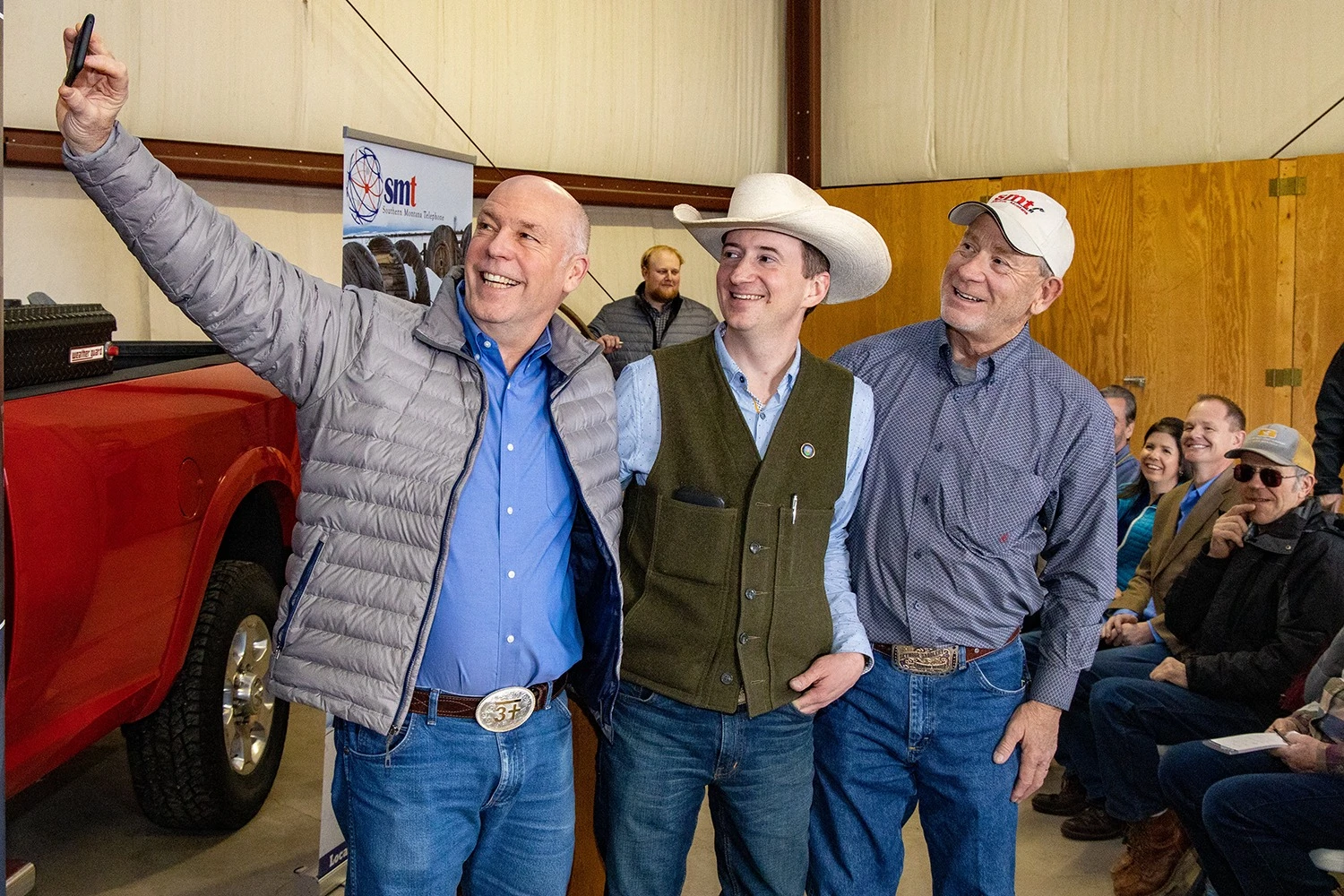
Greg Gianforte, left, takes a selfie with Montana’s USDA State Director Charles Robinson and Southern Montana Telephone Company owner Bob Helming. Photo: USDA
A line drawn
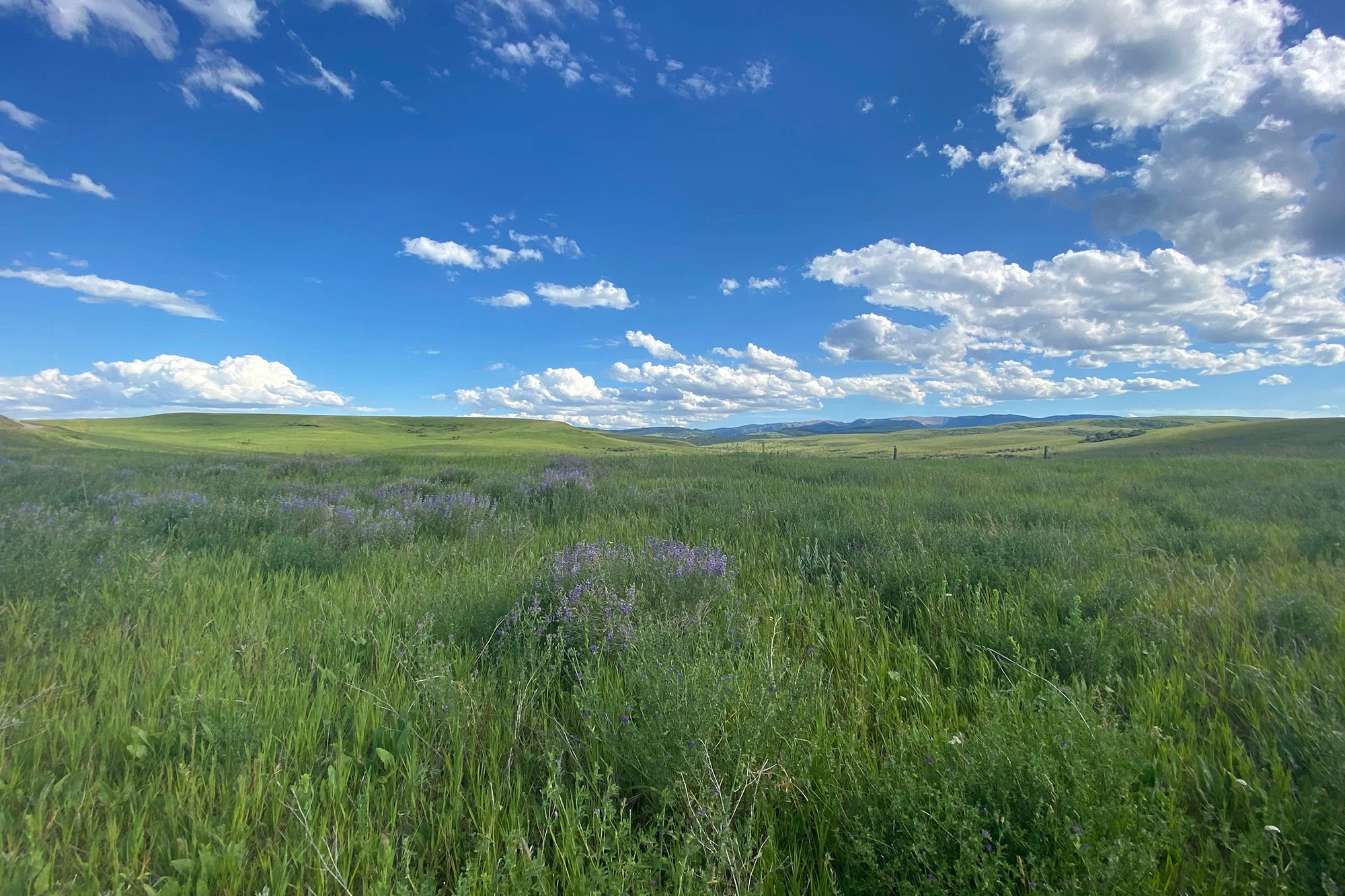
A central Montana spring landscape. Photo: Shutterstock
With my own eyes
This story first appeared on GearJunkie.