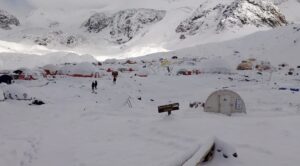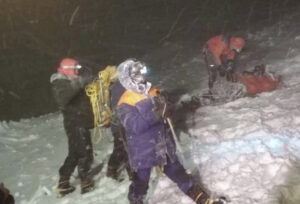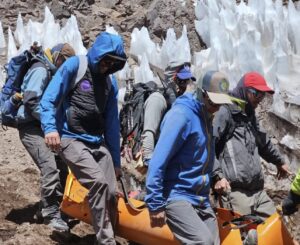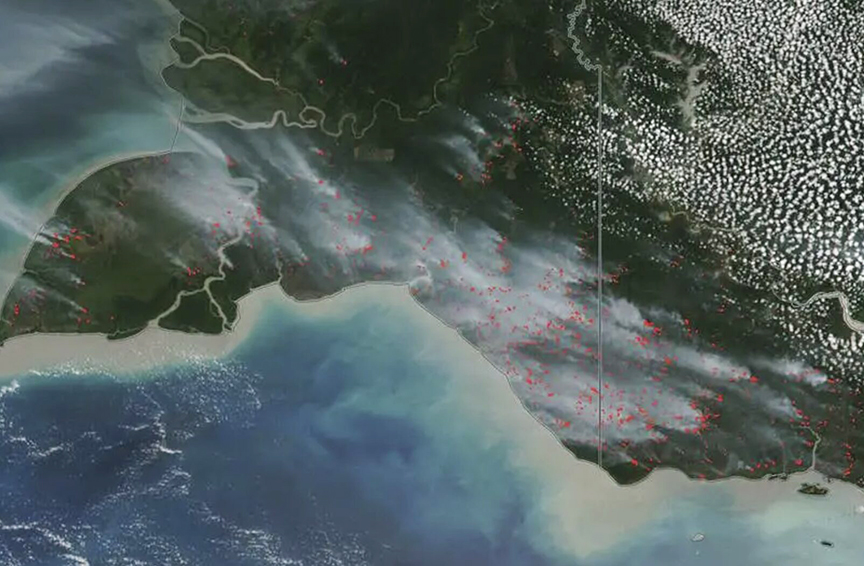
All around the world, natural disasters are hampering climbing expeditions. The latest case is a series of uncontrolled wildfires in Papua that have doomed the fall climbing season on Carstenz Pyramid.
The region is facing severe, widespread forest fires that have blanketed the island in a persistent thick haze. The air quality and visibility have reached levels that make transportation, logistics, and climbing operations impossible, according to local outfitter Tropic Adventure Papua. Apparently, the effects of the El Niño phenomenon, known this year as the Super Niño due to its extraordinary intensity, are to blame. It has brought a prolonged drought and extremely dry air, diminishing hope for the rain needed to extinguish the fires.
By the time the situation became unbearable, the first groups of foreign climbers had reached Timika in Papua, but no one made it to the top during this season, which is now officially canceled.
Outfitters have already shared the news with their clients and are now placing their hopes in 2027.
“Our thoughts are with the local communities affected, and we’re hoping the fires are brought under control soon,” Garrett Madison posted on social media. Instead, they have set the dates for next year, with two trips in March and October.
Papua on fire
Tragically, the situation in Papua is only a fraction of a major environmental catastrophe. Wildfires are sweeping through the Indonesian archipelago and affecting Malaysia and Singapore:
The harm caused to the fragile Indonesian ecosystem is incalculable. In recent days, a viral video of a young orangutan rescued from a treetop where it tried to escape with burned hands and feet has drawn attention to the disaster. In fact, a significant number of primates were evacuated by rescue services in Borneo. Some of them were returned to the forests as the fire receded last weekend, according to the BBC.
The intensity of the fires in Papua and the air quality can be tracked live here.
Oceania’s highest summit
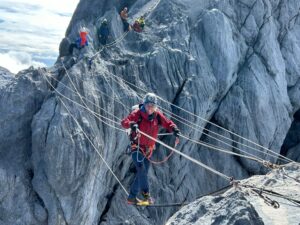
At 4,884m, Carstenz Pyramid (Puncak Jaya in the local language) is the highest point of Oceania and considered one of the Seven Summits. Located in Central Papua, and with a tropical climate, Carstenz can be climbed at any time of year. However, summit options increase in the less rainy months, from February through November.
Outfitters apply for permits twice a year. Political unrest has often kept climbers away in the past, and major mining operations limit ground access. Climbers are typically airlifted to Base Camp instead of trekking through the jungle.