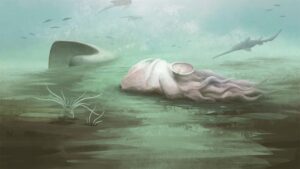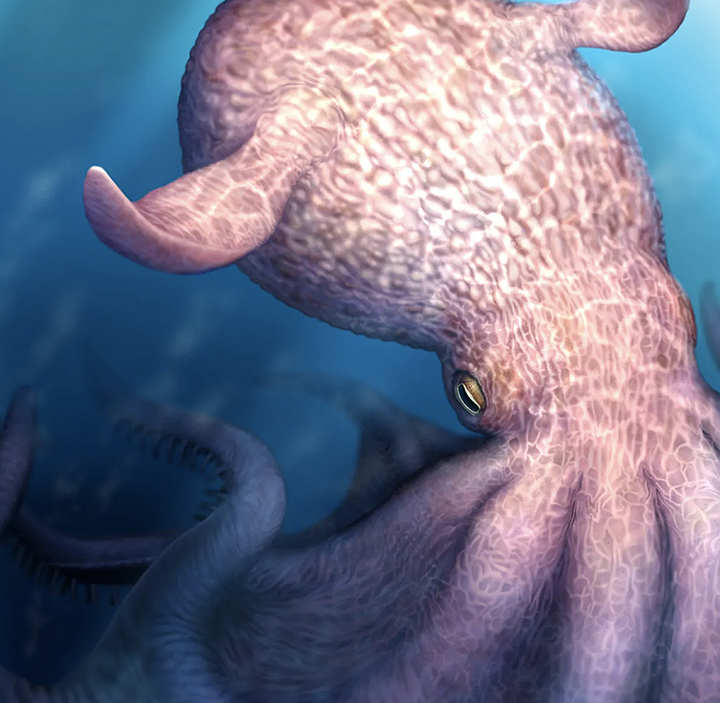
Scientists have found fossils of giant “kraken” octopuses that dominated primeval oceans and may have reached almost the size of an 18-wheeler.
A study published yesterday in the journal Science ranks these eight-armed, finned octopuses as possibly the largest invertebrates ever to live. By comparison, the modern giant squid that spawned many past sea monster legends is just over half the size.
The name kraken comes from a sea monster, first described in the 17th century, that could purportedly swallow ships. It was supposedly based on that giant squid. Although these newly found fossil krakens lived during the Cretaceous period, 66 to 145 million years ago, they were — unlike their much smaller cousins — theoretically big enough to have brought down a ship.
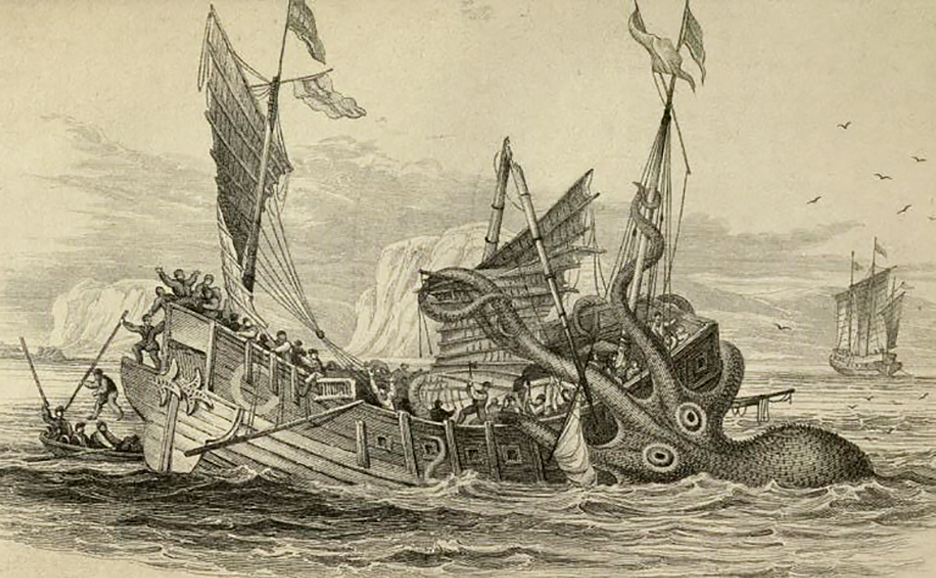
A legendary kraken engulfs a ship.
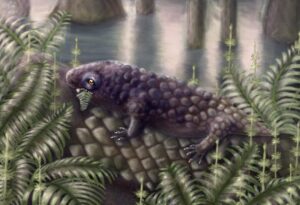
Not only were these real-life krakens the largest octopuses ever, but they overturn the theory that vertebrates ruled the Cretaceous seas. It would be hard even for the remaining oceanic dinosaurs to compete with an intelligent 19m predator.
The creatures used their formidable beaks to crush hard-shelled prey. Because octopuses are mostly soft-bodied, the beak is the only part of the kraken octopus that survives as a fossil. The size of the kraken was extrapolated from several such ancient beaks.