From her hospital bed in Norway, Hannah Hughes of Whistler, British Columbia, admits she’s lucky to be alive.
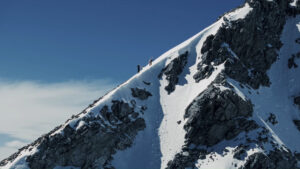
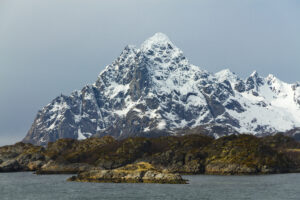
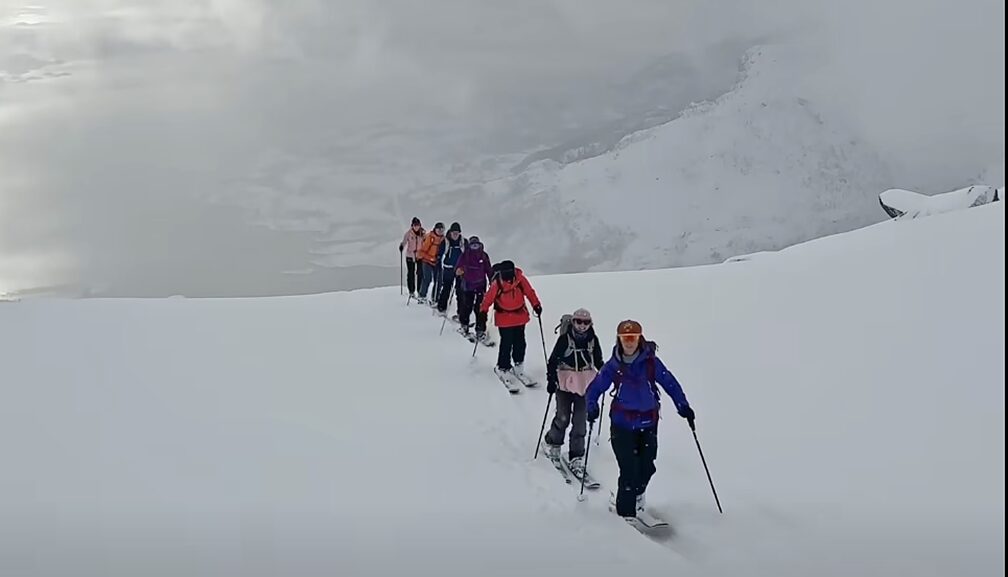
On March 4, the massage therapist, keen skier and mountain biker, was on a guided ski tour in the remote Lofoten Islands near Trollfjord. The snow conditions above where her group was skiing worried her. Experienced in the backcountry but not a professional avalanche forecaster or skier, she raised her concerns with her guide, who assured her it would be okay. It was not.
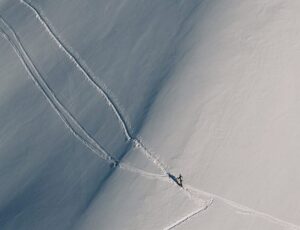
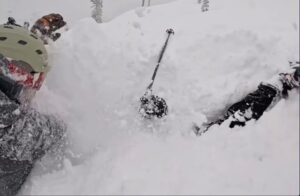
Her partner suddenly yelled, “Avalanche!” It caught and buried her, and swept her 200m down the slope. “I thought, there’s no way I’m surviving this,” says Hughes. “But by some miracle, when the snow stopped moving, and I stopped moving, I could see light, and my head was free, so I could breathe.”
Virtually everyone in the group of 13 was buried to some extent, but most had a hand or face clear and could quickly unbury themselves. Two members were totally buried 1.5 meters down. One was shoveled out and quickly regained consciousness. The other was under for 15 to 20 minutes.
Somehow, still alive
“Realistically, I was expecting that recovery to be of somebody that was dead,” said Hughes. “But again, by some miracle, he [was] alive and injured.”
By now, Hughes had extricated herself and was sitting atop the snow. But she was clearly hurt; she could feel her ankle wobbling inside her ski boot.
Hughes bum slid to the bottom of the hill, and the group worked its way to the center of the lake, away from the runoff path of any future avalanche. A large rescue helicopter came quickly and winched them all aboard. Incredibly, all 13 had survived.
In the hospital, Hughes found that she had a fractured and dislocated ankle and likely also an ACL tear.
Her eight-minute explanation of what happened is striking for its clarity and detail of the avalanche and its aftermath. She regrets not pressing her concerns more forcefully with the guide and hopes her experience will help others avoid a similar close call.