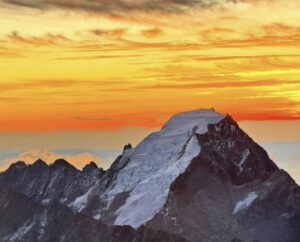
Peak climbing season on 6,961m Aconcagua has begun, and the first death has already occurred.
We spoke to one of the medical directors at Extreme Medicine, the official medical service on the mountain.
“This season is very dry and cold, two factors that increase medical issues at altitude,” Dr. Bernabe Abramor told ExplorersWeb. “The dry, thin air has resulted in several cases of High Altitude Pulmonary Edema. Over 50 climbers have required evacuation, and one person died: a 55-year-old Russian citizen who suffered sudden death at 6,800m, while he was on the shoulder, close to the summit.”
Abramor also spoke about the conditions on the mountain this season, and the climbers flocking to the highest peak of South America in 2026.
Fewer people, higher fees
First, the number of visitors has decreased significantly this year.
“We estimate 30% less than last year,” Abramor said. “According to reservations, the next two weeks will be the busiest, but then the number of climbers will decrease in February.”

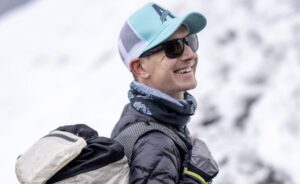
Dr. Bernabe Abramor at Acongagua Base Camp. Photo: Extreme Medicine
Climbing permits, entrance, and trekking fees have increased since last year, but not alarmingly. Foreign climbers (those from outside Latin America) have to pay $1,640 to climb without a local guide from Valle de Horcones, compared to the $1,400 required last season. The same fee in 2023-2024 was $1,300.
Other fees have experienced an equivalent increase. Check the current prices here.
Aconcagua National Park has implemented a new set of regulations to address environmental issues and animal welfare, and added higher liabilities for outfitters, which may have increased prices for guided expeditions.
The climbing season on Aconcagua starts in November and continues through the Southern Hemisphere’s summer until the end of February or the first week of March.
Victim tested normal
Fewer climbers have not meant less work for the medical team.
The Extreme Medicine team routinely does a basic medical check on all arriving climbers in their field clinic at Plaza de Mulas. Abramov noted that the climber who perished on the mountain, Konstantin Bitiukov, was also checked and seemed normal. Bitiukov suffered a sudden cardiorespiratory arrest. His guide called for help, and a team of rescuers and park rangers flew immediately to him. They tried CPR for 20 minutes, but it was unsuccessful, El Litoral reported.
The beginning of the season was also extraordinarily cold. “We had several cases of serious frostbite at the beginning of the season,” Abramov said. “Conditions are milder now.”
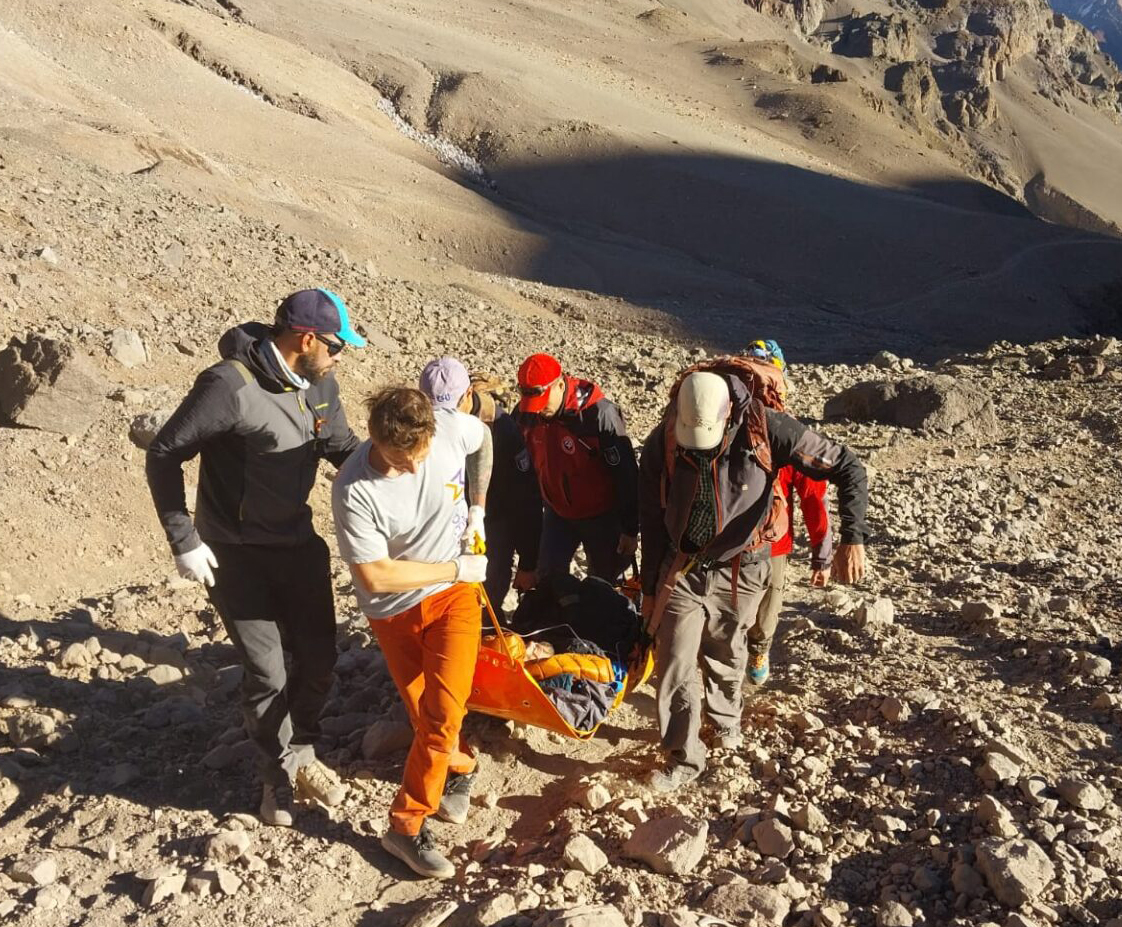
Moving a patient on the scree slopes of Aconcagua. Photo: Extreme Medicine
Medical posts along the route
The Extreme Medicine team has aid posts and field clinics at several points on Aconcagua. Those approaching from Quebrada de Orcones will find posts at Confluencia (3,400m) and Plaza de Mulas (4,370m). In Quebrada de Vacas, they are at Plaza Argentina (4,200m).
In addition, Extreme Medicine has a high-altitude advanced post at 5,560m Nido de Condores, the usual Camp 2 on the normal route of Aconcagua. This is the highest medical facility in the world, even higher than the Himalayan Rescue Association’s medical tent at Everest Base Camp.
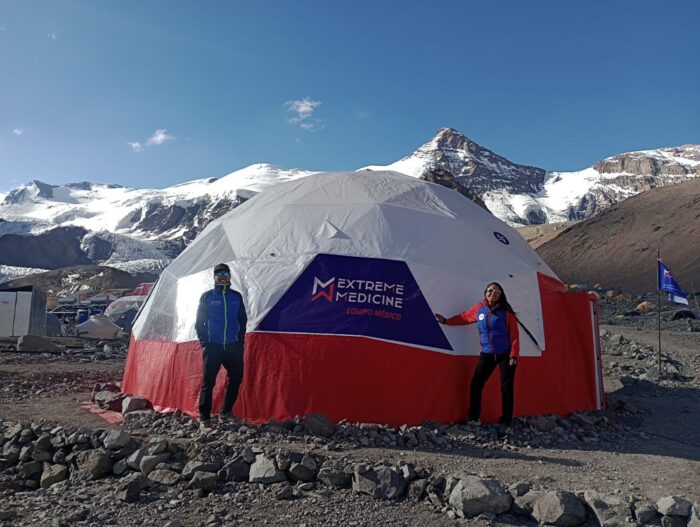
One of the medical dome tents on Aconcagua. Photo: Extreme Medicine