When we’re not outdoors, we get our adventure fix by exploring social media and the web. Here are some of the best adventure links we’ve discovered this week,
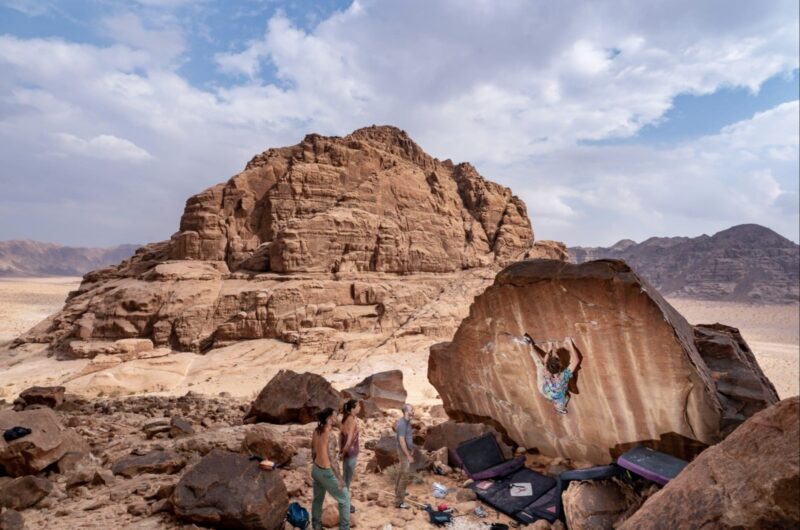
Bouldering in the Jordanian Desert: Jordan’s Wadi Rum has been a climbing destination for decades. There are over 600 multi-pitch climbs at the UNESCO World Heritage Site, but it is also a rising bouldering hotspot. The wind has sculpted the sandstone into an otherworldly playground of prisms, cubes, and diamonds.
Local climber Faisal Al Rifai has been systematically documenting and mapping as many boulders as he can. So far, he has recorded almost 150 boulder problems, ranging from V0 to V12.
The Indigenous Tribes Reclaiming Travel: Native and First Nations communities across North America are reviving their ancestral paths by turning them into biking, hiking, paddling, and rafting routes. The Ponca Tribe has transformed trails like the Chief Standing Bear Trail in Nebraska into routes where visitors can learn indigenous history through signage and storytelling.
Elsewhere, groups like the Coeur d’Alene Tribe and the Hualapai Nation are offering culturally led hikes, canoe trips, and guided tours, reclaiming their land, heritage, and narrative.
Ghost nets
Retrieving ‘Ghost Gear’ From Forgotten Shipwrecks: Ghost Diving USA’s divers are all volunteers. These divers spend their spare time removing fishing nets that are entangled with sunken wrecks.
Nikolai Barkats joined them as they headed to the Jenny Lynne, a ship off the coast of California. As the divers descend 45m under the surface, Barkats helps collect the bright orange sacks they’re filling with abandoned fishing gear.
Trapped in Ice: In 2008, a team launched a renewed search for the HMS Erebus and HMS Terror, two ships from the doomed Franklin expedition lost for nearly 200 years. After searching thousands of square meters of ocean, they found one ship in 2014 and the other in 2016.
Arctic conditions preserved the wrecks remarkably well, but ice covers the two sites for most of the year. So, for just a few weeks each year — with the freezing water just above 0°C — there is a narrow window for a team of marine archaeologists to piece together what happened.
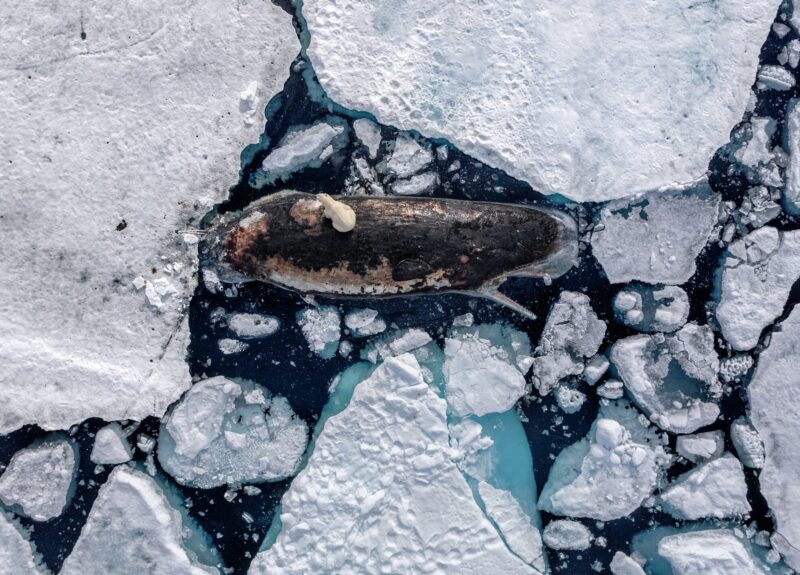
Dinner on Ice. Photo: Roie Galitz/National Geographic
Nat Geo’s best photos of 2025
National Geographic Pictures of the Year: Each year, National Geographic photographers snap thousands of images around the globe. They range from a polar bear feasting atop a dead sperm whale trapped in the Arctic ice to the first underwater photo of a great white shark off Maine to a portrait of the King of the Luchazi people. This is their selection of the 25 photos that have moved and inspired them the most in 2025.
Five Questions With a Solo Bikepacker: Julia Esser is bikepacking alone from Colombia to Argentina. Starting in early 2025, she’s already covered nearly 8,000km, survived three dog attacks, a bout of dengue fever, and shoulder bursitis. Here she discusses her love of cycling, the weirdest places she’s slept, and the hardest parts of the trip.
The Scottish Highlands
The Last Wilderness of Scotland: After planning their trip during lockdown, Jamie Barnes and Ian Finch set out on a remote canoe-and-portage journey across the Highlands. Their plan was to link Lochs Maree, Fionn, and Fada. With pounding rain, constant wind, midges, and heavy portages across heather bogs, they are forced to reconsider their plans in a place they consider to be the last wilderness in Scotland.
Navigating Military Checkpoints, a 16-Year-Old Map, and Land Mines to Reach the Crag: Armed with only a 16-year-old map drawn by a Swiss expat, Fatima Ayoubi navigates military checkpoints, abandoned suburbs, and the threat of land mines to find potential climbing spots in Syria.
In 2024, Ayoubi tried to get to Monte Rosa, a limestone wall that was once a climbing spot. She didn’t get far before a military checkpoint blocked her way. She gathered GPS coordinates and photos, vowing to return. After the downfall of the Assad regime, Ayoubi teamed up with other Syrian climbers to scale the long-forgotten crag and help develop a new climbing community in Syria.