When we’re not outdoors, we get our adventure fix by exploring social media and the web. Here are some of the best adventure links we’ve discovered this week.
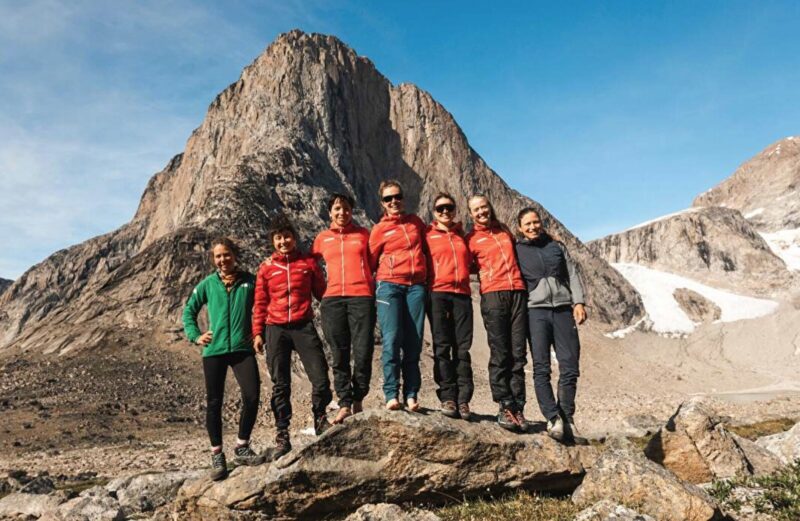
All-Female Expedition Opens New Routes in Greenland: This past July, a women-only Swiss Alpine Club expedition ventured into Greenland’s remote Graah and Skjoldungen Fiords. After days of traveling, eight women arrived at the fiords. Over the next few weeks, they sought potential first ascents and successfully established several new climbing routes.
False Summits Apply to More than Mountains: Jim Clash argues that a “false summit” represents more than a point that looks like the top but isn’t. It has become a metaphor for how adventure, achievements, and records are often exaggerated to make the individual feel good about themselves or to sell something.
Staff on luxurious cruises to Antarctica call the journeys “expeditions” to make the rich clientele feel special. Tourists taking brief suborbital rides are dubbed astronauts. People need to be honest about what they have done and realize that adventure tourism is not the same as being an adventurer.
Honnold Explains
Alex Honnold Answers Rock Climbing Questions: Famed free soloist Alex Honnold sits down to answer a range of questions about climbing. The queries range from whether he climbs with a phone to who his role models are to climbing Yosemite’s El Capitan.
How Did the C.I.A. Lose a Nuclear Device?: When China detonated an atomic bomb, the CIA launched a secret Cold War mission. In 1965, the U.S. and India enlisted a team of elite climbers to carry a nuclear-powered surveillance device up Nanda Devi in the Himalaya.
They wanted to monitor China and spy on their missile and nuclear tests. A blizzard forced the team to abandon the plutonium-fueled generator high on the mountain. When they returned the next season, the device had vanished.
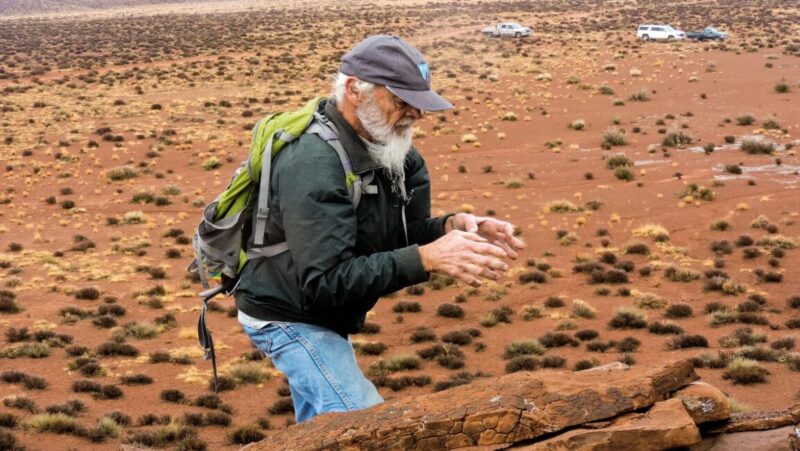
Artist and wilderness guide Joe Pachak vanished in November. Photo: Lin Ostler
A strange disappearance
Inside the Disappearance of Wilderness Guide Joe Pachak: When 75-year-old Utah guide and artist Joe Pachak vanished at the end of November, his disappearance shocked his close-knit desert community. He had left behind his keys, wallet, phone, and a full cup of coffee.
There was an extensive search involving drones, scent dogs, and drained ponds. A search team eventually recovered his remains from a pond on Pachak’s property.
Musandam: Fiords, Headlands, and Seas of Change: Musandam, Oman, is one of the most striking sea-kayaking destinations in the Middle East. With fiord-like inlets, cliffs, islands, and an abundance of marine life, there is plenty for paddlers to explore. Kristoffer Vandbakk describes his five-day paddling trip around Khor as Sham and the Strait of Hormuz.
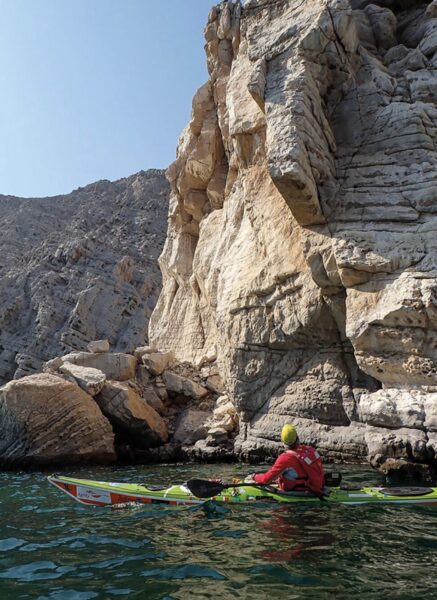
Paddling in the fiords of Oman. Photo: Kristoffer Vandbakk
Gender differences in climbing
Do Men Climb More ‘Bravely’ Than Women?: Bravery in climbing is often linked with danger and risk. The more visible the difficulty of the climb, the braver the climber is thought to be. We often overlook quieter and more subjective experiences of fear and courage, such as confronting personal fears, admitting vulnerability, or seeking help.
Generally speaking, men are often more comfortable taking on a challenging climb than they are admitting their vulnerabilities, an area in which women seem to be more comfortable. Because of this, the idea of bravery in climbing is often linked to gender. This author argues that these broader, less celebrated forms of bravery are just as real and that expanding our definition of courage in climbing is essential.
These Travel Influencers Don’t Want Freebies. They’re AI: Businesses are increasingly turning to AI-created influencers. For a range of price points, synthetic digital personalities are designed to promote destinations and experiences online.
Some see them as a cost-effective alternative to actual content creators, others as an additional way to promote their brand. Now, it is raising questions about authenticity and the future of influencers in the tourism industry.