When we’re not outdoors, we get our adventure fix by exploring social media and the web. Here are some of the best adventure links we’ve discovered this week.
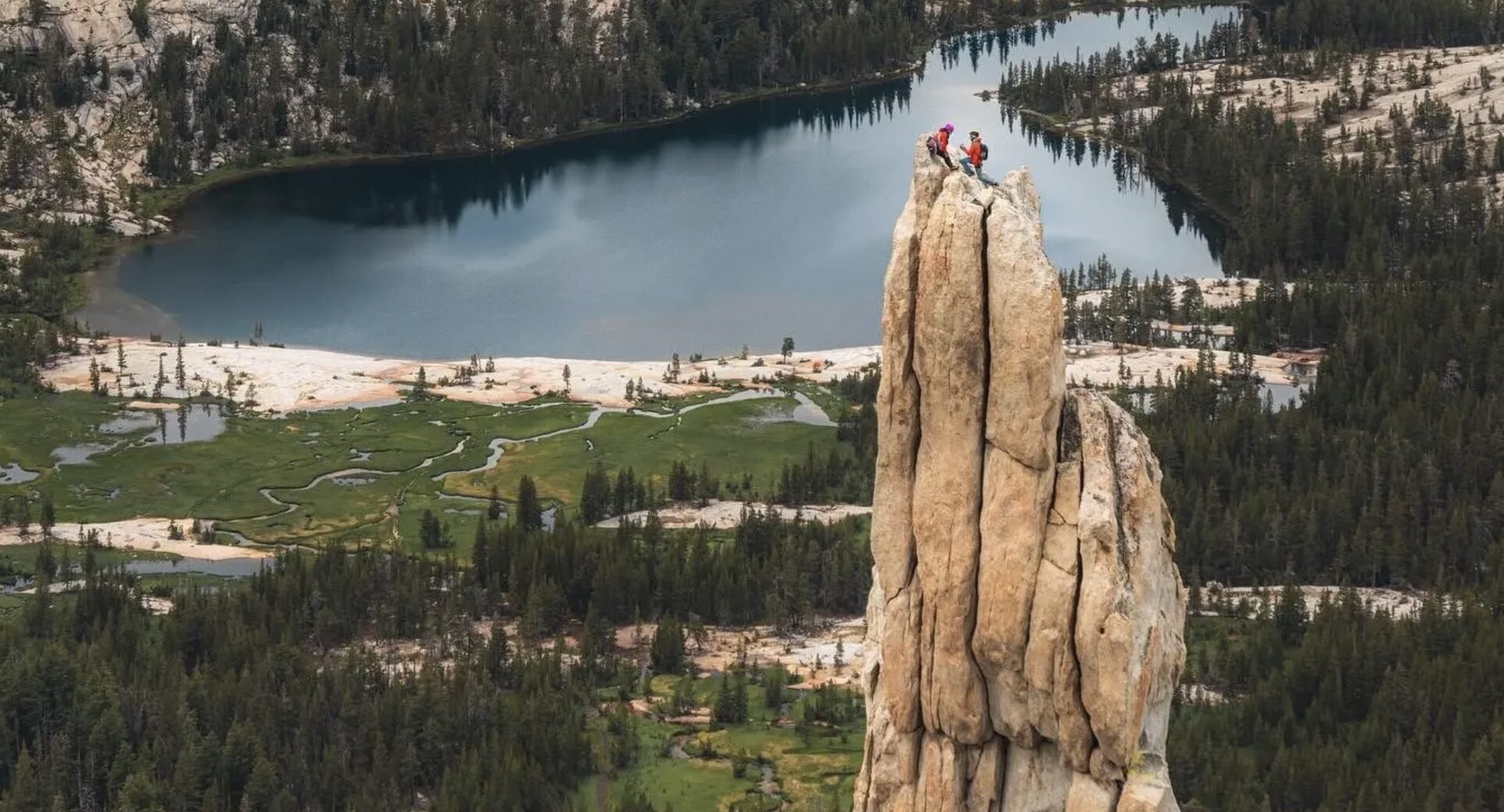
How to Propose on a Summit: For those who spend their free time hauling up rock faces with their other half, it may seem the perfect place to pop the question. For those considering a summit proposal, here is some heartfelt, practical advice from three couples who’ve taken the leap high above the trailhead.
The couples suggest choosing a peak that matches both partners’ abilities, scouting out photo-friendly spots, and factoring in less glamorous logistics, such as pacing, weather, and safety precautions.
The World’s First Professional Ski Bum: Legendary skier, filmmaker, and photographer Gary Bigham has spent over five decades living the ski bum life after moving to Chamonix in the 1970s. Bigham carved out a unique place in ski culture, capturing wild mountain moments on 16mm film and in iconic photos that helped define multiple ski eras. Now in his seventies, he skis daily at Les Grands Montets and prefers chatting about tennis rather than his newly released archive of images.
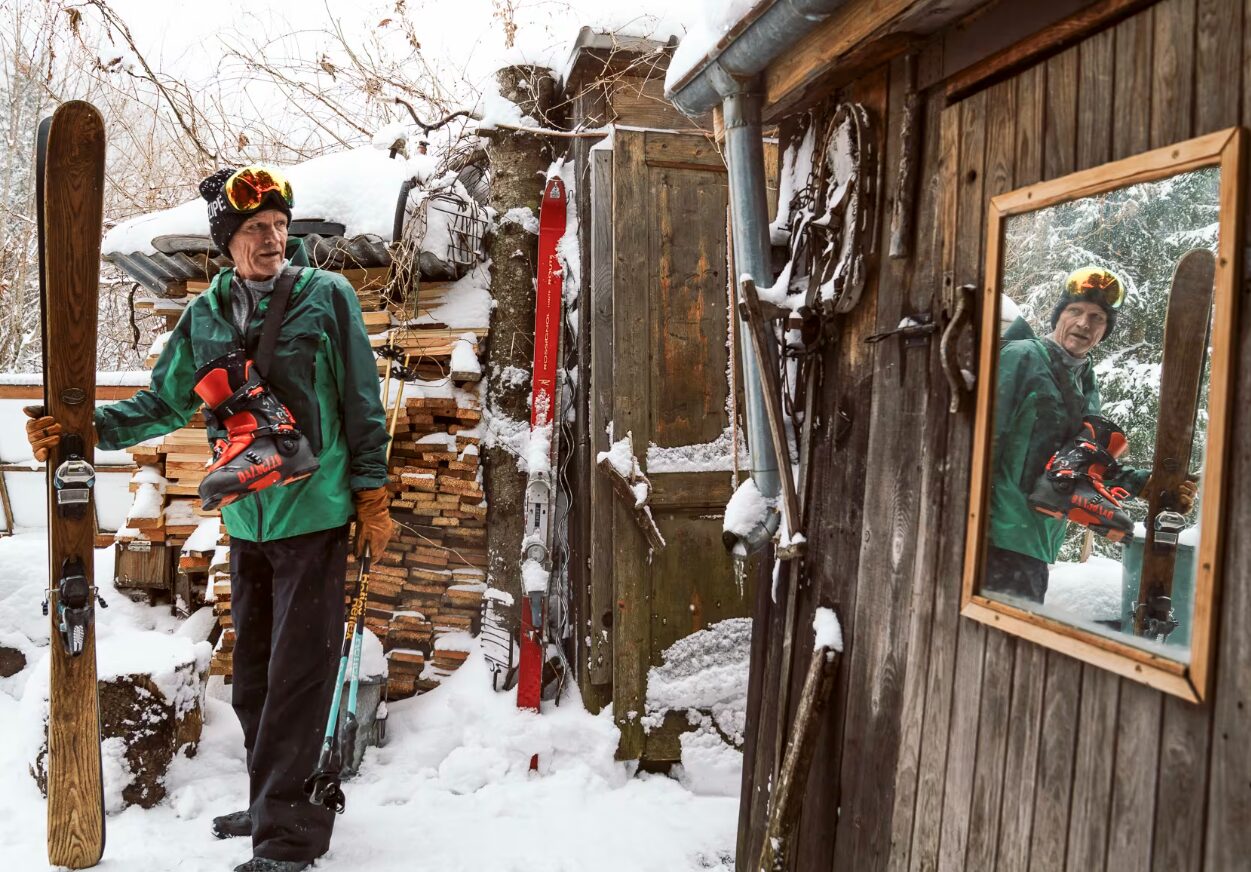
Gary Bigham. Photo: Layla Kerle
Antarctic chef
I’m a Professional Chef in Antarctica: Chef Olivier Hubert discusses his experience cooking for the British Antarctic Survey. After working in Michelin-starred restaurants, he is now living his dream, overseeing catering across five research stations in Antarctica. With just one food delivery a year, Hubert and his team prep hearty, high-calorie meals, bake fresh bread, and even run themed dinner parties to sustain the researchers.
Charting the World’s Polar Bears: The Arctic sea ice is home to 20 sub-populations of polar bears. As the ice melts, some groups remain stable, while others decline rapidly. However, significant data gaps make it difficult for researchers to assess overall trends. Alongside scientific research, indigenous communities are providing insight into how climate change is altering bear behavior and detailing their increasingly common encounters with the animals.
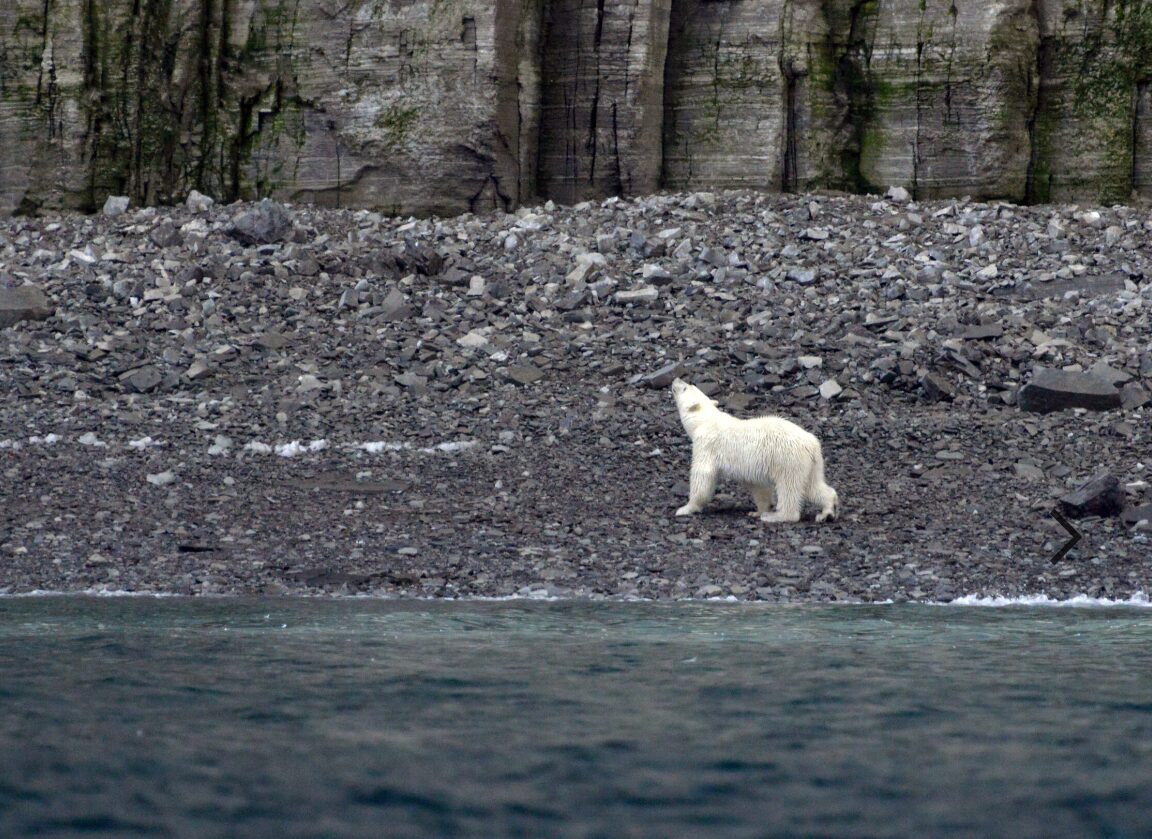
A polar bear prowls the shore of Prince Leopold Island in the Northwest Passage, looking for young birds that have fallen out of cliff nests. Photo: Madigan Cotterill/Can Geo
Trail romance
When Trail Romance Goes Wrong: The editors and contributors at Backpacker recount their hilarious trail-side romantic mishaps, from a snowy late-night proposal that landed someone in a hole, to awkward first date hikes that have a “murdery” twist, to being dumped mid-road trip.
A Stunning Stretch of California’s Rugged Coastline is Now Open to the Public: A section of California’s Sonoma Coast has been opened to the public for the first time in more than a century. The land was previously a private ranch, but the owner sold it to the non-profit Wildlands Conservancy in 2015. After years of building trails, restoring habitats, and securing permits, the public can finally hike, bike, and horseback ride through the area.
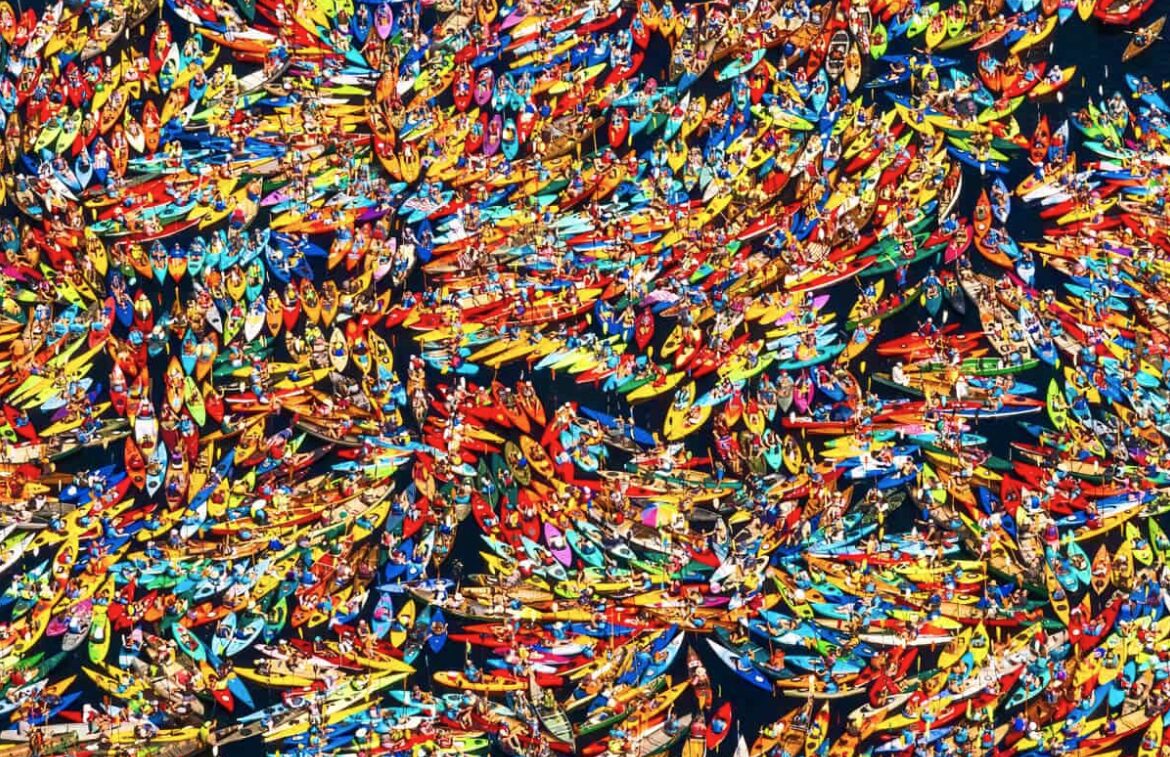
A crowd of hundreds of colorful kayaks. Photo: Kurt Gardner Photography
The cost of kayaking
Is Kayaking Getting Too Expensive?: Tim Shuff reflects on how the rising costs of kayaking — high-priced gear, premium dry suits and safety tech, steep permits, shuttle fees, and campsite charges — are turning what was once an accessible, blue-collar pursuit into an increasingly pricey hobby. He compares his family’s multi-week kayaking trip and children’s summer camps to those he remembers from childhood with community clubs and shared gear.
The Greek Who Reached Britain 1,500 Years Before Modern Travel: Pytheas of Massalia was a Greek explorer in the 4th century BCE. Historians believe he undertook one of the earliest long-distance voyages from the Mediterranean to northern Europe and may have arrived in Britain around 325 BCE.
Pytheas of Massalia’s journey led to the first Greek account of Britain and its people, introducing terms such as “Prettanike” for the British Isles and descriptions of tin trading in Cornwall. Although Pytheas’s writings have been lost, his accounts survive through later scholars.