When we’re not outdoors, we get our adventure fix by exploring social media and the web. Here are some of the best adventure links we’ve discovered this week.
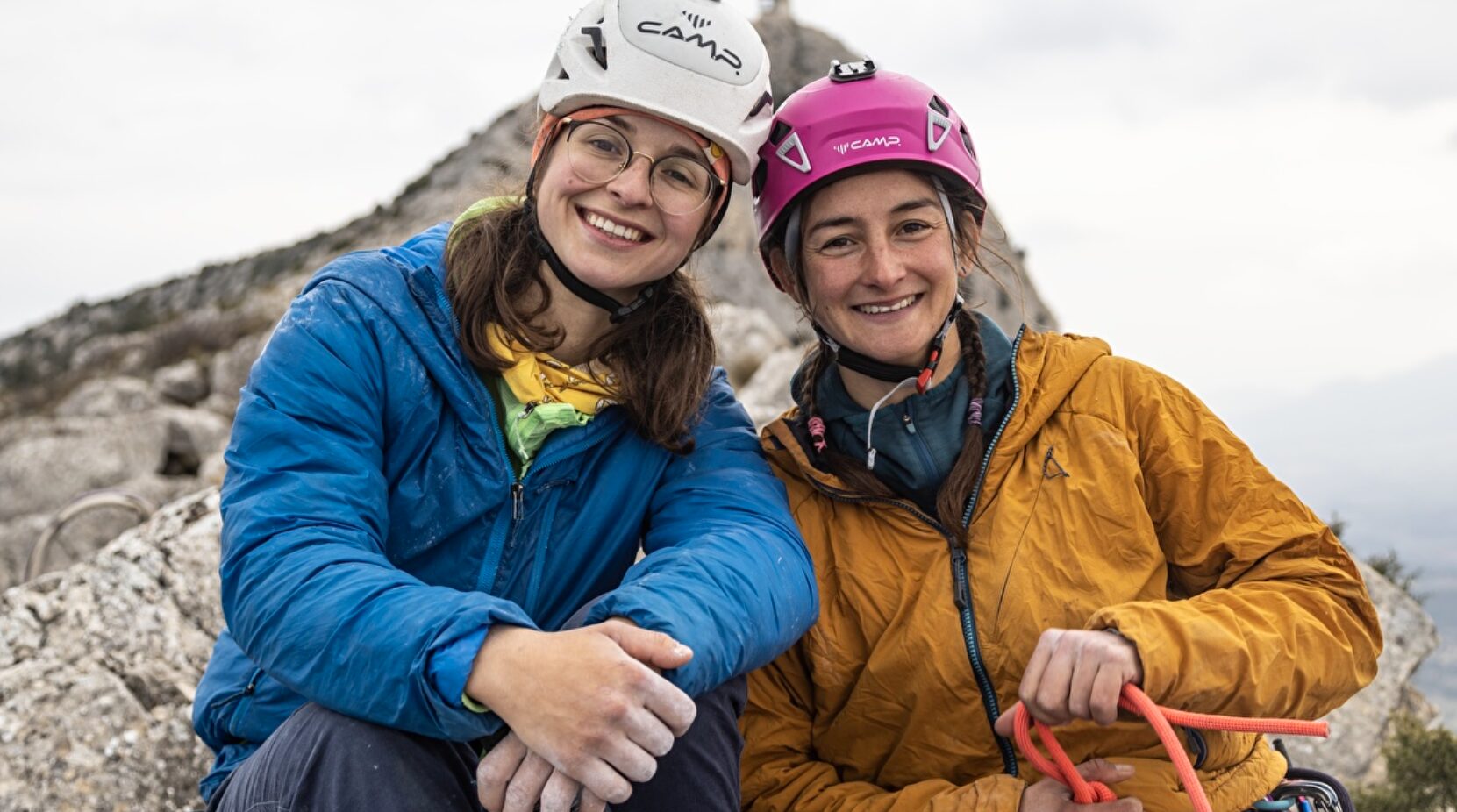
Laura Pineau and Elsa Ponzo Climb 100 Multipitch Routes in 43 Days: This spring, Laura Pineau and Elsa Ponzo set out to climb 100 multipitch routes across Provence in under 50 days. Inspired by a guidebook of the region’s most beautiful routes, and wanting to do something a little different from chasing a female first ascent, they settled on their plan.
Despite illness, exhaustion, and ever-changing weather, they completed a staggering 681 pitches and nearly 18,000m of climbing.
I Was Stalked By a Bear. Here’s What I Did Wrong: Melanie Chambers wanted to test out her first mountain bike. In the 1990s, with no cell phones and no note left behind to say where she was going, she headed off alone into British Columbia’s Chilcotin Mountains.
On the descent, she lost control, slammed on the brakes, and flew over the handlebars. With a broken collarbone, bleeding head, and blurred vision, she realized there was a bear 20m away, watching her. The bike crash spirals into a night-long ordeal with the brown bear quietly tracking her movements through the forest.
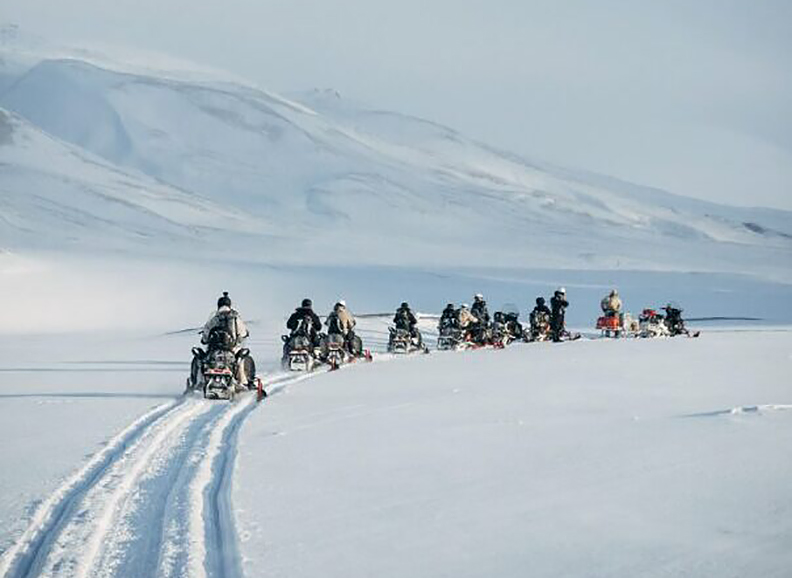
Photo: Graeme Gaughan and Hallvard Kolltveit
A balloon disaster, revisited
Cold Camping in Svalbard: Steph Pomphrey joins an expedition to cold camp in High Arctic Svalbard. With temperatures dropping to -25°C, the group uses the extreme environment as a testing ground for new gear and to better understand one of the most rapidly changing landscapes on the planet.
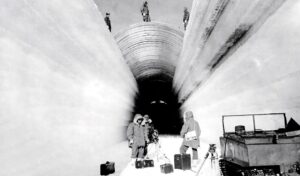
The Daredevil in the Balloon: In 1897, Salomon August Andree was trying to do the same as many other explorers — reach the North Pole. Rather than using a sled or ship, he decided to use a hydrogen balloon of his own design.
Setting off from Danes Island with two others, the mission began to unravel almost immediately after they launched. The ropes pulled the basket into the water and then tore loose. Having already used a significant amount of ballast to gain attitude, losing the ropes left the craft so light that it became uncontrollable. They drifted into the Arctic sky and were never seen again.
Decades later, their bodies were found, alongside diaries and hundreds of undeveloped photos, finally piecing together what happened to them.
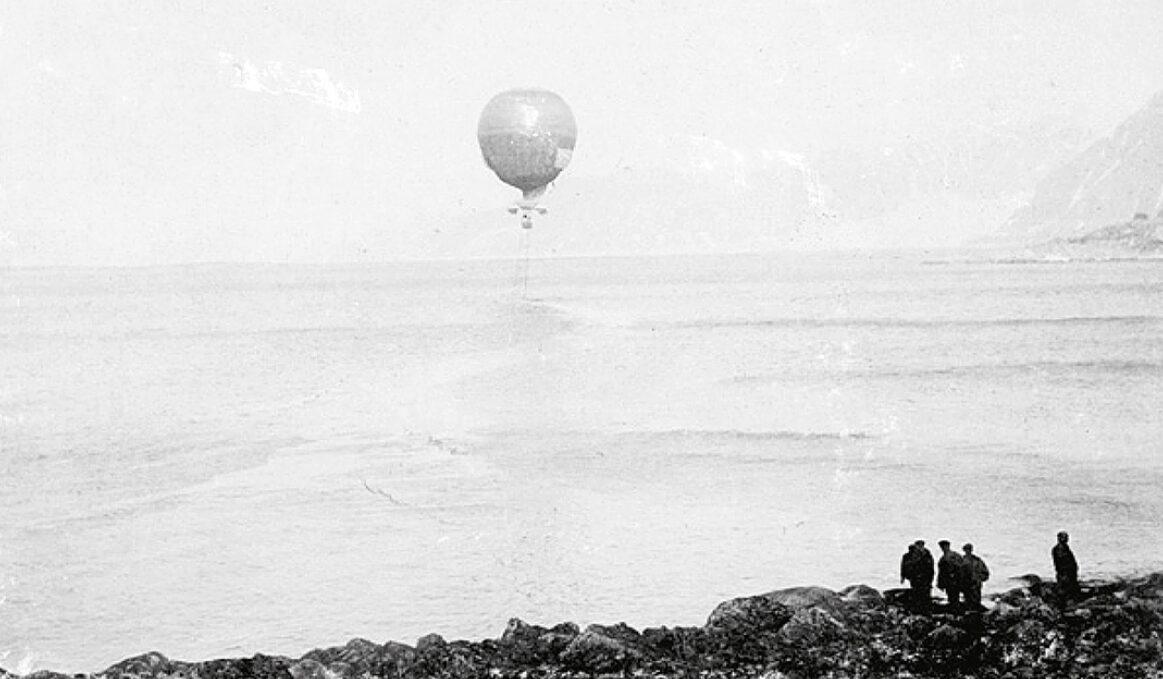
Andree’s balloon leaves for the North Pole on July 11, 1897. Photo: Andréemuseet, Gränna, Sweden
Lost lives
Surfers in Gaza Have Lost Homes, Lives, Friends, and Nearly All Their Boards: After over two years of war, Gaza’s small surfing community has almost ceased to exist. Matt Olsen, who founded the Gaza Surf Club in 2008, has tried to stay in touch with its members since the war began. Many have been killed or injured, all have lost family members, their homes have been destroyed, and their livelihoods have been devastated.
Only a few have risked getting back into the water during ceasefires, swimming and fishing are prohibited, and Israeli warships sit off the coast. Most live in tents on the beach, unable to leave or earn a living. Surfing is now a distant hope rather than their daily reality.
Walking the Swiss Alps’ Wildest Trail: David Myers recalls his traverse of the Alpenpässe-Weg, a little-known 695km trail across the Swiss Alps. After a few punishing days, he was convinced the trail was designed to be deliberately punishing. Crossing over 40 high mountain passes, the route weaves around, at some points looping back so you find yourself only kilometers from where you were days before.
Beginning with a steep climb above Lake Geneva, the journey is a stunning but relentless cycle of ascents and descents through remote mountains. By the last few days, Myers was bewitched by the trail and found himself embracing the ancient routes that connected different valleys, cultures, and communities.
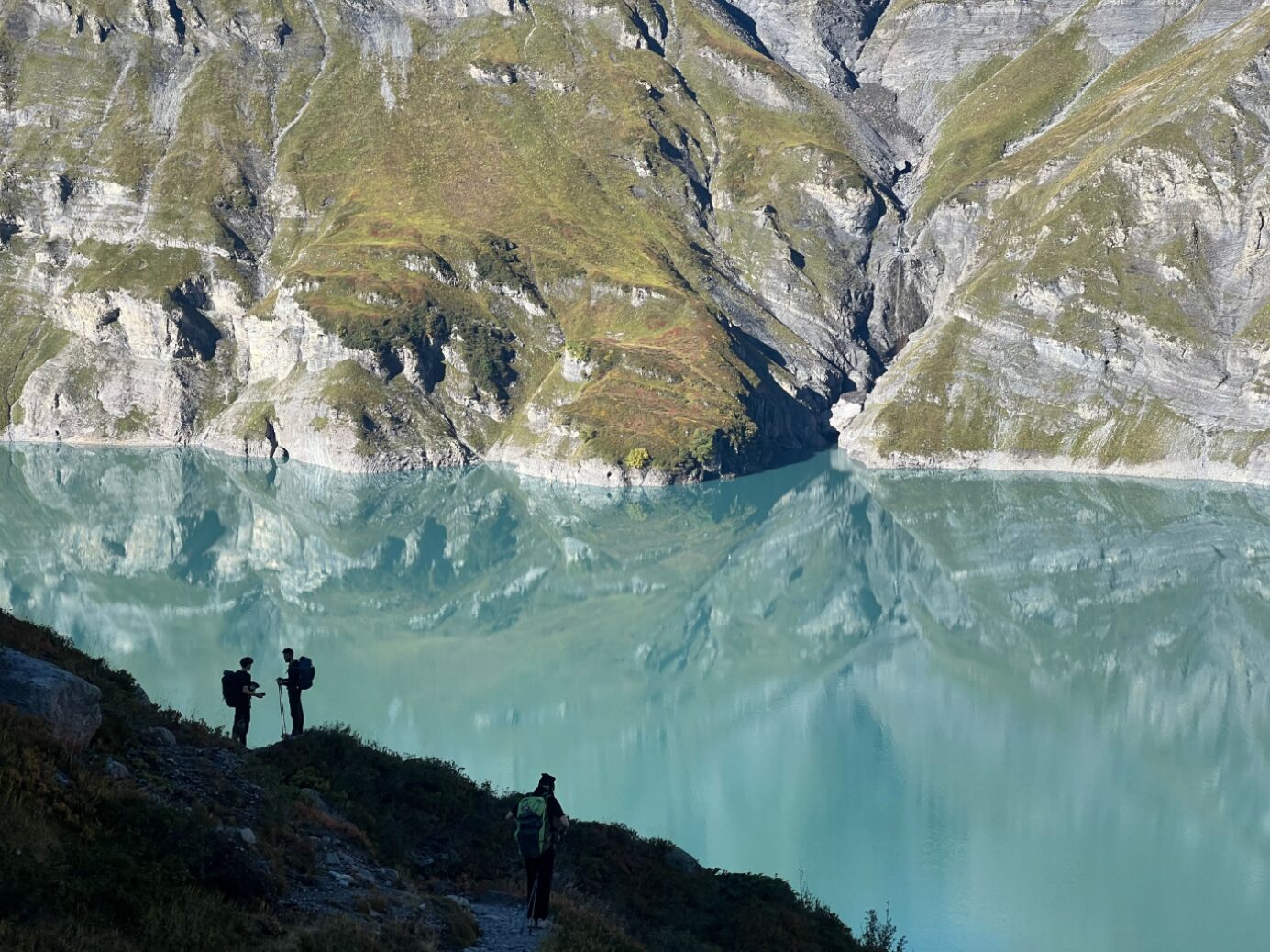
The Lac d’Émosson on the Alpine Passes Trail. Photo: David Myers
Barefoot hiking
The Unlikely Appeal of Barefoot Hiking: Here, several people give firsthand accounts of how they started barefoot hiking and why they have continued. Gen Blades first started in South Korea, where large sections of the trail were hwangto — stretches of damp clay specifically designed for going barefoot. Others have gradually built up from short walks to long hikes without shoes. They describe the experience as primal and explain how it heightens their awareness of the terrain and how they engage with nature.
How My Silent Game of Free Soloing Ended: Jim Erickson looks back over his personal journey with free soloing. At a time when climbing was almost completely outside of the public eye, and there was little to no desire for fame, it was about experimentation, pushing yourself, and self-discovery.
He recounts specific routes he climbed alone without ropes, many of them first ascents, and most of them in secret. He discusses the calculated nature of the risk and how his perspectives on it have shifted over time.