Archaeologists have unearthed a lost city of the ancient world: Alexandria on the Tigris. Sitting near the Tigris River in southern Iran, the port city was founded by Alexander the Great, and once linked Mesopotamia with India, Central Asia, and China.
Alexandria on the Tigris dates back to the 4th century BCE. Ancient sources suggest that after his conquest of the Persian Empire, Alexander wanted to return to Babylon by water. When he realized there was no suitable harbor to support his journey, he ordered the construction of a new port city.
Strategically built near the confluence of the Tigris and Karun rivers and less than two kilometers from the Persian Gulf at the time, it became the perfect maritime trading hub between the East and West.
Later, the city became known as Charax Spasinou or Charax Maishan. While historians have long known that such a city existed, its location remained a mystery.
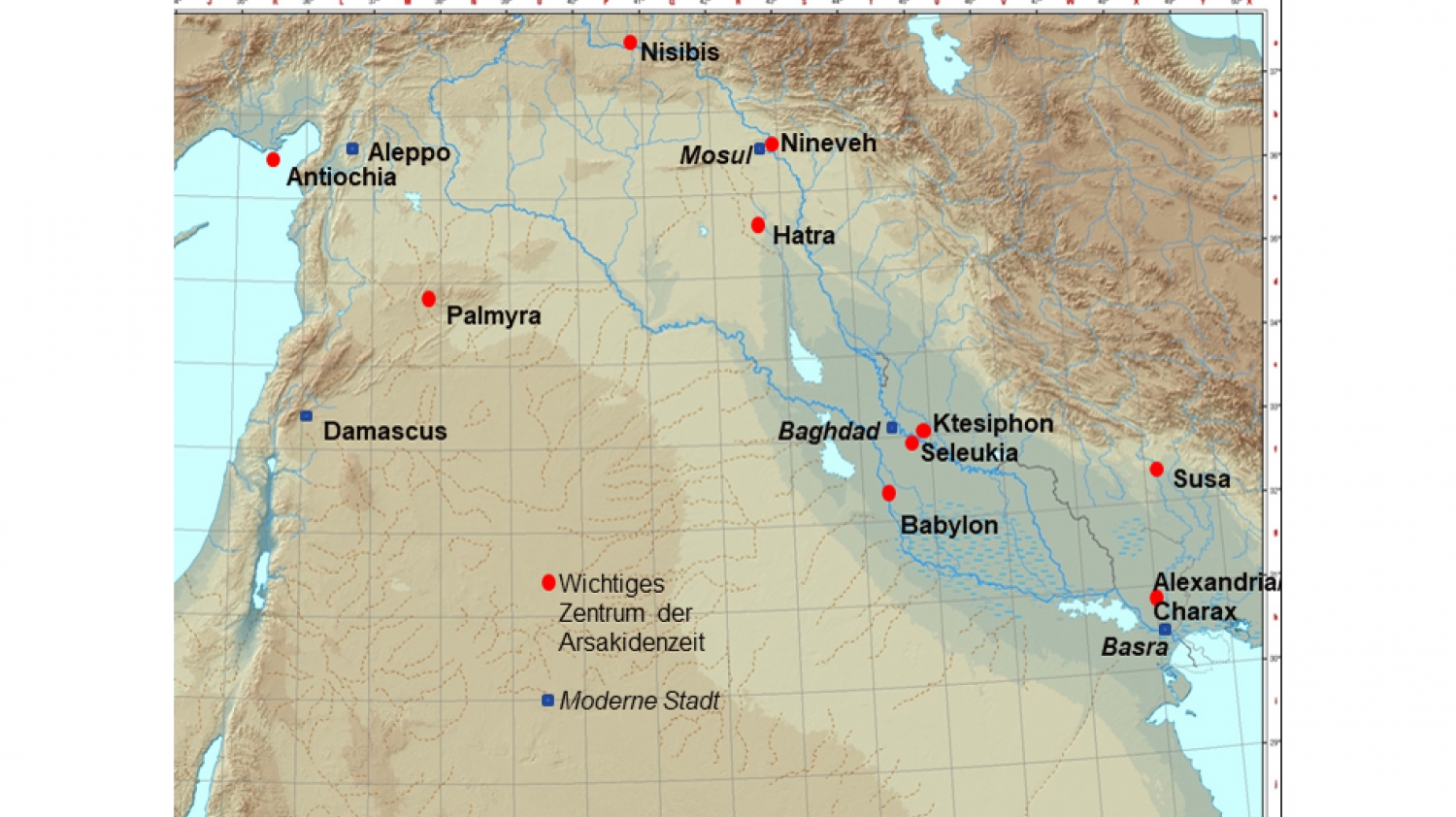
A map showing the location of Alexandria on the Tigris. Image: Stefan Hauser
Long-delayed field work
The recent study builds on research that began almost 70 years ago. In the 1960s, British researcher John Hansman examined aerial photographs taken by the Royal Air Force and noticed what appeared to be the outlines of a massive settlement near Jebel Khayyaber. Hansman was convinced he was looking at the remains of a major ancient city, but ongoing conflict along the Iran–Iraq border made fieldwork impossible for decades.
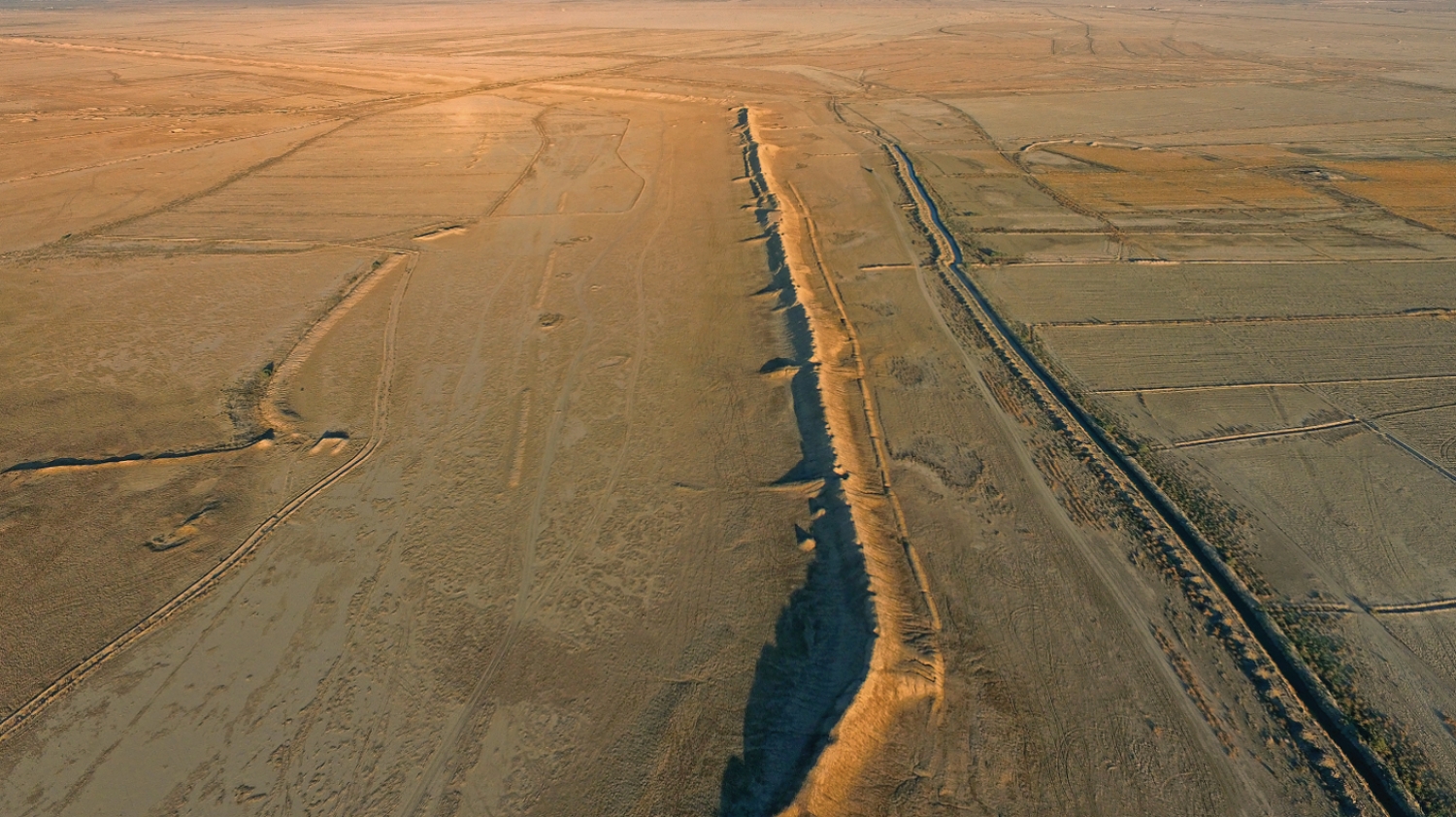
In 2014, archaeologists were able to return to the region, and some were guided to Jebel Khayyaber by local authorities. They were astonished by what they saw: clearly defined city walls, some rising up to eight meters high.
Two years later, Stefan Hauser, an archaeologist at the University of Konstanz, joined the project. For years, the team’s work was limited to painstaking surveys on foot.
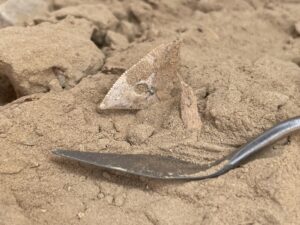
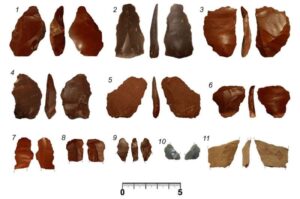
“Over the years, we then walked the entire area, over 500 kilometers in total, and documented all the surface finds, especially shards and broken bricks, that give us clues to a former settlement,” Hauser explains. These fragments slowly began to reveal the scale and sophistication of the city.
Eventually, researchers deployed drones and caesium magnetometers, enabling them to fully map the city. The results show a dense grid of streets, residences, temples, waterways, and what appears to be a palace. Slightly to the north, archaeologists also uncovered the remains of a huge irrigation network, suggesting a population far larger than previously imagined. Estimates now range from 400,000 to 600,000 inhabitants.
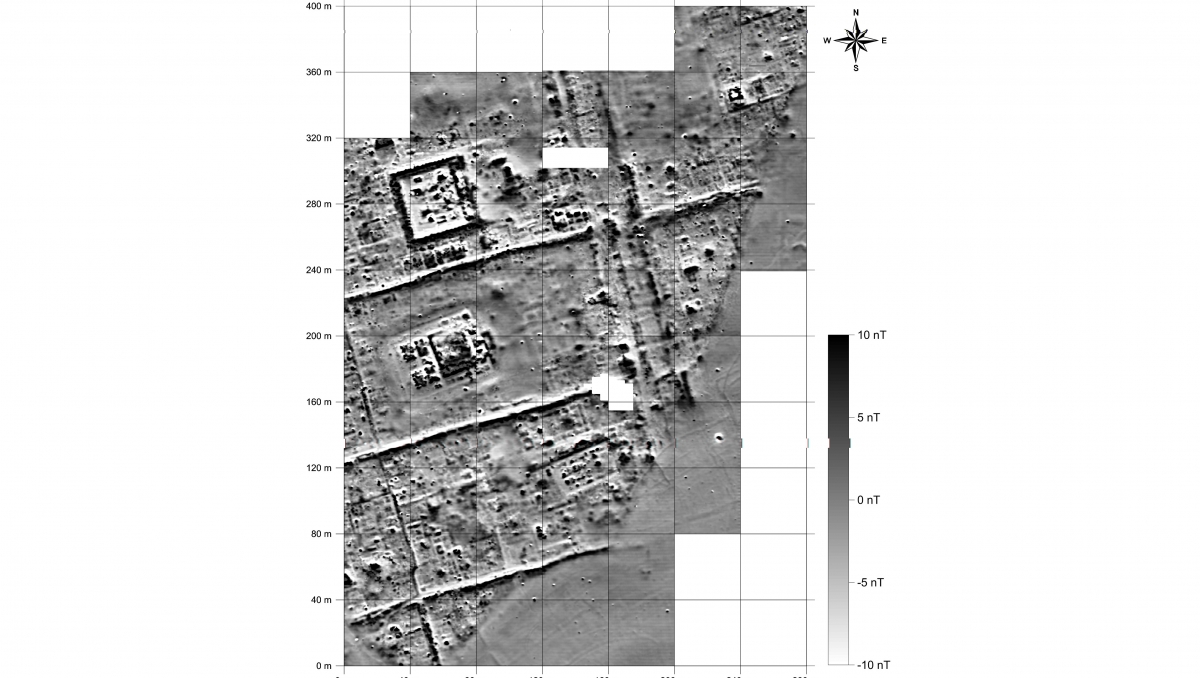
Aerial map of a district with residential buildings and temples created with the caesium magnetometer. Photo: Stefan Hauser
A second Alexandria
The city mirrors the design of the second, better-known Alexandria in Egypt. For more than 500 years, it was a central hub for long-distance trade.
“We now realize that we really have the equivalent of Alexandria on the Nile, the famous city in Egypt,” says Hauser. “The situation is actually the same: a city is founded where the open sea and the river systems…meet.”
He believes that nearly all maritime trade from India once passed through this port.
The city’s slow decline was tied to environmental change in the region. As the Tigris River gradually shifted westward due to sedimentation, Alexandria on the Tigris became isolated from both the river and the Persian Gulf. By the 3rd century CE, it was simply too far inland to function as a port, and its role as the region’s primary maritime hub passed to Basra.