A French diver disappeared under the ice during a routine dive on Tuesday, January 13. The French Polar Institute Paul-Emile Victor (IPEV) stated that the diver had followed all safety protocols. No body has yet been recovered.
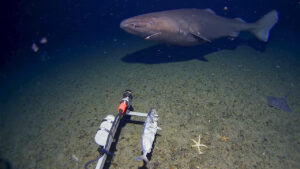
The diver disappeared while performing a check-up on an underwater instrument along with a partner. The dive, which was shallow and near the coast, was part of a mission to monitor underwater biodiversity.
In a Facebook post on Tuesday, IPEV stated they launched a recovery mission immediately. As of yet, they have not released the diver’s name or further information about his disappearance.
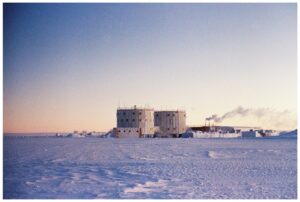
IPEV told the Agence France-Presse that they have begun immediate psychological counseling for the 60-odd people remaining at Dumont d’Urville Station in Adelie Land, where the dive took place.
Diving deaths in the Antarctic
Counterintuitively, diving deaths in the Antarctic are relatively rare. In 1987, a 22-year-old research assistant named Mark Macmillan drowned under the ice. And more famously, in 2003, a leopard seal attacked and drowned 28-year-old marine biologist Kirsty Brown while she was snorkeling. The University of Adelaide, where she was a student, awarded her a PhD posthumously.
Brown’s death inspired a review of the safety protocols in place for scientific dives in the Antarctic, and no further deaths have occurred until now.
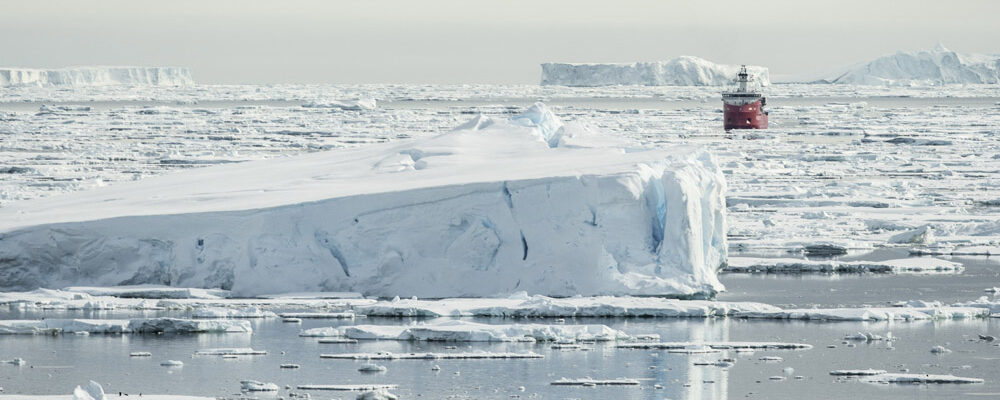
Alongside large fauna such as leopard seals, which occasionally exhibit aggressive behavior, hazards underwater in Antarctica include equipment malfunctions and the harsh conditions. Adelie Land is also known for its low temperatures and fierce katabatic winds, in which cold air rushes downhill at high velocities.
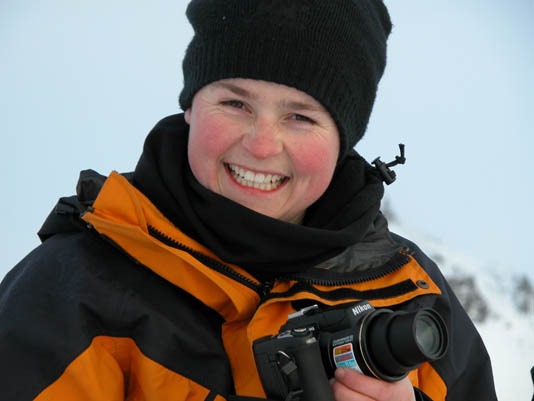
The death of Kirsty Brown prompted a review of diving safety regulations in the Antarctic. Photo: British Antarctic Monument Trust