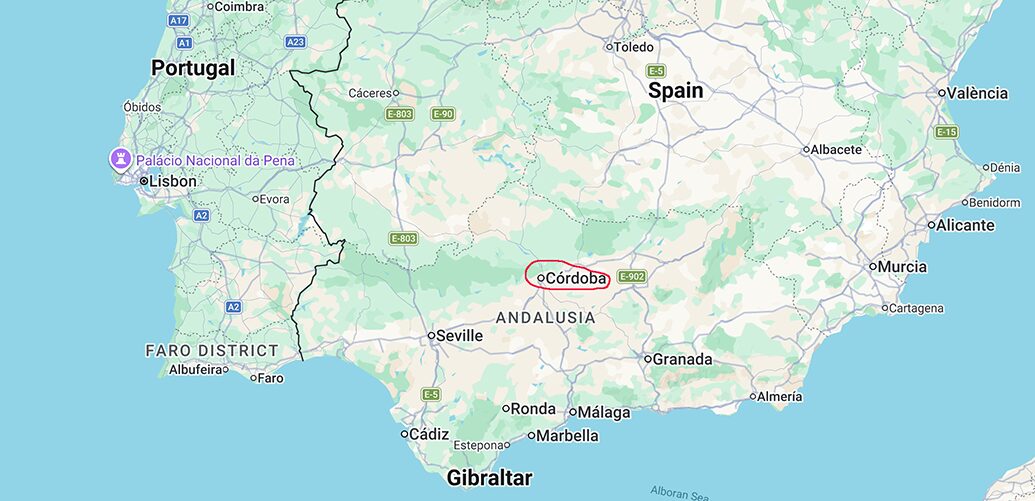
Many of us remember from school days how Hannibal boldly crossed the Alps with his elephants. Now, a bone from one of the elephants that Hannibal left behind in southern Spain before his epic invasion of Italy has turned up near the city of Córdoba.
“This is the first time that the actual remains of one of the elephants in the Carthaginian army have been found on European soil,” Spanish archaeologist Fernando Quesada-Sanz told CNN. The study appeared last week in the Journal of Archaeological Science. It seems to confirm the classical historians’ reports of Hannibal’s famous maneuver.
The elephant heel bone fragment dates to about 2,200 years ago, which is the right era. In 218 BCE, Hannibal crossed the Iberian Peninsula with tens of thousands of soldiers and about 37 war elephants, bound for Italy over the Pyrenees and the Alps.
Historians such as Polybius and Livy reported on the feat, which is considered one of the most daring military maneuvers of antiquity. The Romans had thought themselves safe from invasion because of the mountain barrier until Hannibal showed it could be done. However, his famous strategy lacked archaeological confirmation.
Psychological weapons
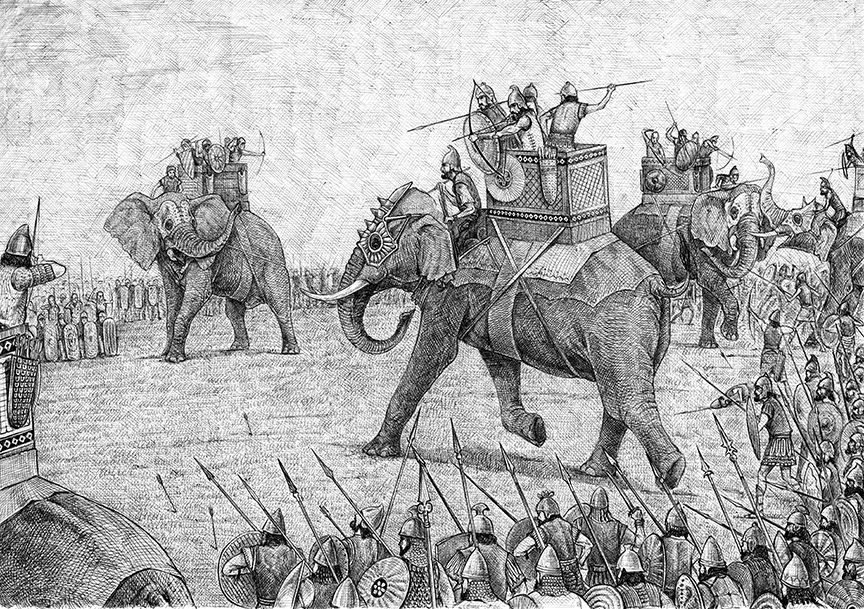
Battle elephants were “prestige weapons but also psychological weapons,” explained Fernando Quesada-Sanz. The animals were “very impressive and frightening for troops not accustomed to facing them…[They] were also particularly useful against cavalry and to disorder enemy infantry,” Quesada-Sanz added. Elephants were the tanks of classical warfare.
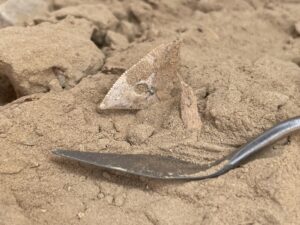
The discovery came at an excavation at the Colina de los Quemados site near Córdoba. Since 2019, archaeologists have unearthed not only the elephant ankle bone, but coins and remnants of siege weapons that date to the same period of the Punic era, between the late 4th and early 3rd century BCE.
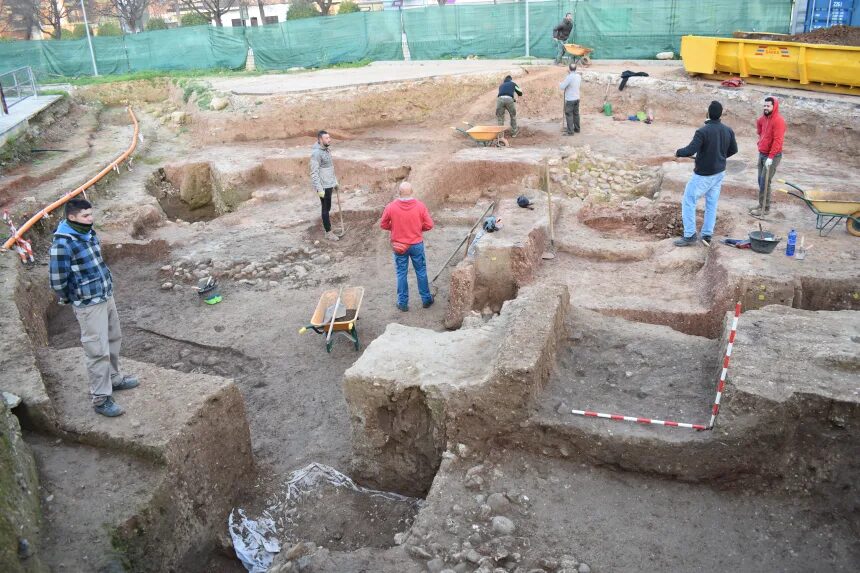
The site where archaeologists found the elephant ankle bone. Photo: Agustin Lopez Jimenez
A significant discovery
Quesada-Sanz says that this could belong to one of the 21 elephants that classical sources say Hannibal left behind before starting his march to Italy.
In addition to the radiocarbon dating, which aligns with the timeline of the Second Punic War, researchers said evidence for the site’s connection to Hannibal also includes 12 spherical stone balls found alongside the bone. Used as artillery, they “point to a military context.”
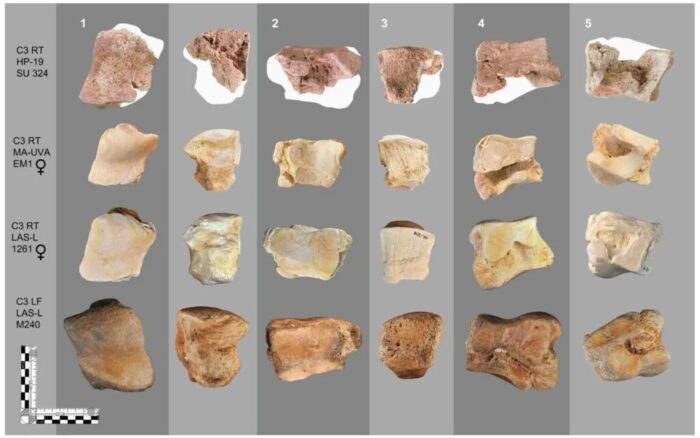
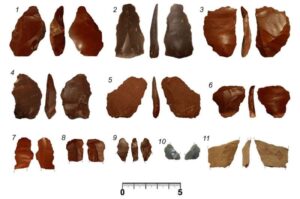
The top row is the Iron Age elephant bone found in Spain. Photo: Journal of Archaeological Science