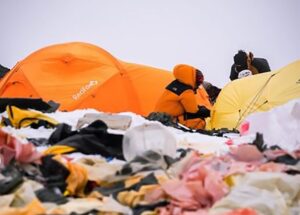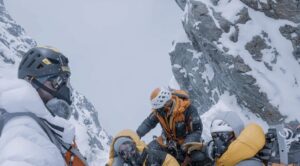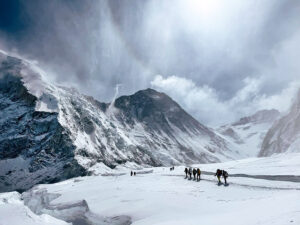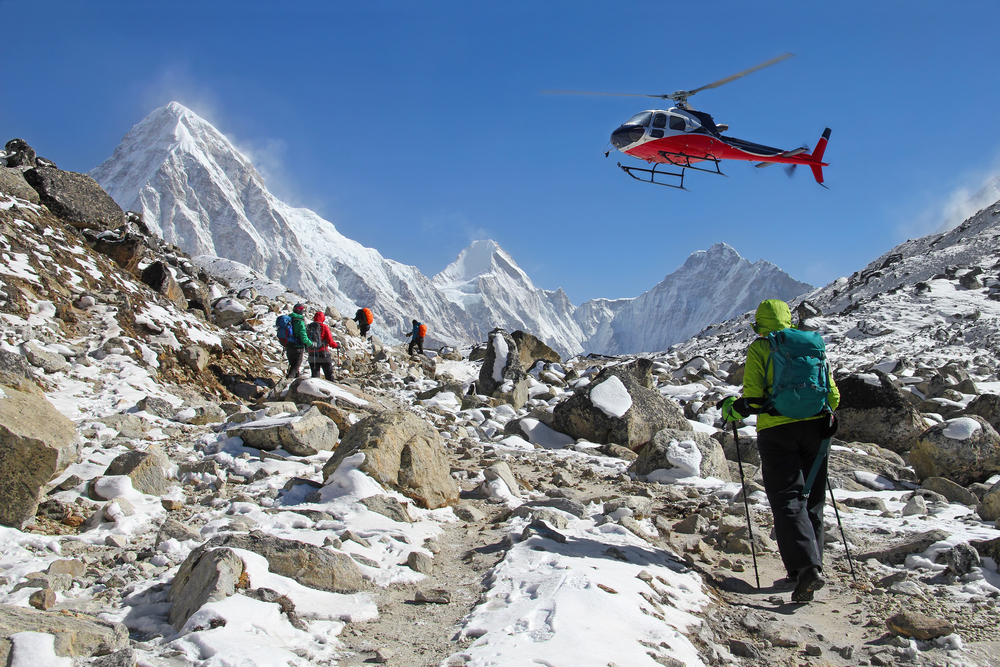
Everest climbers have not yet arrived in Nepal, but Base Camp is ready to receive them. This year, stricter regulations and scrutiny will address some of the controversial issues on the mountain, such as waste management, safety for local workers, and helicopter shortcuts disguised as emergencies.
From K2 to parliament
Nepal has just appointed a new government after its recent elections, so some tourism changes are expected. Significantly, the first mountaineering Sherpa has been elected as a Member of Parliament: Mingma David Sherpa, co-owner of EliteExped and a winter K2 summiter.

Mingma David Sherpa, a new member of Nepal’s Parliament. Photo: Mingma David/Facebook
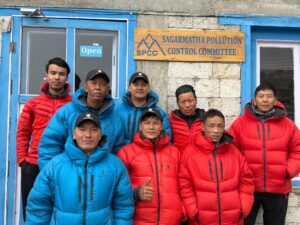
So far, attention has focused on upcoming changes to Everest climbing in 2027. However, other institutions have already implemented new measures, such as the stricter waste management regulations imposed by the Sagarmatha Pollution Control Committee and the tighter rules for outfitters regarding safety and emergency response.
More control from Kathmandu
Last week, the Department of Tourism told outfitters it requires them to follow stricter procedures to apply for and obtain climbing permits for their clients. The letter also stated that they must provide safety coverage for their staff. Finally, they have to coordinate with Kathmandu authorities for all emergency rescues.
This last measure is intended to prevent further fake rescue scams. In the last few months, Nepal police have dismantled a longstanding, elaborate scheme of fake rescues involving trekking agencies, guides, helicopter pilots, insurers, and hospital personnel, with 33 people currently prosecuted and millions of dollars misused.
Fewer heli-taxis?
The stricter rules may also affect the unclear emergency situations in which climbers on their way down from the summit ask for an airlift to spare them from tiring or dangerous descents, such as the huge plateau below Camp 2 on Kangchenjunga, the Khumbu Icefall on Everest, and the serac area between Camp 3 and Camp 2 on Annapurna.
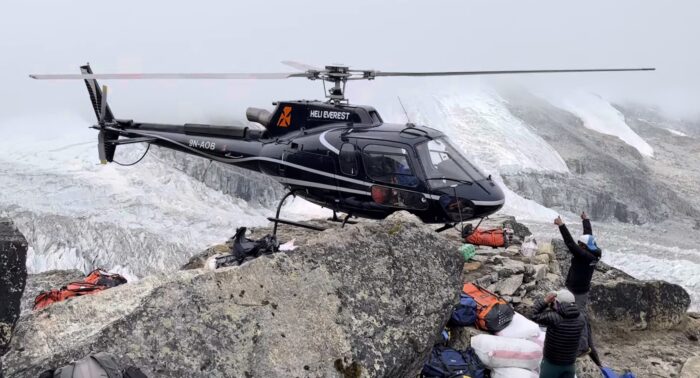
A helicopter at Kangchenjunga Base Camp. Photo: Adrian Hayes
After a 2024 directive from Nepal’s Supreme Court, enforced by the Civil Aviation Authority of Nepal (CAAN), such helicopter shortcuts are not permitted on Everest. Airlifts should only be authorized for the urgent medical evacuation of injured or sick climbers.
The situation is less strict on the other 8,000’ers, where helicopters often transport supplies and equipment and may give descending climbers a paid ride back to base camp (with no emergency claims to insurance companies). In addition, there is a grey area around the criteria to decide what is an emergency or a potentially dangerous situation.
Base Camp doctors in place
The medical team from the Himalayan Rescue Association (HRA) has also arrived in Everest Base Camp. The field hospital is in place, and so are the aid posts in Pheriche (Khumbu) and Manang (Annapurna region). The HRA team treats local staff for free and foreign climbers and trekkers for a fee.
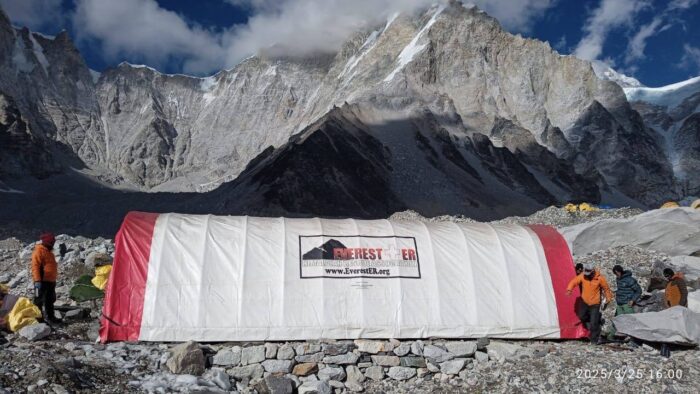
File image of the Himalayan Rescue Association’s tent hospital in the spring of 2025. Photo: Facebook
Everest climbers expected next week
With everything in place, only the clients have yet to show up. That will begin next week.
Nepal’s Department of Tourism has released a preliminary list of expeditions, but it doesn’t include Everest permits yet. When the first Everest groups arrive in Nepal over the next few days, it will be updated. Most Everest climbers will acclimatize on lesser peaks in the Khumbu Valley before heading to Everest Base Camp, but they will need their permits once in Nepal.
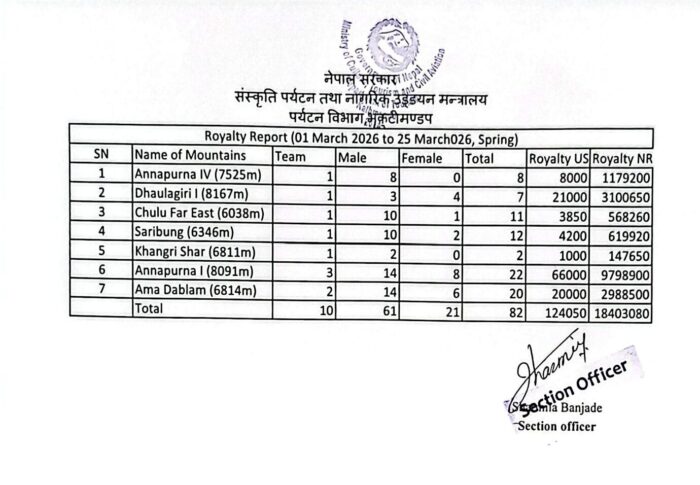
Preliminary expedition list as of March 25.
Among the arriving climbers is guide Kenton Cool of the UK, who is aiming for his 20th Everest summit. Cool has more Everest summits than any other Westerner; he usually climbs with one client.