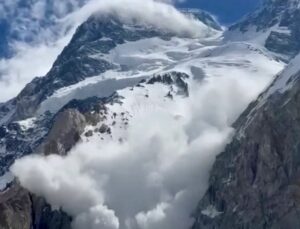
In 2009, a particularly difficult and bleak mountaineering season on several 8,000m peaks in Pakistan. Sixty-three teams applied for permits for various peaks, but 18 withdrew, and two more failed to arrive, leaving only 43 teams in the field. On K2, 55 climbers from six different expeditions pushed for the summit. Zero made it. One died.
Broad Peak was no better. According to data compiled by Karrar Haidri for the American Alpine Journal, 78 climbers attempted the mountain that summer. Only one reached the true summit. It was against this brutal backdrop that Italian mountaineer Cristina Castagna lost her life.
A dream-catcher
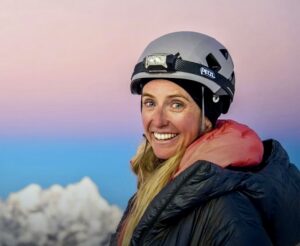
Cristina Castagna, known affectionately as El Grio (The Cricket) after the hills around Valdagno in Italy’s Veneto region, carried a lightness that belied her strength. Small in stature but boundless in spirit, she called herself an acchiappasogni (dream-catcher).
Born on December 23, 1977, near San Quirico di Valdagno, Castagna discovered the mountains while hiking with her father and uncle in the Piccole Dolomiti. After earning a technical degree, she became a nurse, a role she never abandoned even as her climbing ambitions grew.
Her humanitarian side ran deep: She undertook volunteer missions in Albania, worked with the Alpini (Italy’s elite mountain infantry corps), and loved helping those in need. Yet the high peaks also pulled her irresistibly.
In 2003, at age 25, she climbed Aconcagua in Argentina. That same year, she attempted Everest from the north, on an expedition led by Tarcisio Bello. She turned back when she started to have cerebral edema at the North Col.
In 2004, she summited 8,013m Shisha Pangma Central. This made her, at 27, the youngest Italian woman to summit an 8,000’er (although it was not the real summit). In 2005, she topped out Gasherbrum II, and in 2007, she climbed Dhaulagiri I with her longtime partner Giampaolo Casarotto, without bottled oxygen. Finally, in 2008, she became the first Italian woman to climb Makalu, enduring severe frostbite but descending on her own, without supplemental oxygen.
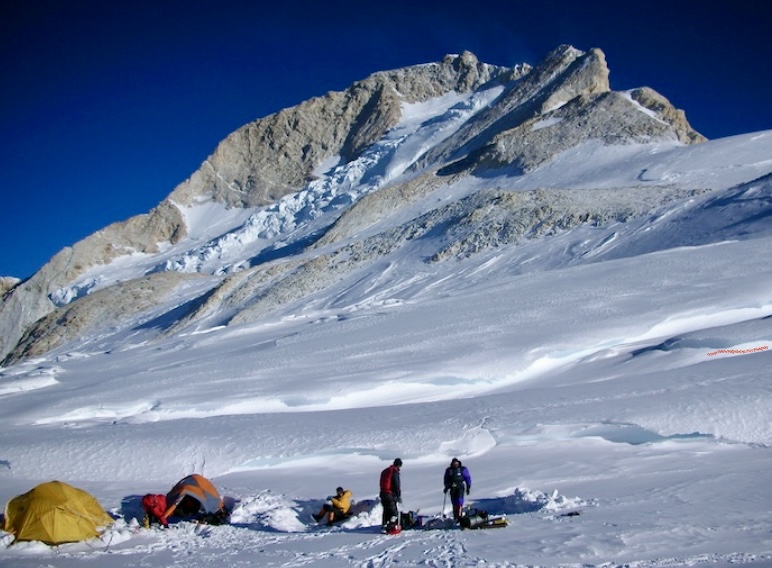
Camp 3 on Makalu. Photo: Archive of Giampaolo Casarotto via mountainblog.it
A cruel summer
By June 2009, Castagna and Casarotto were back in Pakistan. Their plan was ambitious: Bag Broad Peak, then immediately pivot to Gasherbrum I. They shared a permit with Spain’s Rosa Fernandez and Uruguay’s Leonardo Perez.
The mountain didn’t cooperate. Constant storms hammered the upper camps, pinning teams down and forcing mass retreats. On July 18, during the Italians’ final summit push, they kept crossing paths with a speed-climbing team that included Fabrizio Zangrilli, Benedikt Bohm, and Sebastian Haag. The weather was a total whiteout. Bitter cold delayed the teams for nearly 10 hours.
Still, Castagna and Casarotto kept moving. They fought up from Camp 4 and finally hit the Rocky Summit at 8,028m around 3 pm. Given the horrible weather, it was the end of the line. The true summit was out of reach, and they turned back.
Their descent began in the afternoon as light was already fading. The upper mountain remained a treacherous mix of wind-scoured ice, fresh snow slabs, and steep drops. Casarotto later recounted the moments in detail to Il Giornale di Vicenza.
The duo was navigating a short, rocky chimney with a fixed rope. Casarotto went first, descending a few meters. Castagna followed.
”Don’t worry, I’m just going down another couple of meters, then I’ll cross over and catch up with you on the lower path,” she told him. She planned to traverse a small snow patch to rejoin the main track.
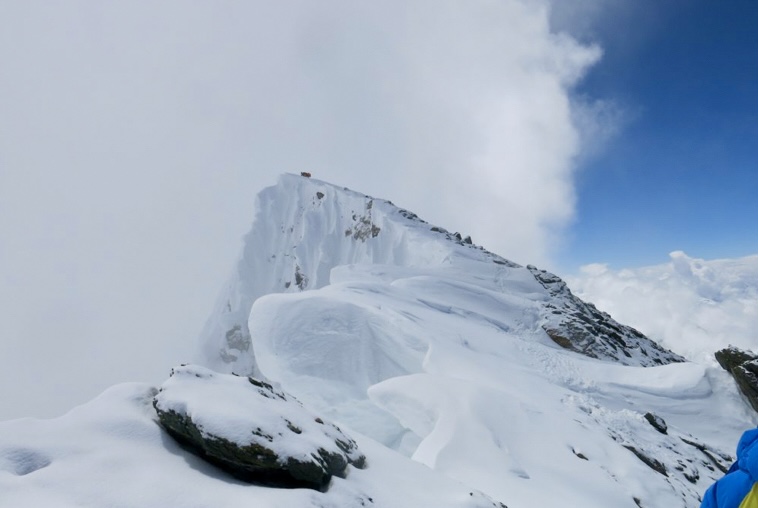
Broad Peak’s main summit, as seen from the Rocky Summit. Photo: Billi Bierling
A fatal slip
Instead, as she stepped onto the wind-hardened snow, she slipped. Whether it was a crampon catching awkwardly, a hidden ice layer, or simply the fatigue of a long day at extreme altitude, the result was fatal. She lost her footing and began to slide. Casarotto, only a few meters away, heard the sudden movement and turned.
As she slid down the steep ice slope, Casarotto screamed for her to self-arrest. She tried to plant her ice axe, but the terrain offered no purchase. She disappeared over the drop, coming to rest in a crevasse several meters below.
Casarotto rushed down as fast as safety allowed, but by the time he reached her, she was already gone.
“She was walking about 10 meters ahead of me,” he recalled. “Suddenly, she slipped. She hit some rocks and then fell into the crevasse. When I reached her, there was nothing I could do but cry.”
The accident happened around 7,800m (reports vary between 7,000–7,800m), in terrain where even a minor error can be irreversible.
Her body remains on the mountain, as recovery at that altitude is nearly impossible by helicopter, and in line with her own wishes. Before leaving Italy, Castagna had left a note for her family saying that in case of a severe accident, she wished to be left where the mountain had called her. She preferred not to risk other lives in a recovery effort.
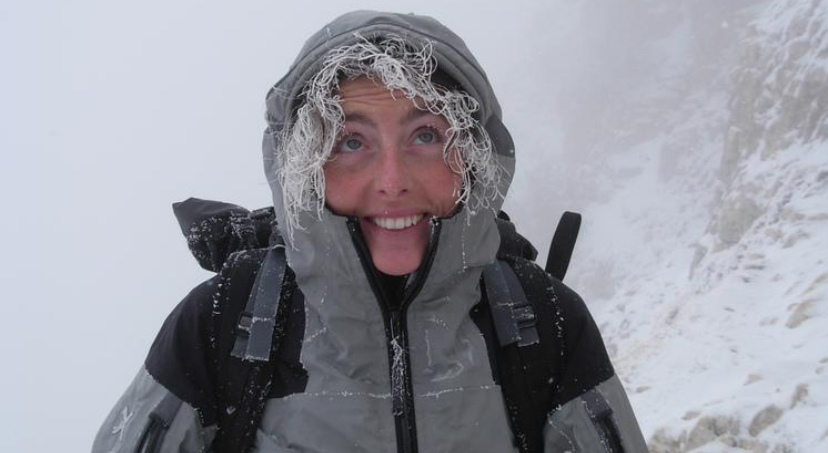
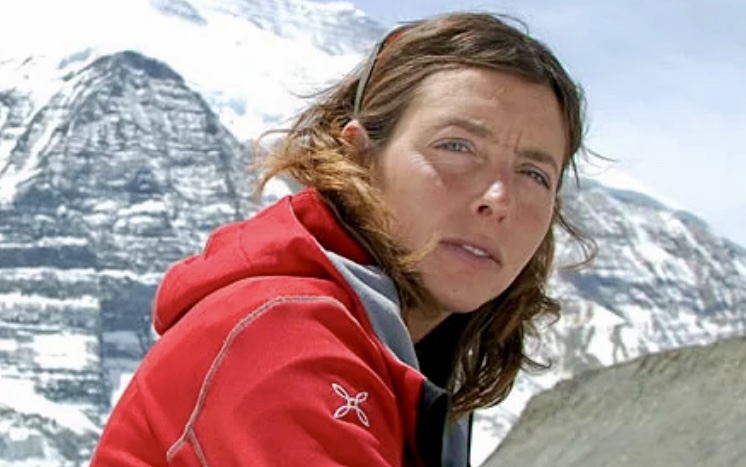
Cristina Castagna. Photo: Ilgiornaledivicenza.it
Legacy
News of the tragedy spread quickly. Tributes poured in for the young nurse who had touched so many lives, both in the emergency room and on the peaks.
In the years since, her memory has been honored in multiple ways. Just weeks after her death, Tarcisio Bello named an unclimbed peak in the Hindu Kush Cima Cristina Castagna after his solo first ascent.
Fifteen years later, in August 2024, the Cristina Castagna Center opened in Ghotolti, Ishkoman Valley, Gilgit-Baltistan. It is a hub for tourism, mountaineering training, and especially for encouraging Pakistani women in the mountains. Built through Italian-Pakistani cooperation tied to the 70th anniversary of the first K2 ascent, the center includes a dispensary, community spaces, and training facilities.
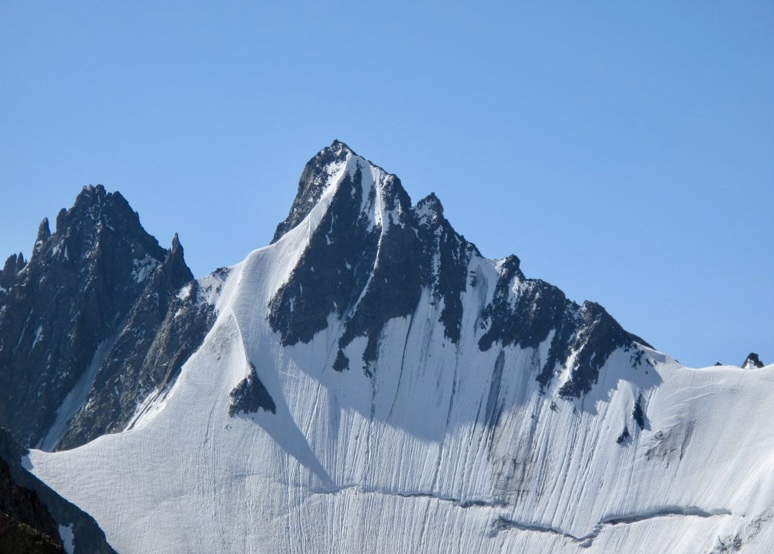
Cristina Castagna Peak (5,311m) in the Hindu Kush. Photo: Cai Valdagno