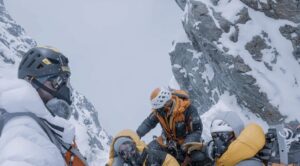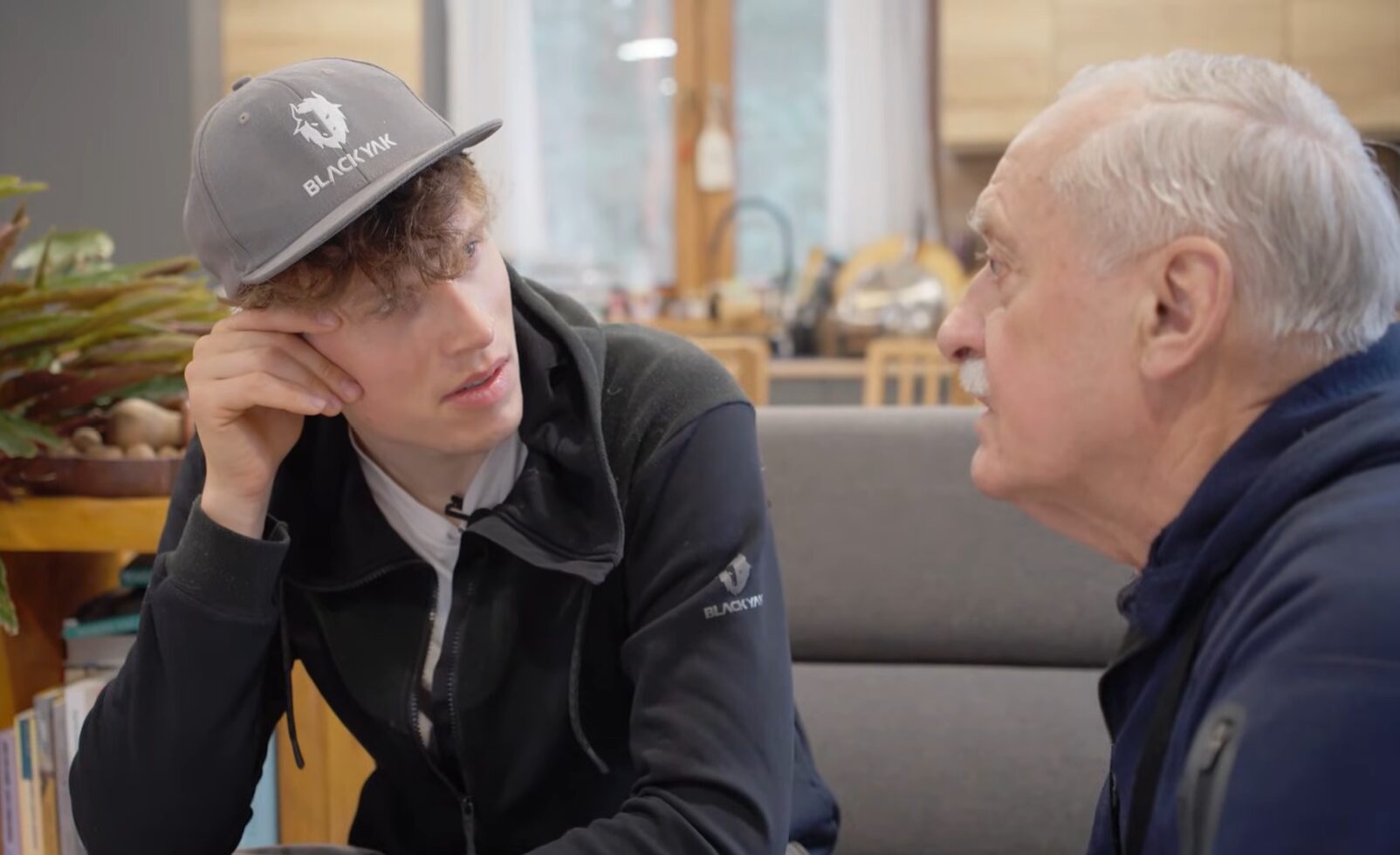
Jost Kobusch did not return to Everest this winter as part of his long-term plan to solo it in the coldest season via the West Ridge. However, the German climber continues to train for it and to count down the days until next winter (323 days from now, by his reckoning) when he will try again. In the meantime, he is tryingto learn from past winter trailblazers. Recently, he met up with Polish soloist Krzysztof Wielicki.
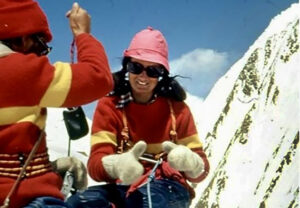
Wielicki and Leszek Cichy made the first winter ascent of Mount Everest in February 1980. Wielicki also achieved winter firsts on Kangchenjunga (1986) and on Lhotse (1988).
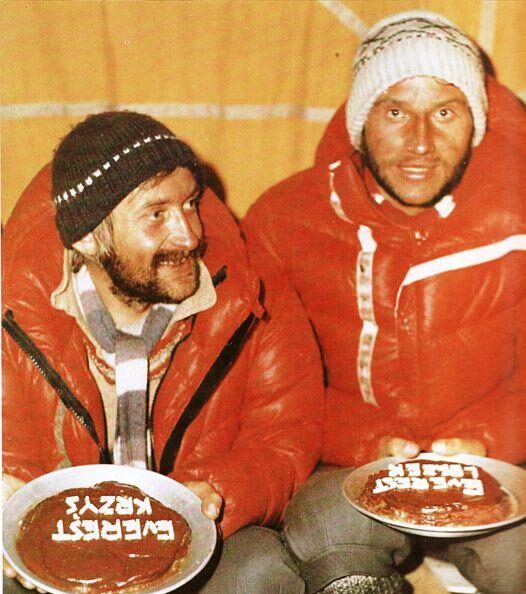
Polish pioneers Wielicki and Cichy after climbing Everest in winter. Photo: Himalman.com
The challenge of a lifetime
The climbing scene has changed drastically since the 1980s, both in terms of logistics and equipment, but also in the approach of those aiming to climb 8,000m peaks in the harshest season. While winter expeditions remain rare, the current trend is to prioritize summit options by using supplementary oxygen and Sherpa staff.
In this sense, Kobusch is a rarity. He has devoted the last decade to this single project. Kobusch wants to climb Everest the hardest way: solo, in winter, without oxygen, and up one of the longest routes on the mountain. He has been on the mountain on three occasions, most recently in 2024-25, when he reached 7,500m.
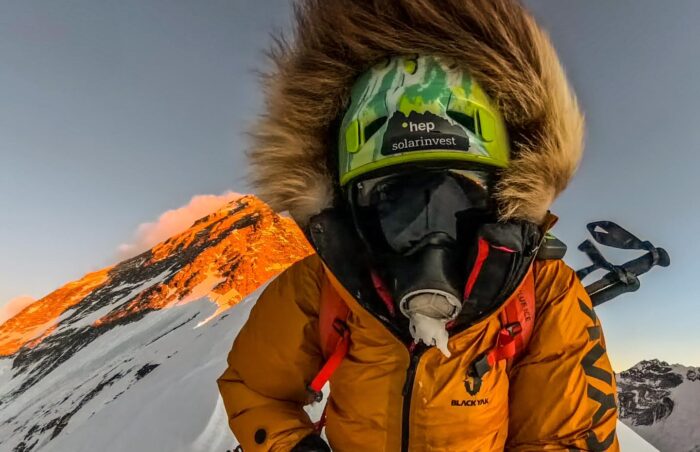
Jost Kobusch on the West Ridge of Everest. Photo: Jost Kobusch
Some winter veterans consider the media-oriented, relatively inexperienced Kobusch an intruder. Before and after his first two visits to Everest, Kobusch received criticism from Reinhold Messner, who doubted Kobusch could achieve, or even survive, a winter Everest ascent.
However, Kobusch has proven to be a stubborn professional who understands that each attempt is part of the learning process that he hopes will eventually take him to the top of the world in his ambitious style.
The pioneer’s voice
Kobusch sought an interview with Wielicki for “feedback, perspective, and critique.” On social media, Kobusch says he was not looking for confirmation or validation, but guidance. He received a warm, friendly welcome from Wielicki in Poland.
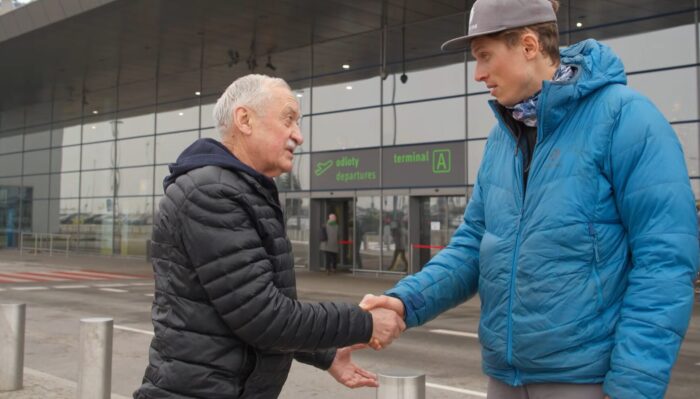
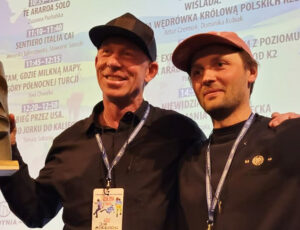
Wielicki hosted Kobusch in his home and waved him goodbye at the airport. Photo: Jost Kobusch/YouTube
“This meeting is about translating timeless principles into modern alpinism, applying old wisdom to new realities, and understanding what truly matters when climbing in winter at extreme altitude,” Kobusch wrote.
“Winter is for fighters,” was Wielicki’s first comment. “I went in winter because I was hungry for emotion…and to test myself, to check how far I could go.”
Wielicki pointed to the weather as the decisive factor during a climb. He reiterated the importance of reliable forecasts. He also emphasized managing sustained power: “You need to focus on making the lowest possible effort, but during the longest possible time.”
The two mountaineers discussed the best acclimatization strategy for Kobusch’s upcoming ascent, an issue that Kobusch has previously discussed with Kilian Jornet.
Interestingly, Kobusch was hesitant to leave a fuel and food deposit during his acclimatization. “It’s the cleanest idea,” Kobusch explained, to which Wielicki snapped back: “Forget about the cleanest idea; you are climbing solo, and no matter what you leave during the acclimatization rounds for the final push, it will still be a solo climb.”
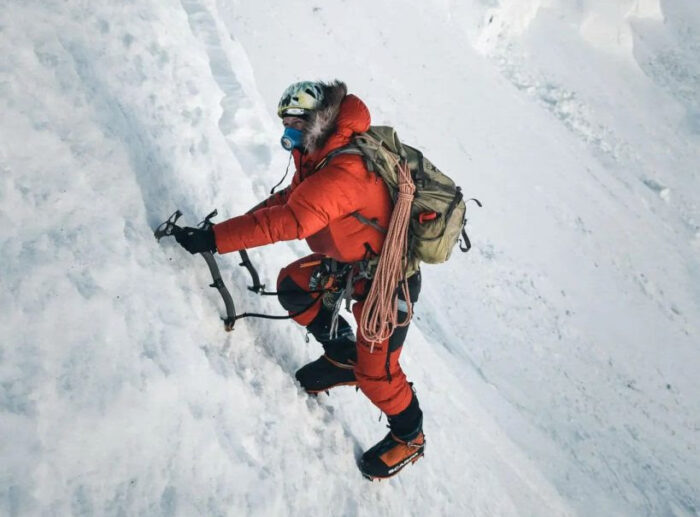
Kobusch during a trip to Camp 1 on Everest in winter. Photo: Jost Kobusch
At the end of their chat, the Polish pioneer reflected on the philosophy of a winter ascent, which he understands as a personal decision and a fight against oneself. After three attempts, Kobusch probably knows this already, but it’s good to be reminded that the essence of tackling extreme challenges remains the same today as in 1980.
You can watch the video interview below:
Next attempt
Jost Kobusch will return to Everest for the fourth time on December 23, 2026, at the beginning of calendar winter.