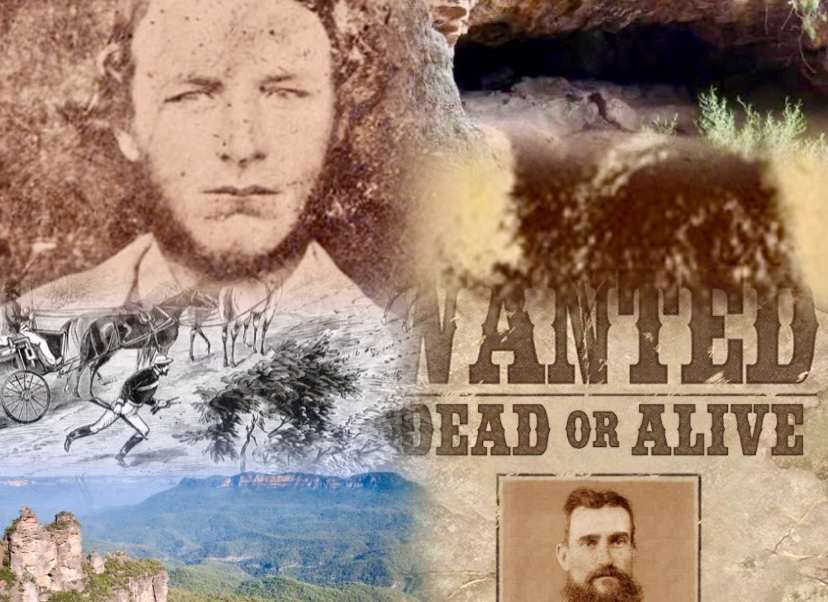
Throughout history, the world’s mountain ranges have provided refuge for outlaws. Mountain passes, hidden caves, and steep cliffs allowed these figures to ambush travelers, evade authorities, and launch raids before vanishing into the terrain. Many began as ordinary people driven by poverty, injustice, or war into a life of crime.
Unlike the largely fictional Robin Hood, the outlaws whose stories we’ll tell today were real men who lived and died by the gun and the blade. Some of them became folk heroes and carved legends that are still remembered today in popular culture. This week, we revisit the stories of some of those legendary bad guys who chose mountains to hide from the authorities. Today: Australia’s colorful and polite bushrangers.
Ben Hall in the Weddin Mountains
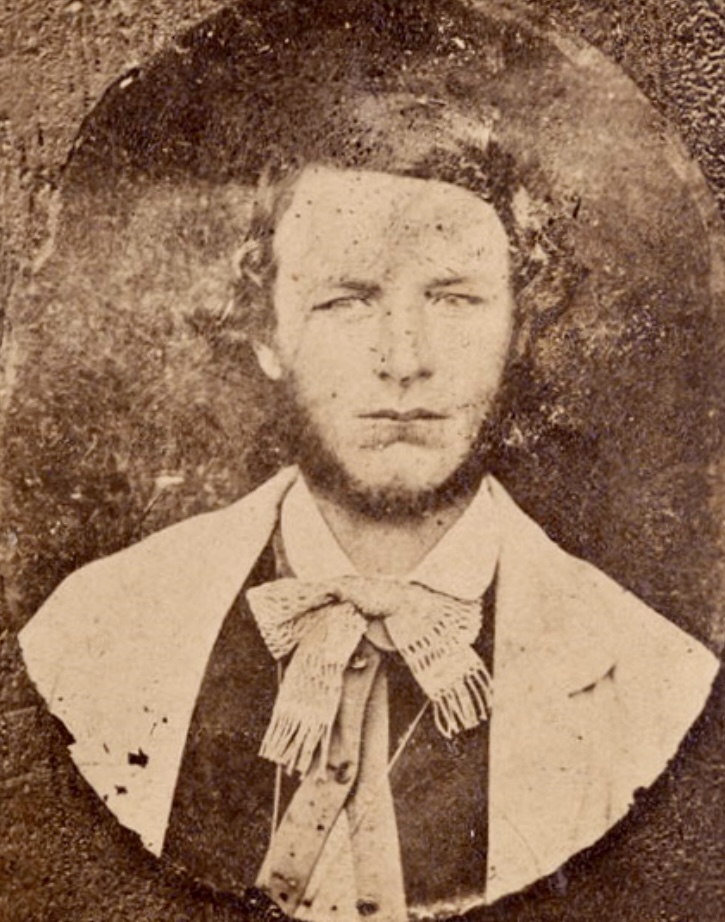
Benn Hall in 1863. Photo: Freeman Brothers Studio/Wikimedia
In the Weddin Mountains, a wild, scrub-covered range west of the Great Dividing Range in central New South Wales in Australia, Ben Hall (1837–1865) led one of the most active bushranger gangs of the 1860s gold rush era.
Hall had once been a respectable stockman who turned outlaw after police harassment, wrongful arrests, and personal tragedies. His house burned, and his wife left him. With accomplices like John Gilbert and Frank Gardiner, he conducted over 100 robberies of mail coaches, stations, and travelers across the Weddin Ranges. He was often polite and spared his victims unnecessary harm, earning a romanticized reputation as a “gentleman bushranger.”
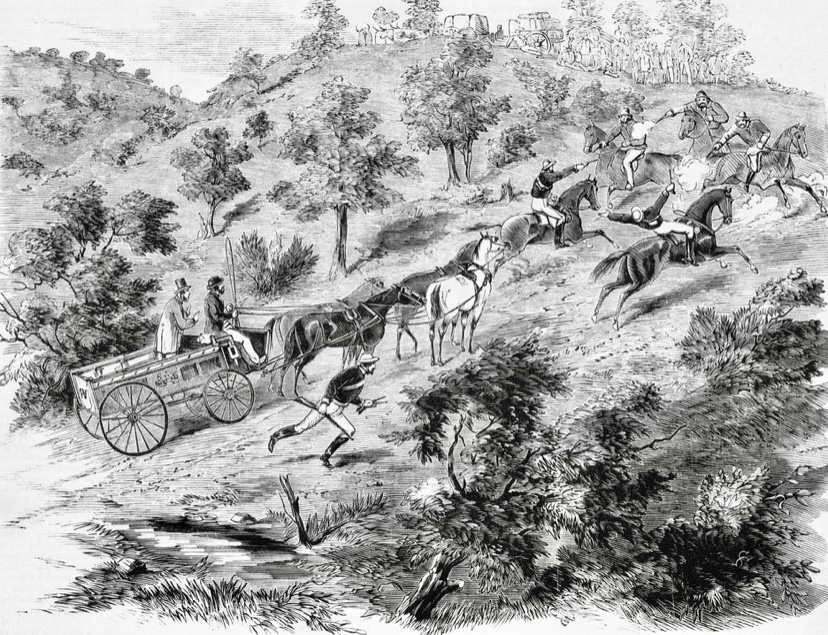
Bushrangers Ben Hall and his accomplices attack police officers. Photo: State Library of Victoria
The gang hid out in caves, thick bush, and hidden places in the mountains. Despite huge bounties, Hall evaded capture for years until he was finally betrayed in May 1865. Eight policemen near Forbes ambushed him and shot him dozens of times, although (according to folklore) he reportedly faced them unarmed. This defiant end was immortalized in the ballad, The Death of Ben Hall.
Hall remains a folk hero in Australian outlaw lore for his courtesy and resistance to authority.
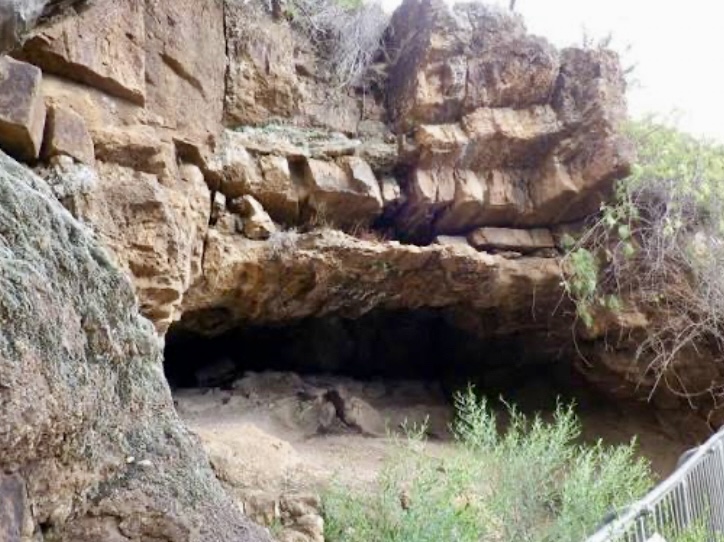
Ben Hall’s cave. Photo: Warrie from NSW via exploroz.com
Frederick Ward in the Great Dividing Range
Frederick Ward (1835–1870), better known as Captain Thunderbolt, was Australia’s longest-roaming bushranger, evading police for nearly seven years across the Great Dividing Range.
A skilled horseman wrongly imprisoned for horse theft, Ward escaped the infamous Cockatoo Island prison in 1863 and took to the high ranges, from the Moonbi Ranges to Barrington Tops, robbing coaches, inns, and stations through lightning raids. He was often accompanied by Mary Ann Bugg, an Aboriginal woman and expert in bushcraft. Captain Thunderbolt was also known for his politeness and usually avoided violence against women and children.
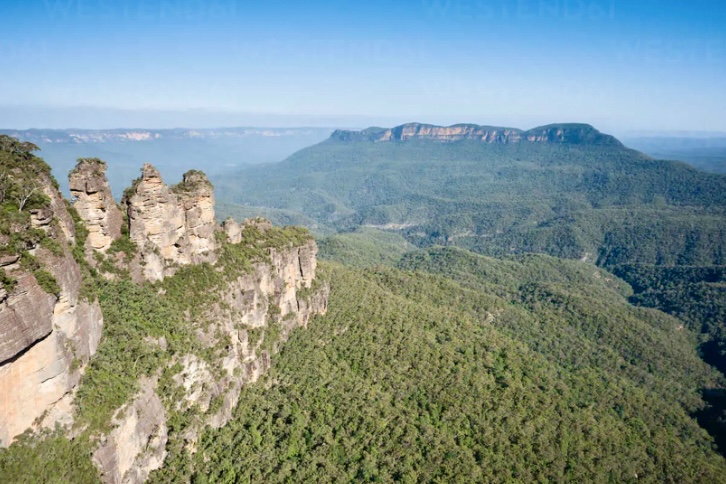
The Great Dividing Range. Photo: blms2.webnode.page
Legends grew around his dramatic escapes, such as leaping cliffs on horseback. His runs ended in May 1870, when, exhausted after a long chase, he was shot dead in a creek showdown near Uralla.
Thunderbolt’s grave and landmarks still remain tourist attractions, and he’s considered the archetypal gentleman bushranger of Australia’s northern highlands.
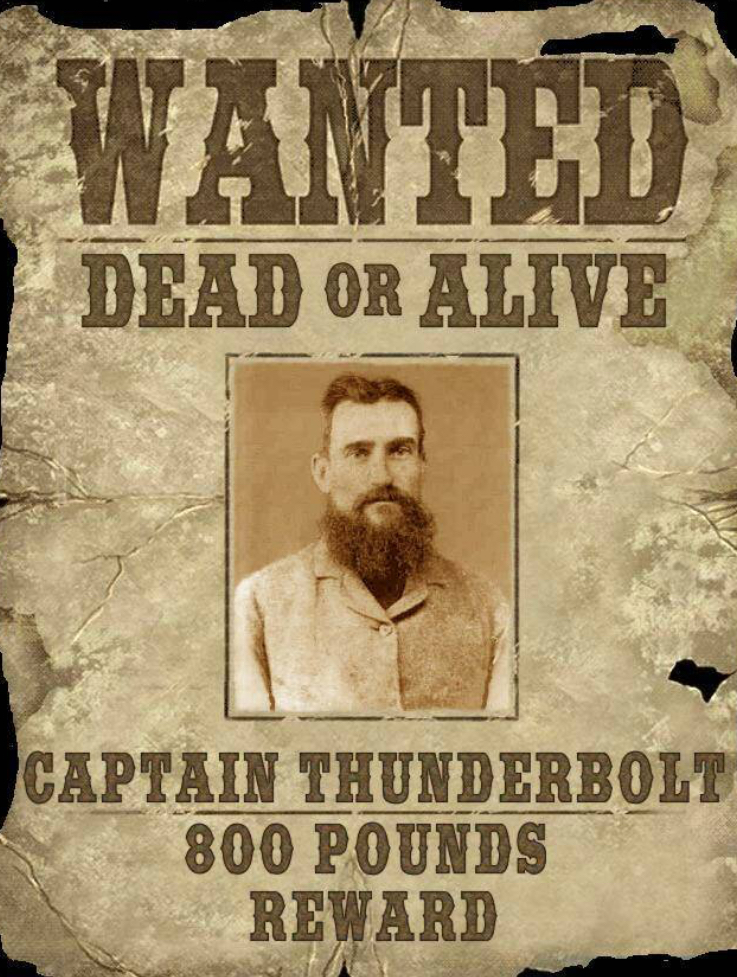
Wanted Dead or Alive, Captain Thunderbolt. Photo: National Trust Queensland
The notorious Ned Kelly
Ned Kelly (1854–1880) stands as Australia’s most notorious bushranger, head of the Kelly Gang, and a divisive folk hero.
Born in rural Victoria to impoverished Irish immigrant parents, Kelly grew up amid hardship and bitterness toward the British colonial order, affluent landowners (“squatters”), and the Victoria Police, whom many poor selectors regarded as corrupt tools of oppression. When he was a teenager, he trained under bushranger Harry Power and endured prison for horse theft and assault.
In 1878, following a contested incident at the Kelly home where a constable was injured (resulting in his mother’s jailing), Ned and his brother Dan escaped into the bush, forming the Kelly Gang with Joe Byrne and Steve Hart. They ambushed and killed three policemen at Stringybark Creek. After this, authorities offered huge bounties for their capture.
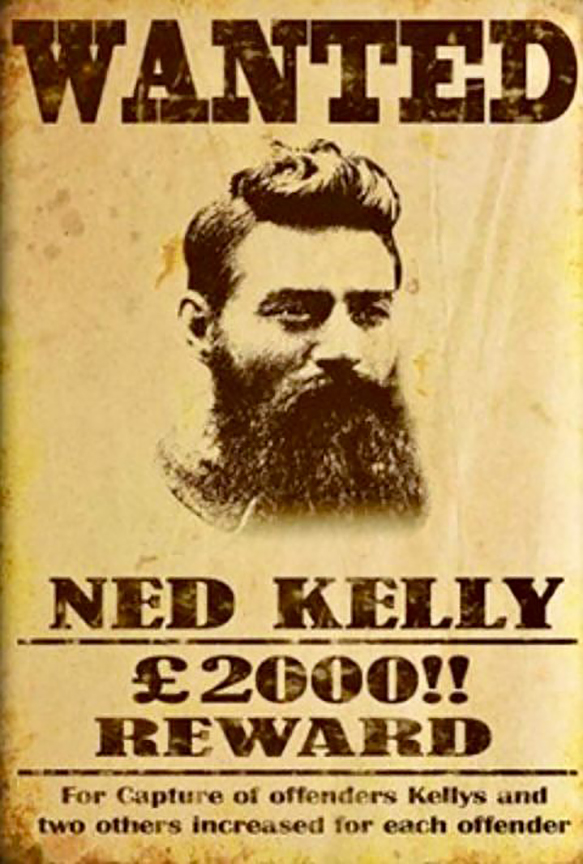
Over the following two years, they executed audacious bank heists at Euroa and Jerilderie. They shared some of the proceeds with their supporters while issuing manifestos that condemned police harassment and societal inequity.
Their end arrived at Glenrowan in June 1880. The gang seized hostages at an inn, plotting to derail a police train, but faced a siege. They donned heavy homemade armor from plough moldboards. In the gunfire, Byrne died, Dan Kelly and Hart perished (probably by suicide), and Ned — hit in the unprotected legs — was seized after staggering from the mist like an armored specter in his helmeted suit.
Convicted of murder, Kelly was hanged in Melbourne at age 25. His final words were reportedly something like a resigned, “Ah well, I suppose it has come to this.”