“And at night you will look up at the stars. Where I live everything is so small that I cannot show you where my star is to be found. It is better like that. My star will just be one of the stars, for you. And so you will love to watch all the stars in the heavens…they will all be your friends.”
— Antoine de Saint-Exupéry, The Little Prince
In the rugged embrace of mountains, skies, and wild trails, 2025 claimed the lives of many mountaineers, adventurers, and outdoor personalities. The full list is much longer than we can include here, but all have our utmost respect.
This is for the ones who became stars in 2025.
Mountaineers
Virginio Epis
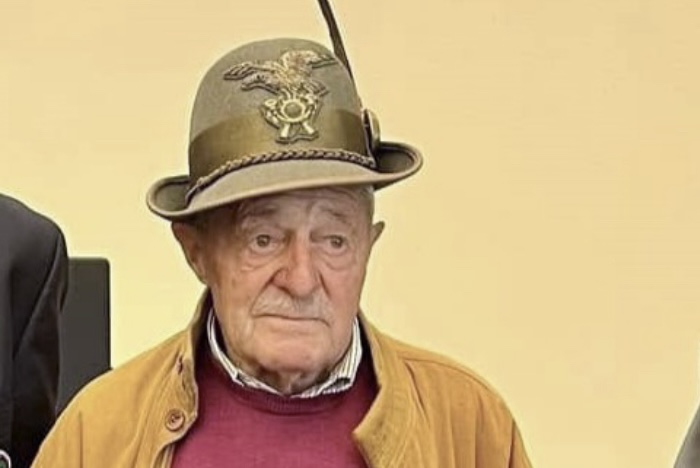
Virginio Epis. Photo: Valseriana News
Virginio Epis, Italian ski mountaineer and high-altitude climber, was a master of blending Nordic precision with Himalayan audacity. He died on February 8, at age 93, of pneumonia at a hospital in Aosta.
Epis summited Everest in 1973 as part of the Italian Everest Expedition led by Guido Monzino, a 63-member military-backed team that marked Italy’s first successful ascent of the world’s highest peak. During the descent, amid a fierce blizzard and oxygen shortage, he shared his oxygen cylinder in an act of selflessness. The expedition earned him acclaim as “the skier who touched the roof of the world.”
Epis pioneered numerous routes in the Mont Blanc massif and the Dolomites, including innovative ski descents that fused climbing with freeride artistry. His routes remain test pieces for elite alpinists.
François Labande
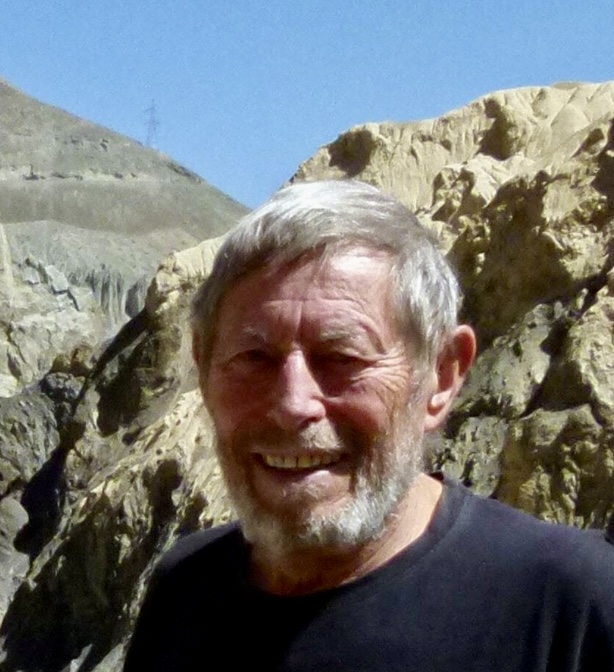
Francois Labande. Photo: LeDauohine
French mountaineer, ecologist, and writer François Labande — a philosopher of the peaks who wove environmental ethics into every ascent — died on March 20, aged 83, at home in La Salle-les-Alpes.
A Groupe de Haute-Montagne stalwart since 1981, he authored Traces Ecrites (blending autobiography and alpine lore) and edited Cimes, another piece of introspective mountaineering literature.
Labande’s climbs in the Oisans, Ecrins, and Mont Blanc massif promoted sustainable practices. He helped shape conservation practices as Mountain Wilderness France founder and president (1995–2002).
Labande climbed alpine classics like the south face of La Meije, the south pillar of the Barre des Ecrins, and the northeast face of Piz Badile, while pioneering dozens of routes in the Ecrins. His topos Guide du Haut-Dauphiné (“the Labande”) and Guide du Mont Blanc became alpinists’ bibles.
Generl Buhl
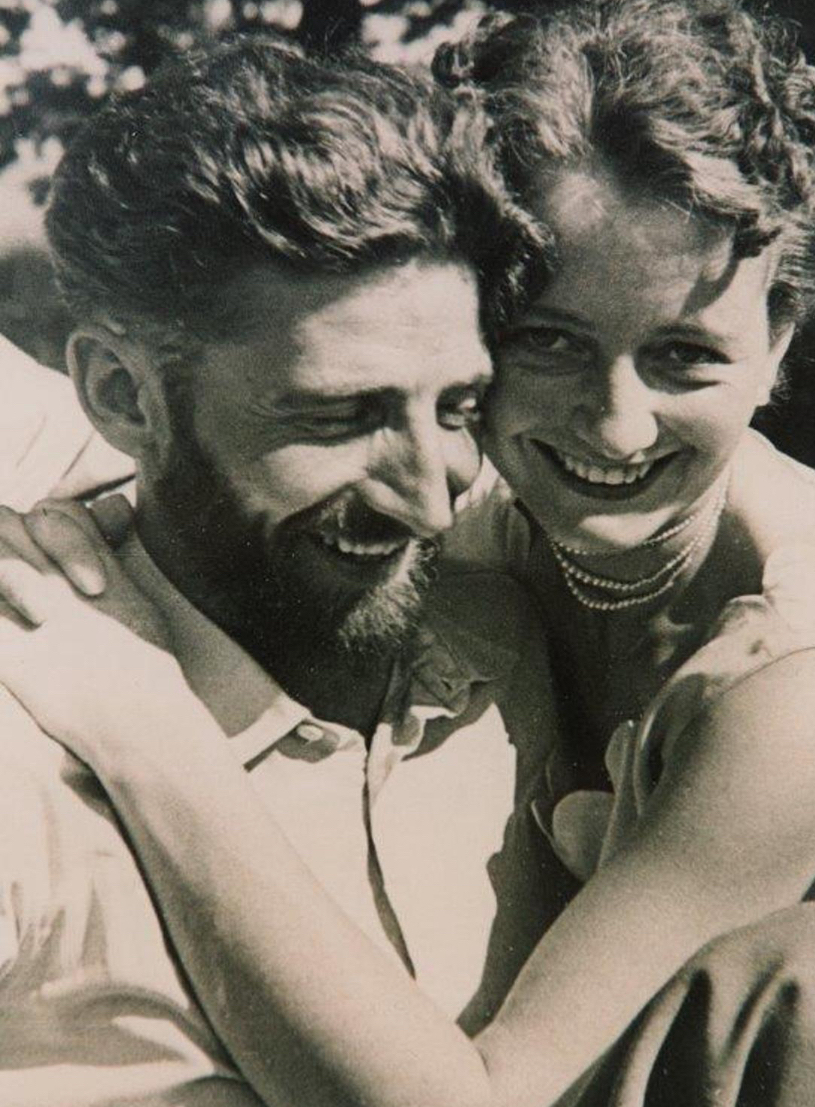
Hermann Buhl and Generl Buhl. Photo: Archive Kriemhild Buhl
Generl Buhl, Austrian mountaineering matriarch and wife of legend Hermann Buhl, died on March 8, at age 99. Generl embodied resilience, raising three daughters while preserving Buhl’s legacy through memoirs and the Hermann Buhl Museum in Ramsau.
An accomplished alpinist herself, Buhl notched women’s first ascents on the south wall of the Kleine Mühlsturzhorn, the Kleine Trichter on the Hohe Goll, and the south edge of the Third Watzmannkind in the Berchtesgaden Alps. Her story of supporting expeditions amid post-war hardship (organizing tours and driving Hermann across Europe after his frostbitten toe amputation) highlighted women’s unseen roles in early mountaineering.
Yuri Viktorovich Smirnov
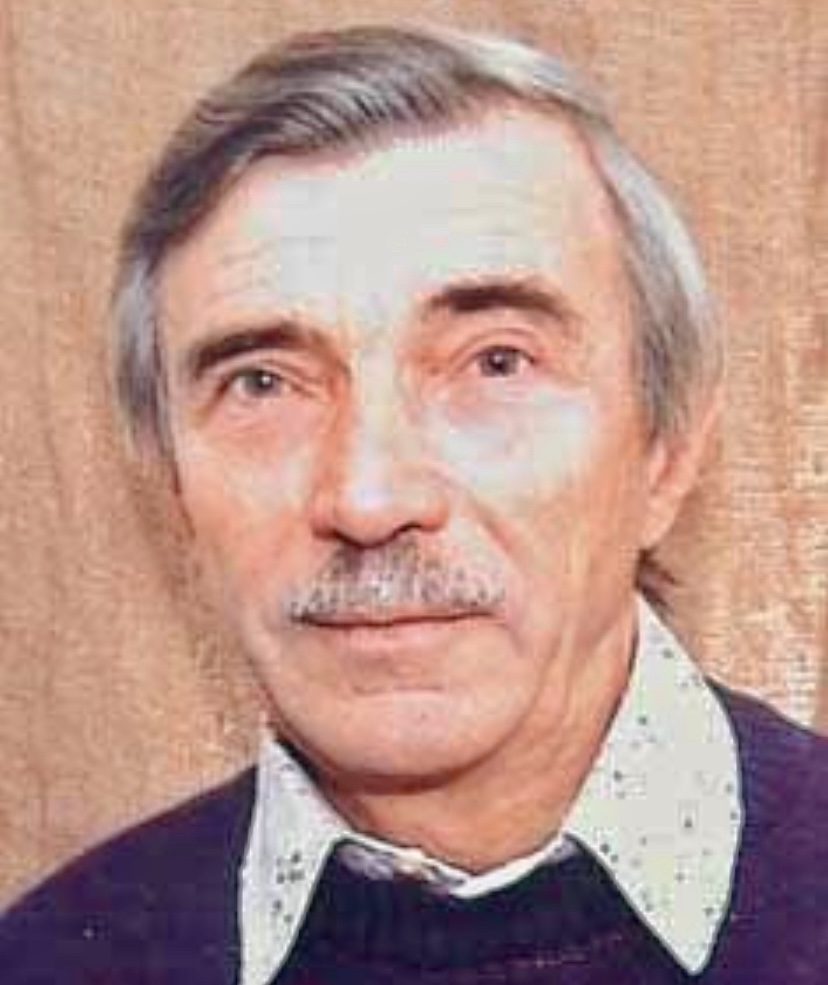
Yuri Viktorovich Smirnov. Photo: Elena Laletina
Yuri Viktorovich Smirnov, a prominent Leningrad mountaineer and Master of Sports of the former USSR, passed away on March 9, at age 79. An electrical engineering graduate, he made ascents from 1964–1989, earned the “Rescue Team” badge in 1968, and took part in over 30 rescue operations. He was a major figure in Russian rock climbing, becoming a highest-category coach (trained five Masters of Sports), the first international-category judge in the USSR (1989), and preparing routes and judging competitions for over 20 years.
Smirnov held numerous leadership roles (chairman of judges’ boards, vice-president of the Russian Climbing Federation, etc.) and designed and built more than 20 climbing walls across Russia. He founded the Nevskie Vertikali youth competitions and served as chief judge of the Rock Climbing for All Festival.
Rima Sherpa and Ngima Tashi Sherpa
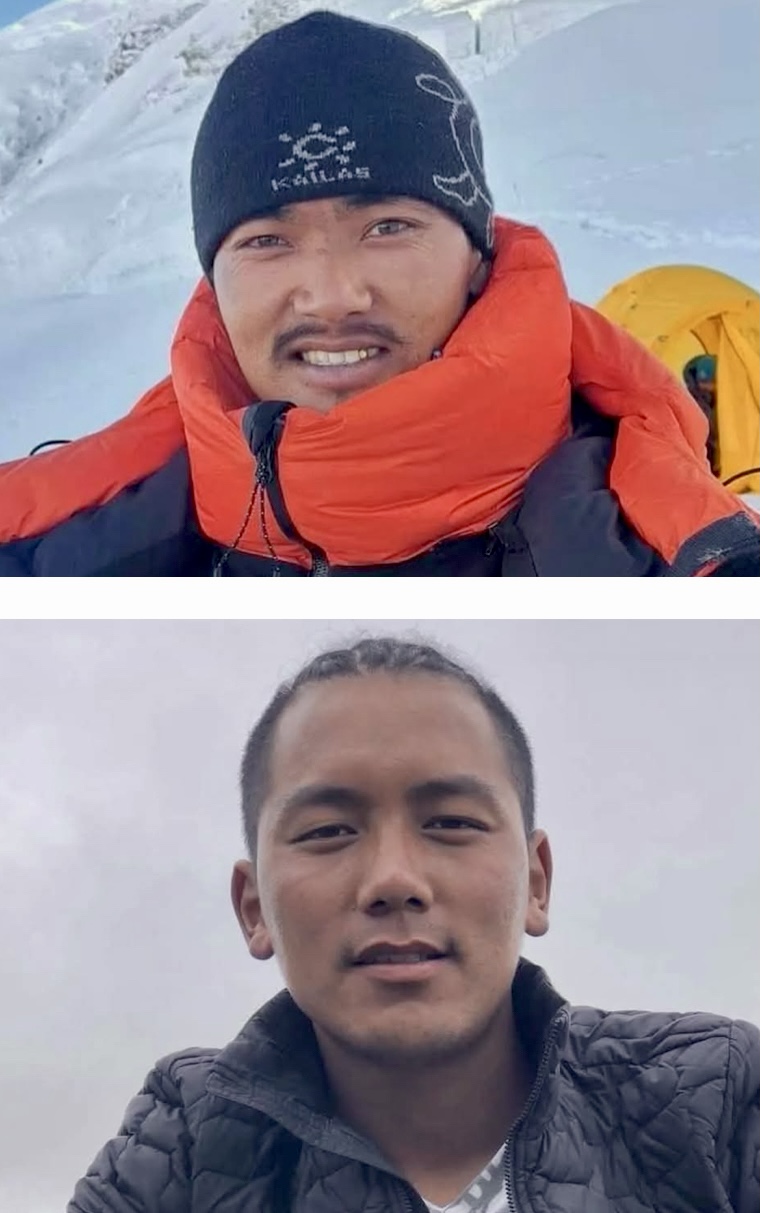
Rima Sherpa, top, and Ngima Tashi Sherpa. Photos: Pemba Jangbu Sherpa/Facebook
On April 7, a large avalanche swept the section between Camp 2 and Camp 3 on Annapurna I, while a rope-fixing team was working. Rima Rinje Sherpa and Ngima Tashi Sherpa were carrying oxygen cylinders up the route when the slide caught them and swept them into a crevasse. Climbers in Camp 3 saw the accident but could not help. A search team led by Chhang Dawa Sherpa located the bodies two days later.
Yuri Contreras Cedi
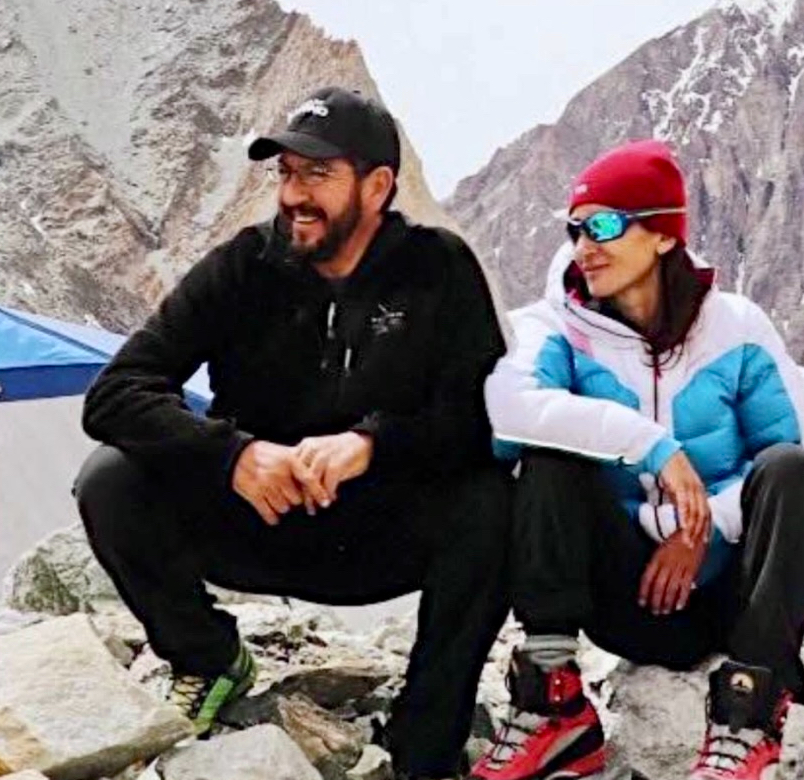
Yuri Contreras Cedi and his wife, climber Laura Gonzalez. Photo: Facebook
Mexican orthopedic surgeon and Himalayan trailblazer, Yuri Contreras Cedi, died of a heart attack on May 4 at 62, while taking part in a cycling event in Cancun.
Cedi summited Everest four times (1996 via the south route from Nepal, 1997 via the north route from Tibet, plus twice more) and summited several other 8,000m peaks, including Lhotse, Cho Oyu, Manaslu, Shisha Pangma, Gasherbrum II, Broad Peak, K2, and Makalu. He was the first person from his country to climb Everest by two distinct routes. He miraculously survived sliding hundreds of meters down Makalu in 2022.
A Leon resident since the 1990s, he mentored underrepresented youth at clinics and authored guides on high-altitude physiology. An avid cyclist, Cedi’s final social media post — Sobre dos ruedas, el mundo deja de ser rutina y se vuelve aventura (“On two wheels, the world ceases to be routine and becomes an adventure”) — captured his spirit.
Gleb Sokolov
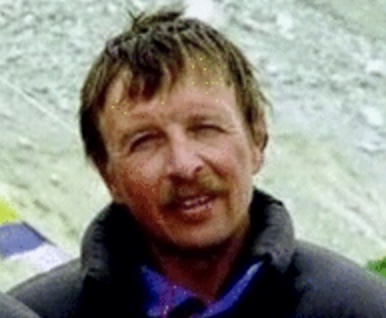
Gleb Sokolov. Photo: 7summitsclub
Russian Gleb Sokolov is one of just three people to summit all three peaks of the Lhotse massif. He died on May 9, at age 71, in Novosibirsk, Russia. Sokolov’s climbing CV is impressive, with a 1996 Makalu ascent, Lhotse achievements (Lhotse Main in 1997 and 2000, Lhotse Shar in 1998, and Lhotse Middle in 2001), an Everest North Face climb in 2004, and the Snow Leopard title thanks to over 35 ascents of 7,000m peaks.
Sokolov’s photography captured the sublime terror of the 8,000’ers, and his complex, intellectual character proved that the mountains demand not just strength, but soul too.
Andrzej Matuszyk
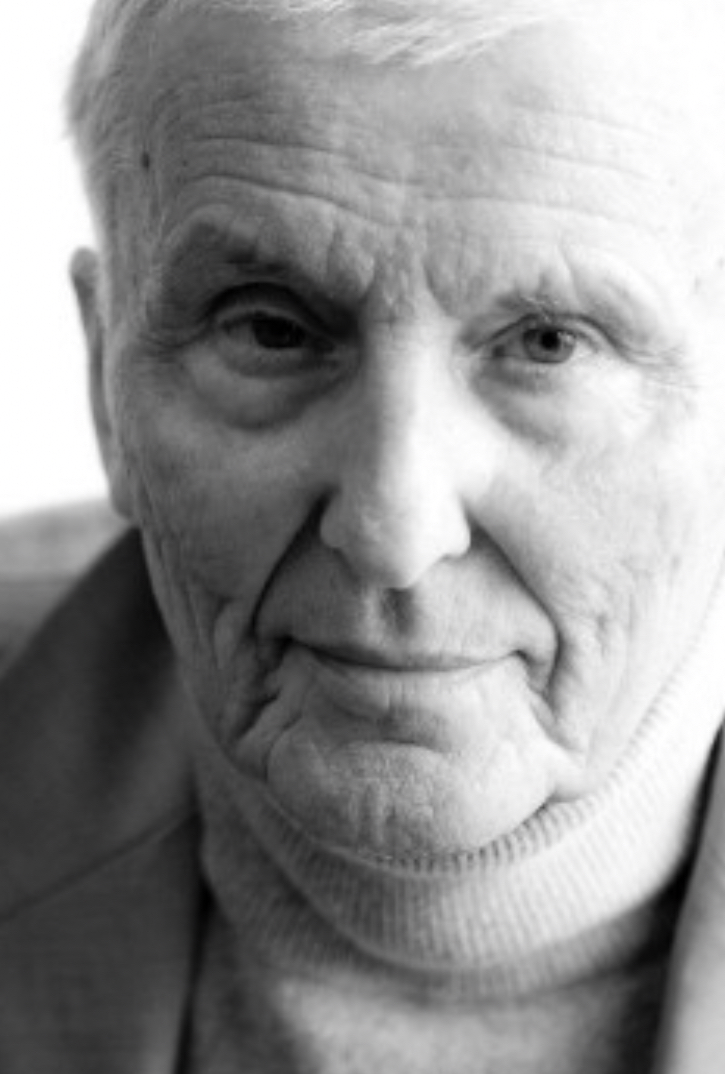
Andrzej Matuszyk. Photo: Akf.krakow.pl
Andrzej Matuszyk, Polish alpinist, professor, and trainer, died on May 8, at 89, in Krakow. As an emeritus professor and long-time head of the Alpine Department at the Academy of Physical Education in Poland, Matuszyk shaped Polish mountaineering through texts on extreme activity, avalanche science, and ethics. His winter ascents in the High Tatras during the 1970s and his 1973 Spitsbergen expedition (first Polish passages in the Hornsundtind region) positioned Poland as a global leader in alpinism. He also participated in the 1975 Tirich Mir expedition.
Lucas Buzzeiro
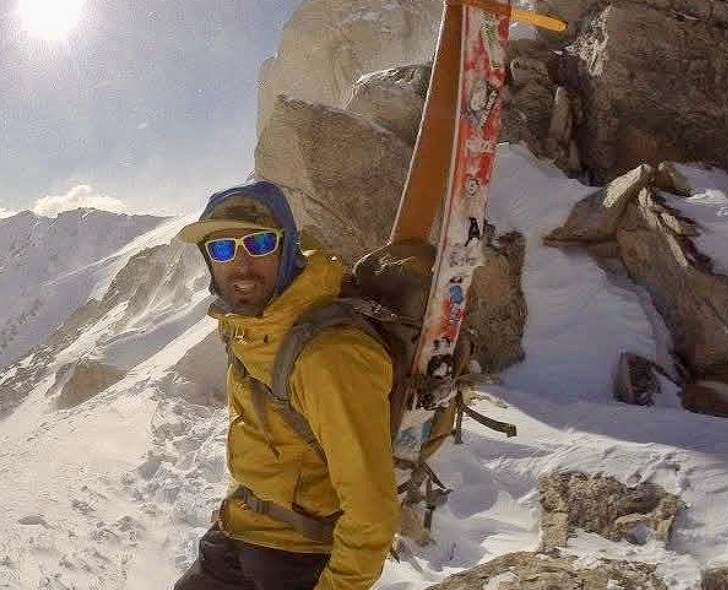
Lucas Buzzeiro. Photo: Aagm.com.ar
Lucas Buzzeiro, Argentine AAGM mountain guide and ski instructor, died on May 10 at 49. He suffered a 300m+ fall in the Couloir des Cosmiques in the Mont Blanc massif while descending on skis.
Buzzeiro’s local roots fueled his guiding career in Patagonia, where he worked independently and contributed to community initiatives. An AAGM board member and delegate for Bariloche guides, he was co-concessionaire of the Refugio Laguna Ilon with Andi Lamuniere, creating a popular trekking destination. He had a passion for freeride skiing and was a youth mentor through the Club Andino Bariloche’s Escuela Juvenil de Montana.
Nick Phaliani
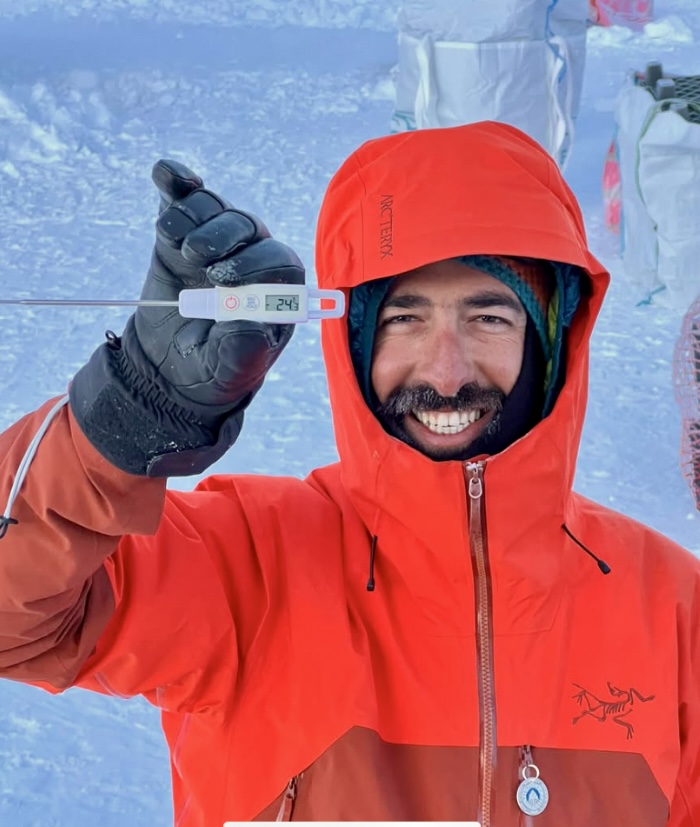
Nick Phaliani. Photo: Facebook
Nick Phaliani, a Georgian IFMGA-certified guide from Mestia, died on May 22 at 29. He died in a fatal fall from the south face of Mount Ushba during a four-person expedition.
Phaliani founded a Mestia-based tour company offering trips to demanding peaks like Ushba, the so-called Matterhorn of the Caucasus. He was featured in the 2022 film Kastanistan with Fabian Lentsch, and his freeride lines in untouched zones grew Georgia’s snow sports scene.
Vaclav Ruzhevsky
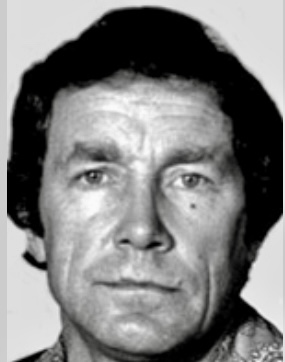
Vaclav Ruzhevsky. Photo: Sport-strana.ru
Vaclav Ruzhevsky, a native Czech who became a Soviet alpinist and revered instructor, died on June 1 at 90.
Ruzhevsky’s Caucasus ascents in the 1960s and 1970s, including winter firsts and routes with legends like Mikhail Khergiani, embodied the rigorous Soviet-era style. As a long-time instructor and chief of rescue/training at Ullu-Tau, he trained generations –including nine Masters of Sports, three of whom became Masters of International Class — and championed ethical, skillful alpinism. A quiet pillar of the community, his endurance, partnerships, and dedication inspired Eastern climbers to embrace the mountains.
Cristian Brenna
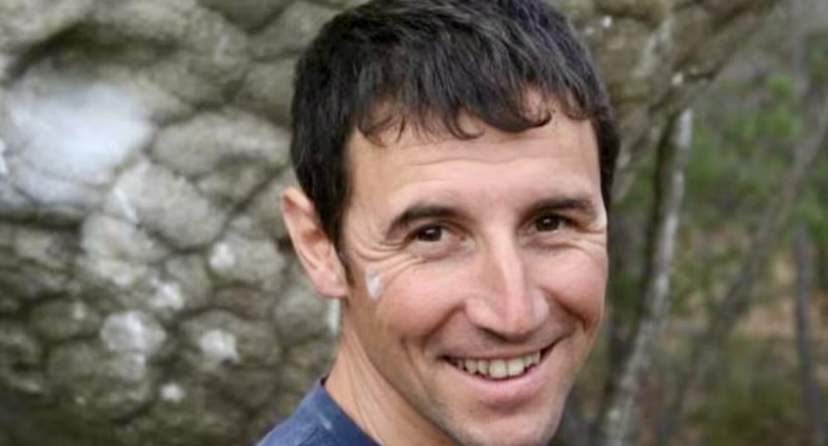
Cristian Brenna. Photo: AS
Cristian Brenna, Italian rock savant, national team coach, and Guardia di Finanza rescuer, died on June 3 at age 54. He died in a 100m+ fall on Monte Biaena while out with a companion. A 1990s competition phenom with 8c+ redpoints and onsight ascents up to 8b+, Brenna’s coached Olympic hopefuls and youth champions.
Brenna was active in bolting routes in the Arco area and engaged in ethics debates that enriched sport climbing. He participated in hundreds of rescues as a Guardia di Finanza alpine rescuer. A pioneer of demanding lines in Patagonia — like the first ascent of Cerro Piergiorgio’s northwest face with Herve Barmasse — Brenna’s charisma and self-deprecating humor will not be forgotten.
Sayuri Matsuyama Hoyos
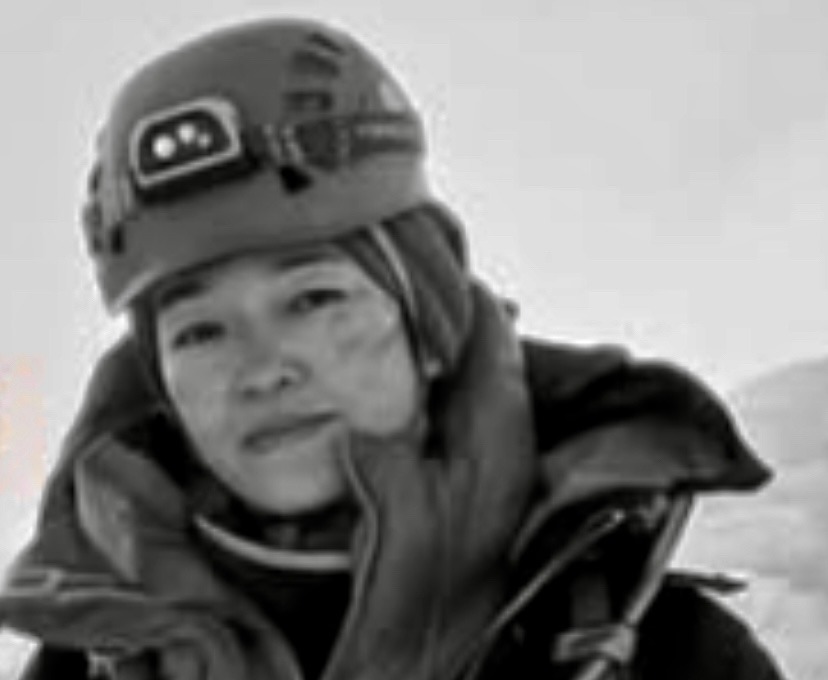
Sayuri Matsuyama Hoyos. Photo: Revista La Piola
Liliana Sayuri Matsuyama Hoyos, a Colombian-Japanese anthropologist, documentary filmmaker, and mountaineer, passed away in mid-2025. Hoyos pioneered women’s expeditions in South America during the late 1990s and early 2000s and was known for her work with Parques Nacionales Naturales de Colombia.
Rita Gombu Marwah

Rita Gombu Marwah. Photo: ILoveSiliguri/Facebook
Rita Gombu Marwah, daughter of the legendary Nawang Gombu (the first man to summit Everest twice) and grandniece of Tenzing Norgay, died on June 12, aged 67, after battling cancer in Delhi.
In 1984, Marwah became the first Indian woman to enter the Death Zone on Everest — reaching just 200m short of the summit — and helped pave the way for Bachendri Pal’s historic ascent in the same expedition. An Arjuna awardee and first woman vice-president of the Indian Mountaineering Foundation, she empowered Himalayan women through youth programs and eco-initiatives. Deputy leader of the 1993 Indo-Nepalese women’s Everest expedition, she summited numerous peaks.
Krystyna Palmowska
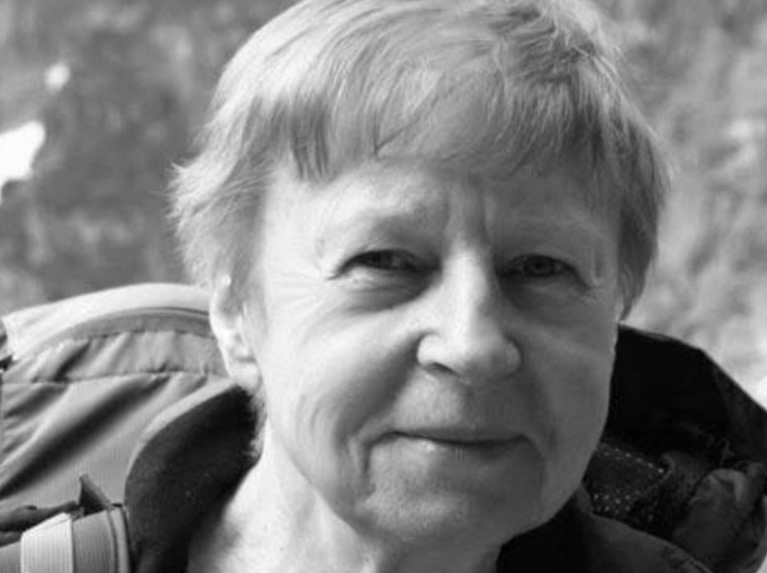
Krystyna Palmowska. Photo: Fundacja Himalaizmu Polskiego Andrzeja Zawady
The legendary Polish alpinist Krystyna Palmowska died on June 15, at age 76, in a climbing fall in Slovakia’s High Tatras. Her remarkable climbs included:
– the first all-female winter ascent of the Matterhorn North Face (1978)
– a new route on Rakaposhi (7,788m, 1979)
– participation in the 1982 K2 Women’s Expedition
– the first woman to summit Broad Peak (8,047m, 1983)
– the first all-female ascent of Nanga Parbat (8,126m, 1985)
– reaching 8,200m on K2’s Magic Line with Anna Czerwinska (1986).
Captain M. S. Kohli
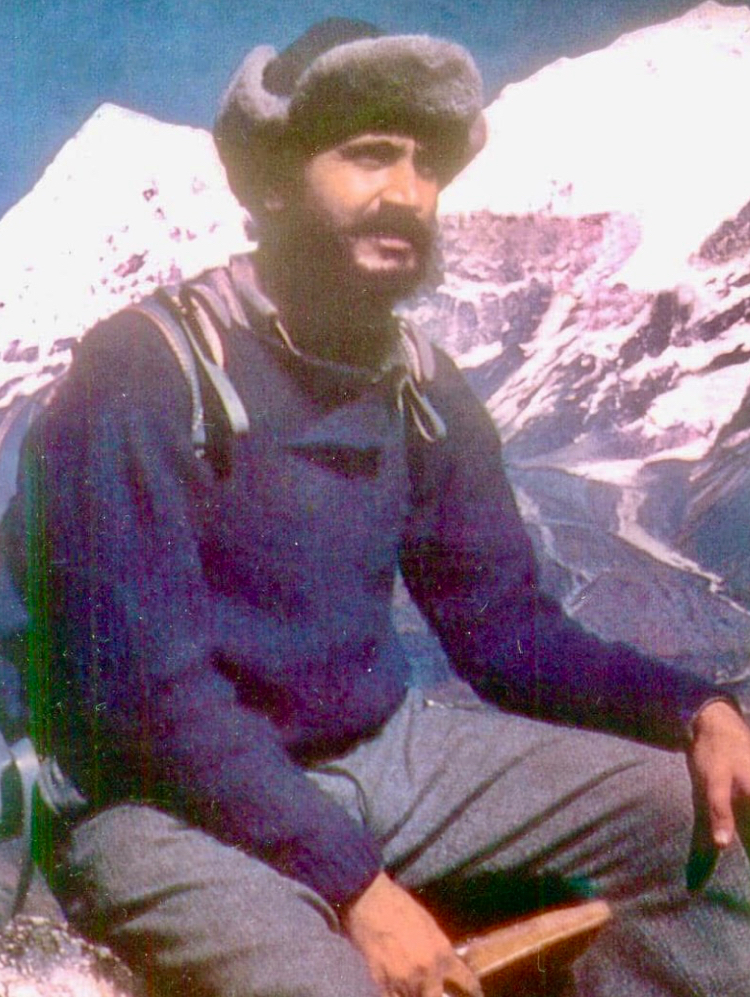
Captain M. S. Kohli. Photo: M. S. Kohli Collection
Indian mountaineer and naval officer Captain Manmohan Singh Kohli, 93, died on June 23. Best known for leading India’s groundbreaking 1965 Everest expedition — which placed a then-record nine climbers on the summit — Kohli was a driving force behind Indian Himalayan mountaineering from the 1950s. His remarkable achievements included:
– the first ascent of Saser Kangri (7,672m, Karakoram, 1956)
– second ascent of Nanda Kot (6,861m, Kumaon Himalaya, 1959)
– leading the first ascent of Annapurna III, the ascent of Nanda Devi, and the expedition to Nepal Peak between 1961 and 1964
– summits of Kabru Dome and Rathong in the eastern Himalaya
– participant in over 20 adventures in the Greater Ranges
– leadership of a covert 1965 Indian-American mission to install a monitoring device in the Himalaya
– guiding India’s first civilian Antarctic expedition (1982–1983)
A recipient of the Padma Bhushan, the Arjuna Award, and the Ati Vishisht Seva Medal, Kohli served as president of the Indian Mountaineering Foundation and co-founded the Himalayan Environment Trust with Sir Edmund Hillary. He authored several books and remained a beloved figure in global mountaineering circles.
Pal Bodis
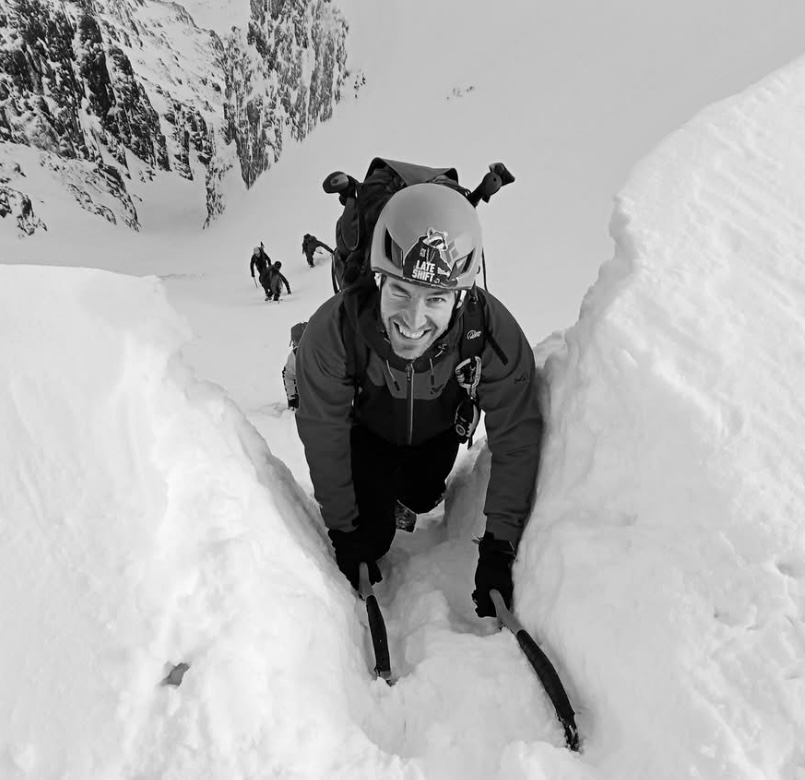
Pal Bodis. Photo: MHOK
Pal Bodis, a respected Hungarian mountaineering instructor and board member of the Magyar Hegymaszo Oktatoi Kollegium (Hungarian College of Mountaineering Instructors), died on June 29. He passed away following a climbing accident in the Austrian Alps near the Niederer Dachstein. Bodis was leading an alpine climbing course when he fell approximately 80m.
Bodis’s death represents an immense loss to the Hungarian mountaineering community.
Klara Kolouchova
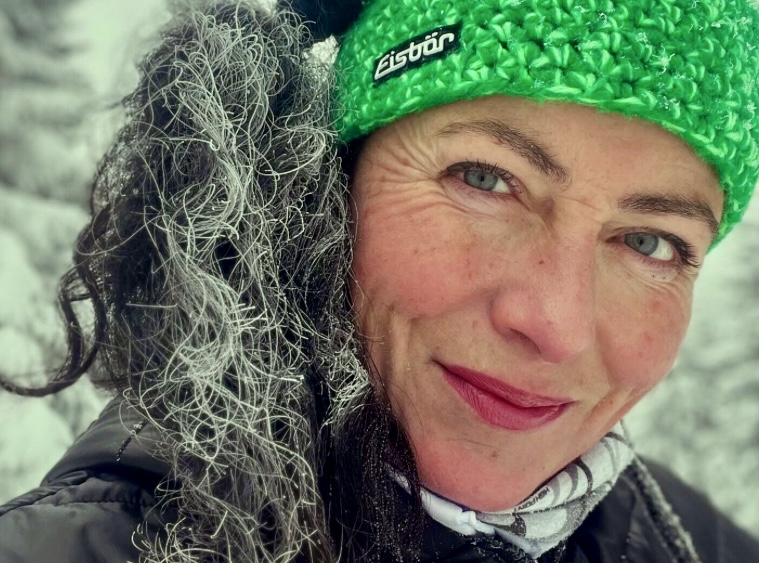
Klara Kolouchova. Photo: Klara Kolouchova
Czech mountaineer Klara Kolouchova, 46, died on July 3 after falling on the lower slopes of Nanga Parbat during a descent. During a summit push, she felt too tired to continue and turned back from near Camp 3, opting to descend — partly at night — with her Sherpa. She slipped and fell on a rocky section, reportedly above Camp 2 or between Camps 1 and 2.
Kolouchova was the first Czech woman to summit the world’s three highest peaks. She had also climbed Cho Oyu, Annapurna in 2024, and attempted Dhaulagiri in 2025. A mother of two, she was climbing with a team that included her husband (who had remained at Base Camp).
Yuri Mikhailovich Lishaev
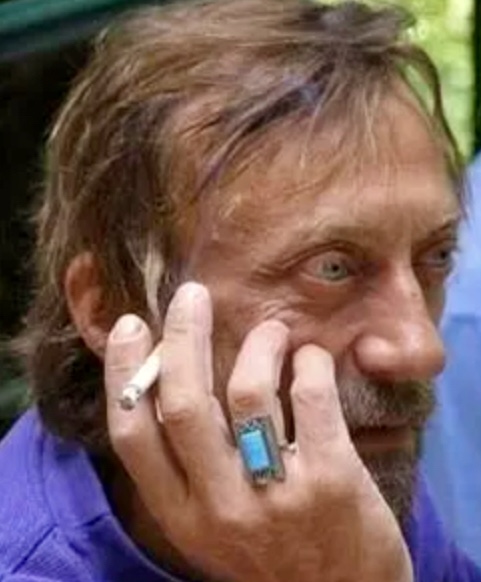
Yuri Lishaev. Photo: Wikipedia
Crimean mountaineer Yuri Mikhailovich Lishaev died on July 8 at 70. Born in Simferopol in 1955, he was a prominent Soviet and Ukrainian climber, rock climber, speleologist, and kayaker. A multi-time champion and prize-winner in USSR and Ukrainian rock climbing competitions, Lishaev earned the title Master of Sports of the USSR in 1978. He pioneered numerous routes in Crimea and the Caucasus, made bold solo ascents, and transitioned early to free climbing — a move that sparked conflict with federation officials. In 1980, he dramatically destroyed his Master of Sports documents in protest.
Despite severe injuries that left him with a disability and doctors predicting lifelong wheelchair use, Lishaev returned to the mountains on crutches and continued making ascents, including first post-injury solos. His resilience and innovative style made him an icon of Soviet-era mountaineering.
Krzysztof Paul
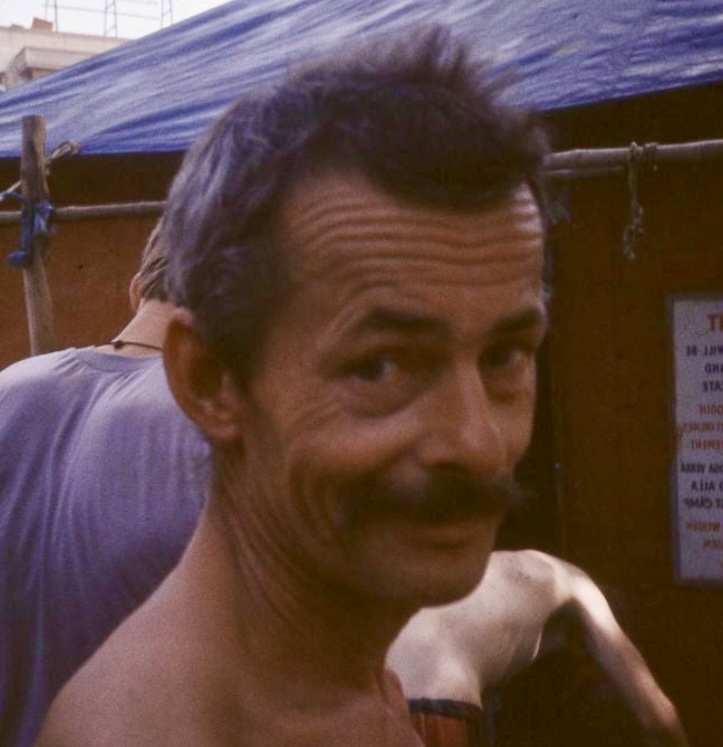
Krzysztof Paul. Photo: Michal Kochanczyk
Krzysztof Paul, a Polish mountaineer, sailor, and polar adventurer from Gdansk, died in his home city on July 2, aged 91. A long-time leader of the mountaineering club Wysokogorski Trojmiasto (KW Trojmiasto/Gdansk), he funded many Polish expeditions through high-altitude industrial projects. Active in the Tatras, Alps, and Caucasus, he pioneered ski mountaineering and Arctic expeditions, including demanding winter ski traverses (in Norway, Estonia, Lapland, and the White Sea) and multiple Spitsbergen crossings.
Pascal Strappazzon
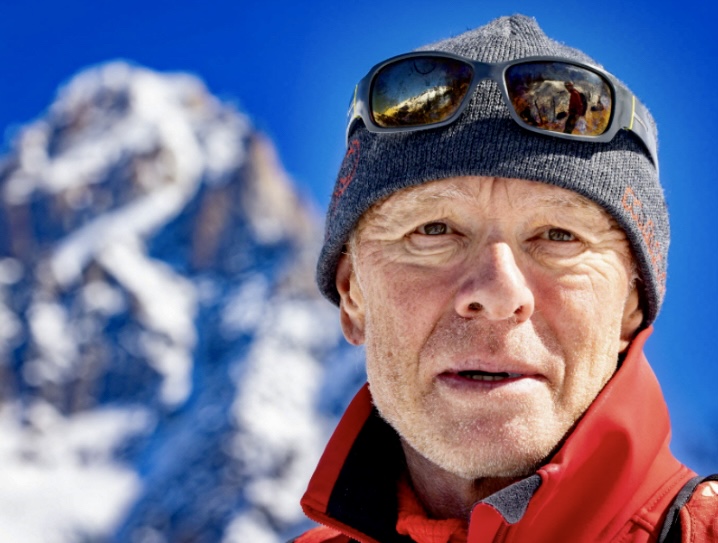
Pascal Strappazzon. Photo: LeDauphine
Pascal Strappazzon, a French high mountain guide from Haute-Savoie, died suddenly on July 14, at age 63. Strappazzon suffered a cardiac arrest during an ascent of Pyramide Vincent in the Monte Rosa massif. An accomplished Groupe Montagne Sapeurs-Pompiers (GMSP) instructor, he trained several generations of mountain rescuers and contributed significantly to innovations in helicopter operations and cross-border rescues in the Mont Blanc area. Passionate about the Alps, he embodied a commitment to safer mountains.
Iftikhar Sadpara
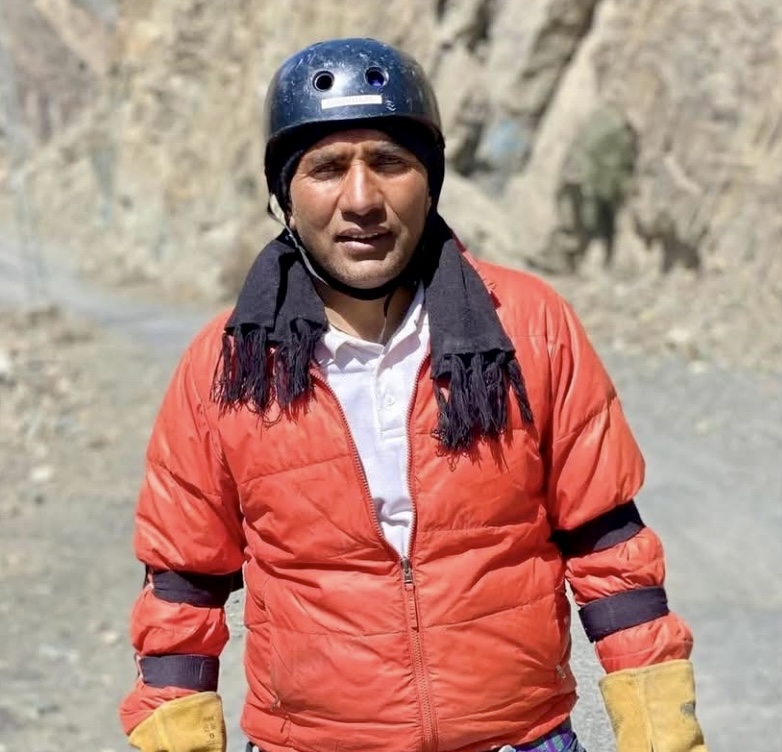
Iftikhar Sadpara. Photo: Pamir Times
Iftikhar Sadpara, a Pakistani high-altitude porter and climber from Sadpara village near Skardu in Gilgit-Baltistan, died on July 18. An avalanche caught him near Camp 1 on K2 while he was descending toward Base Camp with a four-member team.
An experienced mountaineer who had summited K2 at least twice, as well as Broad Peak and Gasherbrum II, Sadpara worked on numerous expeditions, fixing ropes on routes like the Abruzzi Spur and supporting international teams in the Karakoram.
Bogusia Skierska
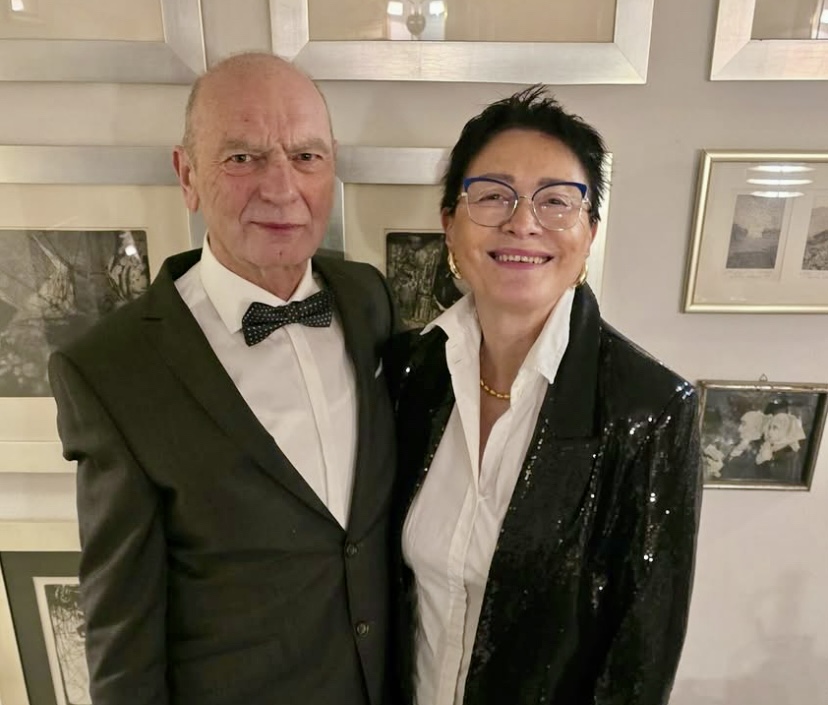
Bogusia Skierska and her husband Zbigniew Skierski, the former president of the Warsaw Mountaineering Club. Photo: Julian Skierski
Polish climber Bogusia Skierska, long-time member of Klub Wysokogorski Warszawa, and the warm heart of the Warsaw climbing community, died on July 23 at 72. She died in a tragic fall at the Arena Wspinaczkowa Makak climbing gym in Warsaw. A fixture in the club for over 50 years and the wife of former president Zbigniew Skierski, Bogusia welcomed generations of climbers into her home with feasts, deep conversations about ethics, and support that built a family atmosphere in the climbing community. Her environmental campaigns helped protect Warsaw-area crags.
Pedro Gomez
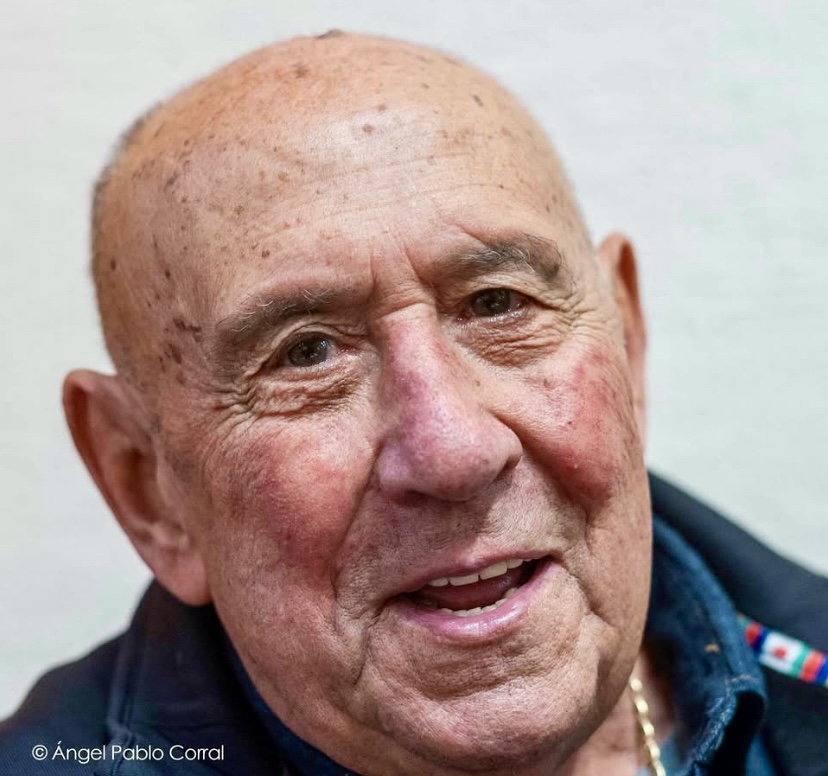
Pedro Gomez. Photo: Angel Pablo Corral
Pedro Gomez, a Spanish climber and skier, died in July at 98. Over a 70-year career, Gomez pioneered routes in the Pyrenees and ski lines in the Sierra Nevada. He produced Spain’s first high-quality down sleeping bags, the famous Caucasiano model that equipped the 1968 Caucasus expedition. An innovator in technical gear, his handmade down jackets equipped many Spanish alpinists.
Kanchha Sherpa
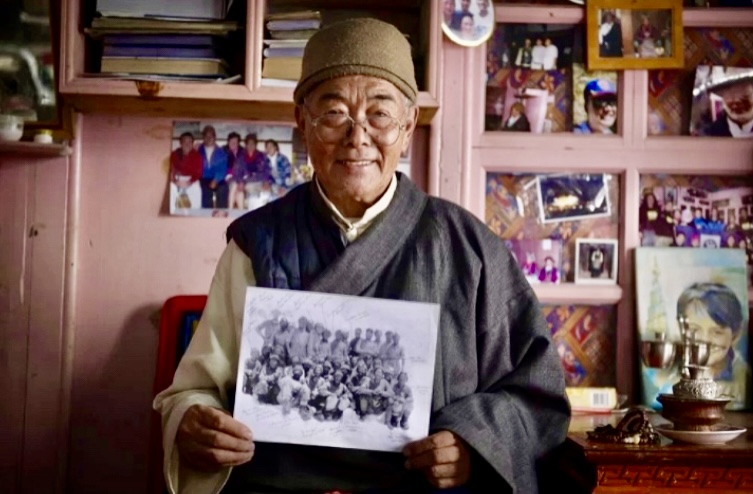
Kanchha Sherpa with the 1953 Everest team photo. Photo: Kanchha Sherpa Foundation
Nepali mountaineer Kanchha Sherpa died on October 16, at age 92, at home in Kathmandu. Kanchha was the final survivor of the 1953 British Everest team, when he carried loads to the South Col for Hillary and Tenzing’s historic summit. A Namche native, he guided for over 20 years, reaching 8,000m+ peaks like Cho Oyu.
Dale Bard
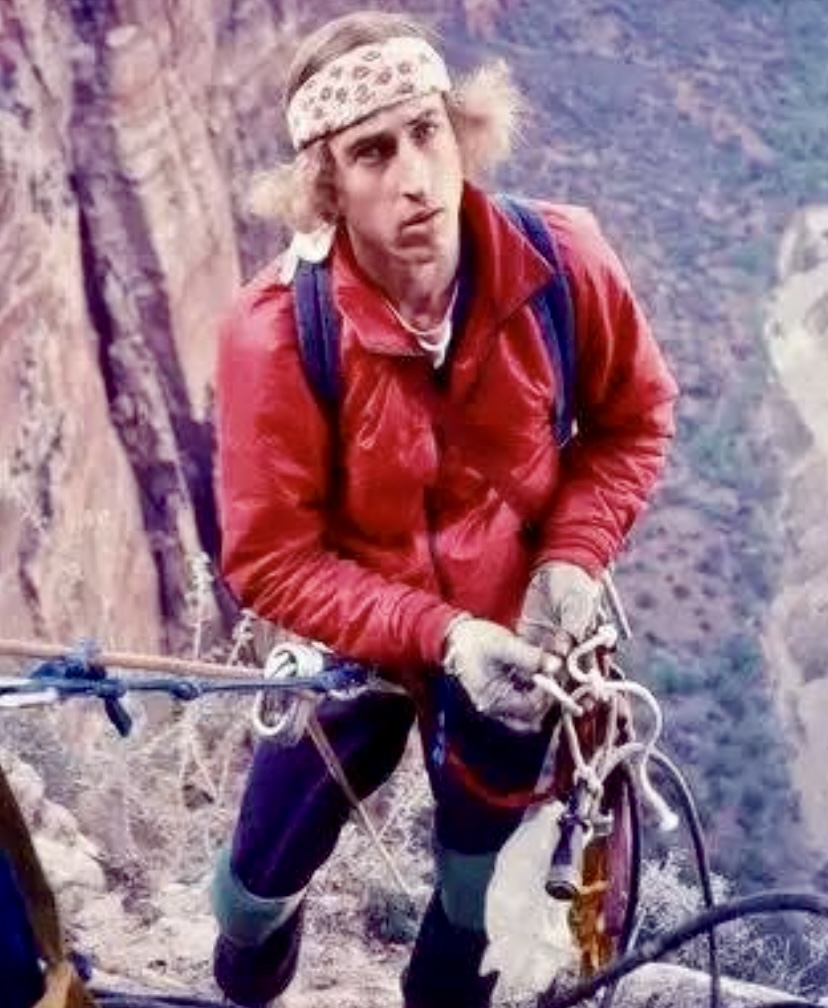
Dale Bard. Photo: OutdoorHub
American climber and Yosemite pioneer Dale Bard died on October 1, at age 71, of cancer. Bard’s 1970s first ascents, such as El Cap’s Sea of Dreams and Half Dome’s Bushid, defined Yosemite’s aid era, earning him Stonemaster status. Bard’s dirtbag ethos involved living on $15 for an entire climbing season in a bakery van.
Henry Todd
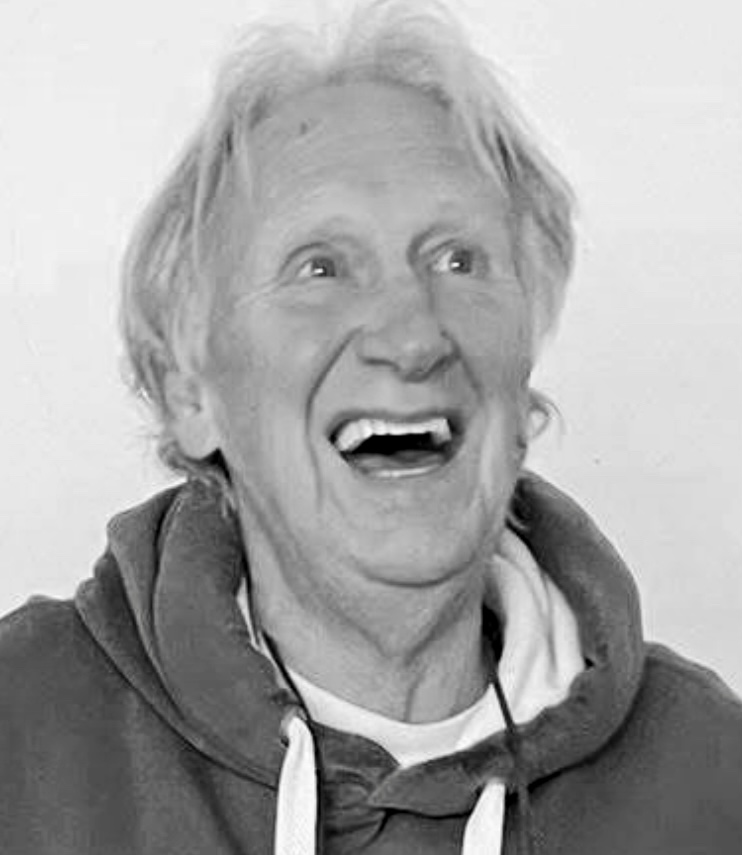
Henry Todd. Photo: The Tourism Times
Scottish mountaineer and Himalayan expedition organizer Henry Todd died on November 2. He was 80 and died from a stroke following heart surgery in Kathmandu’s HAMS Hospital.
Through Himalayan Guides, Todd organized more than 60 major expeditions and pioneered oxygen bottle refilling, making high-altitude climbing more affordable and reducing litter on peaks like Everest. A former rugby player who supported Bear Grylls’s successful 1998 Everest ascent, Todd empowered Sherpa teams, widely regarded as among the best of their era.
Andrzej Michnowski
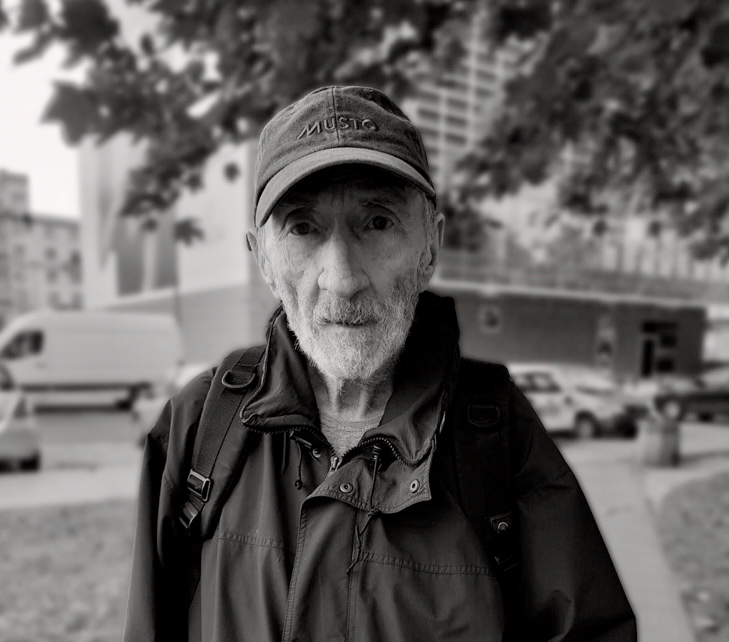
Andrzej ‘Dziadek’ Michnowski. Photo: Alina Styrczula-Michnowska
Polish mountaineer and beloved Tatra elder, Andrzej “Dziadek” Michnowski, died in early November, at age 76. His first ascents, like 15.10 do Yumy in Kazalnica’s Kocioł, helped define Polish Tatra climbing. For over 50 years, he mentored young Krakow climbers through demanding winter routes and traverses.
Karim Shah Nizari
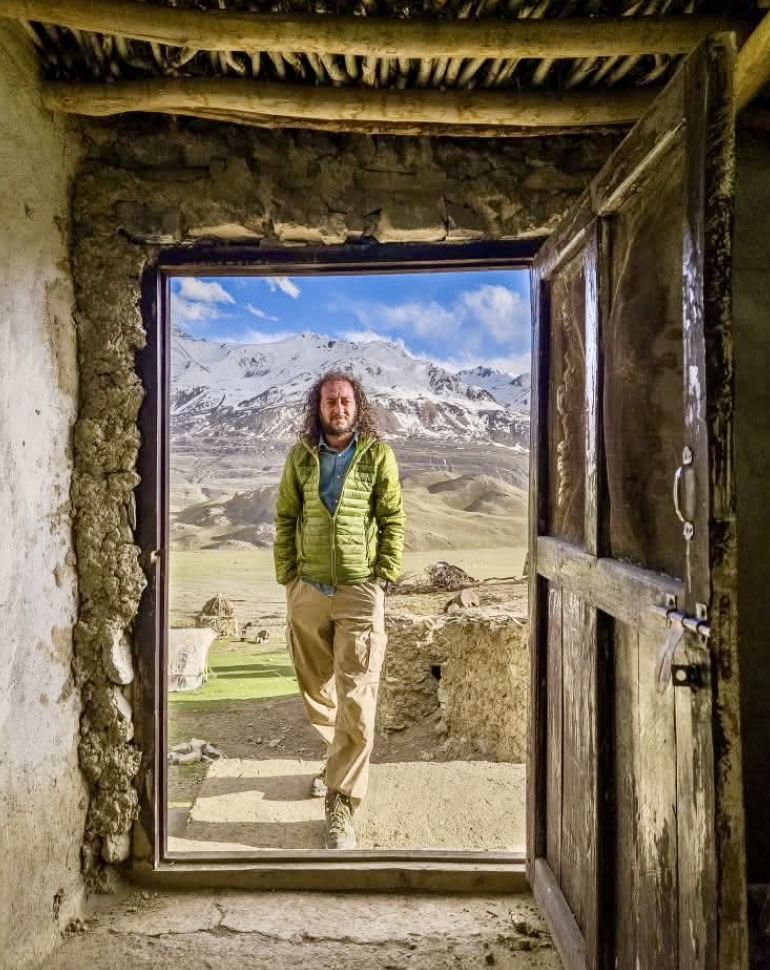
Karim Shah Nizari. Photo: Karakorumbasecamp.com
Pakistani adventure guide and social activist Karim Shah Nizari died on September 23, at age 39, from a heart attack. Nizari’s QAU rock team kick-started Islamabad’s climbing scene, pioneering Shadara walls and Margalla routes. An HEC national games representative and Gilgit-Baltistan advocate, he contributed to the 2019 search for climbers Daniele Nardi and Tom Ballard on Nanga Parbat. He promoted climate action via his website, Karakoram Essays.
Balin Miller
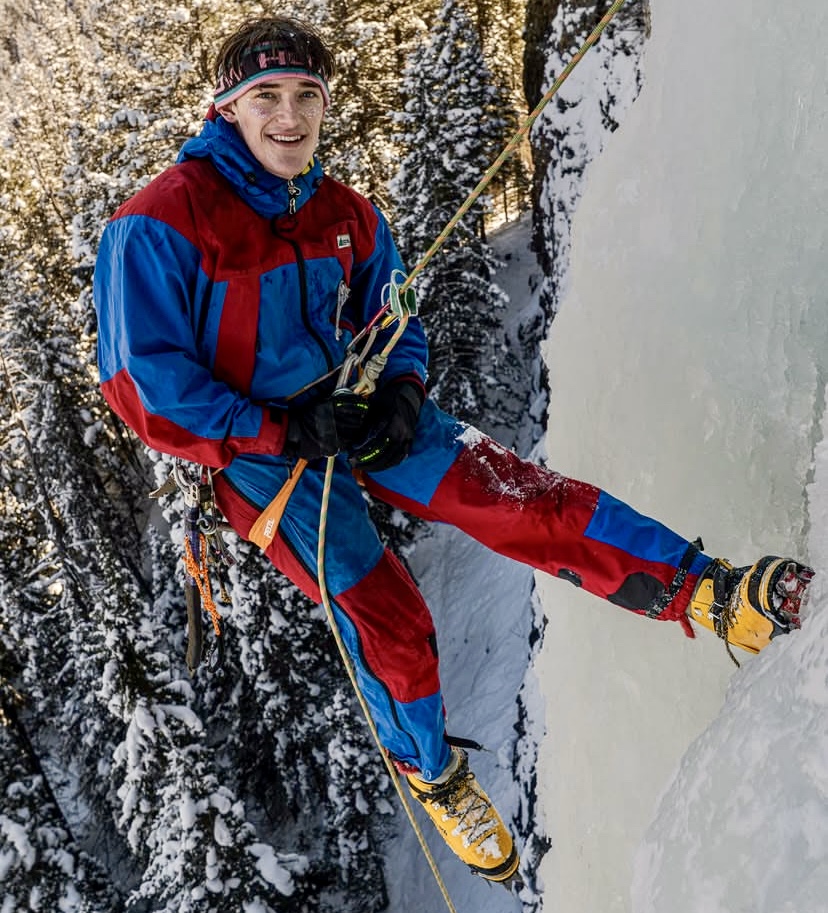
Balin Miller. Photo: Black Diamond
American climber and soloist Balin Miller died on October 1, at age 23, after rappelling off the end of his rope on El Cap’s Sea of Dreams. Miller’s June 2025 solo of the Slovak Direct on Denali, the first on record, marked him as a rising star. He started climbing at age three with his dad. Later, he shared his Patagonia and Canadian Rockies solos online with a growing audience.
Thomas Vialletet and Kellam Conover
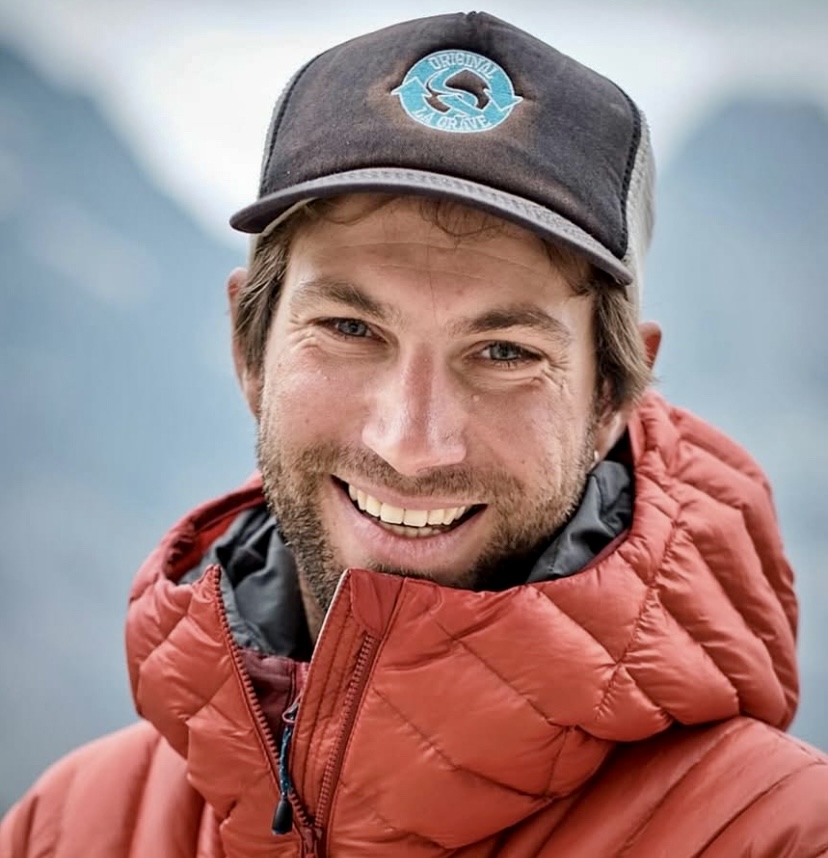
Thomas Vialletet. Photo: Facebook
French-New Zealand guide Thomas Vialletet and his client, American lawyer Kellam Conover, died on November 24 in a fall from Aoraki/Mount Cook’s west ridge during a summit push.
Vialletet spent 15+ years guiding with Summit Explorers, a company he co-owned with his wife Danielle while raising two young children.
Conover was a Stanford Law graduate at King & Spalding who balanced high-stakes briefs with climbing big walls.
Alexander Rastorguev
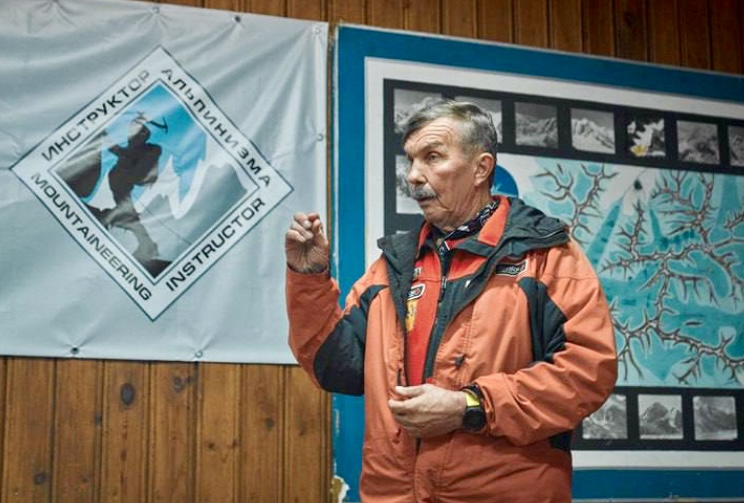
Alexander Rastorguev. Photo: Newdosh Media
Russian alpinist Alexander Rastorguev died on August 27, at age 68, in a rockfall on Dzhangi-Tau in Kabardino-Balkaria, Russia. A former president of the Krasnodar Mountaineering Federation, he opened dozens of routes across the Caucasus, including Elbrus variants and a notable 1989 first on Koshtan-Tau. Involved with Bezengi alpine camps as a senior instructor, he made 200+ ascents.
Natalia Nagovitsyna
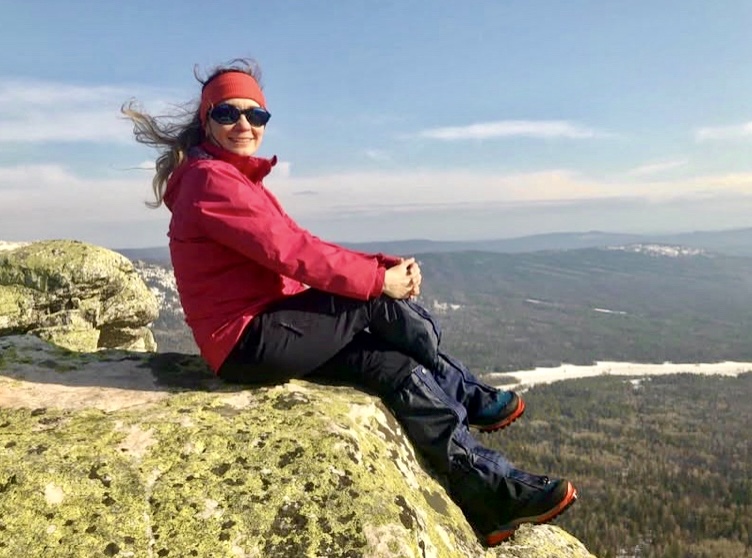
Natalia Nagovitsyna. Photo: Natalia Nagovitsyna
Russian mountaineer Natalia Nagovitsyna died in late August, at age 47, from exposure after a leg fracture on Pobeda Peak. Nagovitsyna’s quest for all five Snow Leopard peaks culminated on Pobeda, her final summit, pushing on despite her husband’s death from a stroke while they climbed Khan Tengri in 2021.
Luca Sinigaglia
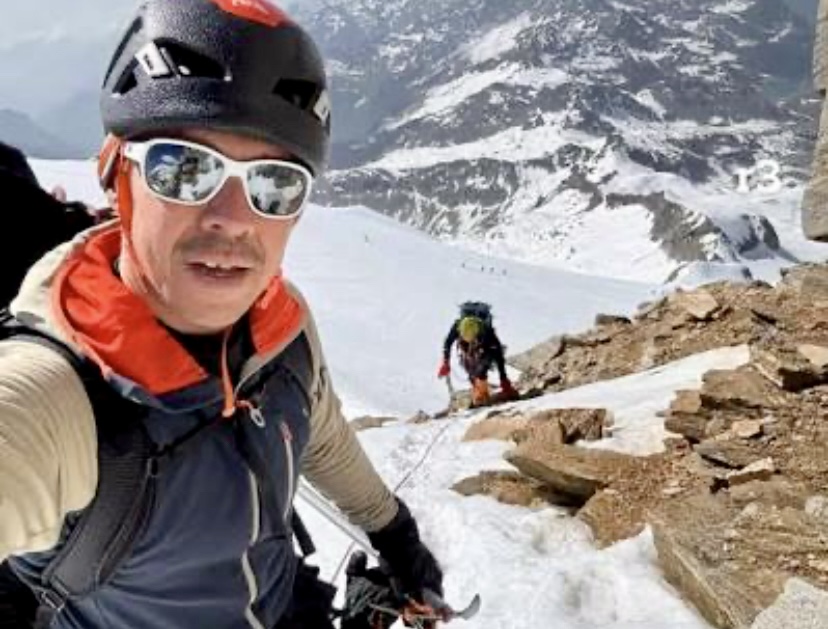
Luca Sinigaglia. Photo: Instagram
Italian mountaineer and Tien Shan regular, Luca Sinigaglia, died on August 15 at age 49. He died from exposure and cerebral edema on Pobeda Peak while aiding Natalia Nagovitsyna. Sinigaglia and a German climbing partner reached Nagovitsyna post-leg break, delivering supplies at around 7,100m before Sinigaglia succumbed on the way down.
Nikolay Totmyanin
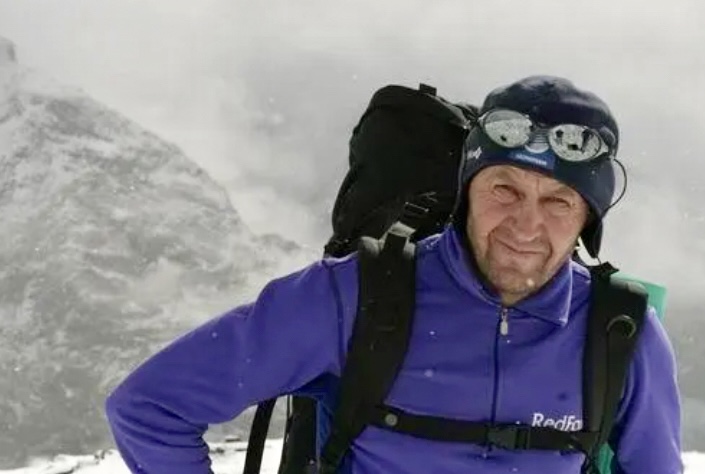
Nikolay Totmyanin. Photo: Medium.com
Legendary Russian mountaineer, “Iron Uncle Kolya,” Nikolay Totmyanin, died on August 11 at age 66. He died in Bishkek after an illness descending Pobeda Peak. Totmyanin’s multiple Snow Leopard completions (five to seven full sets) and his 2004 Jannu North Face climb (which earned him a Piolet d’Or) highlighted his prowess.
The captain of Russia’s national climbing team, his 200+ ascents — from Lhotse’s South Face to Alaska’s Ruth Gorge — spanned 50 years, including two no-oxygen Everest summits.
Christophe Jackquemoud
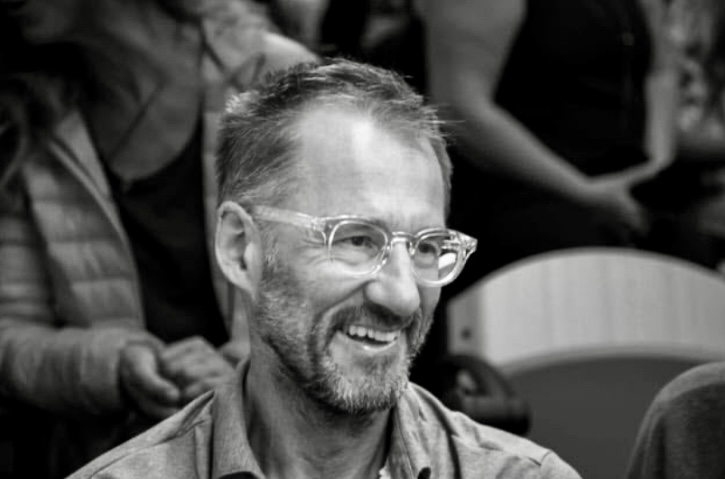
Christophe Jackquemoud. Photo: Le DL/Ensa
French mountain guide Christophe Jacquemoud died on September 12, at age 52, in a rappelling fall on the Pilier Cordier in the Grands Charmoz (Mont Blanc massif). Jacquemoud’s 20+ years with the Compagnie des Guides de Chamonix and ENSA (France’s national school for training mountain guides) included vital route re-equips and safety missions.
Benjamin Guigonnet and Quentin Lombard
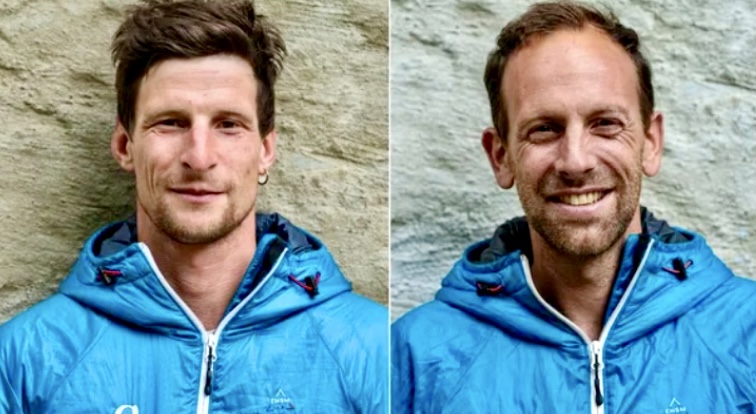
Quentin Lombard, left, and Benjamin Guigonnet. Photo: ENSA
Piolet d’Or alpinist Benjamin Guigonnet and Savoie guide Quentin Lombard died on September 18, at ages 37 and 34, in a car crash on the Route des Crêtes in the Gorges du Verdon. Guigonnet won a 2018 Piolet d’Or for the South Face of Nuptse Nup II with Millerioux and Degoulet. He also enjoyed hard alpine routes and rock climbing to 9a.
Lombard achieved guide certification in 2017 and was a national ski instructor from 2014.
Franco Gaspari
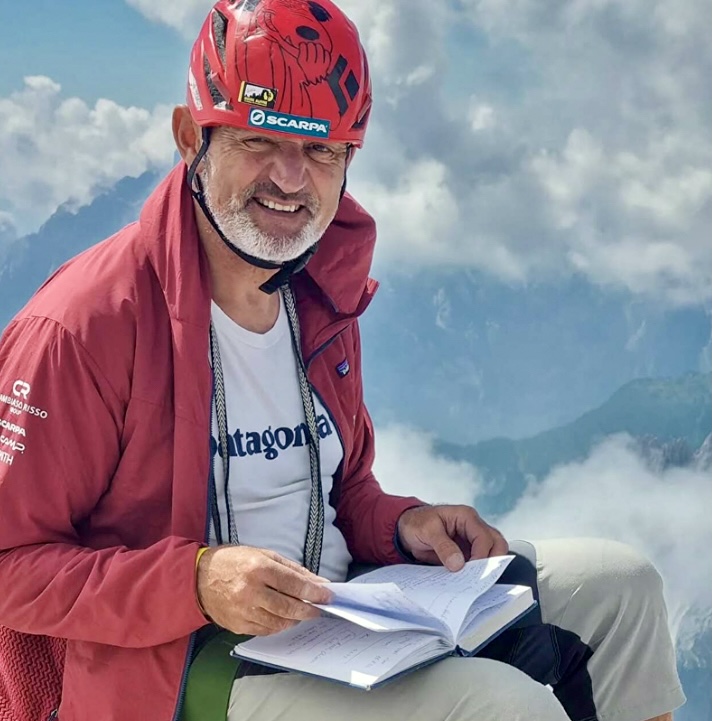
Franco Gaspari. Photo: Planet Mountain
Italian mountain guide Franco Gaspari died on September 17 at age 64. He fell near the summit of Cima Grande di Lavaredo. Gaspari opened Dolomites routes like Gusela del Nuvolau’s east pillar (1981) and Sass de Stria west wall (1984). Working for Soccorso Alpino (a voluntary Italian rescue organization) since 1985, his thousands of rescues saved many lives. In 2024, he authored Di Roccia e di Cuore on 70 years of Soccorso history.
Maurizio Zappa
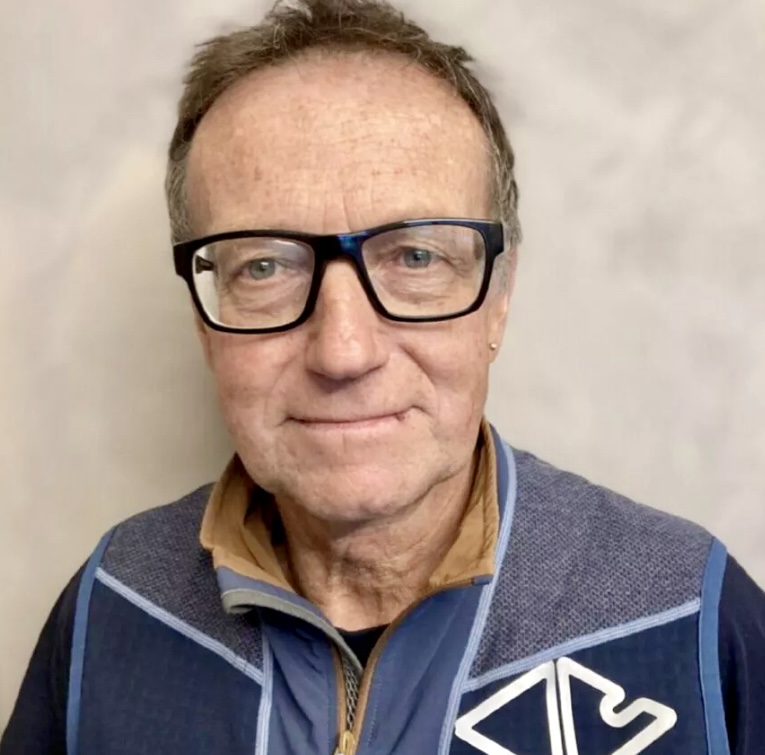
Maurizio Zappa. Photo: Radiotsn.tv
Italian alpinist and mountain rescuer Maurizio Zappa died on August 17, at age 71, of natural causes at home in Bormio. Zappa’s 50-year Italian National Mountain and Cave Rescue Corps (CNSAS) career included thousands of rescues as a technician and canyoning instructor, innovating anticaduta (anti-fall) techniques. A guide since 1979, he co-opened Roda di Vael’s Via Casarotto with Casarotto and Majori.
Martin Buhler
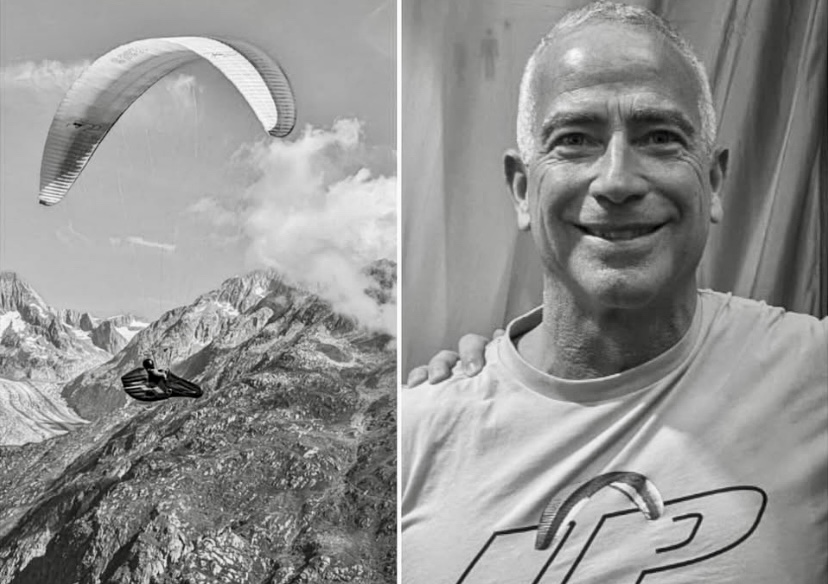
Martin Buhler. Photo: UP Paragliders
Liechtenstein alpinist and paraglider pilot Martin Buhler died on August 17, at around age 50, in a paragliding accident in Valais. A valued UP Paragliders team pilot, his flights enabled bold expeditions blending aerial access with alpine objectives.
Laura Dahlmeier
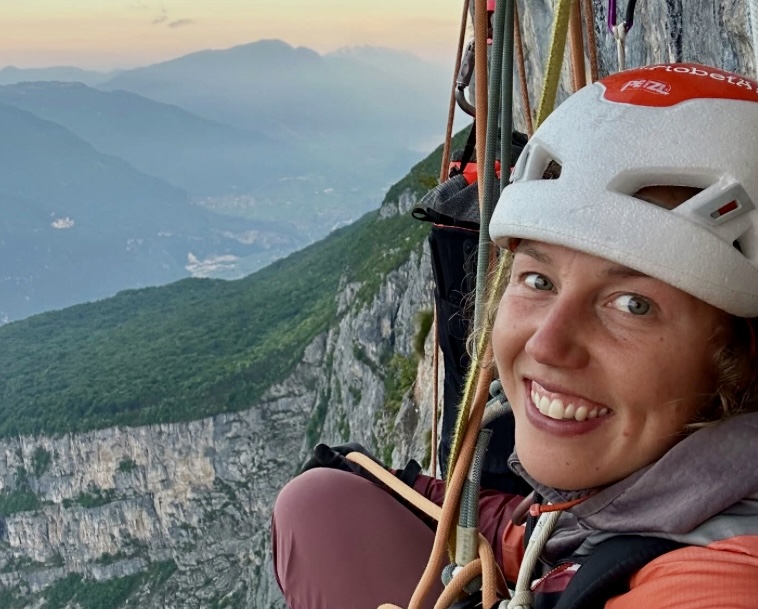
Laura Dahlmeier. Photo: Facebook
German biathlete and mountaineer Laura Dahlmeier died on July 28. Aged just 31, she died in a rockfall on Laila Peak in Pakistan. Dahlmeier’s 2018 PyeongChang double gold (sprint/pursuit) was the first woman’s biathlon Olympic sweep. She won seven world biathlon titles. She had been a guide in Garmisch-Partenkirchen, Germany, since 2023 (with mountain rescue involvement).
Nicolas Gregorio Benedetti
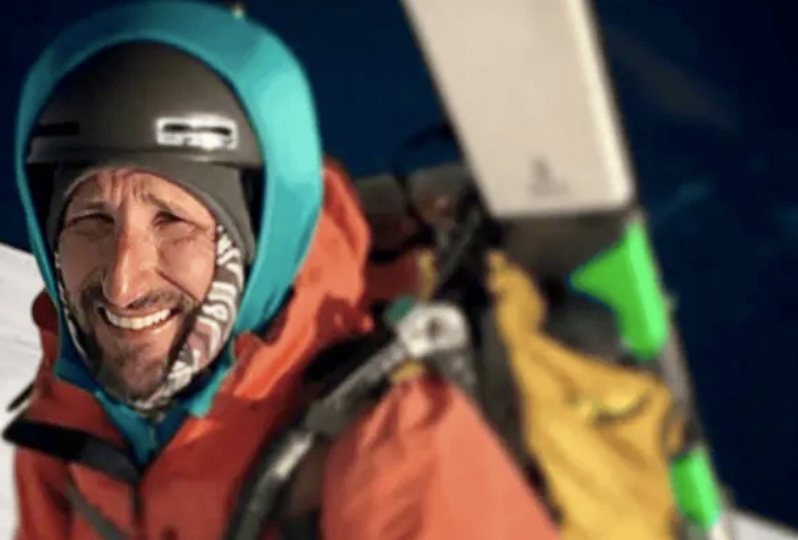
Nicolas Gregorio Benedetti. Photo: LaGaceta.com.ar
Argentine mountain guide and IFMGA/UIAGM-certified Patagonia expert, Nicolas Gregorio Benedetti, died on June 25, at age 53, in a paragliding accident on Mont Blanc. Benedetti’s 30-year career included multiple ascents of Cerro Torre and Fitz Roy (including early repeats of routes like the Tehuelche and Afanasieff), plus pioneering work on Patagonian ice lines and Hielo Continental traverses.
Roberto Sorgato
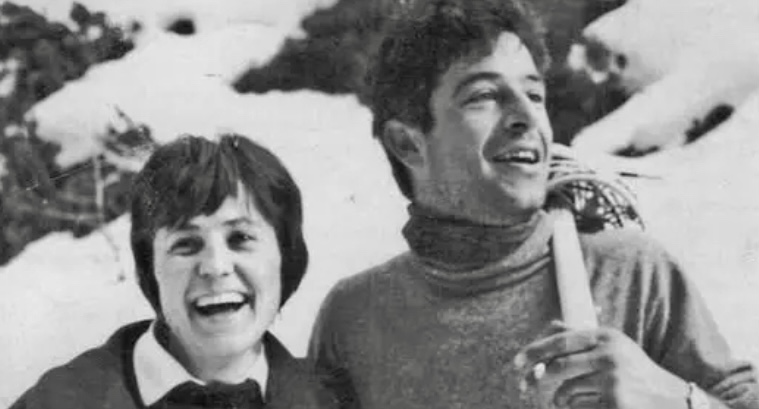
Roberto Sorgato, right. Photo: Federazione Montanari
Roberto Sorgato, a highly respected figure in international alpinism, passed away on December 6 at 88. Born in Belluno in 1937, he rose to prominence in the 1960s and 1970s with daring climbs and winter first ascents on iconic Dolomites peaks such as the Civetta and Cima Su Alto. He often climbed alongside legends like Ignazio Piussi and Toni Hiebeler. In 1961, he survived a dramatic 60m fall on the Cima Ovest di Lavaredo. His close call inspired the French documentary Abimes.
Sorgato formed a strong partnership with Pierre Mazeaud, opening demanding new routes on Mont Blanc’s Brenva face and elsewhere. Sorgato also contributed to mountain culture as president of the Association of Friends of the Fondazione Giovanni Angelini in Belluno.
Skiers and snowboarders
Margot Simond
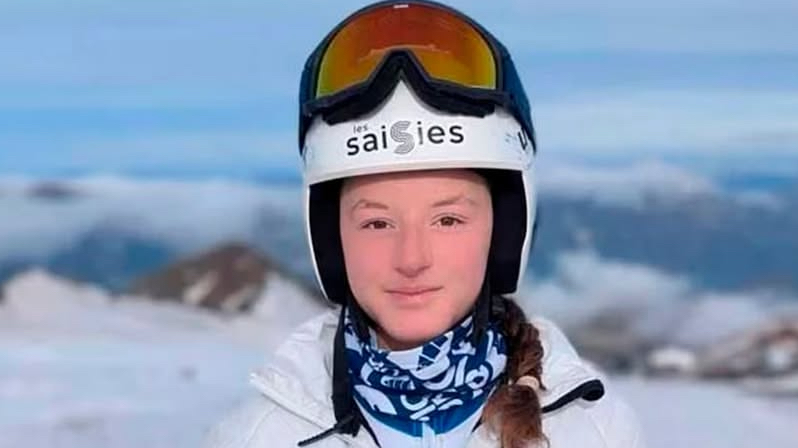
Margot Simond. Photo: Diarioformosaexpres
Margot Simond, a promising French junior alpine skier from Les Saisies, died on April 24 at age 18. She suffered a high-speed crash during training at the Red Bull Alpine Park on Val d’Isère’s Envers de Bellevarde.
Simond’s recent French U18 slalom title and strong performances on the International Ski Federation circuit — including at the 2025 Junior World Championships — marked her as a bright prospect for the World Cup. Former Olympic champion Mikaela Shiffrin hailed Simond as a potential “spark” for the next generation of skiers before her career was cut tragically short.
Eliot Danzer

Eliot Dänzer. Photo: Nendaz Freeride
Swiss freeride snowboarding prodigy Eliot Dänzer died on May 17, at age 23, in an avalanche on the Eiger’s West Face. Dänzer had finished third in the 2024–25 FWT Challenger series (snowboard men), highlighted by a win at Nendaz Freeride.
Wendy Wagner
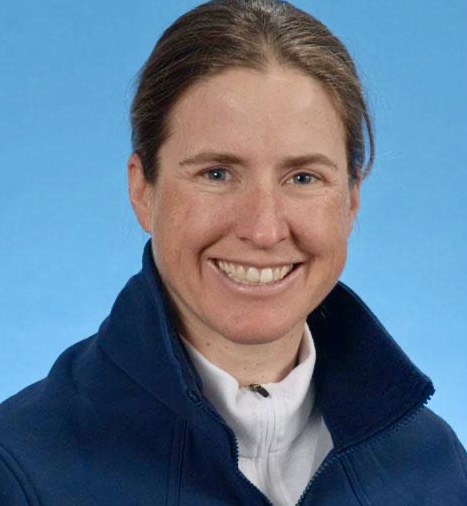
Wendy Wagner. Photo: U.S. Olympic Committee
American cross-country skier Wendy Wagner represented the United States at the 2002 Salt Lake City and 2006 Torino Olympics, as well as at four World Championships. Wagner died on November 6, at age 52, in Park City, Utah, after a battle with ovarian cancer.
After retiring from competition, Wagner earned a master’s degree in atmospheric science and served as director of the Chugach National Forest Avalanche Information Center (CNFAIC) from 2014 to 2025, significantly expanding its forecasting coverage for areas including Turnagain Pass, Summit Lake, and the Chugach Front Range.
Wingsuit and BASE jumpers
Carlos Suarez
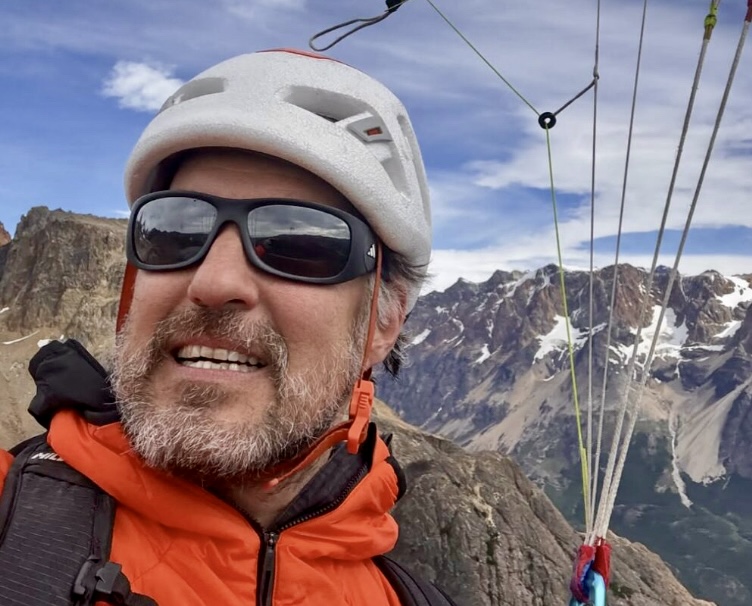
Carlos Suarez. Photo: Carlos Suarez
Carlos Suarez was a Spanish alpinist and BASE jumper. He died on April 1, at 52, when his parachute failed during a wingsuit flight from a hot-air balloon. Suarez and a documentary crew were filming La Fiera at the time, a documentary about BASE jumping in Spain.
At 17, Suarez free-soloed the Cassin route on the Walker Spur of the Grandes Jorasses. With over 1,000 aerial exits, he introduced BASE jumping to Spain and mentored its pioneers, despite losing friends Dario Barrio, Alvaro Bulto, and Manolo Chana. His ethos, “adventure is not about surviving, it’s about living fully,” inspired many in his sport.
Liam Byrne

Liam Byrne. Photo: Facebook
Liam Byrne, British wingsuit champion, died on June 21, at age 24. He died in a wingsuit BASE jumping accident on Gitschen mountain in the Swiss Alps. Byrne, who featured in the 2024 BBC documentary The Boy Who Can Fly, had completed more than 4,000 jumps in his career. He climbed Mount Kilimanjaro at age 12 and became a skydiving instructor by 19.
Marta Jimenez
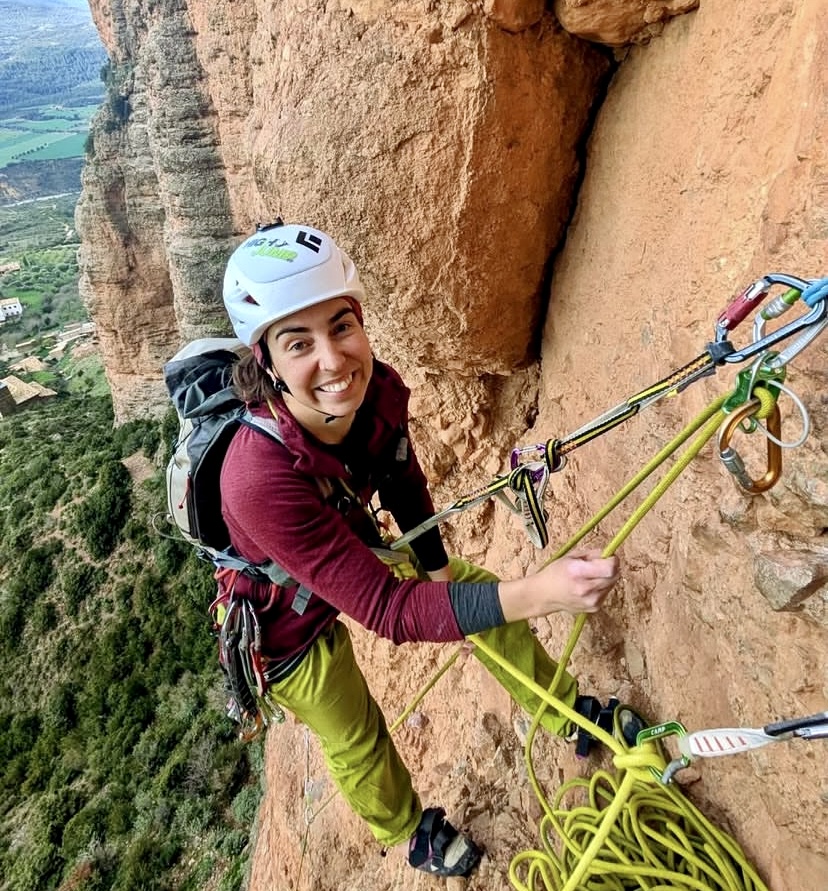
Marta Jimenez. Photo: Marta Jimenez
Marta Jimenez, a Spanish Mujer Adrenalina (Adrenaline Woman) and extreme sports expert, died on July 13 at age 34. She passed away in a BASE jumping accident in the Chistau Valley (Punta Calva, Spanish Pyrenees). A TV personality in Spain, Jimenez’s daring on-air challenges and stunts (she completed nearly 400 BASE jumps) brought extreme sports to millions.
Felix Baumgartner
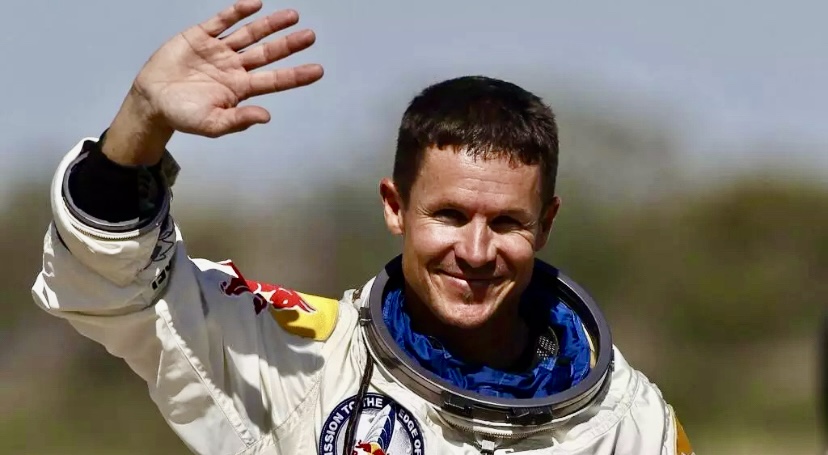
Felix Baumgartner. Photo: AP – Ross Franklin
The man who skydived at supersonic speeds from the edge of space, Felix Baumgartner, died on July 17, at age 56, in a powered paragliding accident over Porto Sant’Elpidio on Italy’s Adriatic coast. Baumgartner’s 2012 Red Bull Stratos leap, a 39km freefall at Mach 1.25, made international headlines. He made 1,000+ jumps from landmarks like the Petronas Towers and Christ the Redeemer, crossed the English Channel using a carbon-fiber wing (2003), and advocated for safer practices in the sport.
Jean-Jacques Wallis
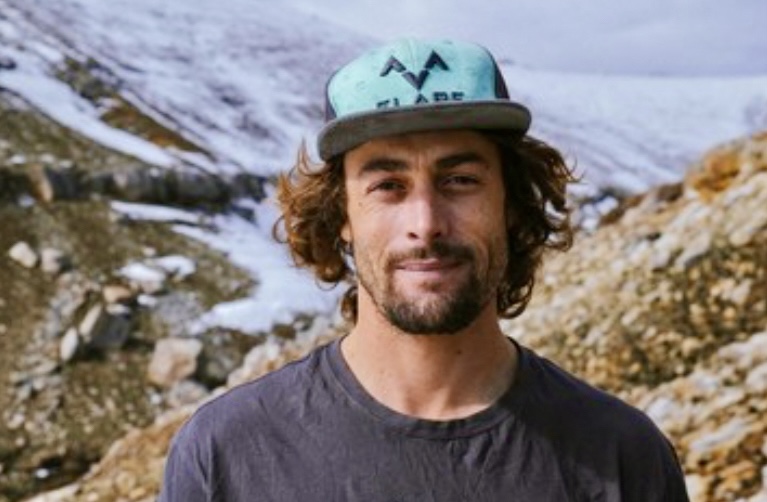
Jean-Jacques Wallis. Photo: Social media
South African aerial sports athlete and licensed free-flight pilot, Jean-Jacques Wallis, died on November 25, at age 36. He died after a paragliding accident at Lion’s Head mountain in Cape Town, South Africa. Wallis was testing a new high-performance hybrid wing (a type of parakite designed for strong coastal winds and speed flying) when the incident occurred.
Wallis demonstrated expertise in paragliding, skydiving, BASE jumping, speed flying, and wingsuit flying, with more than 20 years of experience. He won a gold medal in the Target Strike event at the World Wingsuit League Grand Prix.
Other adventurers
Cristina Santurino
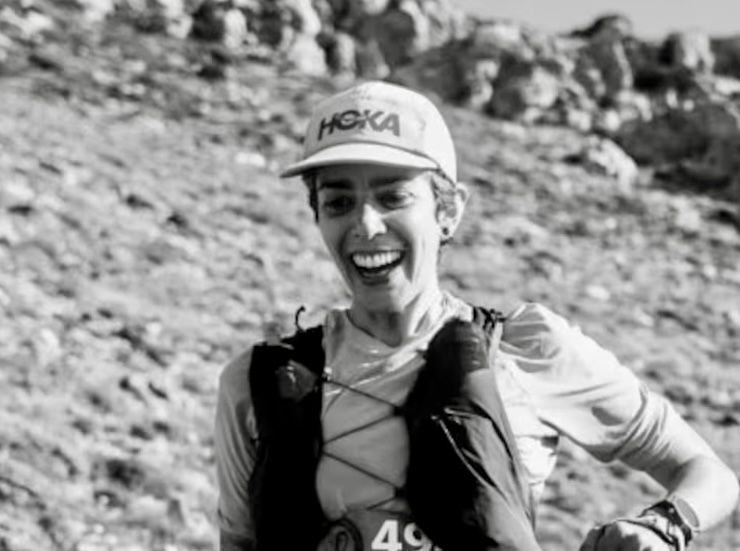
Cristina Santurino. Photo: Cadena Ser
Spanish ultrarunner and sports nutrition PhD, Cristina Santurino, died unexpectedly on June 10 — her 36th birthday — at her home in El Hierro, Canary Islands. Santurino’s expertise in electrolyte protocols and endurance fueling advised many athletes, while her doctoral work focused on training approaches. Double winner at Gran Trail Peñalara (TEP 62km and GTP 104km) and Zegama-Aizkorri finisher (6:18:45), her myth-busting classes at Universidad Internacional de Valencia empowered women in ultras.
Andreas Tonelli
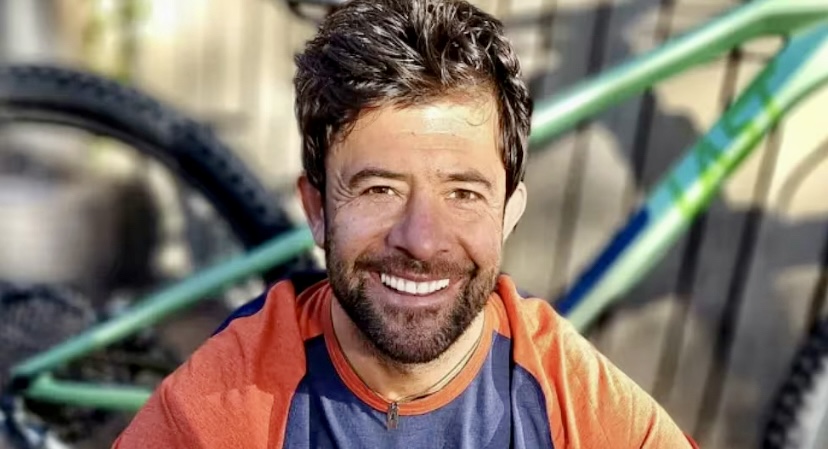
Andreas Tonelli. Photo: Norrona Adventure
Italian enduro biker, Andreas Tonelli, died on July 15 at age 48. He died in a 200m fall while riding solo on a steep trail in the Vallelunga area above Val Gardena, Italy. Tonelli earned over 120k followers thanks to his vertigo-inducing videos, including footage of Puez-Odle traverses and Lofoten tours. A splitboarder and guide, his bike ascent of Nevado Ojos del Salado (6,893m) in the Andes was of particular note.
Karlis Bardelis
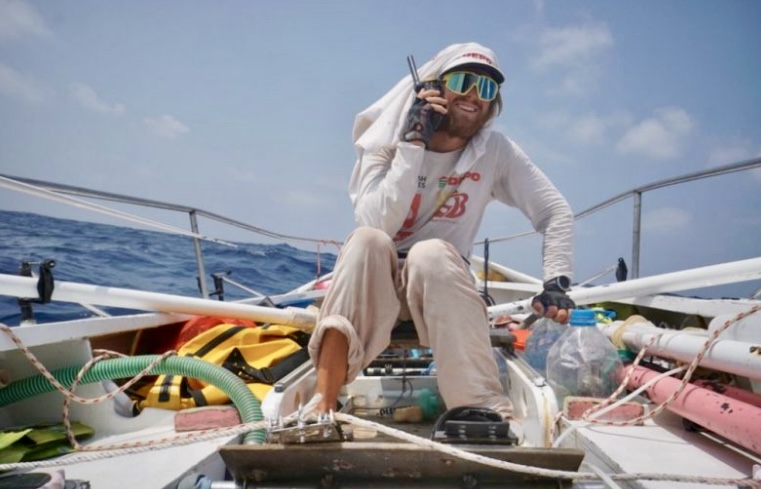
Karlis Bardelis. Photo: Karlis Bardelis
Karlis Bardelis, a Latvian ocean rower, died on November 17 at age 40. He died from a malignant brain tumor following a stroke. Bardelis’s 2,898-day human-powered circumnavigation — rowing solo across the Atlantic, Pacific, and Indian Oceans, plus cycling over 50,000km — set six Guinness World Records, including the first row from South America to Asia and Asia to Africa.
Photographers and cultural personalities
Gilles Rotillon

Gilles Rotillon. Photo: Ffme.fr
Gilles Rotillon, a French climbing theorist and academic, died on July 11 at age 78. A passionate advocate for expanding climbing as a popular pursuit, he played a key role in its development through sports federations in France. His writings explored the philosophical and cultural dimensions of climbing. Through his essays, he championed preserving wild sites.
Ivan Konar
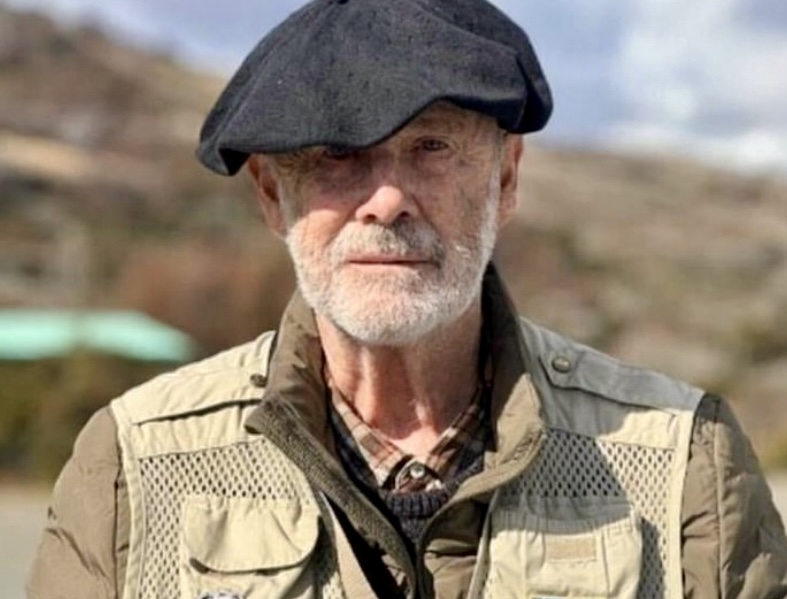
Ivan Konar. Photo: Radiosago
Chilean landscape photographer Ivan Konar died on November 21 at age 80. He died from a fall during a photo outing. Konar’s Patagonian portfolios (Andes’ Wild Heart exhibited globally) captured Valdivian forests and the soul of southern Chile. His 50-year career chronicled Chile’s wild places.
Jim Brandenburg

Jim Brandenburg. Photo: Jim Brandenburg/Facebook
Minnesota’s meadow maestro, Jim Brandenburg, died on April 4 at age 79, of cancer at home in Medina. Brandenburg first became famous for shooting the Arctic wolves of Ellesmere Island for National Geographic. His Chased by the Light — one frame per day across 90 autumn days in the north woods — earned great acclaim, with four of his images listed in the 40 most important nature photos ever taken. His Brandenburg Prairie Foundation worked to rescue Minnesota grasslands.
Stefan Fruhbeis
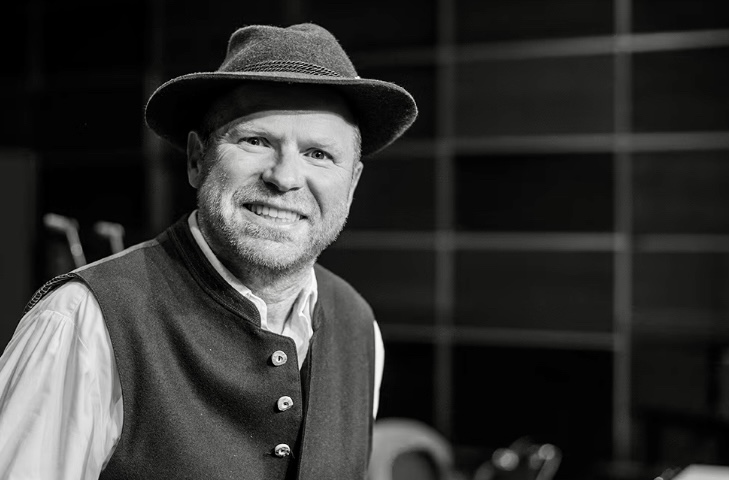
Stefan Fruhbeis. Photo: BR/Julia Müller
German alpine broadcaster Stefan Fruhbeis died on June 16, at age 64. Fruhbeis’s Rucksackradio brought mountain stories to millions since the 1990s. Founder of the radio station BR Heimat, his broadcasts drew an average of 240,000 daily listeners.
Francesco Parisotto
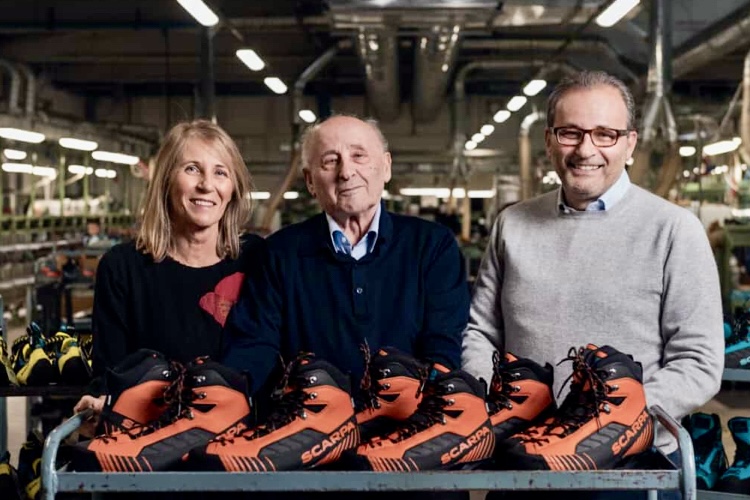
Cristina, Francesco (in the middle), and Sandro Parisotto. Photo: SCARPA
Italian Francesco Parisotto, Scarpa’s transformative leader, passed away on August 3 at the age of 98 due to natural causes in Veneto, Italy. Parisotto’s post-World War II innovations in crampons and rugged packs helped revolutionize mountaineering gear, equipping countless expeditions and high-altitude ascents. With brothers Luigi and Antonio, he acquired and grew Scarpa from an artisan shop in Asolo in 1956 to a global icon.
Paolo de Zordo
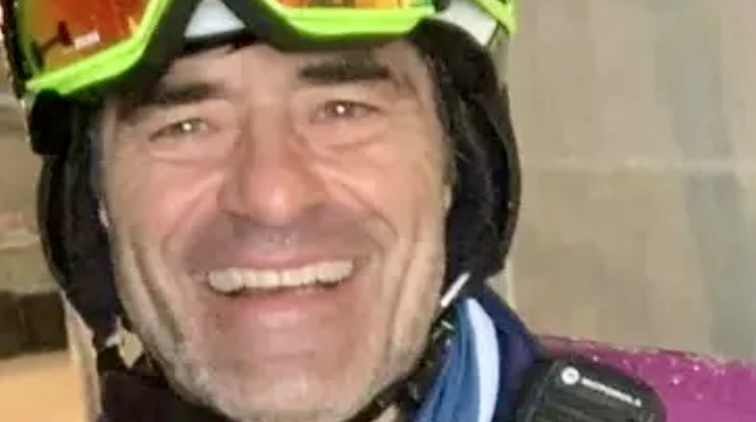
Paolo de Zordo. Photo: Tribuna Treviso
Italian alpine rescue leader Paolo de Zordo, dubbed the Angel of Cortina for his decades of Dolomites lifesaving, died on May 14, at age 55, after a long illness. As deputy commissioner and head of piste safety in Cortina d’Ampezzo since 1994, De Zordo orchestrated 20,000+ rescues.
Joan Garrigos
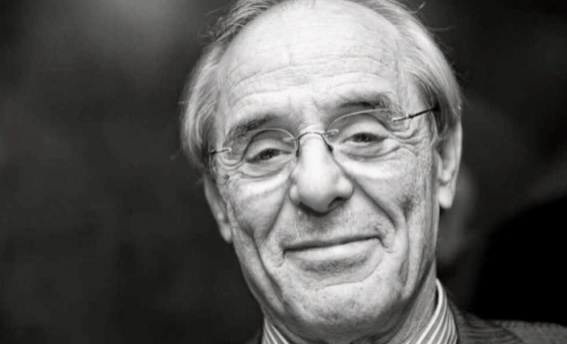
Joan Garrigos. Photo: FEDME
Joan Garrigos Toro passed away on December 7 at age 78. Toro was a prominent Catalan mountaineer, climber, and alpinist who dedicated his life to mountain sports from the age of 14. He served as president of the Catalan Federation of Hiking Organizations from 1979 to 1993, modernizing the organization and boosting its growth, and later led the Spanish Federation of Mountain and Climbing Sports from 1992 to 2021. Toro achieved numerous ascents in the Pyrenees, Alps, Andes, and other ranges. He left a legacy of professionalization and passion for the mountains in both Catalan and national spheres.
“In one of the stars I shall be living. In one of them, I shall be laughing. And so it will be as if all the stars were laughing when you look at the sky at night. You — only you — will have stars that can laugh!”
— Antoine de Saint-Exupéry, The Little Prince
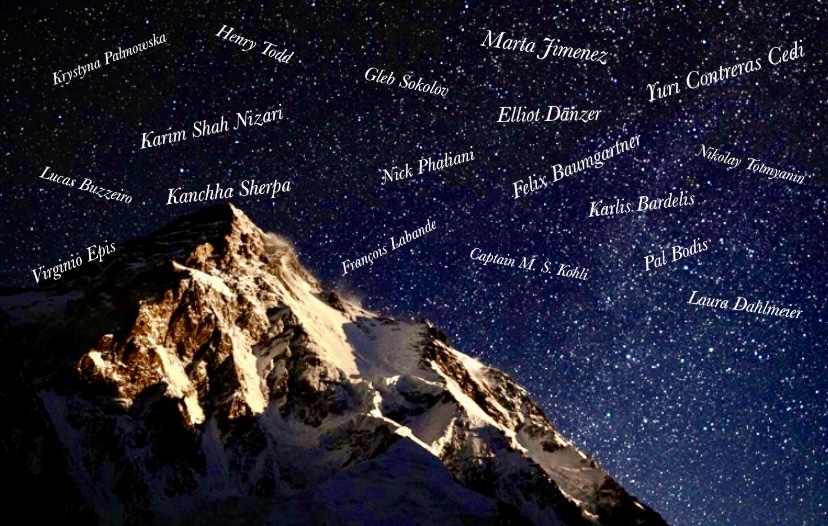
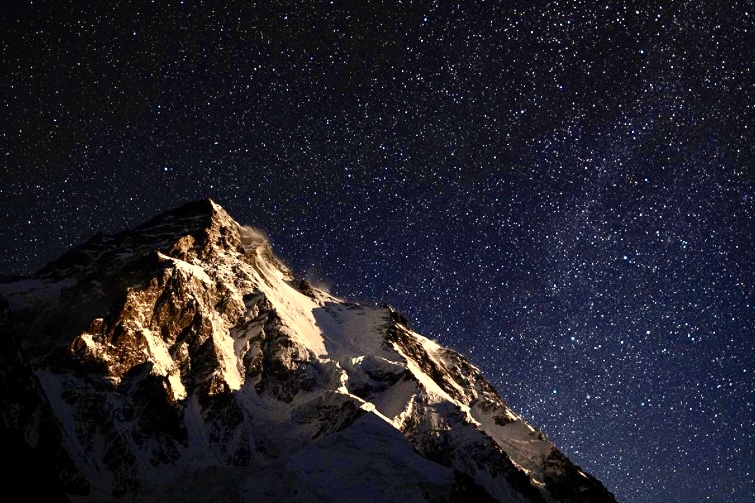
K2 and the night sky with the stars. Photo: Luis M. L. Soriano