For decades, hikers have heard that baby rattlesnakes are more dangerous than adult rattlesnakes. The rumor claims that juvenile snakes can’t control how much venom they inject, making their bites more severe. New research has debunked this myth.
Adult rattlesnakes actually pose a far larger threat than juvenile ones. Young rattlesnakes can control the amount of venom they release just as effectively as adult snakes, but adults possess significantly larger venom glands. This means they deliver much larger quantities of venom when they bite.
“Ample evidence demonstrates that baby rattlers, like adults, can control their venom expulsion, the adults possess and deliver far more venom when biting, and the adults cause substantially more severe symptoms,” summarized lead researcher William Hayes.
How the myth spread
To understand how the myth took hold, researchers examined decades of newspaper coverage about rattlesnake bites. They found that the idea gained traction in the 1960s, particularly in places like California, where local news stories often relied on non-expert sources who quoted the myth about baby rattlesnakes. While national outlets and scientific publications that quoted wildlife experts always correct the claim, the rumor persisted.
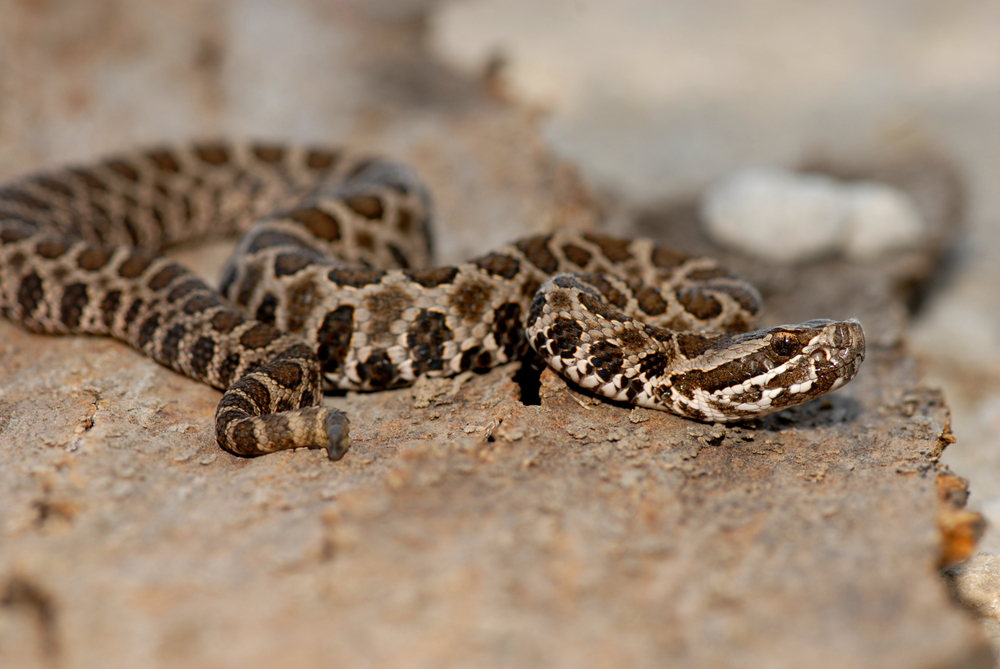
A juvenile Western Massasauga rattler from Missouri. Photo: Shutterstock
Over time, the misconception spread rapidly. In California, where the myth is especially common, 53% of students in the area and 73% of emergency first responders and health professionals still believe that baby rattlesnakes are more dangerous than adults.
Although the myth might seem harmless, it can have serious consequences. Hikers who believe juvenile snakes pose a greater threat have been known to kill them on sight, thinking they are protecting themselves.
“There’s no need for hikers to have unwarranted fear of baby rattlesnakes or to think they need to harm or kill the snakes,” said Hayes.
The study highlights a broader issue: how misinformation often harms already vulnerable species.
The researchers stress that any rattlesnake bite should always be treated as a medical emergency, requiring immediate treatment.