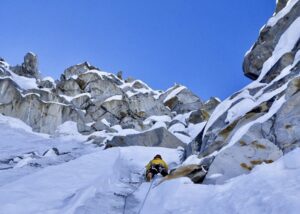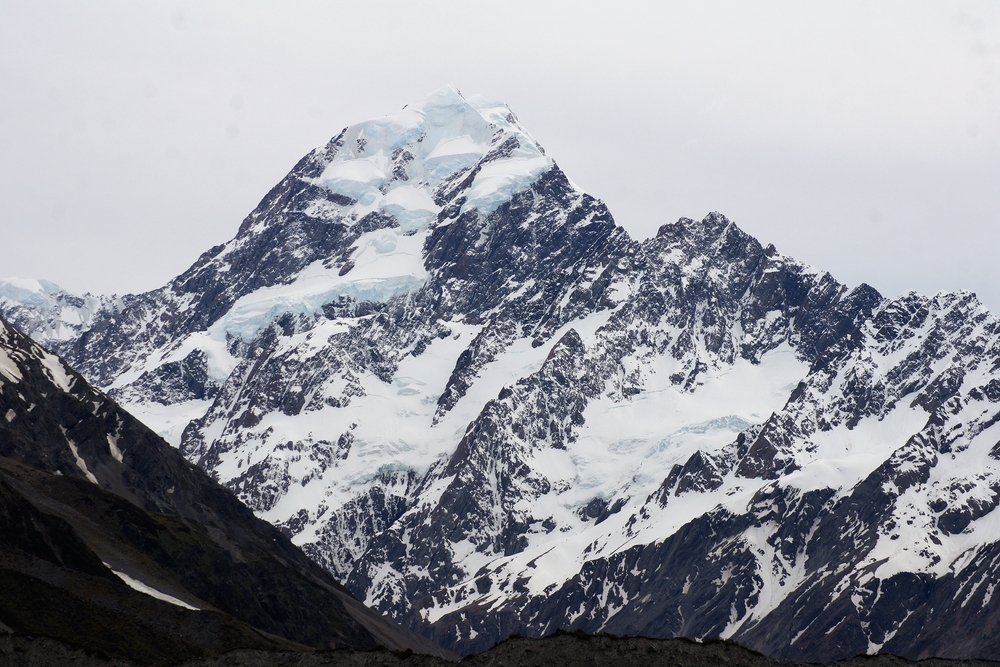
Four climbers went missing on New Zealand mountains this weekend. Authorities located one deceased pair and removed their bodies from Sabre Peak in Fiordland National Park on Sunday. But another two climbers on Aoraki-Mt. Cook are overdue, with weather conditions hindering searchers.
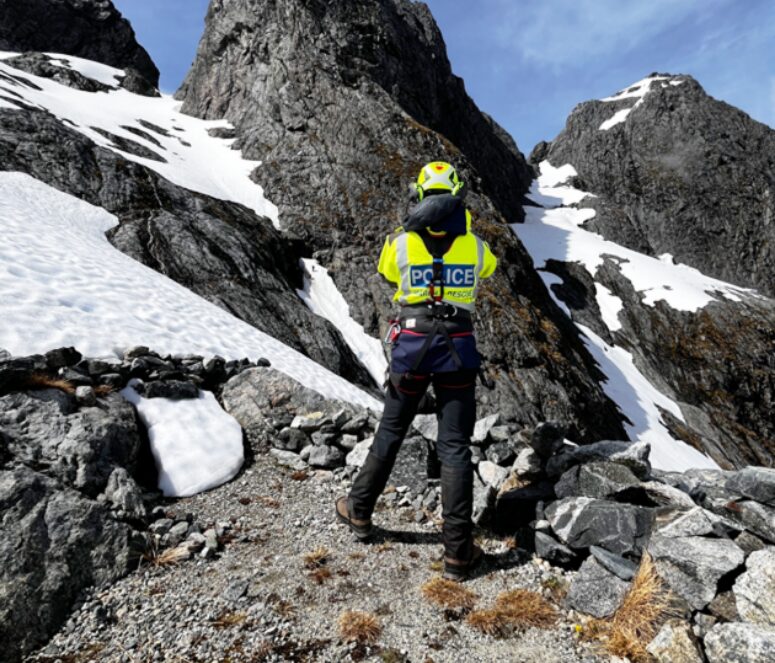
Recovery operations on Sabre Peak. Photo: NZ Southern District Police
Worsening weather
Rescue teams entered the Fiordland National Park early on Saturday night, after two climbers failed to return. They located one body that night, and the other on Sunday. However, as weather conditions worsened, the location of their remains high on Sabre Peak became inaccessible.
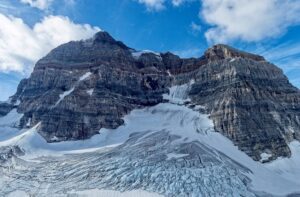
The north buttress of Sabre Peak features 500m of exposed rock and ice and is popular with serious, experienced climbers. Though authorities were eventually able to extract the climbers’ bodies, police described it as “a difficult and technical rescue.”
An official cause of death has not been released, but it should come out with the coroner’s report. Given the circumstances, a fall is likely.
The next day, another two climbers were also overdue, this time on Aoraki-Mt. Cook. Again, the weather has hindered search and rescue efforts. Much of New Zealand lies within the infamous “Roaring Forties,” characterized by strong winds and heavy rainfall. The latest weather reports indicate that the wind and rain are expected to stop for a time on Wednesday, allowing search teams to enter the area.
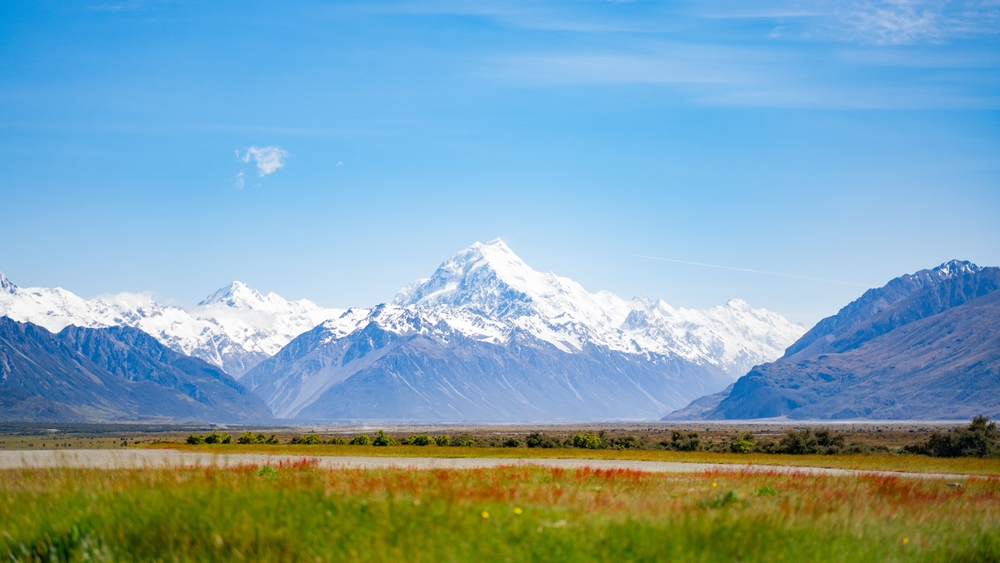
Good weather at the start of the weekend drew in many climbers and hikers. Now, the weather has turned, hindering rescuers. Photo: Shutterstock
New Zealand’s deadly mountains
The New Zealand Mountain Safety Council released a statement in response to the two latest incidents, calling them “a sobering reminder of the seriousness of Aotearoa’s [New Zealand’s] complex and challenging alpine environments.”
They noted that good weather has led to more climbing on the high peaks of the South Island, but good weather doesn’t prevent them from turning deadly.
The 2,162m Sabre Peak was first summited in 1954. Since then, many climbers have been injured and killed there. Two climbers perished in 2017, and another two men in 2020. Aoraki has an even more tragic history.
Only three weeks ago, guide Thomas Vialletet and his client, Kellam Conover, fell to their deaths on Aoraki. At 3,724m, Aoraki is the highest peak in New Zealand, and guides consider it a challenging climb, as changing weather and poor visibility frequently lead to accidents. During 2019-2020, for example, there were 24 search-and-rescue operations.
A New Zealand Geographic article found the Aoraki visitor’s center record books listed 78 fatalities on the mountain since the death of George Napier in 1907. That article was from 2016. That list is now at least a dozen names longer.
When tragedies do occur, authorities often struggle to locate and recover bodies. David Moen, a 19-year-old climber, went missing on Aoraki in 1973, and his remains were only found in 2015. The bodies of three climbers who went missing there in 2024 have still not been located.