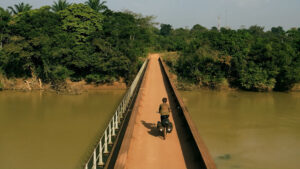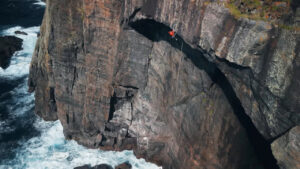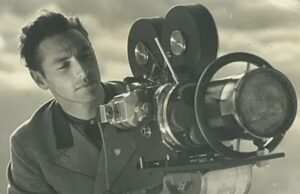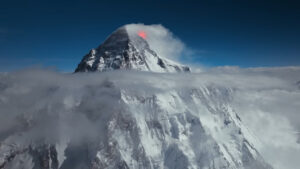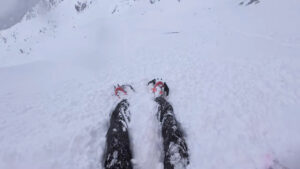
Created by Frank Wolf in 2011, On The Line follows Wolf and frequent partner Todd McGowan on a 2,400km journey. Hiking, cycling, packrafting, and kayaking through British Columbia and Alberta, the pair explored the land which at the time was threatened by the Enbridge Northern Gateway oil pipeline proposal.
As Wolf explains in his opening voiceover, they imagined it as a fact-finding mission. Starting out on bikes from Fort McMurray, Wolf interviews a few of the people who would make their living building the proposed pipeline. The Deepwater Horizon oil spill, then only months old, looms large over the conversation, but they assure Wolf that something like that won’t happen here.
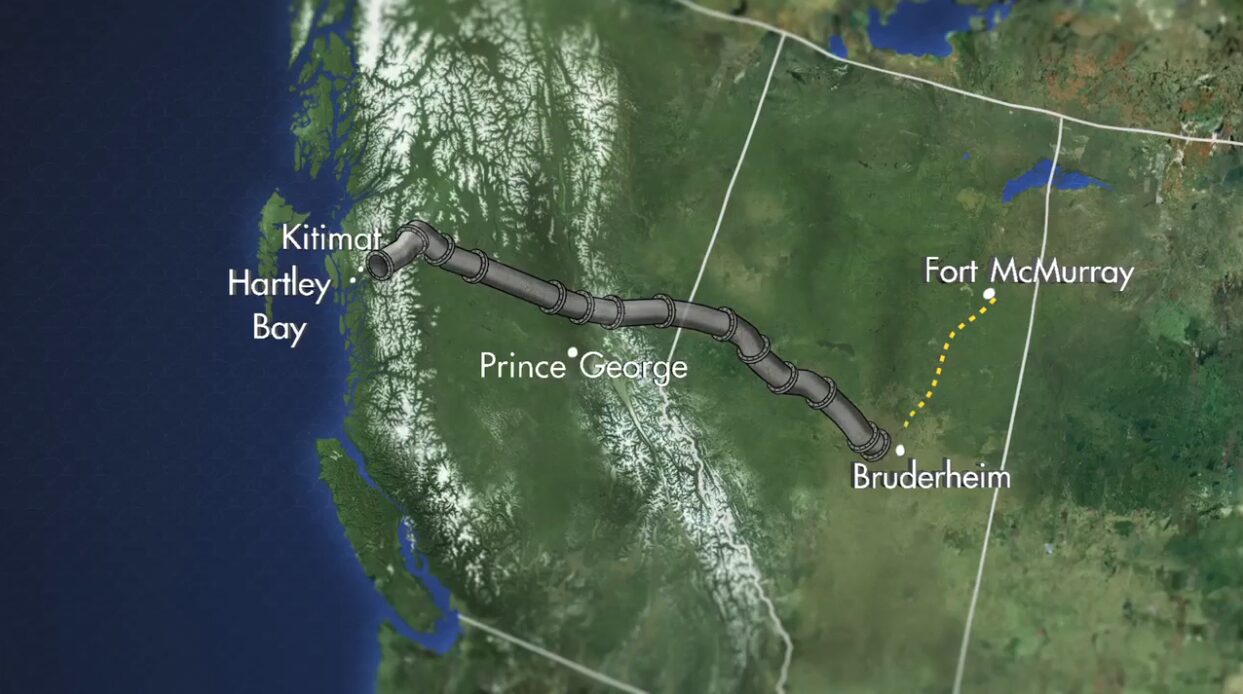
The proposed pipeline route, and the path Wolf and McGowan followed. Photo: Screenshot
Continuing on the route, they dodge trucks on the highway in the pouring rain, camping in an abandoned building, en route to Bruderheim. That’s where the oil sands are. The “industrial heartland,” a fast-growing complex of refineries and their support structures, pollutes the air and blots out the stars on a small family farm.
Bruderheim to Prince George
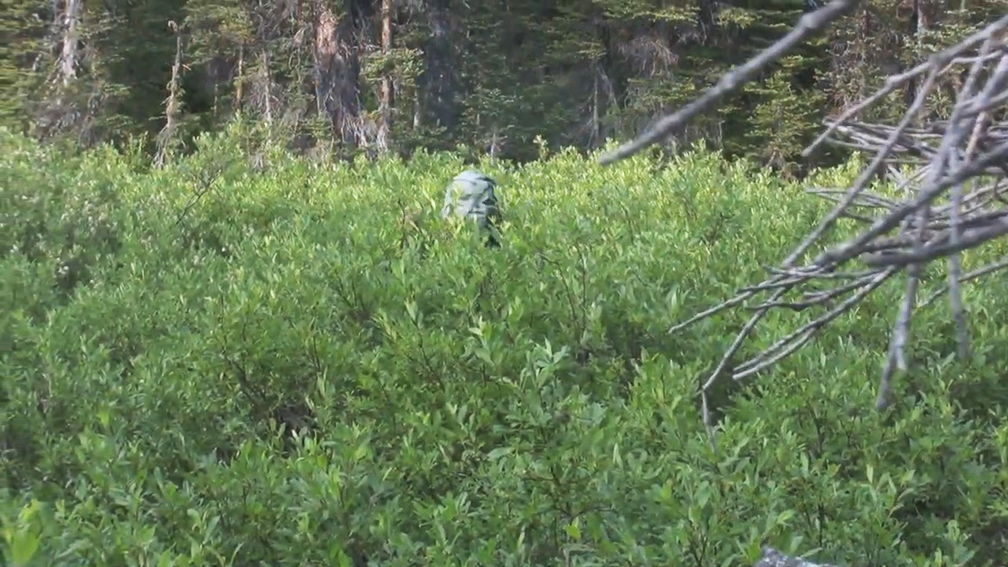
After 12 days and over 1,000km, they give away their bikes and pull on their hiking boots. They hike across the British Columbia border and ford the Murray River on foot, just upstream from where the pipeline would cross. Deer and bear amble through the area as they make their way to the Rockies. There they fight through thick, spiny brush, pushing into the wild heart of the mountains, which lay on the line.
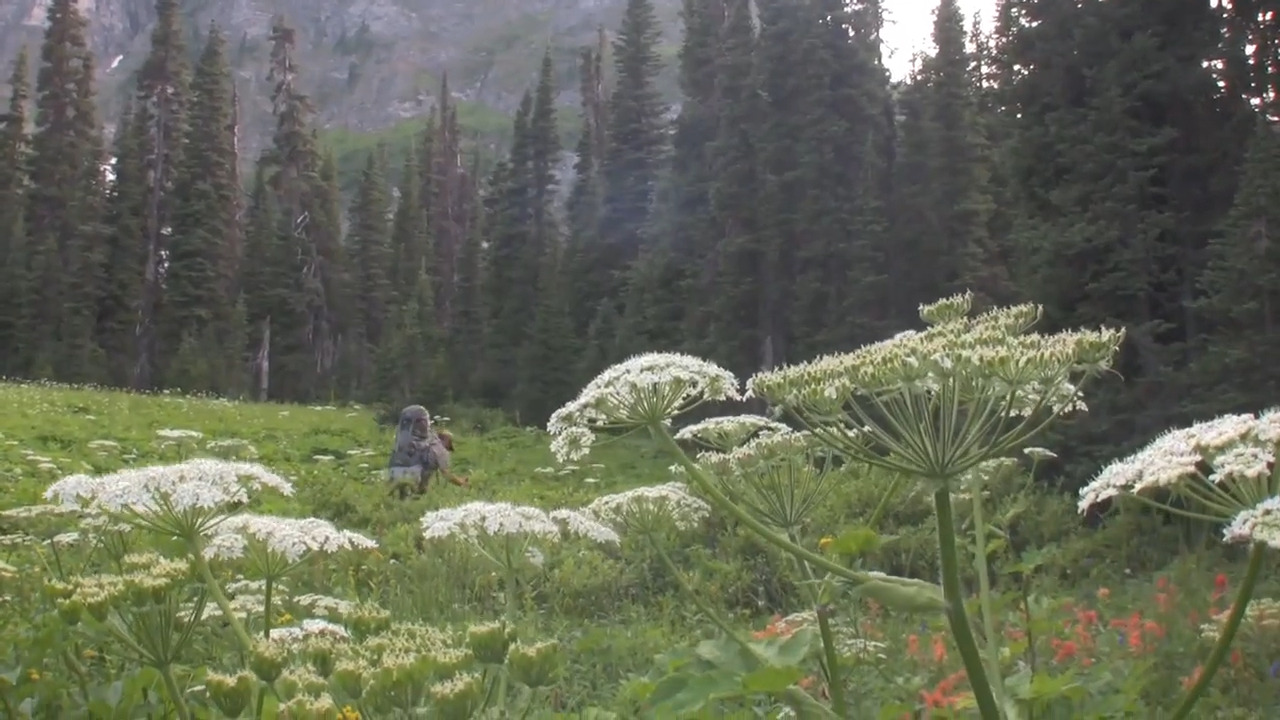
Trekking through the Rockies, in a glade which would not have survived the line. Photo: Screenshot
As they go deeper, they see the tells of moose and wolves, and Wolf observes the rarity of areas like the one they’re crossing through: an “intact, roadless, ancient ecosystem.” But eventually, they leave the old-growth forest and meet up with a logging road.
It’s back to bikes and interviews as they reach Prince George. A private contractor wonders what Enbridge will do to minimize the risk of environmental damage. A Nak’Azdli First Nations Councillor explains that an oil spill on the Fraser River would be devastating for the people who rely on its salmon. One of her fellow councilors adds that the proposed economic benefits would be unlikely to materialize.
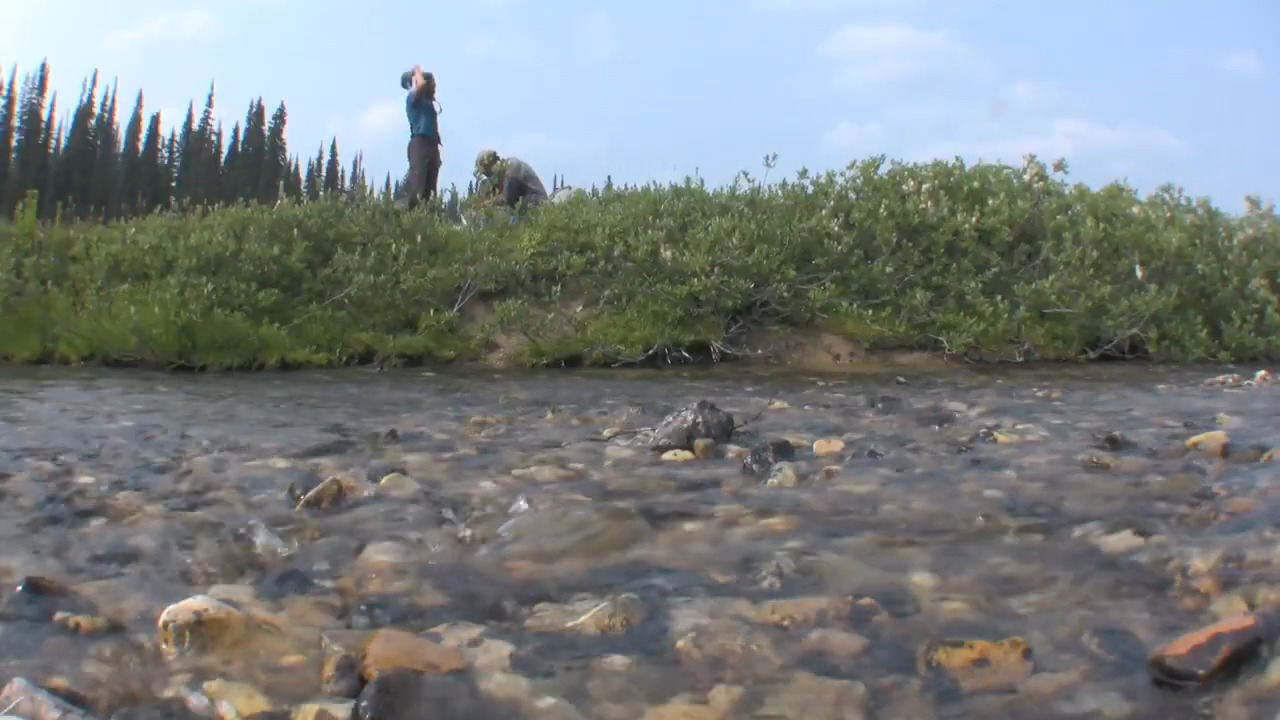
Many waterways fall on the line. Photo: Screenshot
Prince George to Kitimat
Fishermen and mountain guides repeat their concerns for the fish as Wolf and McGowan follow the waterways toward the coast. They stash the bikes for shoes again and approach Mount Nimbus. Enbridge proposed to drill directly through this mountain to build the line. The weather, however, is too wild, and they have to backtrack and bike around. A reminder, Wolf says, that nature can’t be controlled.
It’s back on the river, this time using packrafts. Interviewees tell us that British Columbia is fishing country, and the river is its economic and cultural lifeblood. “Oil is not life-sustaining,” one fisherman says, “but water certainly is.”
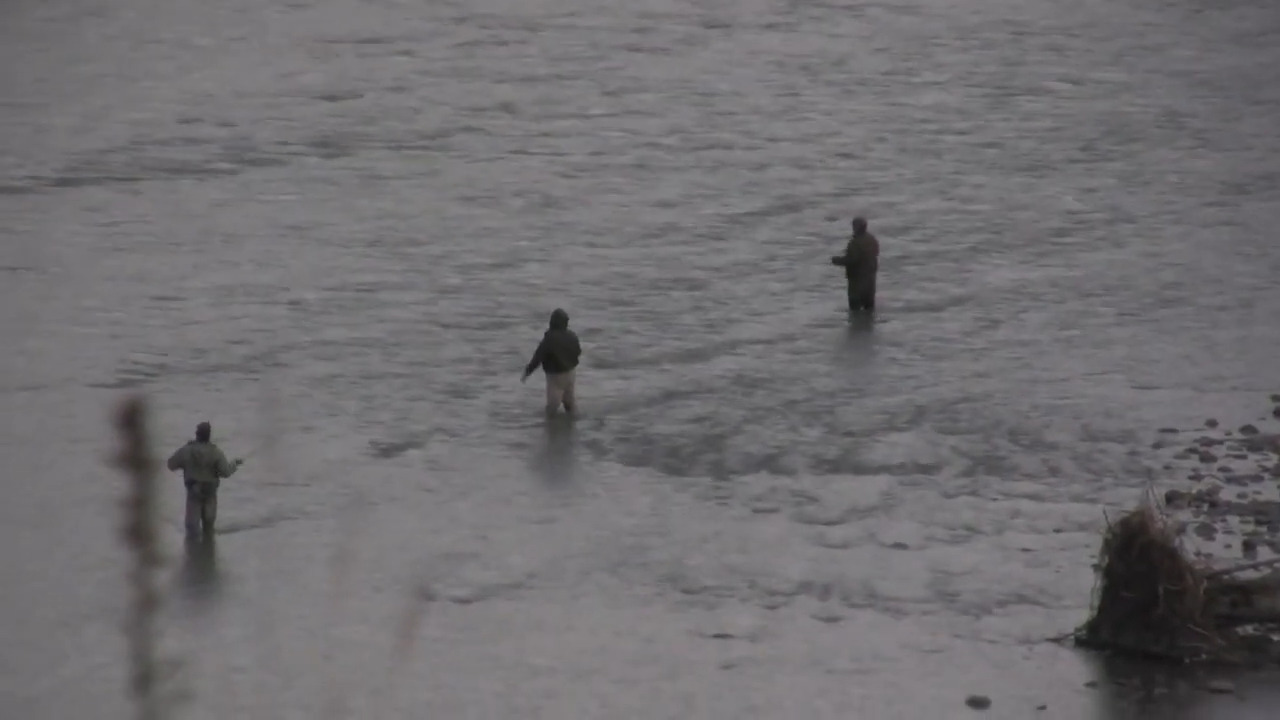
Many B.C. residents make their living from its rivers. Photo: Screenshot
The expedition reaches Kitimat and the ocean, just in time for a large protest. Indigenous groups, environmental activists, and local representatives all decry the pipeline.
Finally, their two-man fact-finding mission kayaks out into the Douglas Channel. Here, among submerged reefs and frequent storms, the world’s largest oil tankers would gather to receive the pipeline’s bounty. Waves over 30 meters high have been recorded here. But Enbridge insisted there was no risk of a spill.
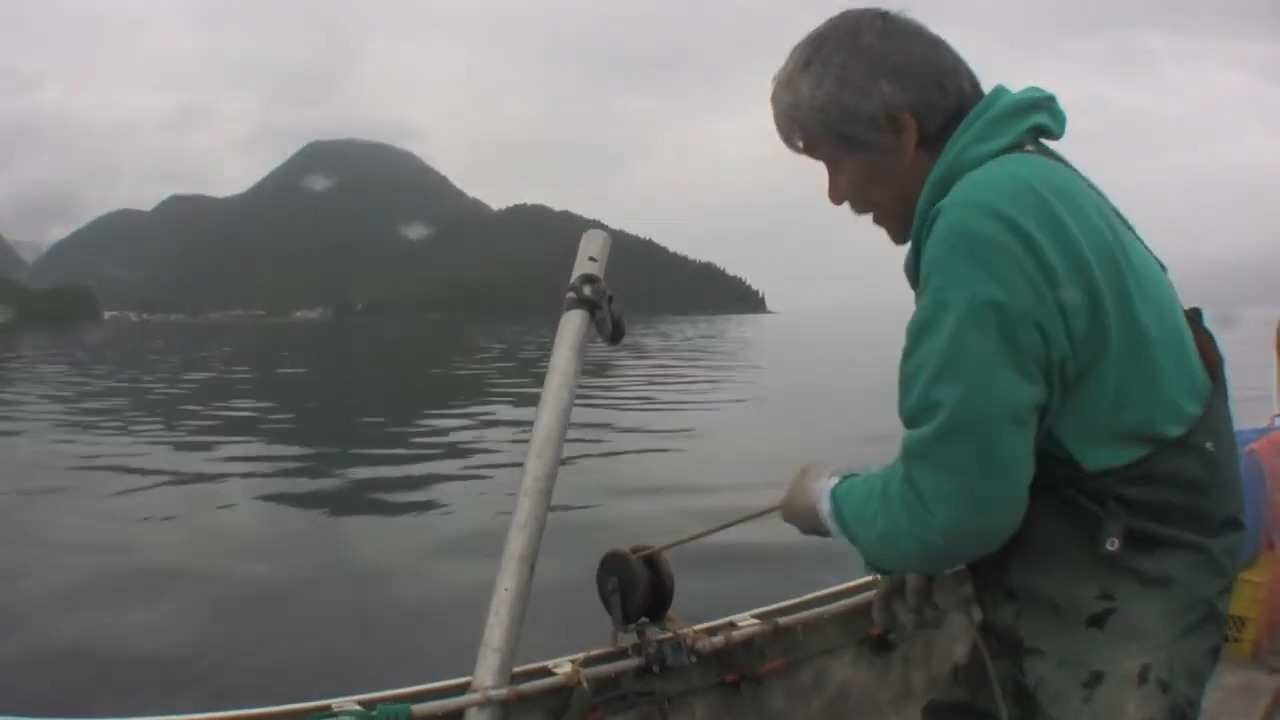
Gitga’at subsistence fisherman Wally Bolton explains to Wolf that if an oil spill happened here, he would no longer be able to provide for his family. Photo: Screenshot
After 59 days and 2,400km, Frank Wolf and Todd McGowan reach the end of their journey. The Enbridge Northern Gateway oil pipeline was never built. But the construction and expansion of other oil pipelines throughout Canada continues despite the efforts of people like those Wolf interviewed.