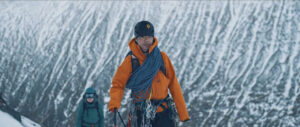
As Will Steger sets out on another Arctic expedition at the age of 81, the recent short documentary short The Legacy Will Steger Built showcases his lifetime of travel and activism. During filming, which took place at the Steger Center in Ely, Minnesota, Steger was approaching the 40th anniversary of his 1986 North Pole expedition.
Only a few dozen kilometers from the Canadian border, the center and its neighboring cabin are fairly isolated. Here, he hopes, powerful leaders could gather and tackle otherwise impossible problems. Steger believes that a team of people, alone in the harsh serenity of nature, can have a massive impact. This is a philosophy that he developed from his long polar career.
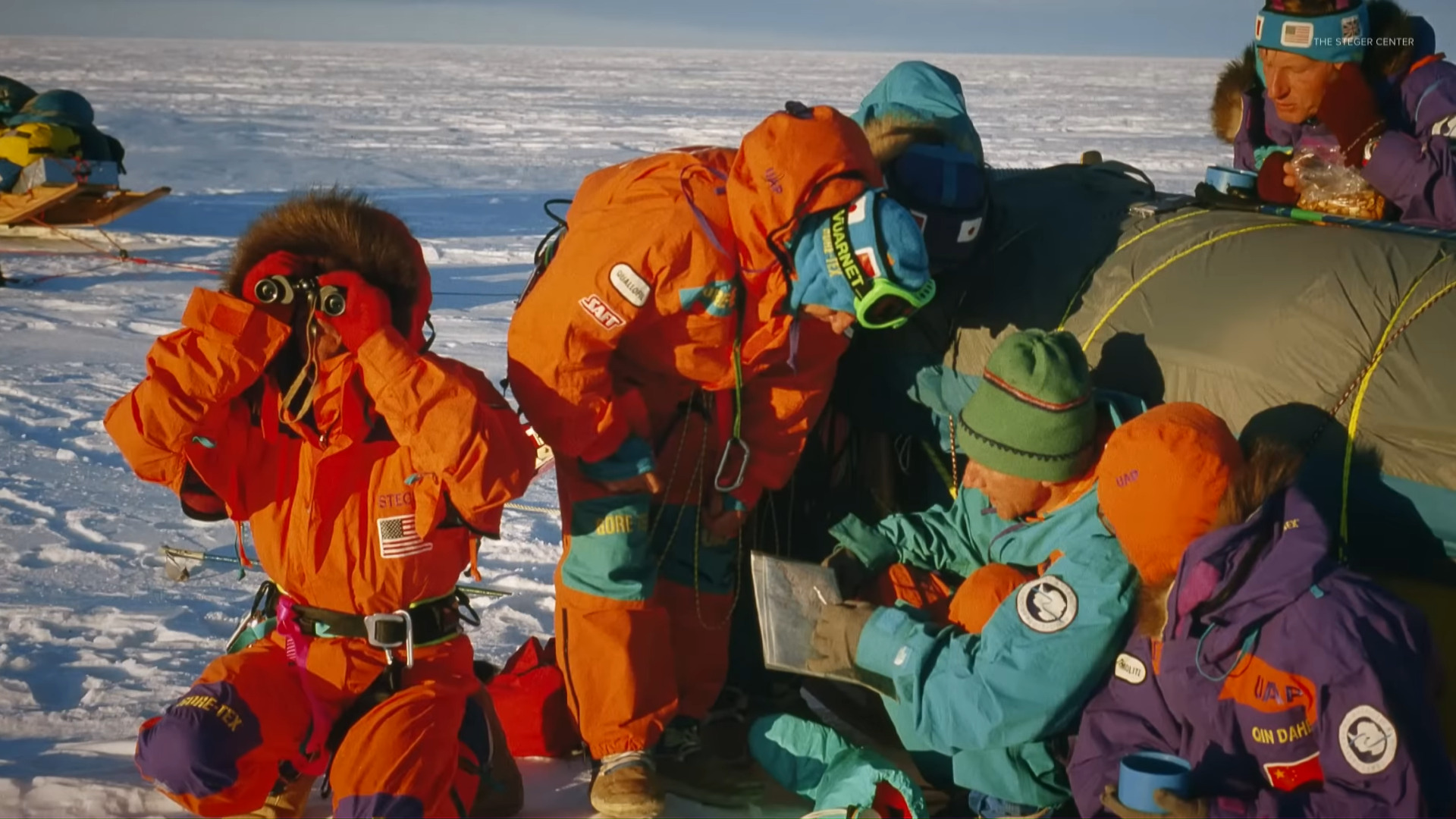
Will Steger and team in Antarctica. Photo: Screenshot
Remembering a historic expedition
Before his 1986 expedition, Steger recalls in an interview, people considered an unsupported North Pole expedition impossible. While definitions can be a point of debate, especially before PECS, an unsupported expedition is one that reaches the pole without resupply, evacuations, or roads.
Emphasizing his earlier point about teamwork, Steger describes the many people (and dogs) who worked together in 1986. The wife of his partner, Paul Schurke, on that 1986 expedition, Sue Hendrickson Schurke, describes spending three years teaching herself to develop and sew every piece of clothing and every harness for the expedition.
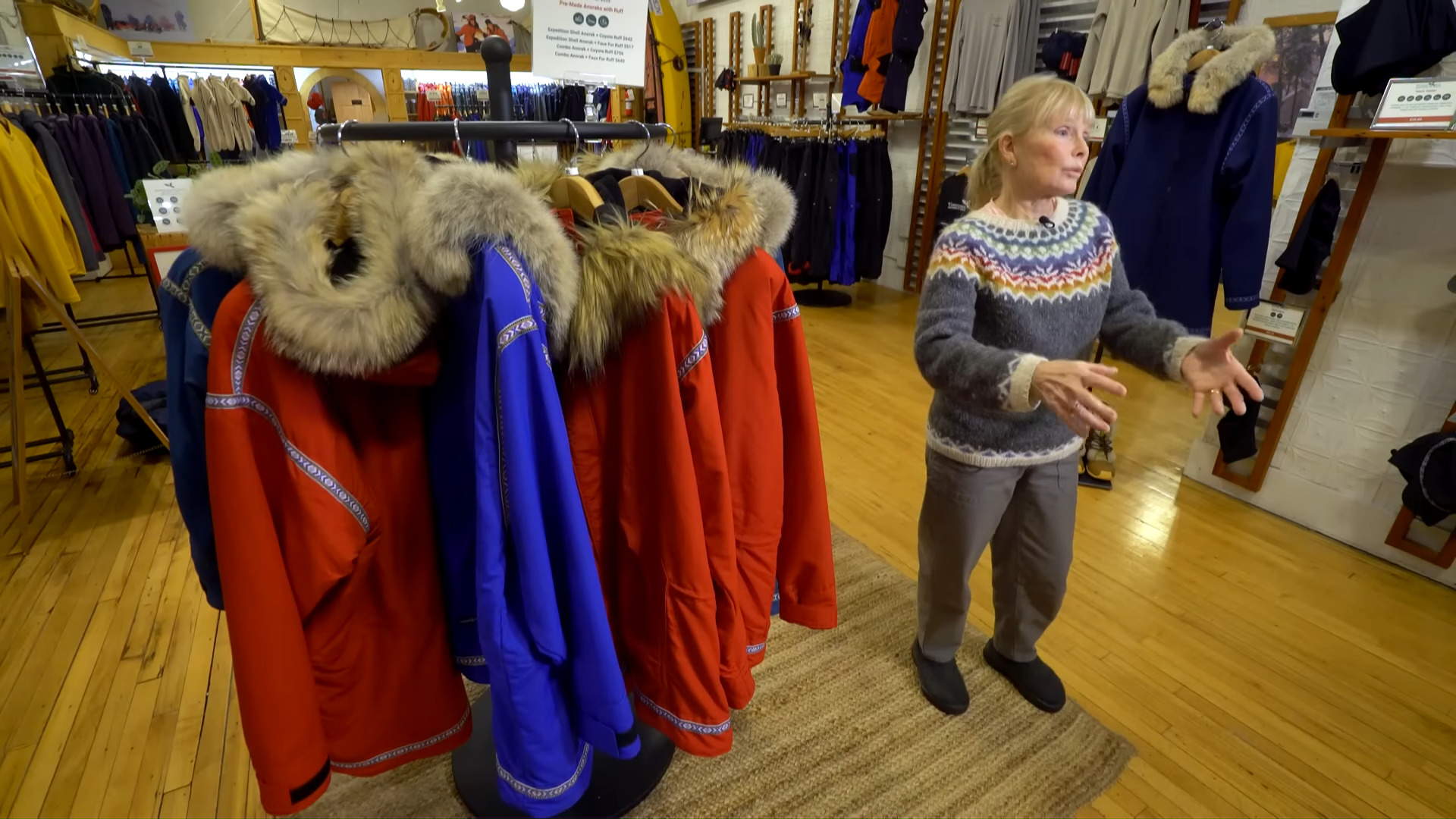
Sue Hendrickson Schurke and some of the winter clothing she designed for her husband’s expedition. Photo: Screenshot
They set out in early March with eight people, 50 dogs, and five heavily laden sleds. Communication was limited, and they navigated using a sextant. After 55 days, many of which were 18 hours long, they reached the North Pole. Minnesotan school teacher Anne Bancroft became the first woman to reach the Pole by dogsled, and all of them became the first to reach it unsupported.
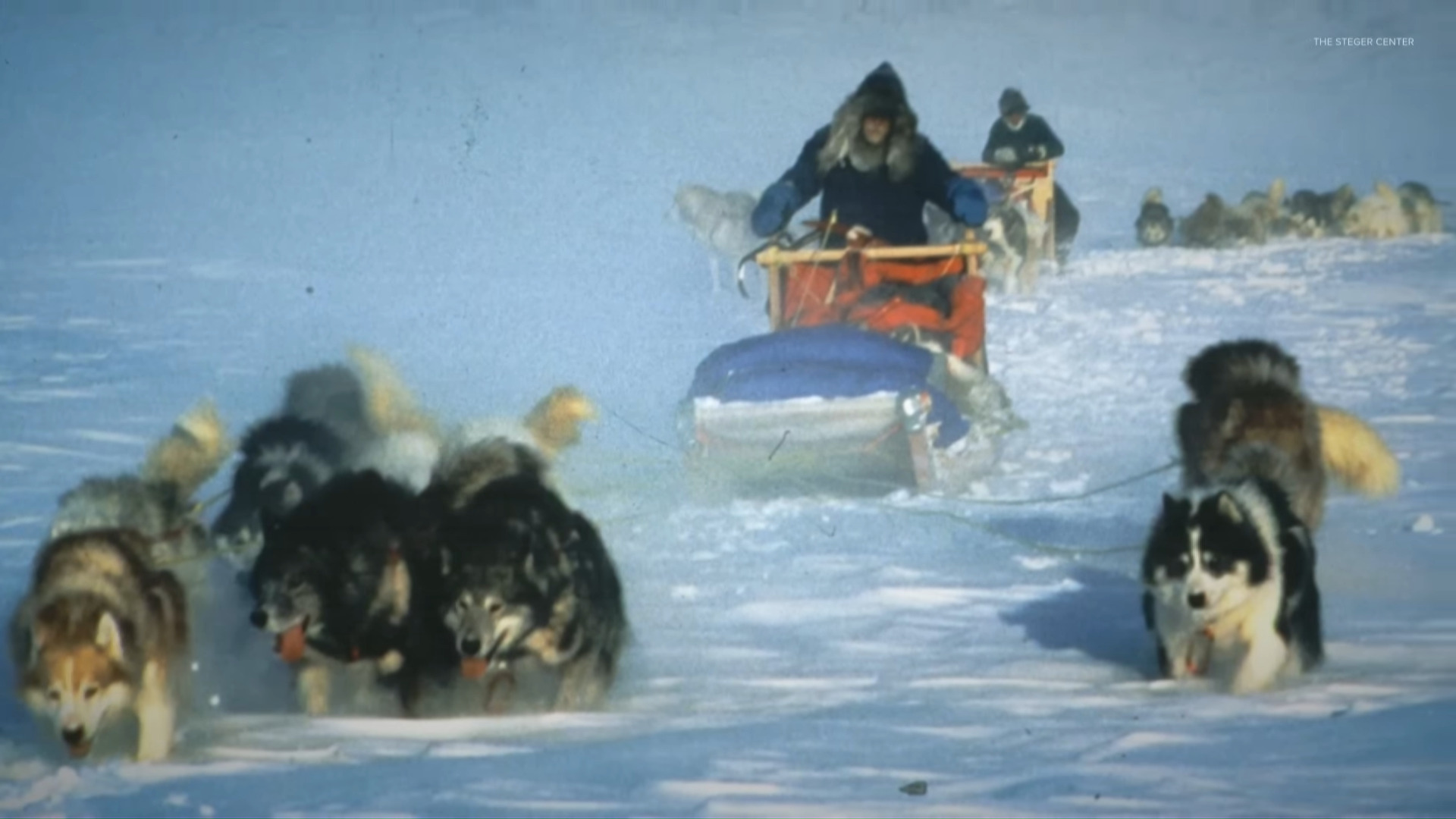
The 1986 expedition. Photo: Screenshot
Toward the future
As the narrator lays out, Steger continued to bag important polar firsts. Only three years later, he co-led an international team that completed the first dogsled traverse of Antarctica. More than a trophy, the expedition’s purpose was to pressure the international community to protect Antarctica from mineral exploitation.
In time, however, he achieved a more tragic first. “I was the first eyewitness to see the ice shelves that I’ve crossed all broke up,” Steger says.
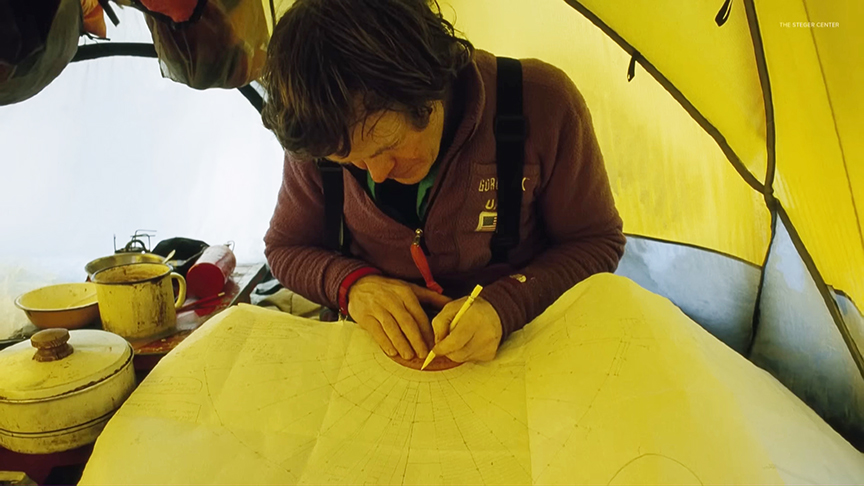
Since 2002, much of his work, and even his ongoing expeditions, has revolved around climate action. This is what brings us back to the present, and to Steger’s vision for his future. He shows us the original plan for his center, which he drew up in a tent in Antarctica. He’s been building it for decades, much of it with his own hands. It’s completely solar-powered and off the electric grid.
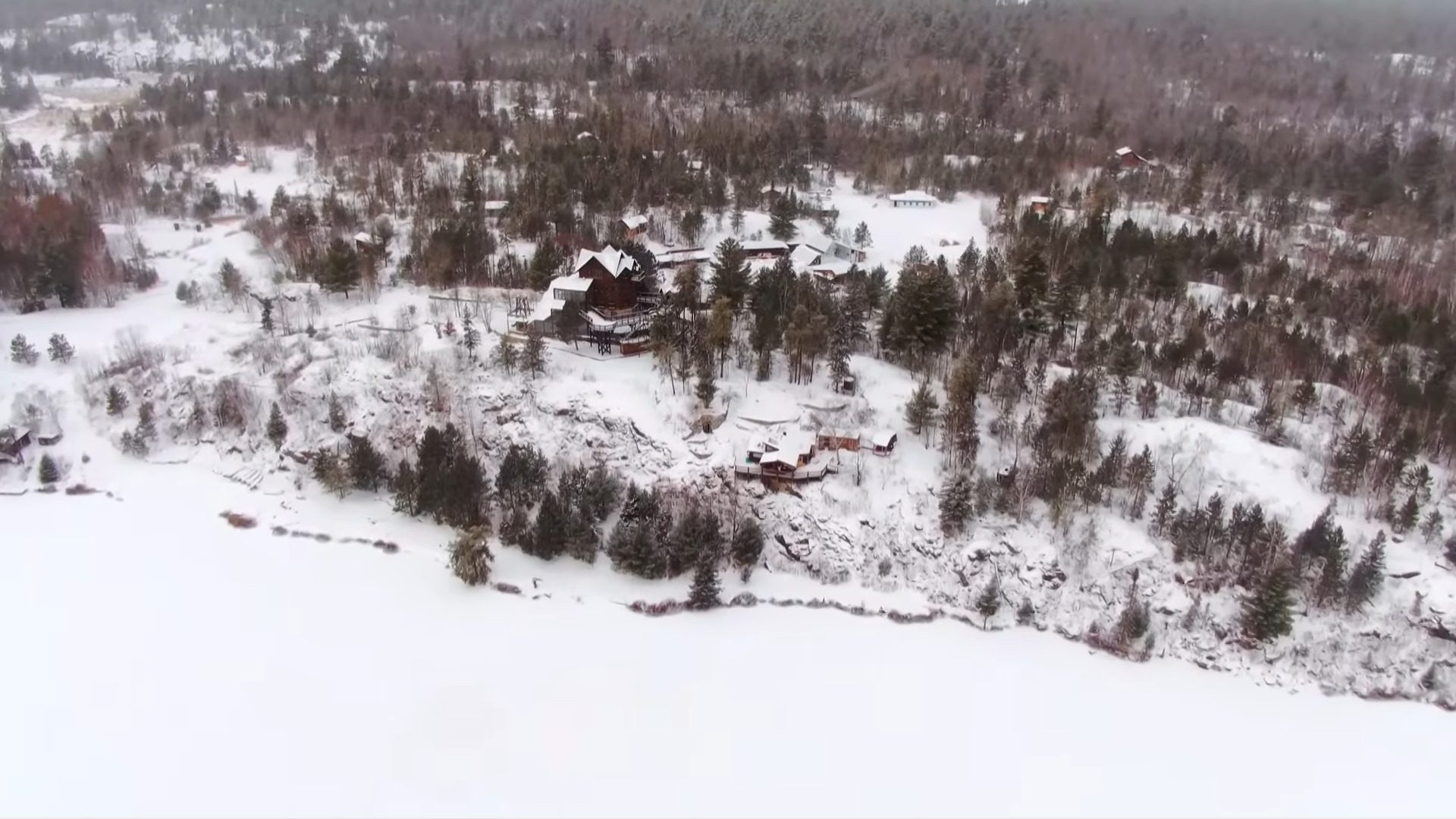
The Steger Center, and his hand-built cabin, in the wilderness outside Ely. Photo: Screenshot
While Steger considers the center the culmination of his legacy, it is not the only thing to emerge from his 1986 expedition. In a “where are they now” style closing section, the documentary shows us that Sue turned her sewing into a winter clothing business, which is still open today. Fellow expedition member Paul Schurke runs a dogsled lodge, and Anne Bancroft started a local nonprofit for Minnesota girls.
As for our collective future, Steger’s polar experience makes him hopeful. “Things will change around…I’ve actually seen it happen.”