This week, the UK officially opened the King Charles III England Coast Path.
The national trail is the first to completely encircle the English coastline, and is the longest managed coastal walking route in the world.
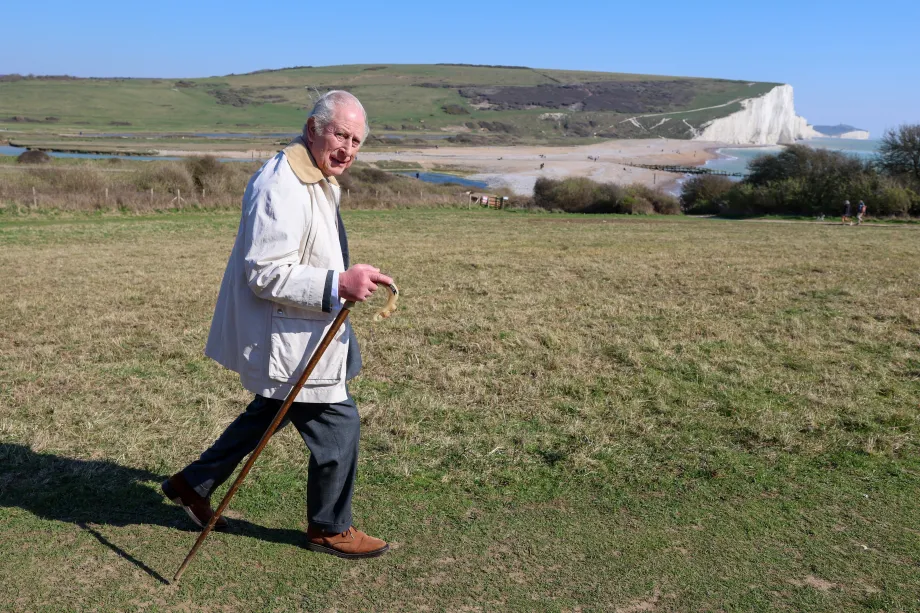
The King himself inaugurated the trail on March 19 during a visit to the new Seven Sisters National Nature Reserve in Sussex, where he walked two kilometers of the 4,328km trail.
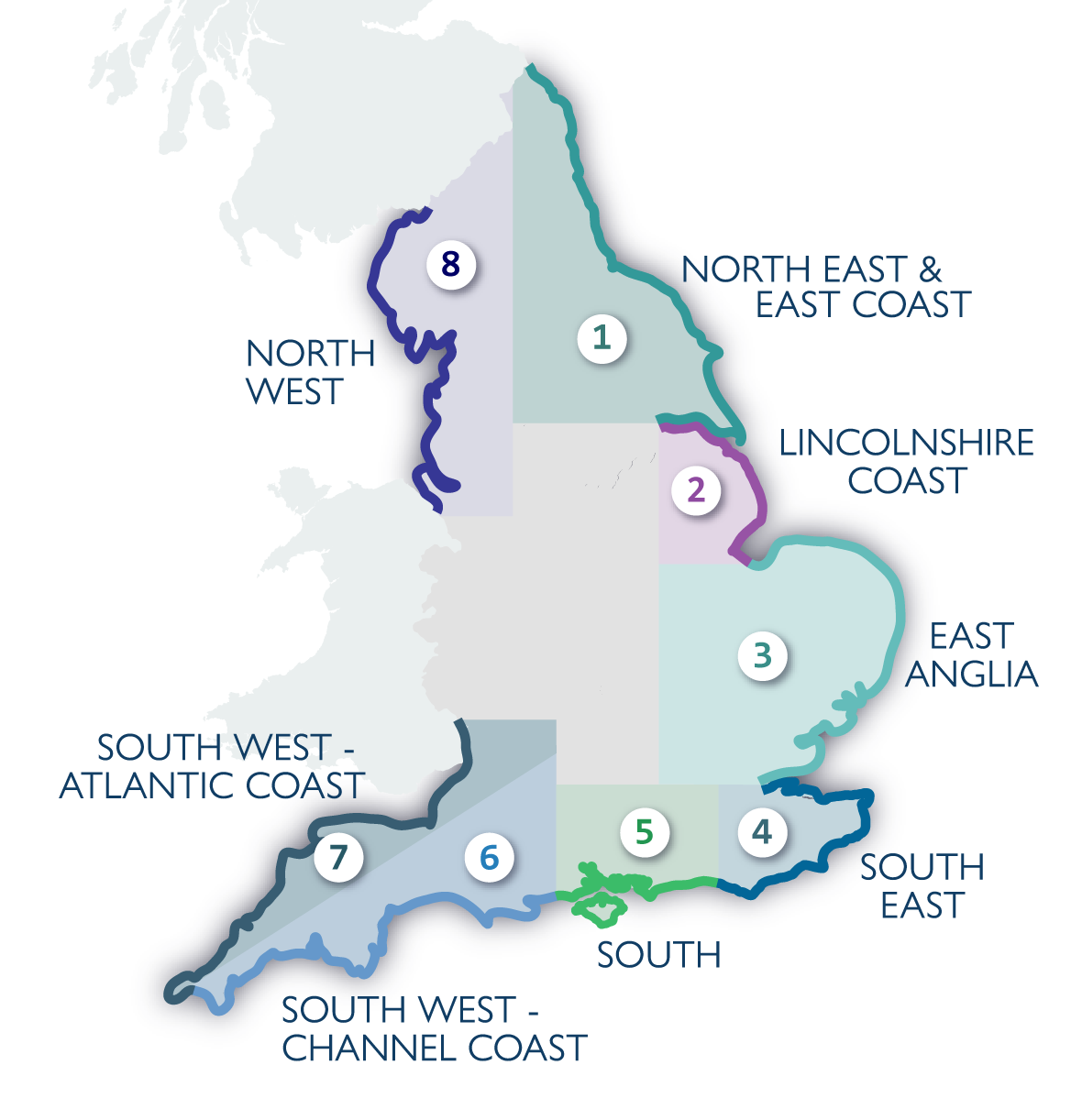
The route. Image: National Trails
Adds new paths, stitches old ones together
Natural England, the organization that created the coastal path, has been working on the project for 18 years. While England already has some iconic coastal walks, such as the South West Coast Path, this stitches them all together and adds more than 1,600km of new paths. A further 2,735km of existing routes have been upgraded.
The new English Coast Path also links to the Wales Coast Path, a further 1,400km that covers the full Welsh coastline. Though there is no official pathway in Scotland, the majority of its coastline is also accessible due to its “right to roam” law. Combining all three coastlines, you end up with an almost 14,500km route that would take years to complete.
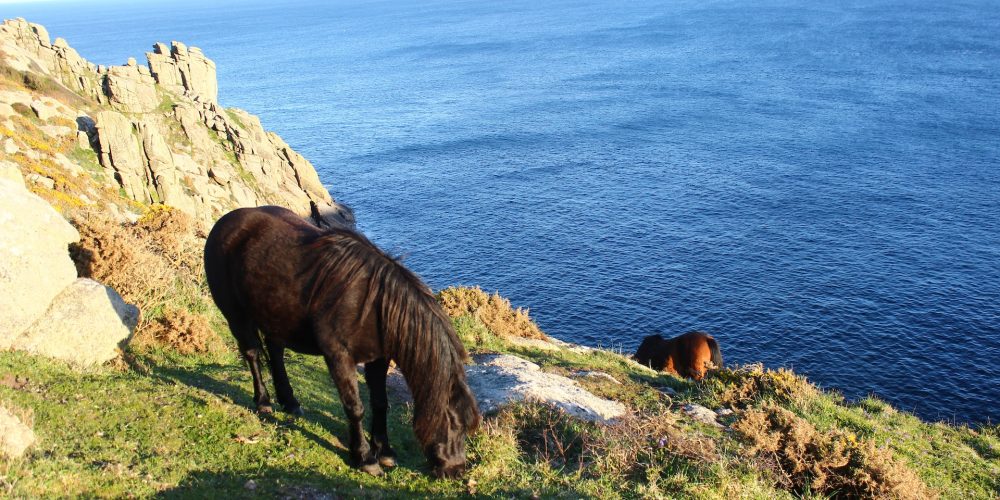
Cornwall. Photo: National Trails
Neil Constable, who led the project in England, told the BBC, “It is brilliant – the best thing I’ll do in my working life.” For him, the length of the path is unimportant. It’s that it lets you walk beside the sea for as long as you like.
The nearly two-decade project has been much more than just building new pathways. The legal framework behind the project is itself ground-breaking. The trail has required the collaboration of over 50 local authorities, landowners, National Parks, conservation groups, and walking organizations.
More public access
New legislation had to be brought in to make it all possible. The Marine and Coastal Act 2009 gave significantly more public access rights along the coastline. It also includes nearly all of the foreshore, beaches, and dunes near the path. Only a few small sections are not open to the public. This is where environmental protections are in place, or the land is privately owned. It is the most significant expansion of public walking rights in England in modern times.
To future-proof the trail, engineers and access specialists have designed the route so that they can shift the path inland as erosion reshapes the coastline. They hope this will ensure the trail can remain open for generations.
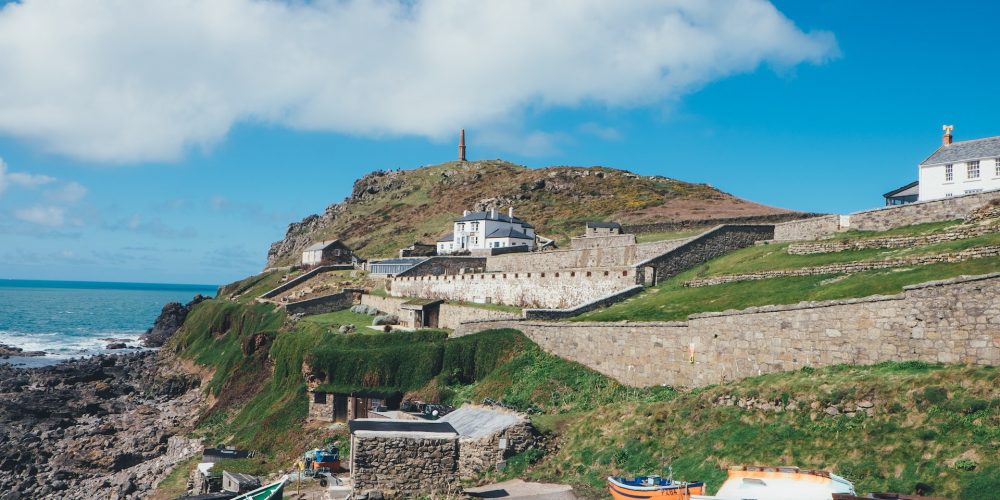
Cape Cornwall. Photo: National Trails
The trail offers walkers all the variety of the English coastline: chalk escarpments, dunes, salt marshes, tidal flats, heritage sites, Roman ruins, and conservation areas alive with seabirds and coastal wildlife. At the moment, over 80% of it is open, with the remainder slated for completion by late 2026.