When we’re not outdoors, we get our adventure fix by exploring social media and the web. Here are some of the best adventure links we’ve discovered this week.
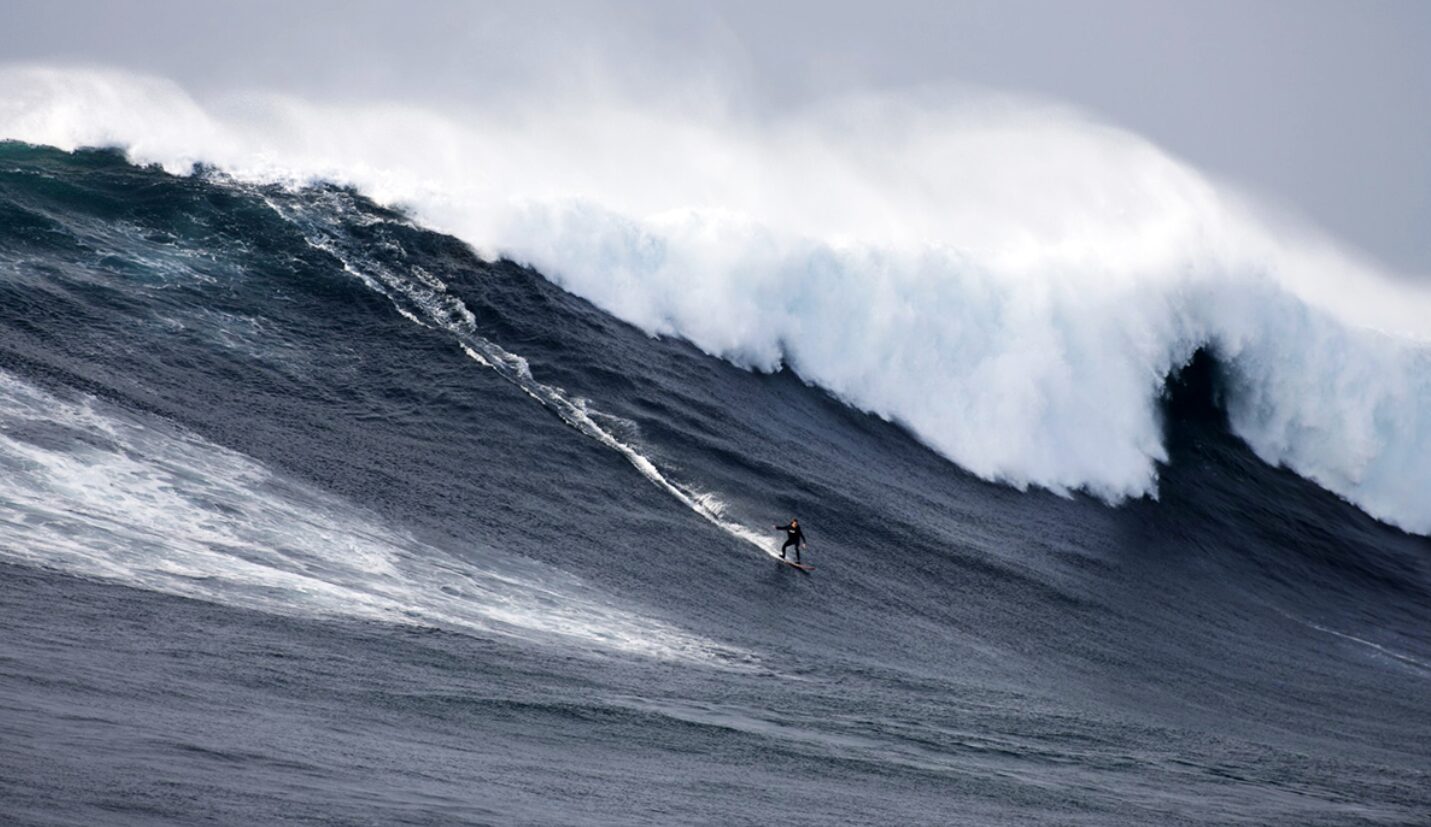
Cortes Bank and the Craziest Surf Mission Ever: In 2008, one of the most dangerous and ambitious surf expeditions ever was attempted. After weather reports predicted a brief window in a huge storm, Greg Long and Mike Parsons convinced a group of elite surfers to head 160km offshore to California’s isolated Cortes Bank.
The storm was so bad that the entire group became seriously seasick, but at Cortes Bank, they found the giant waves they were looking for.
Will Stanhope Dies in Climbing Fall: Will Stanhope, one of Canada’s best-known climbers and free soloists, has died at the age of 39 after suffering a serious head injury in a fall while climbing on the Stawamus Chief in Squamish, British Columbia. Known for his many first ascents and free solos across Yosemite, Patagonia, and the Bugaboos, Stanhope was a deeply respected figure. Friend Nik Berry pays tribute to Stanhope’s authenticity, adventurous spirit, and his larger-than-life character.
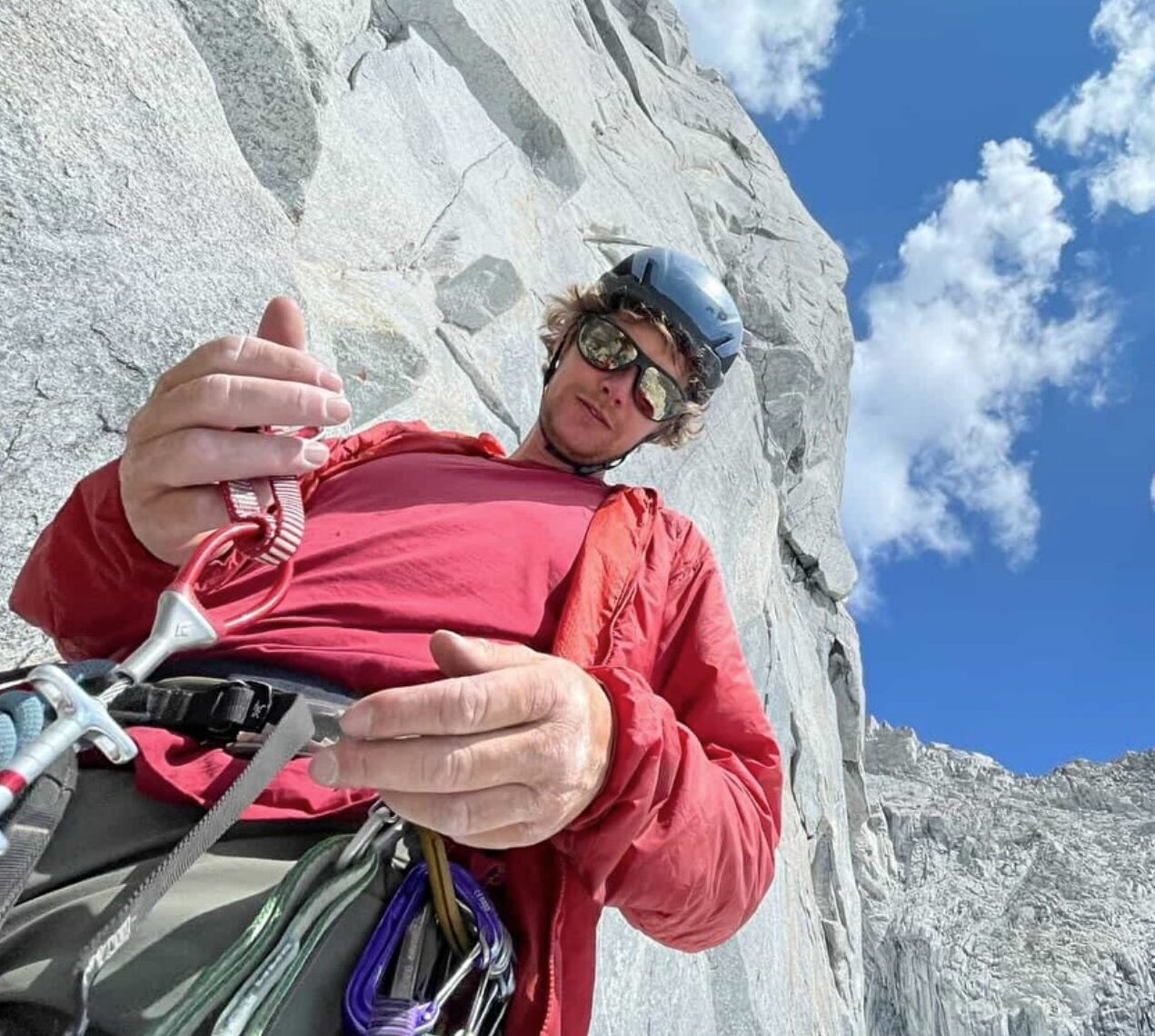
Will Stanhope. Photo: Tim Emmett
Killer whale tourism
When Humans Swim With Killer Whales: Tourists are increasingly traveling across the world for close encounters with killer whales. Only two places offer the chance to swim with orcas: La Ventana, Mexico, and Skjervoy, Norway.
Many come to see these marine giants in the wild, but researchers and guides are calling for stricter regulations. They are worried about how much human activity the whales can tolerate before boats, noise, and overcrowding begin to alter their behavior, or a fatal accident occurs.
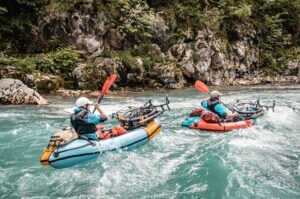
Anyone for a Dip? Hampton Sides recounts his long-held fear of the Mississippi River. He grew up hearing horror stories of its polluted water, drownings, and a steamboat disaster that killed thousands.
Guided by veteran river explorer John Ruskey, he joins a canoe expedition on the river and decides to do something he’s been warned against since childhood — swim in it. He attempts to cross a notorious stretch called Devil’s Racecourse. Looking back, he describes its immense current, gritty water, and how strangely at home he feels in its water.
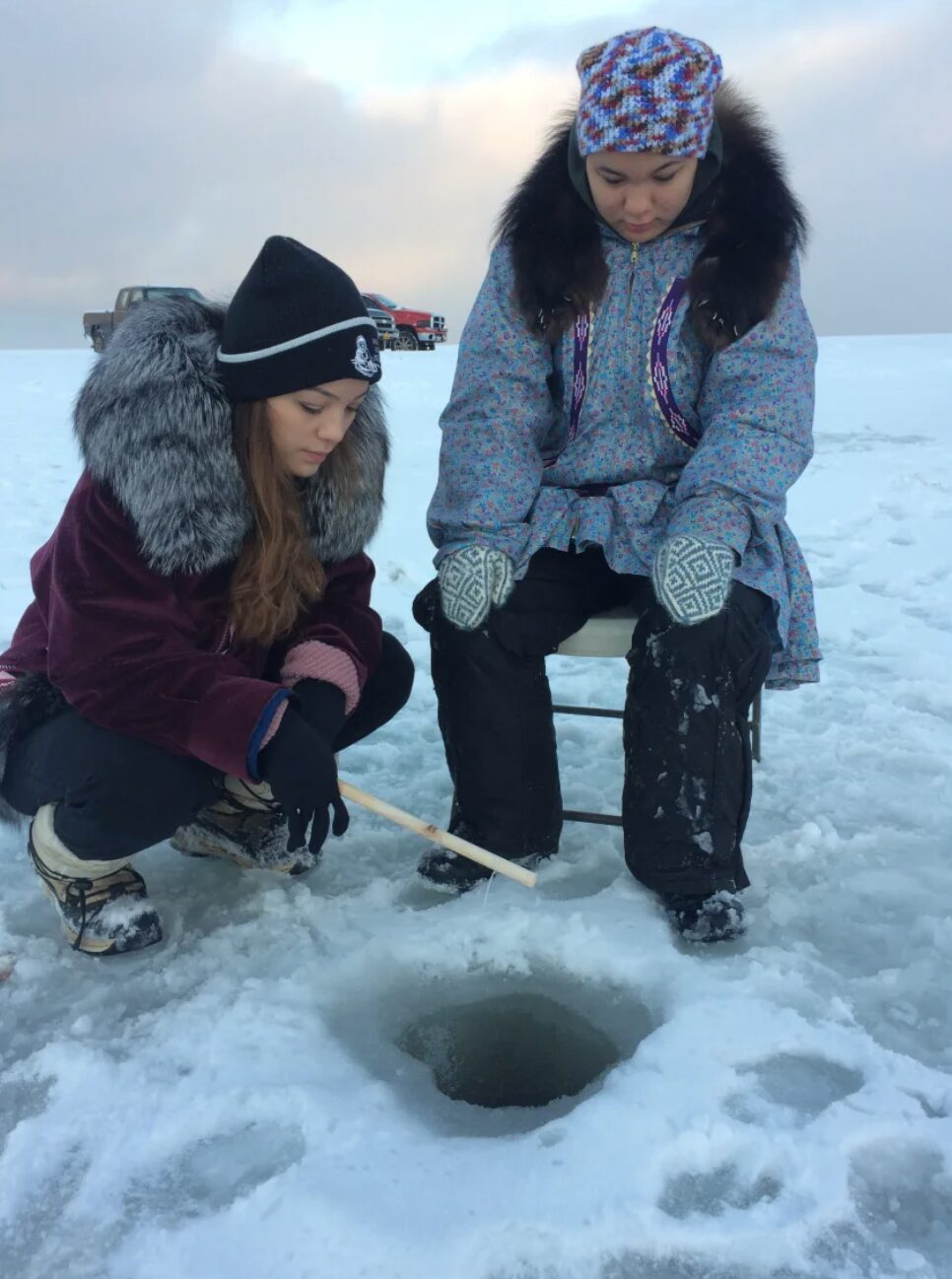
Corinne Danner and her family still hunt using traditional methods. Photo: Corinne Danner
The northernmost town in the U.S.
What It’s Like To Live in Utqiagvik, Alaska: Utqiaġvik, Alaska, the northernmost town in the United States, is almost completely isolated and can only be reached by plane or a summer barge. Residents share how they navigate everyday life in this community of just 4,500 people.
Hunting whales, seals, and caribou remains central to Iñupiat culture. In recent years, the community has pushed to have the Iñupiaq language taught in local schools and to pass down traditional ways of life. Despite the challenges of living hundreds of kilometers above the Arctic Circle, locals who leave often find their way back to the small, tight-knit community, with its deep connection to the land.
The Lost Art of Crag Drawing: Artist and climber Phil Gibson looks back on the painstaking process of drawing crags for British climbing guidebooks before digital topos and apps took over. He describes how he would spend hours at cliffs in rain, cold, and poor light, sketching rock faces by hand so climbers could actually understand the shape and character of a route. He explains why photographs often failed to capture the depth and detail needed for climbing illustrations and how old guidebooks were created.

Working on a large Black Cuillin ink drawing in 2013. Photo: Phil Gibson
Beloved crags reopen
Crags in Red River Gorge Reopen after Two Decades: More than 20 years after climbers lost access to two beloved crags in Kentucky’s Red River Gorge, Oil Crack and Arena are finally set to reopen. This is thanks to a new lease agreement between the Red River Gorge Climbers’ Coalition (RRGCC) and landowner Keblo Energy.
The 22-year battle to reopen them started in 2004 when an oil company posted No Trespassing signs around the cliffs. This shut down access to 83 highly regarded routes ranging from 5.8 to 5.14c. Through years of failed negotiations, shifting ownership, and persistent relationship-building, the RRGCC has now secured a renewable three-year agreement that will allow climbers to return.
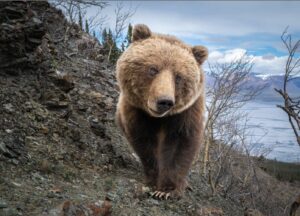
Why Is Bear-Human Conflict Rising on the Appalachian Trail? Black bear encounters surged by 75% along the Appalachian Trail in 2025. Bear biologist and Tooth and Claw podcast host Wes Larson explains why sightings of these bears are rising and why it’s more about human behavior than aggressive wildlife.
Many of the bears pose no real risk to humans. They have simply become used to us sharing the trail with them. For others, it is about food, and those, he says, are the ones to worry about. He highlights what hikers can do to keep both themselves and the bears safe. Most of it comes down to how you store your food.