When an expedition is mostly physical, it’s not necessary to learn the language of the country you’re traveling through. I’ve spent years traveling the Arctic and barely know a word of Inuktitut. But when culture is part of the exploration, and when you return to the same place repeatedly, then learning that country’s language is the best investment a traveler can make.
Maybe because I’m a writer, I like language, others’ as well as my own. Because I grew up in Montreal, I learned French in school from an early age. For whatever reason, I chose to take a year of Latin in high school, a decision that puzzled the guidance counselor. That was my first exposure to cases — endings that some languages add to nouns and adjectives, depending on their role in the sentence.
At university, I studied pure math but took a five-day-a-week German course for two years. The previous summer, I’d visited Switzerland and really liked it; I also enjoyed German literature. Together, this inspired me to study German. I’ve forgotten a lot of it — I’ll explain the circumstances later — but I was once pretty fluent.
With some reservations, I liked how they taught it; it was logical. There are about 200 irregular verbs in German, so you memorize them, and then you know that every other verb you meet is regular.
At the end of the first year, I had a vocabulary of 2,000 words and could hold a conversation. By the end of the second year, our class knew 4,000 words. You could carry on long conversations about anything with that.
Later, I once spent a month studying Spanish grammar on my own. I didn’t do anything with it. It was just a nerd’s idea of fun.
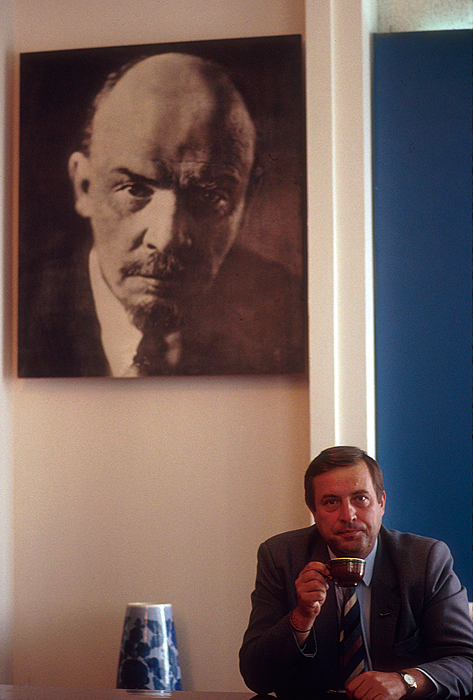
Photo: Jerry Kobalenko
I had an opportunity to visit Russia in the brief window between the dark Commie Soviet Union and the dangerous-for-Westerners Putin world. Something about the place appealed to me. It was cultural travel, not the hard physical stuff I enjoyed in the Canadian Arctic. Russians were crazy; the country was both deeply sad and very funny. Often, it felt like being inside a Dali painting. Sometimes, at the end of another absurd day, I’d laugh myself to sleep.
On the first trip, I was with a group, and we had a translator. The second trip was independent travel, but one of the Russians in our little party happened to speak German. She could tell me what was going on and convey my thoughts to the others. But it was clear that if I wanted to continue to travel Russia, which I did, I needed to learn Russian. Because I had reservations about formal language training, I decided to learn it on my own.
Before I started studying, I set goals. Remembering my German, I felt that an active vocabulary of 2,000 words would let me get by for extended periods without a translator. I then spent several weeks figuring out the 2,000 words I wanted to learn. The problem with studying languages in school is that you learn a lot of things a traveler doesn’t need. I didn’t have to know how to say curtain, nail, purple, jump, or cheek. Those might be fine for the second 2,000 words, but I just needed to learn the language well enough in under a year to be able to travel obscure corners of Russia on my own and communicate with unilingual Russians.
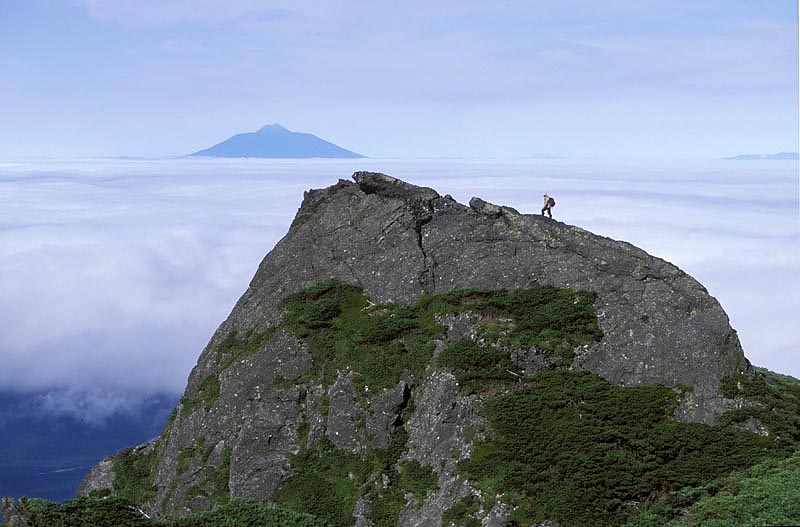
Mendelevo volcano, Kunashir, Kuril Islands. The Tyatya volcano pokes above a cloud sea in the background. Photo: Jerry Kobalenko
At the same time, I did include several outdoor words on the list — tent, sleeping bag, ski, pole, backpack, stove, polar traveler, etc. — that a non-outdoor person could do without. I also included grammatical terms like noun, verb, adjective, idiom, and pronunciation, so I could ask Russians to clarify something about their language for me.
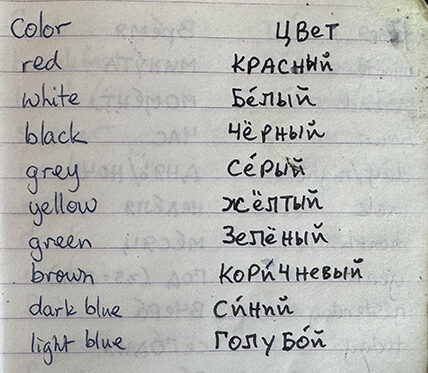
I put the nouns in categories, headed by the category name. Under Color, for example, I had black, brown, dark blue, light blue (the two common blues in Russian), green, grey, red, white, yellow. Under People, I had family, man/woman, boy/(little) girl, child/kids, baby, guys/girls, mother/father, aunt/uncle, daughter/son, brother/sister, cousin (both male and female), parents, relatives, grandmother/grandfather, wife/husband, friend. Other categories included Abstract Nouns, Animals, Body, Business, City, Clothes, Country, Food, Outdoors, Time, Travel.
When I had chosen the 2,000 English words, I needed to find their Russian equivalents. Just using an English/Russian dictionary wasn’t enough. Most words have several meanings or nuances; how could I choose the right one? At this point, I sought help by hiring a tutor once a week to verify that the Russian words I’d guessed from the dictionary best matched the English terms.
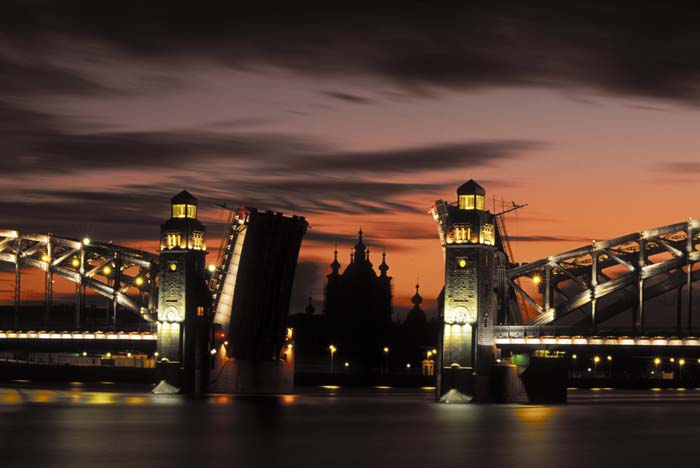
White Nights, St. Petersburg. Photo: Jerry Kobalenko
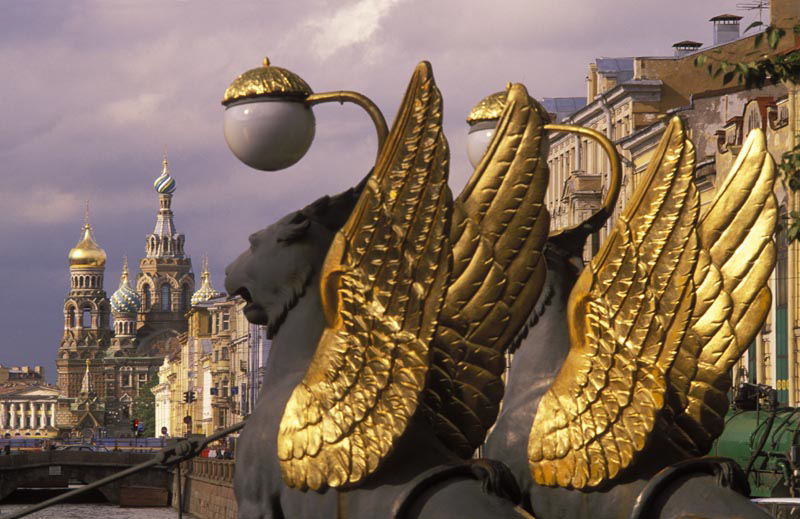
Bankovsky Bridge, St. Petersburg. Photo: Jerry Kobalenko
Walktionary
Nowadays, there is a lot more online information and language tools; I wouldn’t need a tutor as much. I would also put everything on my phone. However, I studied Russian before the first iPhone came out in 2007, so I used a 192-page, pocket-sized Clairefontaine notebook — the same model that serves as a journal on my Arctic expeditions. It was about the size of a smartphone and fit in a back pocket. You could carry it around everywhere and look at it in grocery lines or while walking. I called it a Walktionary.
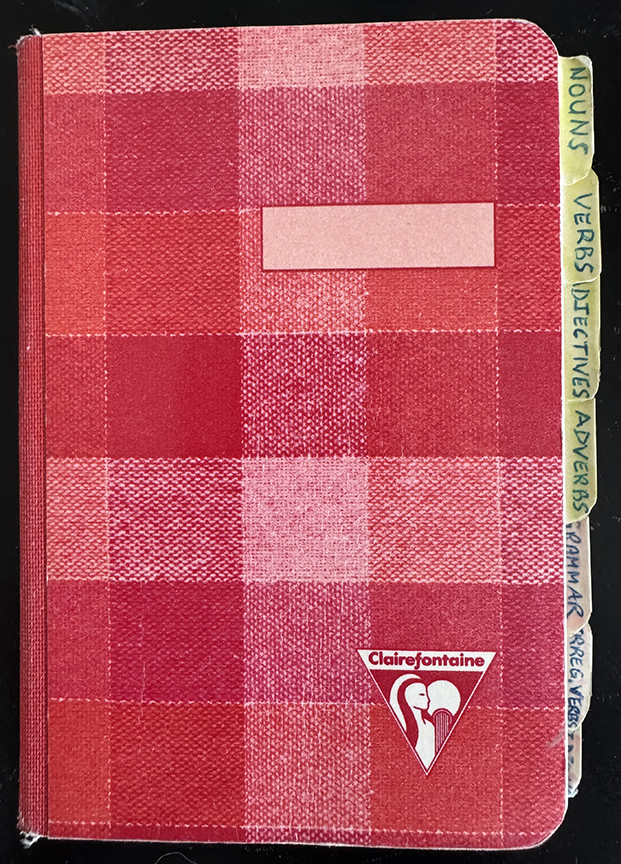
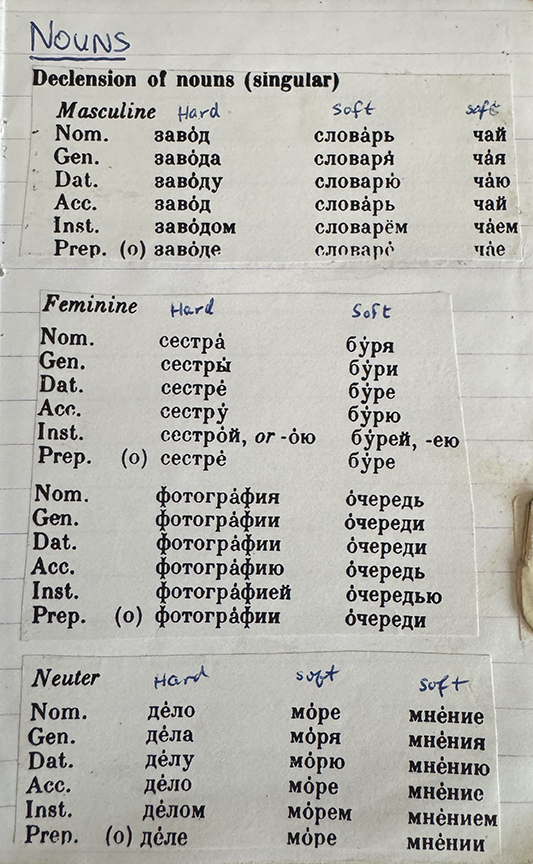
It was the key to learning Russian. It was basically a booklet full of stuff to memorize, and which I could carry everywhere. Apart from Nouns, Verbs, Adjectives, and Adverbs, it had an extensive grammar section. Like German and Latin, Russian has cases — six of them. Four were the usual Nominative, Genitive, Dative, and Accusative, the same as German. It also had two particular Russian cases, Instrumental and Prepositional.
I photocopied tables of these case endings from a Russian grammar book and glued them into the Walktionary. Then, when I built sentences in my head, I could practice those case endings. If I forgot something, I could look it up immediately in the Walktionary.
French was forced on me as a kid, and I never enjoyed studying it. But I did fall in love with German for a couple of years. Now, I fell in love with Russian. It occupied my every waking moment. I was between jobs that year and had the time. I’m sure many language learners will say you don’t need to love a language to learn it, but love and the obsession that comes with it help.
Besides case endings, the grammar section had tables of verb conjugations, declensions of adjectives, pronouns, and numbers, comparatives and superlatives, prepositions, conjunctions, and more.
Verbs were somewhat different in Russian from the other languages I’d studied, because Russian verbs come in two forms, perfective (a single action with a clear finish) and imperfective (repeated actions). The two forms are slightly different. I put both forms of each verb on the same line as their single English equivalent.
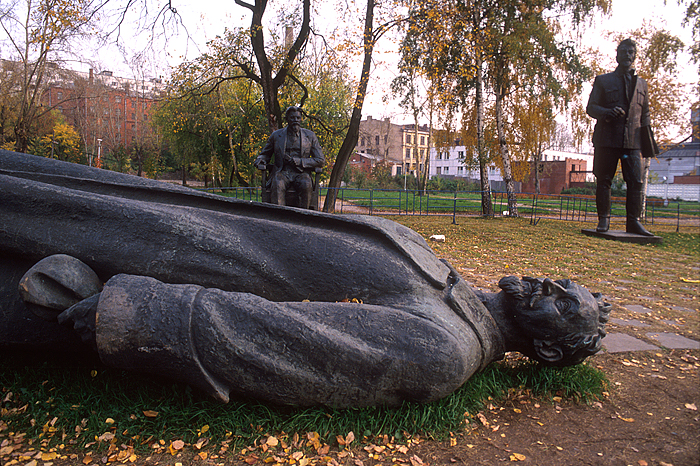
Brief optimism: The toppled statue of Felix Dzerzhinsky, the founder of the KGB, lies in a Moscow park. Photo: Jerry Kobalenko
Cyrillic
One thing about Russian that seems to intimidate English speakers is its alphabet. Yeah, Cyrillic looks different. But it’s mostly a combination of English letters and Greek letters, which anyone who takes science is familiar with, plus four or five distinctive Russian letters. Really not so different.
After my tutor helped me pick the correct Russian equivalents to my 2,000 English words, I kept going to her. Every week, I’d have almost an hour of grammatical questions. She also pronounced the Russian words, and I recorded her voice and later played it back to improve pronunciation. I’m not a good mimic and speak foreign languages with an English accent, but this helped. Again, today, you could have audio files attached to the words listed on a phone.
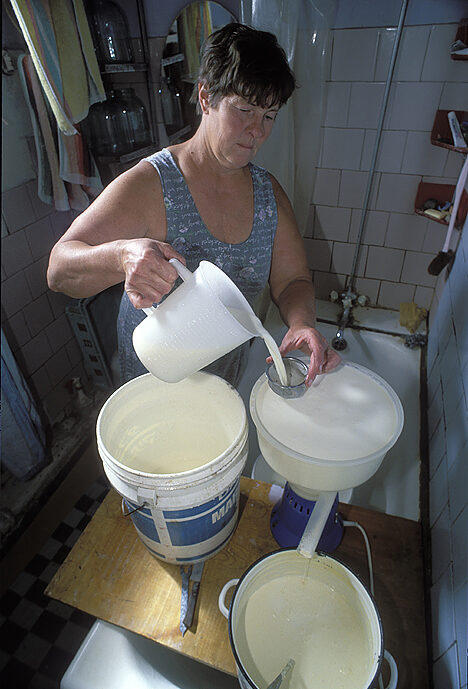
Separating milk from cream for a home dairy business. Photo: Jerry Kobalenko
Shortly after I started studying, I signed up for a once-a-week evening course in Russian at the local university. With some trepidation, I picked the Intermediate rather than the Beginner level. I struggled for a couple of weeks — I’d never seen Russian script before, which is as different from the Russian block letters I was using as English handwriting is from printed English. But soon I’d caught up.
In nine months, I knew my 2,000 words, and my cases and declensions and conjugations. I was aware of the limitations of this sort of learning, especially the minimal conversation with Russian speakers. But I conversed in Russian a lot in my head, and could say whatever I wanted — at least, enough to be understood. It was time. I boarded a plane to Moscow, where I was going to spend the next three months traveling around the country on my own and trying to get by.
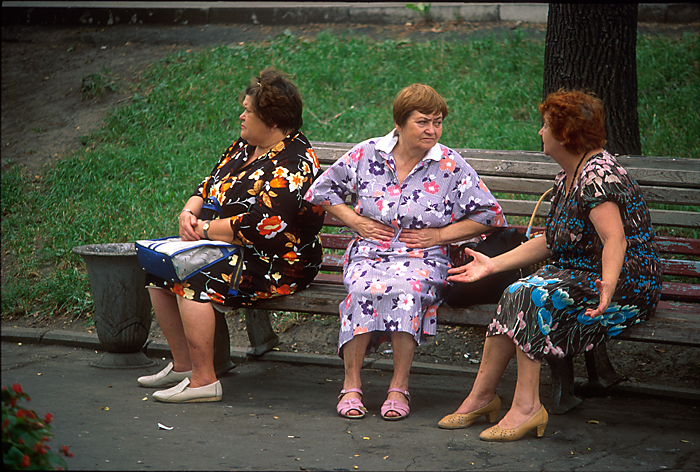
Understanding what others said was much harder than speaking. Photo: Jerry Kobalenko
Total immersion
In those three months, I discovered not just the country but what it was like to be immersed in another language. As expected, I could say whatever I wanted. But large parts of my 2,000-word vocabulary, of which I was so pleased, withered away from disuse.
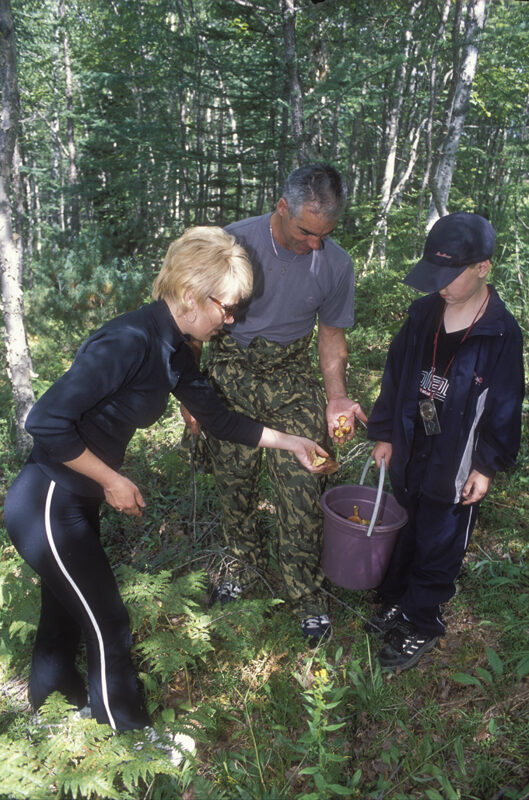
Mushroom picking, Sakhalin. Photo: Jerry Kobalenko
In their place, I gained fluency and picked up common idioms: nam povislo (we were lucky); podazhdi (wait a second); poshli or poyekhali (let’s go!); mne zhalko (it’s a shame); molodets (good for you/well done!), klassno (great!). Other new words reflected the experiences I was having: In the forests of Siberia, I learned the vocabulary of mushroom picking, as well as byelonozhki (black flies) and especially kleshch (tick). Even heavy drinkers and smokers in Russia, so casual with their health, meticulously did tick checks on each other after walks in the woods, because everyone seemed to know someone who had contracted a serious neurological disorder from a tick bite.
Other words, like nelzya (forbidden) or nevozmozhno (impossible), reflected the resistance I’d encounter to certain controversial places I’d try to visit. “At its best, travel is a form of trespass,” Paul Theroux once wrote. That curiosity would land me in a great deal of trouble in contemporary Russia.
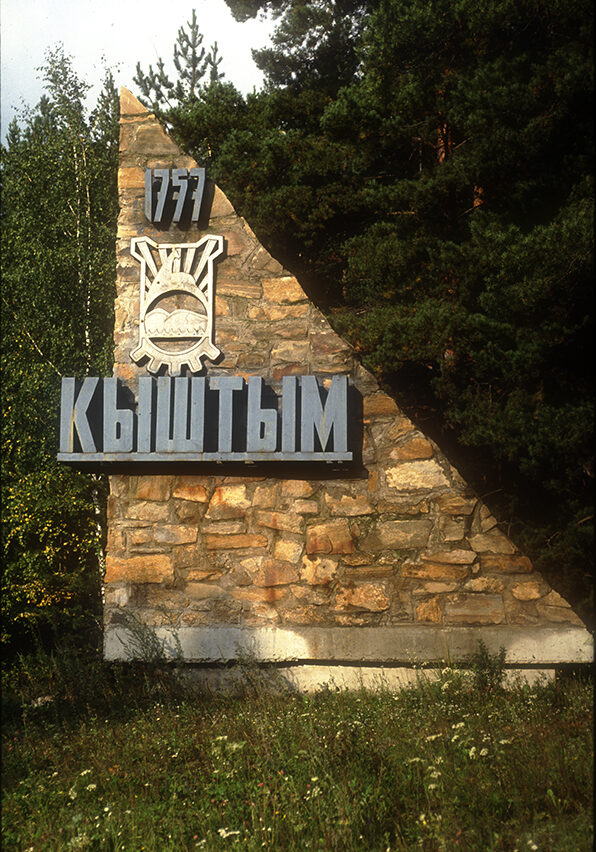
The little-known Kyshtym disaster, a worse nuclear accident than Chernobyl, prompted me to try to get permission to visit the site of the accident — the nearby closed city of Ozyorsk, formerly called Chelyabinsk-40, in the Ural Mountains. The Russians built their first nuclear bombs here. It was the place that U.S. pilot Gary Powers was photographing in his spy plane in the 1960s when he was shot down. Needless to say, I didn’t get permission. Photo: Jerry Kobalenko
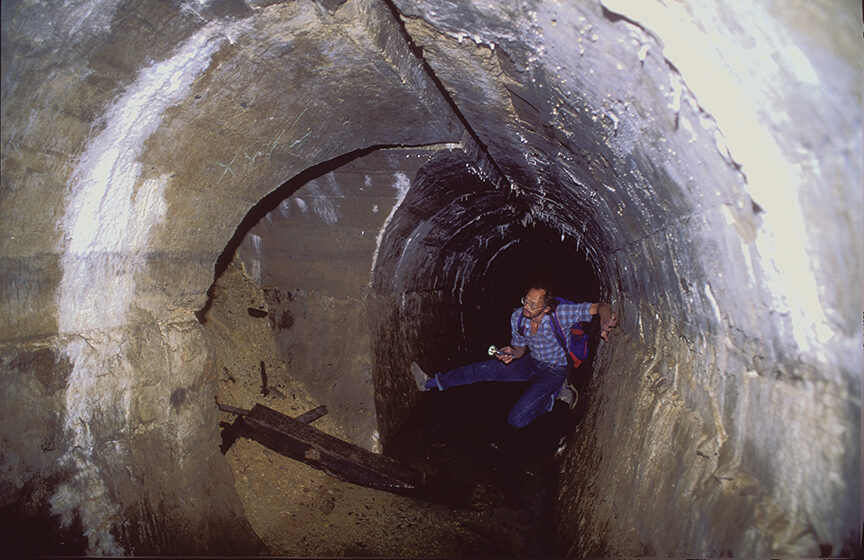
Exploring the catacombs beneath Vladivostok. Photo: Jerry Kobalenko
Please speak slowly
Not surprisingly, the real language difficulty was following the Russians’ half of the conversation. They used words that were not among my chosen 2,000. Some people were culturally sensitive and spoke slowly and enunciated clearly to the foreigner. I asked the more patient ones to speak to me as if I were five years old, because I always understood perfectly what mothers said to their young children.
Others had no patience and continued to run their words together at a mile a minute. “Please speak slowly” and “Please repeat” were two of my most common phrases.
Depending on the person, I typically understood 25% to 90% of a conversation. I had to concentrate on context to try to fill in the remaining percent. The effort required for this was the hardest part of living in another language for 18 hours a day. Sometimes at night, I’d collapse into bed, mentally fried.
The vocabulary I’d chosen to study was weighted fairly evenly between nouns and verbs. It turned out that nouns were much more important. About 60 verbs were all I needed to say just about anything. The rest soon dropped out of my active vocabulary.
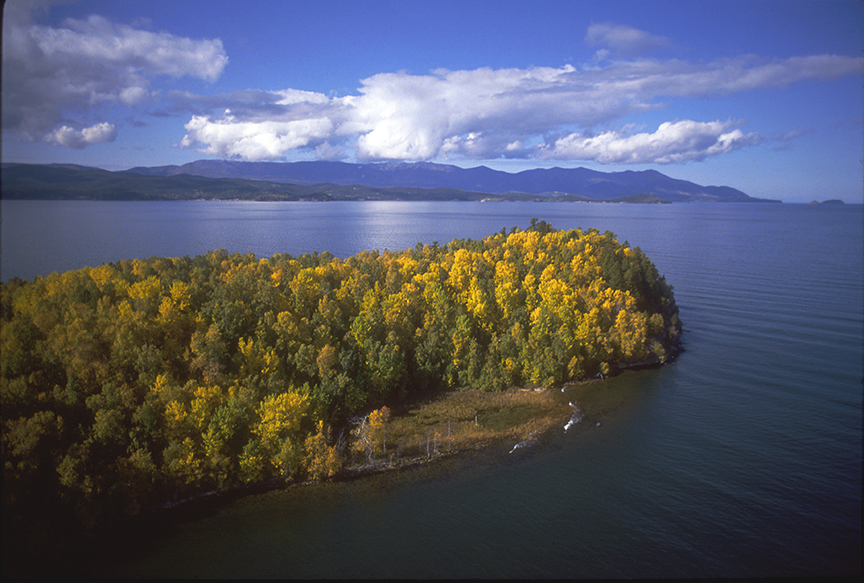
Lake Baikal. Photo: Jerry Kobalenko
Memory bank limitations
After two months in Russia, speaking almost exclusively Russian, I bumped into some German tourists. Although I had never used my German after university, somehow I’d retained it. The year before, on my second trip to Russia, German was vital for communicating through my German-speaking Russian friend.
Now, however, I found myself tongue-tied. In studying Russian, I’d somehow lost all my German. It was as if Russian words had replaced the German ones in my memory cells. Once, I tried to say the number 25 in German to the tourists, and while the 5 came out in German, I chose the Russian word for 20. The wires were totally crossed.
Plenty of talented linguists speak many languages, but I obviously had space up there for only one of those two. I’ve never recaptured my German.
I traveled Russia again in the early years of Putin’s reign. After a month, I was interrogated, in Russian, by a scary tribunal that included the head of the FSB in that district, the commander of a nearby army base, and a couple of serious-looking unidentified individuals. They wanted to know why I was visiting the Kurils, those disputed volcanic islands that Russia seized from Japan at the end of World War II.
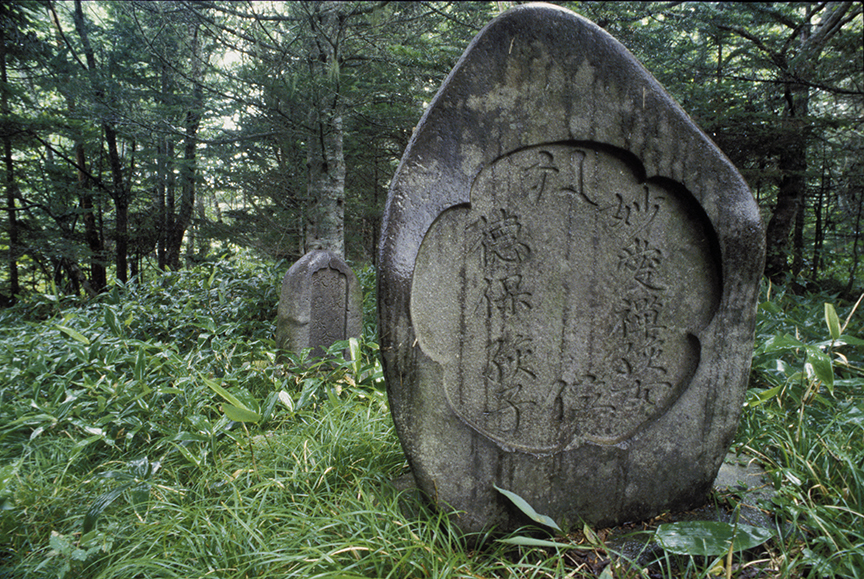
Old Japanese grave, Kuril Islands, Russia. Photo: Jerry Kobalenko
Not a time for guessing
Usually, with the people I met, I’d try to guess the gist of a conversation when I didn’t totally understand it. But this was not a time for guessing. If I didn’t perfectly grasp what they were saying, I said I didn’t understand and asked them to repeat it. It frustrated them.
Then, after about an hour, they asked me, out of the blue, “Why are you so interested in Japanese cemeteries?”
I’d photographed some overgrown tombstones in the woods a couple of weeks earlier, but the authorities shouldn’t have known that. It was clear I’d been under surveillance during my time there.
It ended well; my papers were all in order, and I wasn’t doing anything wrong or poking my nose where it shouldn’t go. Nowadays, unfortunately, that might not be enough.
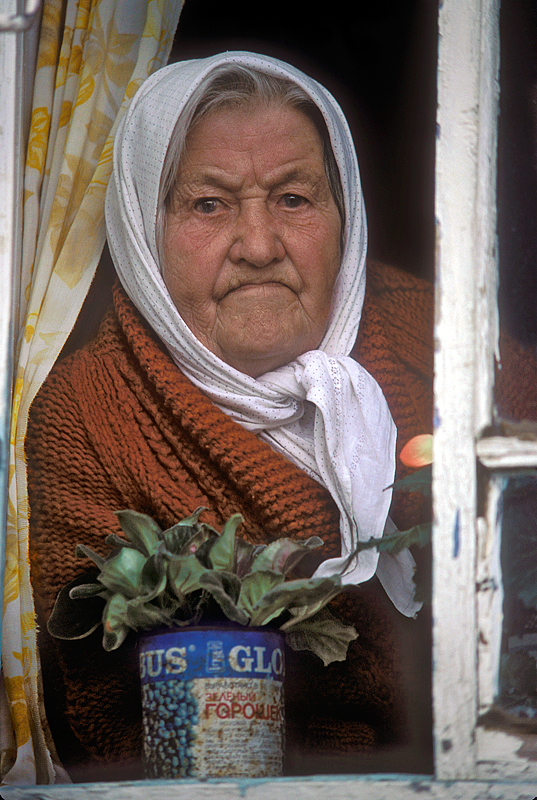
A village woman in the Ural Mountains. Photo: Jerry Kobalenko
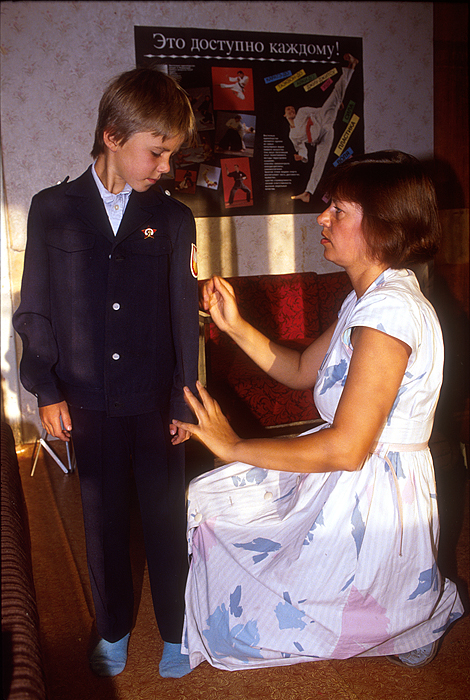
A mother prepares her son for the first day of school. Photo: Jerry Kobalenko
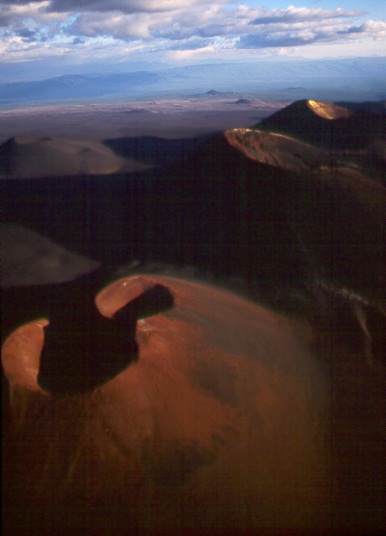
Cinder cones near the Tolbachik volcano, Kamchatka. Photo: Jerry Kobalenko
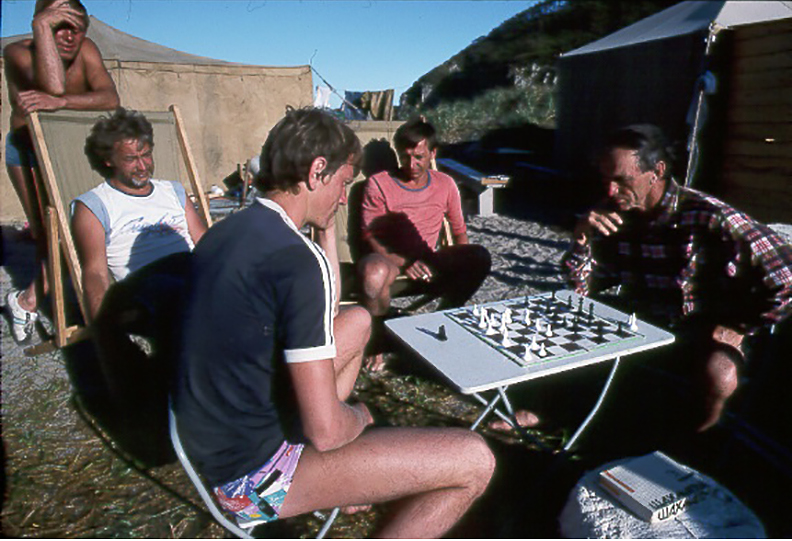
Relaxing at a beach in Primorye, in the Russian Far East. Photo: Jerry Kobalenko
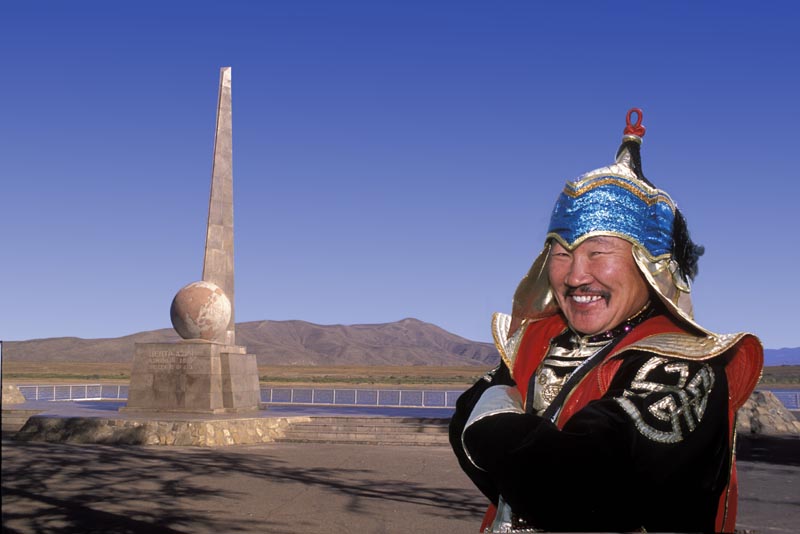
Kongar-ool Ondar, a famous Tuvan throat singer, stands by the old Center of Asia monument in Kyzyl. Photo: Jerry Kobalenko
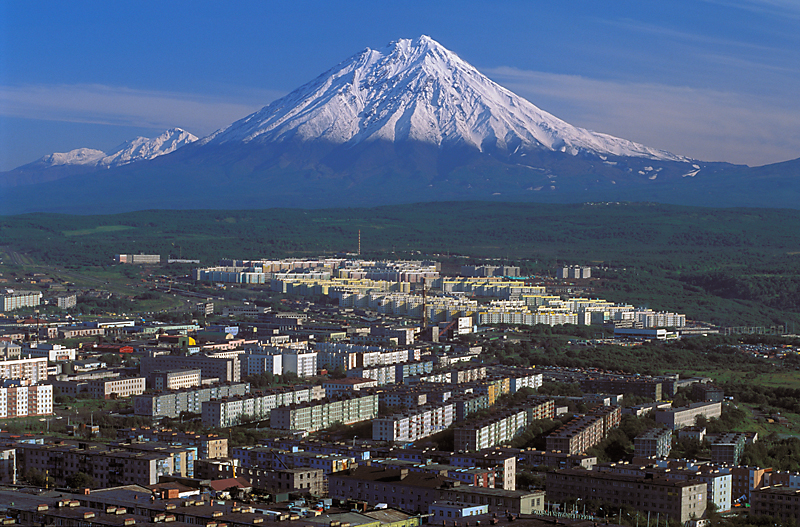
Petropavlovsk-Kamchatsky, the capital of Kamchatka, with the volcano Koryaksky in the background. Photo: Jerry Kobalenko
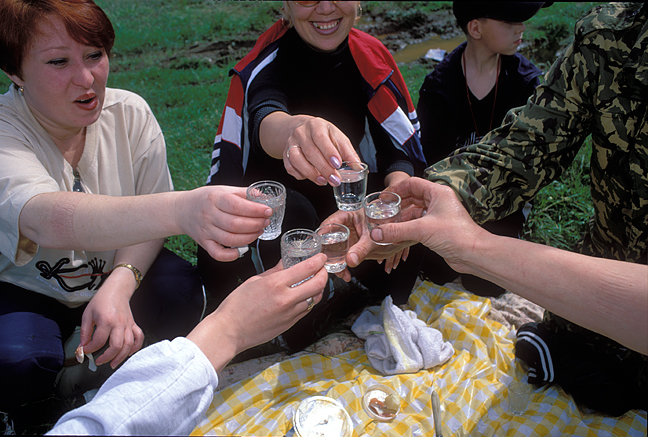
Vodka shots at a picnic. Photo: Jerry Kobalenko
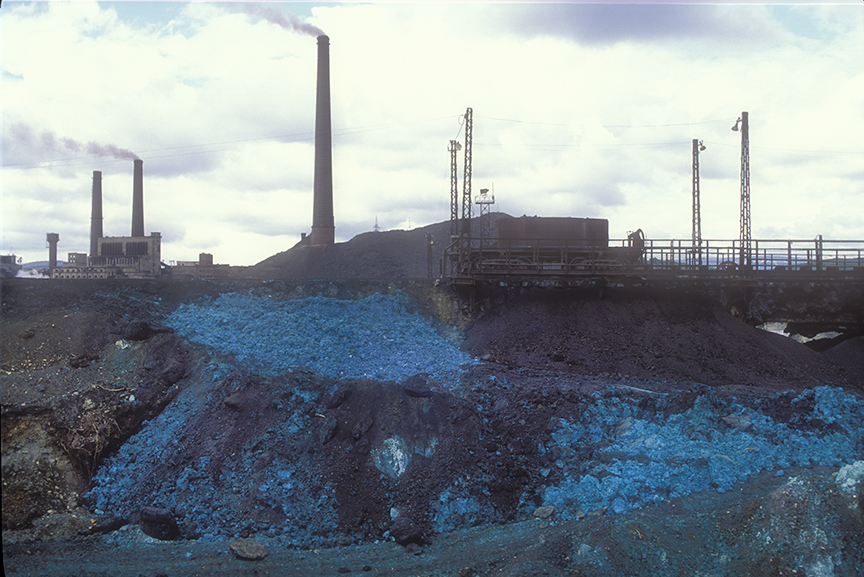
The copper mine at Karabash in the Ural Mountains, which Russians call the Dirtiest City in the World. It is said you know which way the wind is blowing by the color smoke you are breathing. Photo: Jerry Kobalenko
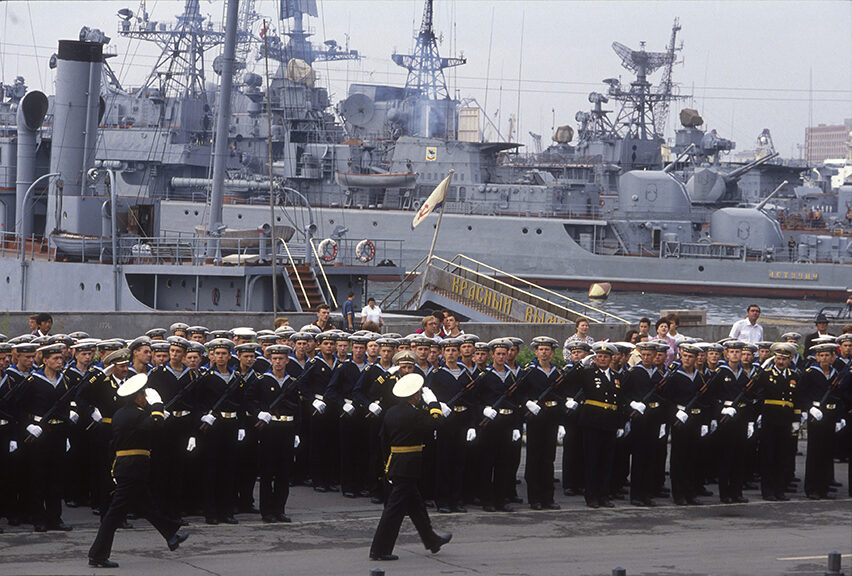
Naval cadets graduating, Vladivostok. Photo: Jerry Kobalenko