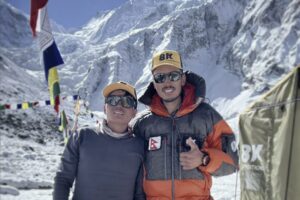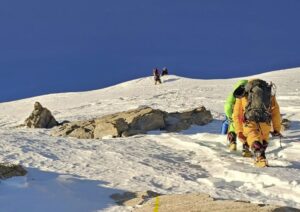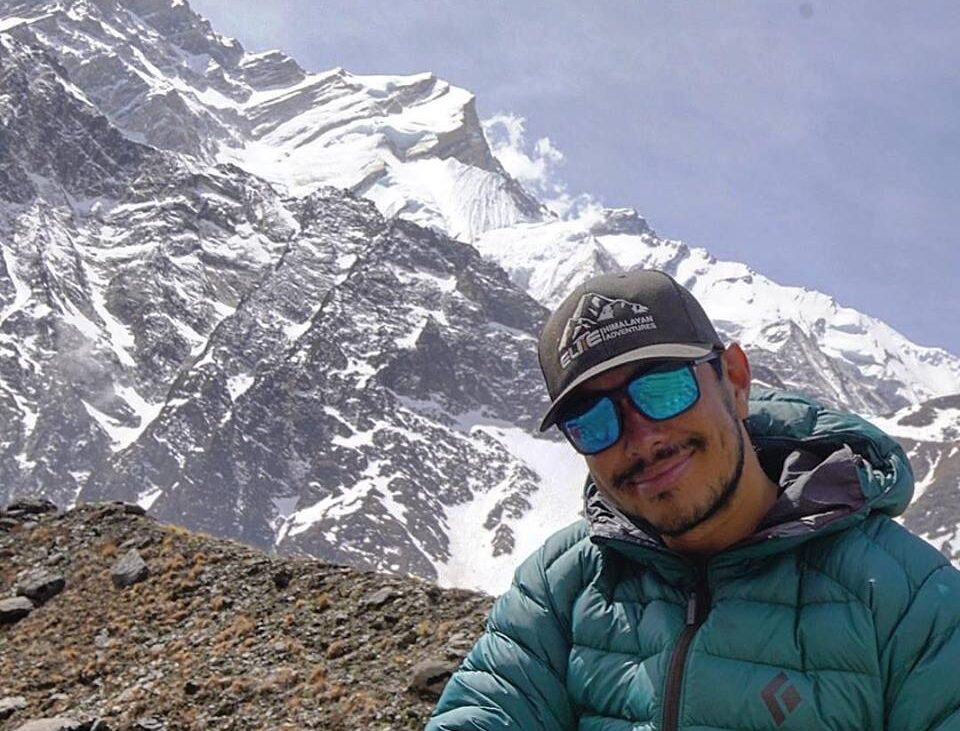
Local authorities in the Annapurna region are proposing numerous ways to pay tribute to celebrated mountaineer Nirmal Purja. A statue and a museum are popular initiatives on social media, but their proposal to change Annapurna’s name has sparked controversy.
On July 30, Nirmal Purja (also known as Nimsdai) perished in an avalanche on Broad Peak with nine other climbers.
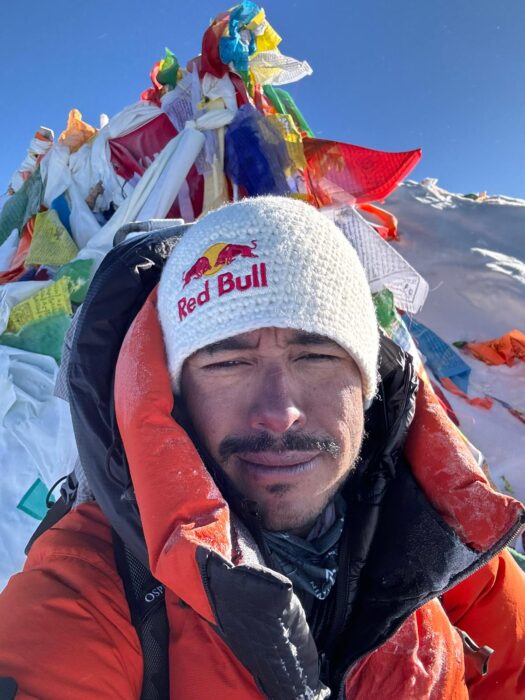
Nirmal Purja on the summit of Everest. Photo: Nirmal Purja
On August 18, the Annapurna rural municipality approved plans to build a museum and to erect a life-size statue of the climber (Purja was a UK citizen but was born in the Annapurna region), according to the Everest Chronicle.
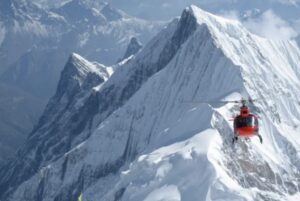
The municipality is considering placing the statue at Annapurna Base Camp, but hasn’t decided on a final location. They may be struggling to choose between the two base camps of the mountain. While climbing expeditions set camp and climb from the north side (typically reached by helicopter), trekkers mainly visit the so-called Sanctuary on the south side of the mountain, easily approachable on foot and part of the popular Annapurna Circuit. As for the museum, several locations are being discussed, all close to Purja’s birthplace, and the intention is to consult with the family.
Changing names
The municipality made two further proposals to celebrate, in the authorities’ words, Purja’s “contribution to mountaineering, adventure tourism, and the understanding of human capability.” They proposed adding Purja’s name to a famous trekking trail and to Annapurna I, the world’s 10th-highest mountain at 8,091m. They suggested renaming it “Nimsdai Annapurna.”
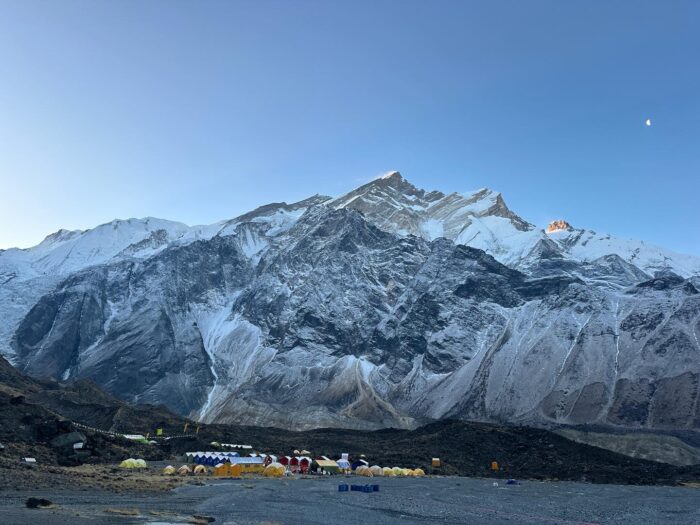
Annapurna at dawn, from Base Camp. Photo: Mingma G
Annapurna is a Sanskrit name usually translated as “everlasting food.” It honors the Hindu goddess of food and nourishment, who is said to reside there. Therefore, another popular translation of the mountain’s name is “Goddess of Abundance.”
Nepalis have always been careful to honor their mountain gods, and none of their citizens have ever had their names given to a peak. Not even in the only case of a significant Nepali peak with a foreign name: Everest. The 19th-century British cartographers couldn’t find a widely accepted local name for the mountain, so they named it after India’s General Surveyor at the time, Sir George Everest. Decades later, one of the two men who first summited Everest in 1955 was a Sherpa, Tenzing Norgay. Yet, Norgay never had his name added to the peak.
Annapurna was the first 8,000’er ever summited in 1950, but none of the French pioneers who climbed it considered changing its name.
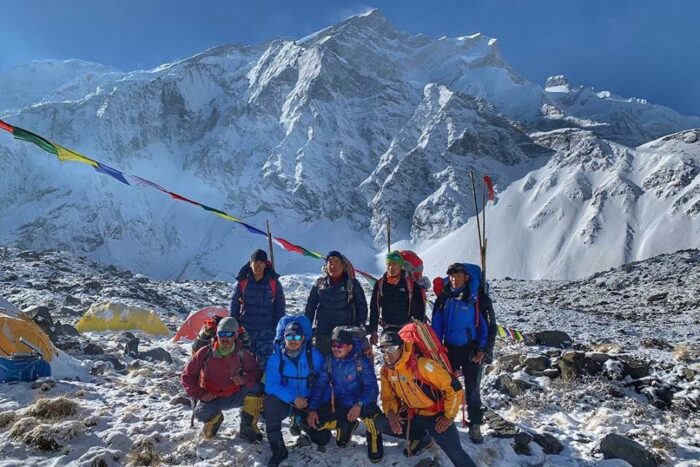
Nirmal Purja and the Project Possible team at Annapurna’s Base Camp in 2023. Photo: Project Possible
Far from confirmed
The local authority must send its proposal to Nepal’s federal government. If the Nepal government approves the name change, it would set a strange precedent when, around the world, countries have increasingly prioritized and promoted local, traditional names for mountains and geographical features.
Maurice Herzog led the French expedition that first climbed Annapurna, and his name is used for a trekking route that leads to the north side of the mountain. The government named it the Maurice Herzog Trail in 2019. The municipality’s new proposal suggests changing that name to the “Nimsdai Maurice Herzog Trail.” However, the head of Annapurna Rural Municipality, Bharat Kumar Pun, explained that they will consult with Herzog’s family before making their final decision.
Purja was born in Dana village of the Myagdi District (Gandaki Province), closer to Dhaulagiri than Annapurna. Dhaulagiri was also the first 8,000’er Purja summited. However, Annapurna was the first peak Purja tackled in his Project Impossible, when he completed the fastest ascent of the 14 8,000’ers.
While pursuing records and guiding clients, Purja climbed Annapurna several times, but we can’t tell if he ever used the Maurice Herzog Trail. Purja’s speed records used helicopters to move from base camp to base camp, and commercial expeditions also tend to avoid that trekking route (the trail includes some steep, exposed sections which are tricky, especially when covered in snow).