When we’re not outdoors, we get our adventure fix by exploring social media and the web. Here are some of the best adventure links we’ve discovered this week.
What We’re Reading: Editors at Alpinist magazine review three outdoor and adventure books they’ve been reading this year. Letters from the Edge is a collection of stories about extraordinary experiences, including that of Ada Blackjack’s survival after finding herself alone in the Arctic Ocean.
Reinhold Messner’s memoir Against the Wind sees the famed mountaineer reflect on his fame and climbs, and respond to the criticisms he has faced. In Eventually a Sequoia, artist Jeremy Collins writes about using his sketches to amplify the causes he is passionate about.
Hiker Killed By Herd of Cows: A 67-year-old woman was killed and her 65-year-old husband seriously injured after they were attacked by a herd of cows while hiking in the Austrian Alps in East Tyrol. Police said the couple encountered a large group of cows in a mountain pasture. Authorities are unsure what triggered the animals’ unusually aggressive behavior.
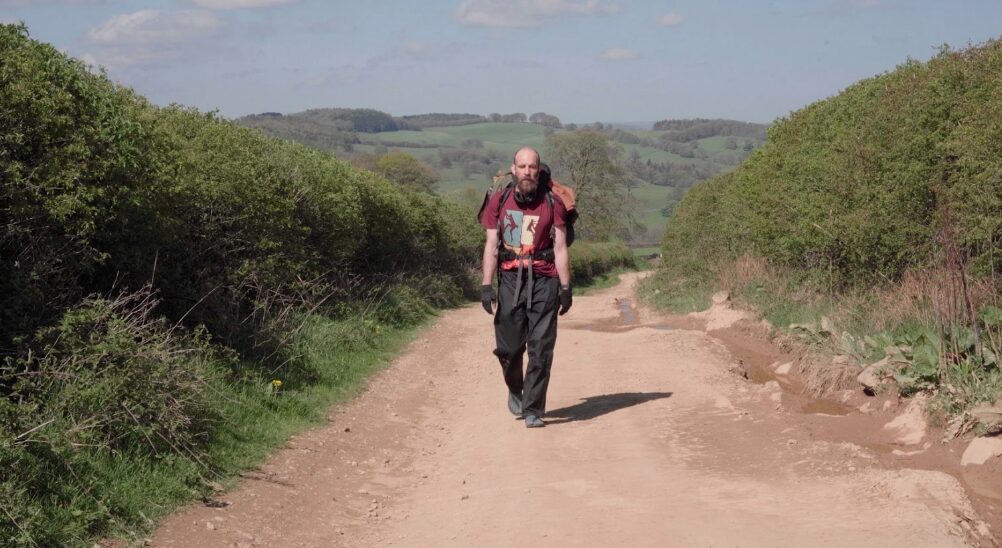
Ben Dalton. Photo: Jamie Schofield
500km in sandals
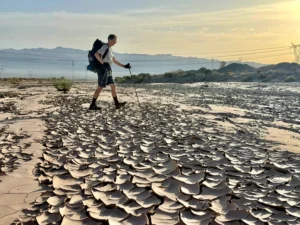
Ben Dalton’s Continuous Ethels Round in Barefoot Sandals: Ben Dalton completed a continuous round of all 95 Ethels, a collection of hills in the Peak District National Park. He covered roughly 500km over 10 days, believed to be the first continuous completion of the challenge.
What made the feat even more remarkable was Dalton’s decision to do the journey wearing sandals. Here, he discusses how he prepared for walking 50km a day, why he decided against a self-supported journey, and the benefits of sandals.
My Father Was Part of Everest’s First Death-Zone Rescue: Fifty years ago, a group of climbers mounted an extraordinary effort to save teammates stranded high on Everest.
Everyone thought Michael Lane and John Stokes had died in their summit attempt in 1976. When their team’s second summit pair began their attempt, their secondary goal was to try to find the bodies of their friends.
To their amazement, they found them alive in a snowhole they had dug to survive. They were frostbitten, snowblind, and barely hanging on. What followed was a huge rescue mission to get them down the mountain.
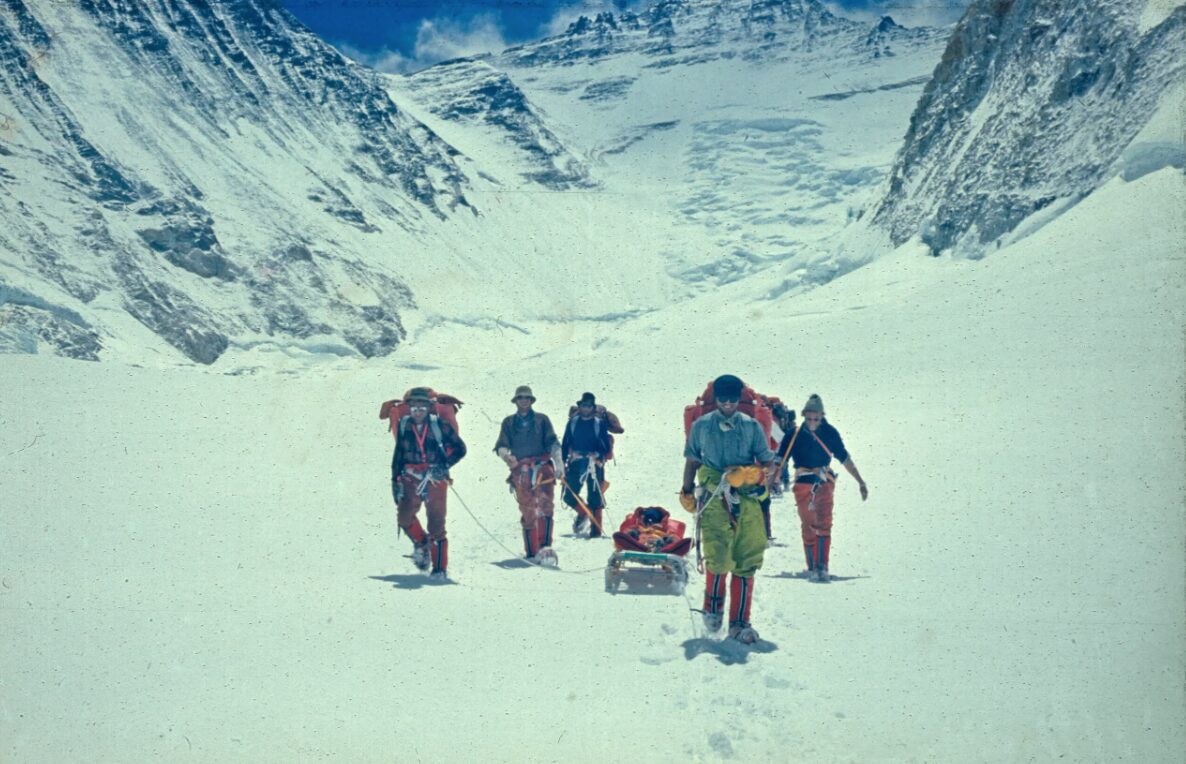
Rescuers pull Stokes through the Western Cwm. Photo: Courtesy AMA expedition
Calling for help in E flat major
A Hiker Called for Help With His Saxophone: An Australian hiker stranded in Taiwan’s mountains for nearly a week managed to attract rescuers by playing his saxophone. He headed into the mountain after an argument with his wife, carrying nothing but his saxophone and a Bible.
Despite the obvious flaws in his approach, it highlights the importance of carrying something to signal for help. For those who don’t want to lug around a saxophone, the best options are a whistle, signal mirrors, or a satellite communicator.
Trekkers Contract Norovirus on the Pacific Crest Trail: A norovirus outbreak has spread among dozens of hikers along the Pacific Crest Trail, causing severe vomiting, diarrhea, and dehydration and prompting at least one helicopter rescue.
Health officials and hikers believe the highly contagious virus has spread easily along remote sections of the trail where sanitation can be difficult. One hiker who ended up in the hospital said he had never felt as weak and was struggling to stand. Local businesses, volunteers, and trail organizations are increasing cleaning efforts, replacing water caches with sealed bottles, and temporarily closing some facilities until the outbreak subsides.

Photo: Shutterstock
Should you pee on a jellyfish sting?
Think Urinating on a Jellyfish Sting Is Helpful? Think Again: Jellyfish do not intentionally attack humans; if we are stung by them, it is because we have waded or swum into their path as they drift through the ocean.
The stinging cells in their tentacles can cause great pain, and many people have heard that urinating on the sting will help relieve it. In fact, that can often worsen the reaction. Instead, experts recommend rinsing the afflicted areas with saltwater, applying vinegar to deactivate remaining stingers, and using antihistamines to reduce pain and swelling.
How I Manage Outdoor Poop Emergencies: A side effect of loving the outdoors is coping without a toilet. This can disturb a lot of people, especially if you also happen to suffer from a condition like IBS or Crohn’s disease, where holding it in and waiting for a better location is not an option.
Drawing on personal experience and advice from gastroenterologists, Katie Jackson explains the importance of identifying trigger foods, staying properly hydrated with electrolytes, and understanding your digestive patterns before longer adventures.