A highly anticipated expedition to solve one of aviation’s greatest mysteries has concluded without finding the wreckage of Amelia Earhart’s missing plane.
A 17-person team from the Archaeological Legacy Institute and Purdue University recently returned from Nikumaroro, a remote and uninhabited atoll in the Pacific Ocean.
Their primary objective was to investigate the Taraia Object, a mysterious shape in a shallow lagoon that researchers first noticed in 2020 on satellite and historical aerial photos. While some hoped the anomaly was the remnants of Earhart’s Lockheed Electra, the expedition determined it was entirely natural.
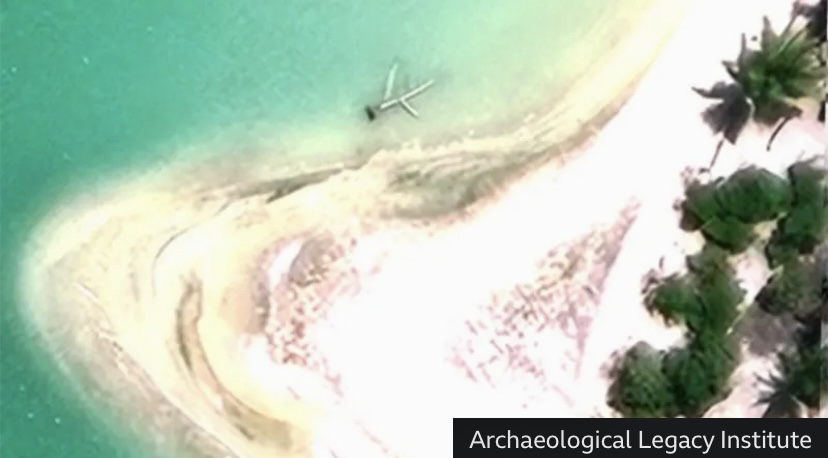
The Taraia Object on a satellite image. Located at Nikumaroro. Photo: Archaeological Legacy Institute
According to Purdue University officials, the object was a cluster of large fallen trees resting on a sandbar. Much of the debris observed in satellite images had already broken up and washed away, leaving a single Y-shaped piece. The reflective, metallic glint seen from above turned out to be a hardened layer of coral sand coating the wood.
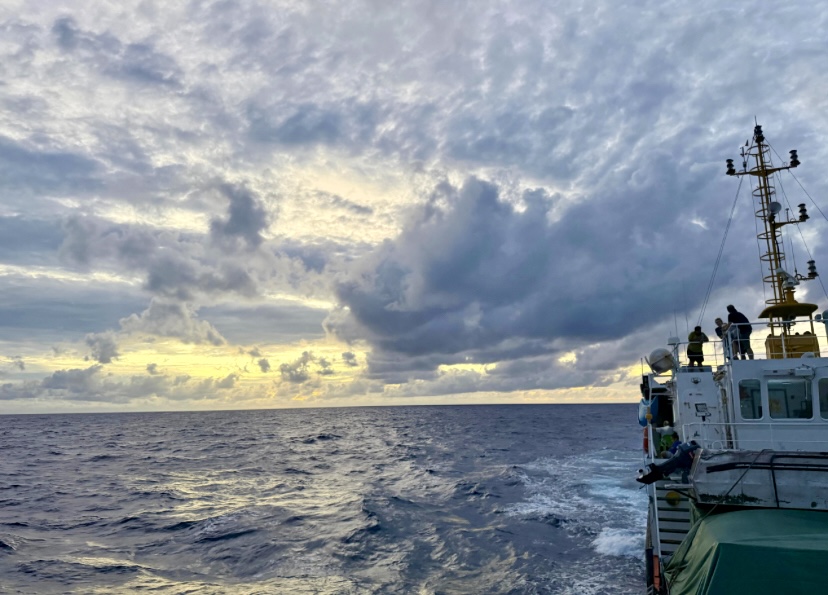
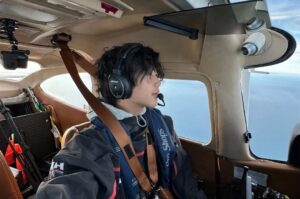
On the way to the atoll. Photo: Purdue Research Foundation
Giant crabs
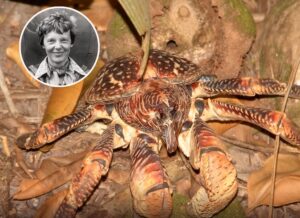
The five-day operation proved logistically complicated. Workers faced dense brush and a large population of giant coconut crabs. The nocturnal activities of the massive crabs forced the crew to abandon plans to camp on the atoll and to return to the ship each evening. During the day, the crabs simply minded their own business.
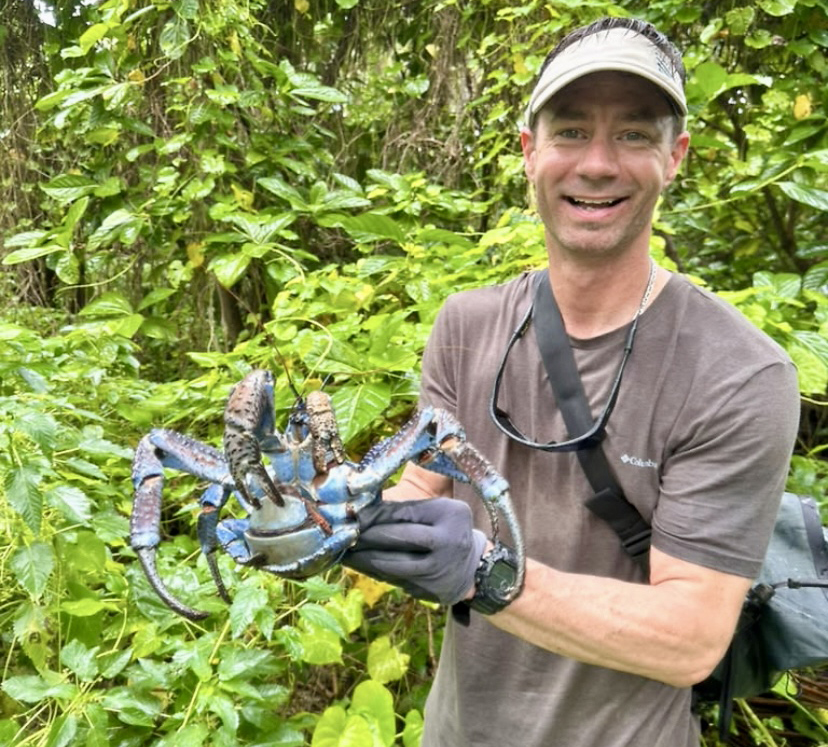
One of the crew holds a coconut crab. Photo: Purdue Research Foundation
Despite the difficulties, researchers recovered a few minor artifacts to study lagoon drift patterns, including a 76cm steel tube.
The team emphasized that ruling out the Taraia Object does not disprove the broader “castaway hypothesis.” For decades, historians have investigated the theory that Earhart and navigator Fred Noonan drifted off course during their 1937 global circumnavigation attempt, landing on Nikumaroro’s reef after failing to find Howland Island.
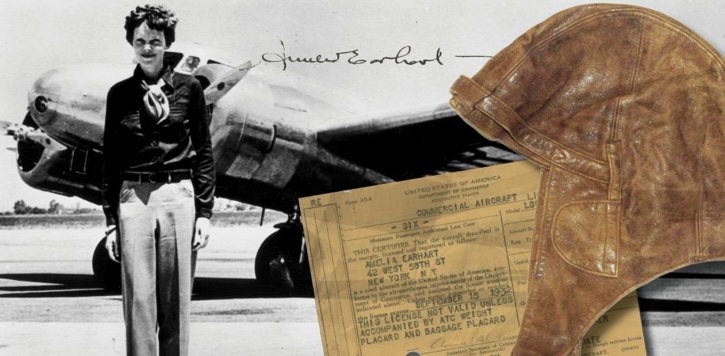
Amelia Earhart. Photo: amelia.prf.org
Purdue University, where Earhart once served as a career counselor and aviation advisor, stated that its commitment to the search remains unchanged.
“Amelia Earhart never gave up — she kept pushing boundaries and flying into the unknown,” said Steve Schultz, Purdue’s general counsel and field assistant, after the expedition. “She kept flying, and we will keep searching.”
For more details, extensive project documentation, and a gallery of expedition photographs, you can visit the official mission site at Amelia.prf.org.
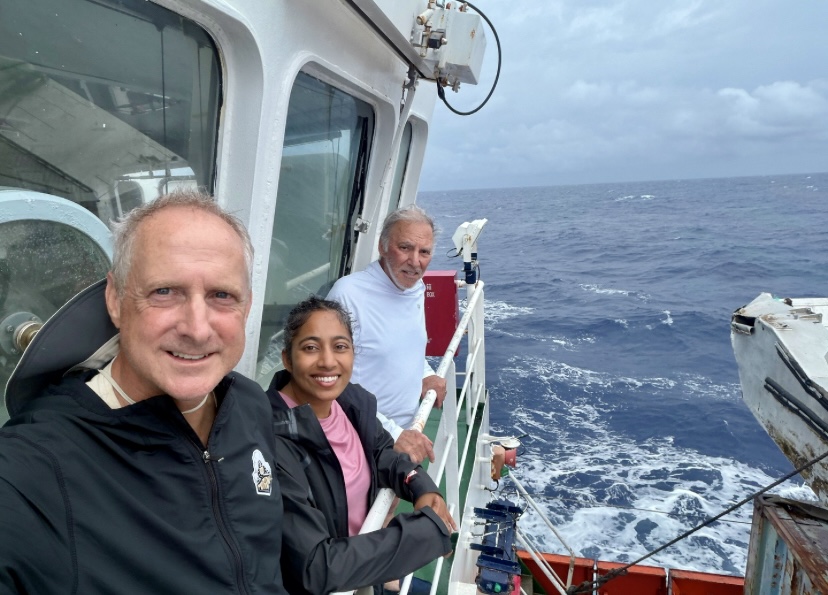
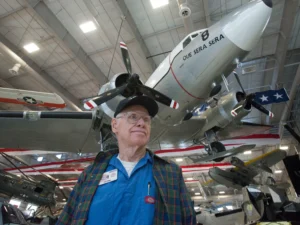
From left to right: Steve Schultz, Sirisha Bandla, and Marc Hagle, members of the research team. Photo: Purdue Research Foundation