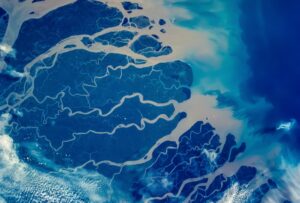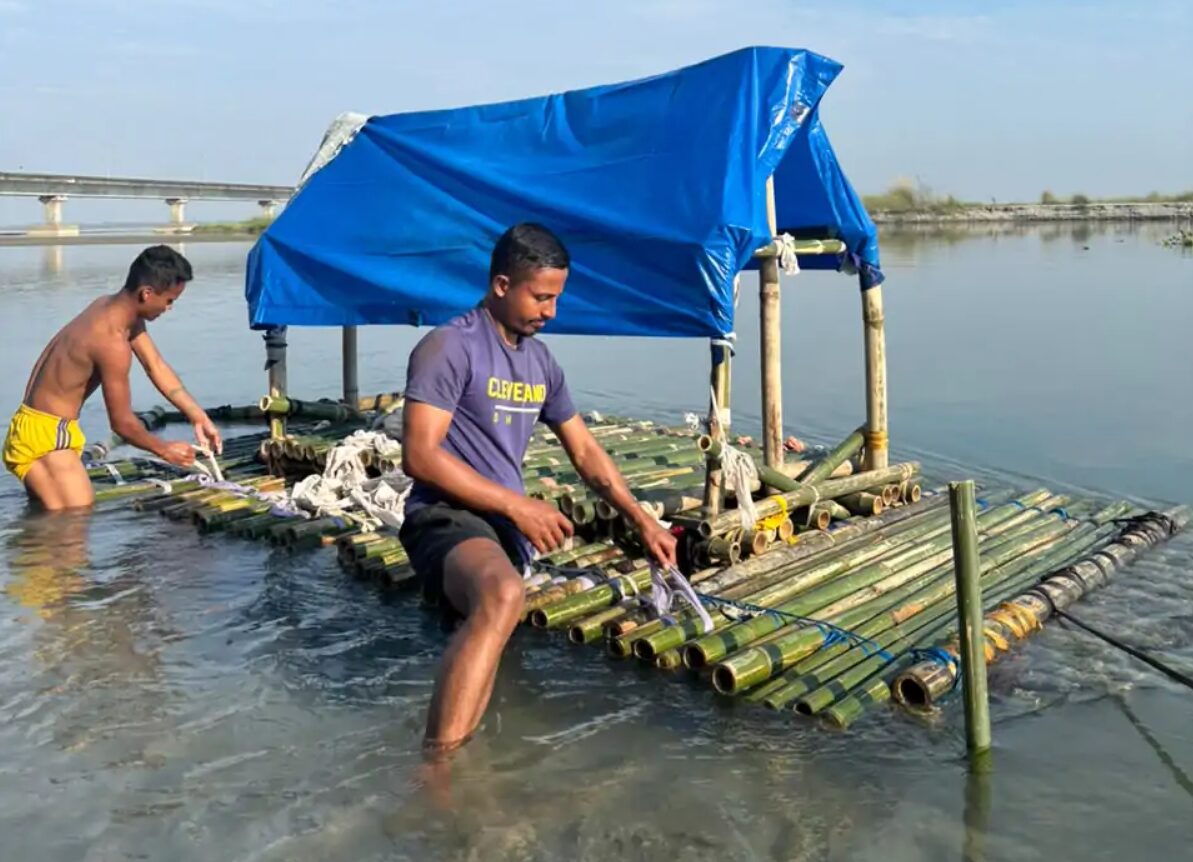
Indian mountaineer and adventurer Shekhar Bordoloi has just started a solo expedition down the Brahmaputra River. He set off on a homemade on a bamboo raft from the Dhola–Sadiya Bridge on November 1 and aims to finish at Dhubri, 891km later. The route covers the entire Brahmaputra within India and should take 22 to 25 days in all. The river begins in Tibet and continues beyond India into Bangladesh, covering 2,900km in all.
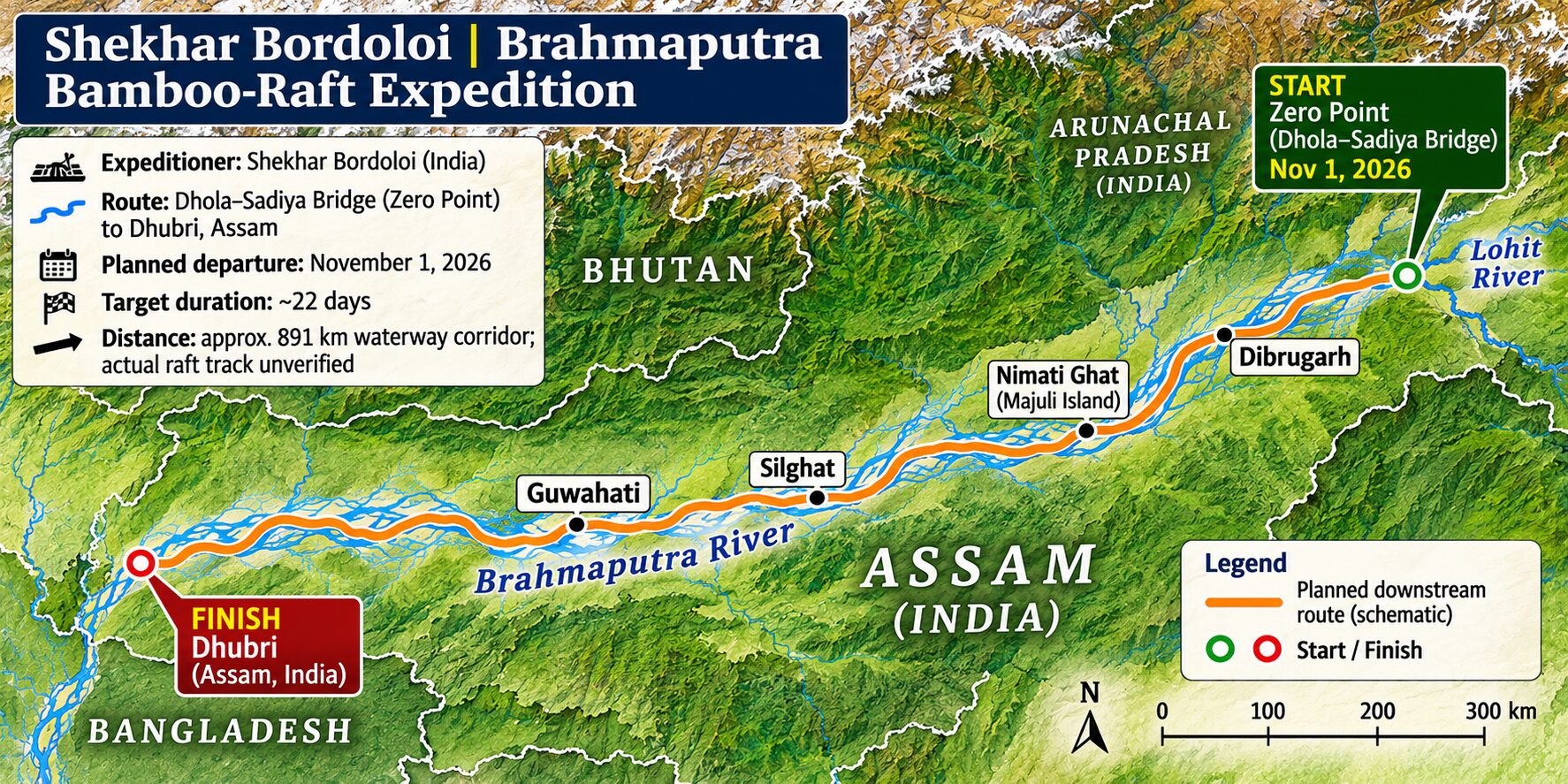
This won’t be Bordoloi’s first time down the river. In 2020, he and two friends took a similar bamboo raft down a 400km section of the Brahmaputra. Earlier, in 2015, Bordoloi was one of 11 who tackled another part of the river over 11 days under the auspices of the Assam Mountaineering Association. This expedition, however, will test his endurance, pitting him against river conditions for longer, and with less support, than ever before.
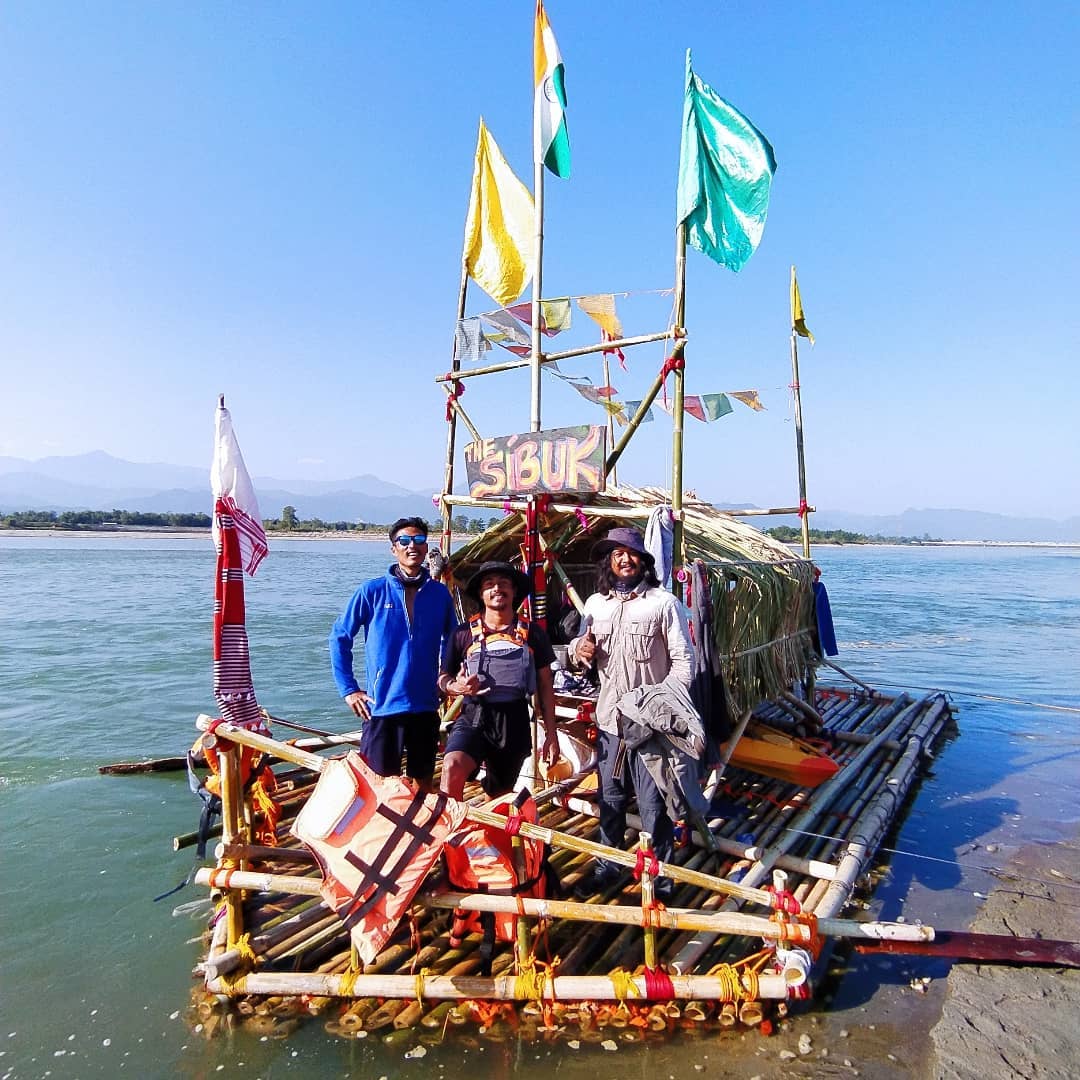
Bordoloi on a previous raft expedition on the Brahmaputra. This raft took Bordoloi and friends from the world’s largest river island, Umananda, to its smallest, Majuli. Photo: Shekhar Bordoloi/Instagram
Across Assam by raft
Bordoloi’s raft was hand-built from bamboo poles carefully lashed together over several days. Such craft are a traditional way of navigating rivers across the region, and are still used by local communities for fishing and transportation.
Though the river can be temperamental, Bordoloi’s first two days have been relatively calm, taking him down the Lohit, one of the Brahmaputra’s many tributaries and channels. Navigating the complex river system alone will be a challenge. The Brahmaputra is one of the largest river systems in India, the ninth-largest in the world by discharge, and is prone to flooding and powerful currents.
But according to Bordoloi, those obscure, winding corridors are at the heart of this project. Many sections of the river remain underexplored, and he believes there is hidden potential for the people in his home region of Assam. If he can map routes for river tourism and model environmentally responsible river navigation through those routes, he hopes to draw attention to this important riverine ecosystem and the economic opportunities for the people living along it.
The logistical challenges of a long expedition will further complicate progress. On previous expeditions, Bordoloi traveled with minimal supplies or no food at all, relying entirely on foraging and knowledge of the natural landscape. But this adventure will take over twice as long and may put those skills to their limits.
Bordoloi is documenting his daily progress on Facebook and Instagram.