When we’re not outdoors, we get our adventure fix by exploring social media and the web. Here are some of the best adventure links we’ve discovered this week.
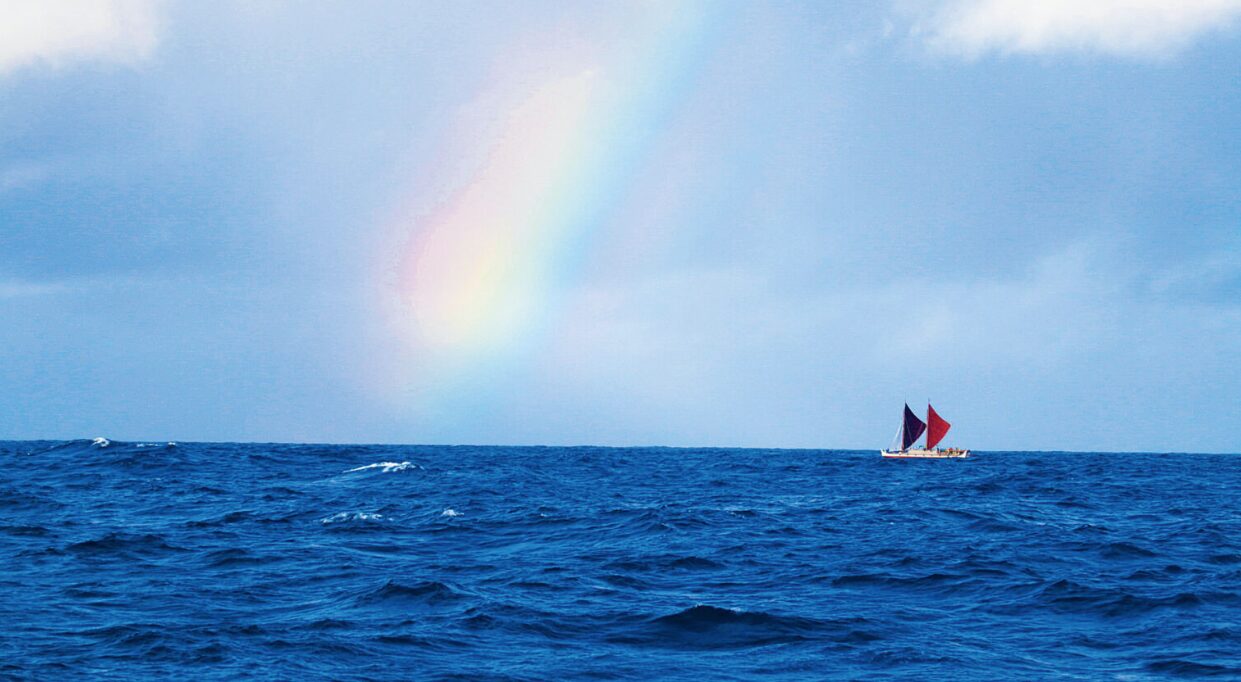
Polynesian Wayfinding: Ten Hawaiian sailors recently completed a 2,574km journey from the Cook Islands to New Zealand aboard a replica of a traditional double-hulled Polynesian canoe. They navigated without a compass, GPS, engine, or charts.
Instead, they relied on traditional Polynesian wayfinding, using the position of stars, the direction of ocean swells, winds, birds, and clouds to get to New Zealand. The journey is part of a wider project to circumnavigate the Pacific in the canoe, and revive and pass on these traditional skills to a new generation.
How Climbing Lost Its Honor System: The dynamics of trust within extreme sports are changing. For generations, mountaineering and bouldering have relied on an unspoken code of trust, where an athlete’s word was sufficient to validate an ascent. Now expectations have shifted. Witnesses or raw video documentation are needed to prove you actually made it to the summit.
Earlier this year, Dutch boulderer Simon Boes claimed he had climbed his first-ever V16, Deep Fake in Switzerland, and duly released a send video. But eagle-eyed viewers spotted a subtle cut within the video footage and questioned how much it had been manipulated.
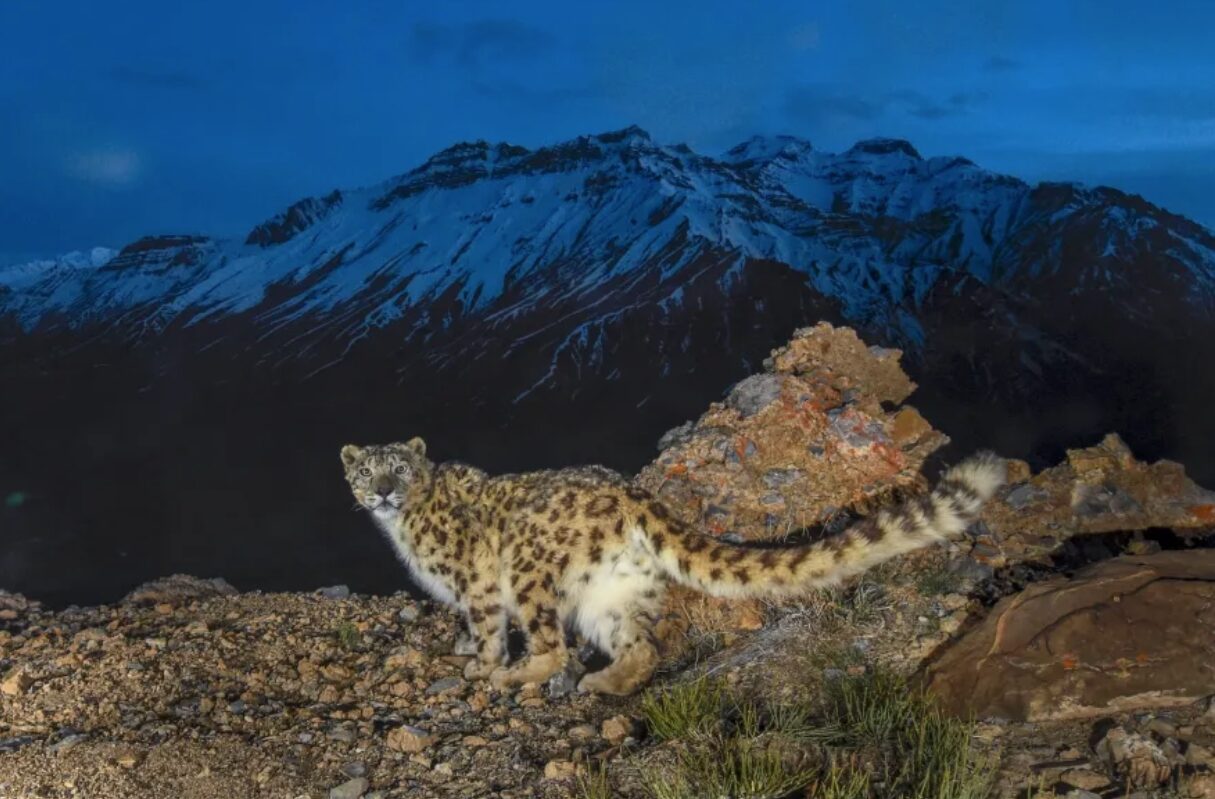
A young snow leopard looks into the camera in the Lingti Valley. Photo: Prasenjeet Yadav
Studying snow leopards in a wild corner of India
A ‘Suicidal’ Expedition to Study Himalayan Snow Leopards: For over two decades, Dr. Kulbhushansingh Suryawanshi has studied the elusive snow leopard, but understanding the species first meant reaching one of the most remote areas of the Indian Himalaya — the Lingti Valley. He needed to establish a study site that had not been affected by livestock and human activity.
Getting there meant attempting to cross the 5,670m Shilla Pass in winter conditions and temperatures of -30°C. Snow and powerful winds forced his team to turn back just hundreds of meters from the pass.
Instead, they followed the frozen Lingti River, with unstable ice and multiple dangerous crossings, to reach the valley. After days of difficult travel, they found the first evidence that snow leopards inhabited the area.
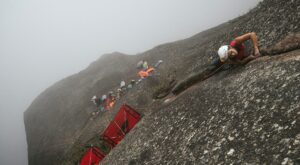
Linger: The aim of Katie Kelble’s expedition to the remote Karavshin Valley in Kyrgyzstan was clear. She wanted to summit The American Way, a 950m free-climbing route on Slesova Peak with climbing partners John Ebers and Colin Baker.
The first four pitches were the hardest. It was freezing cold, and the initial day was filled with self-doubt. On the second day, Baker became ill, and Kelble and John had to continue as a two-person team. Over three days they climbed, slept on the mountain and raced against approaching storms to reach the summit.
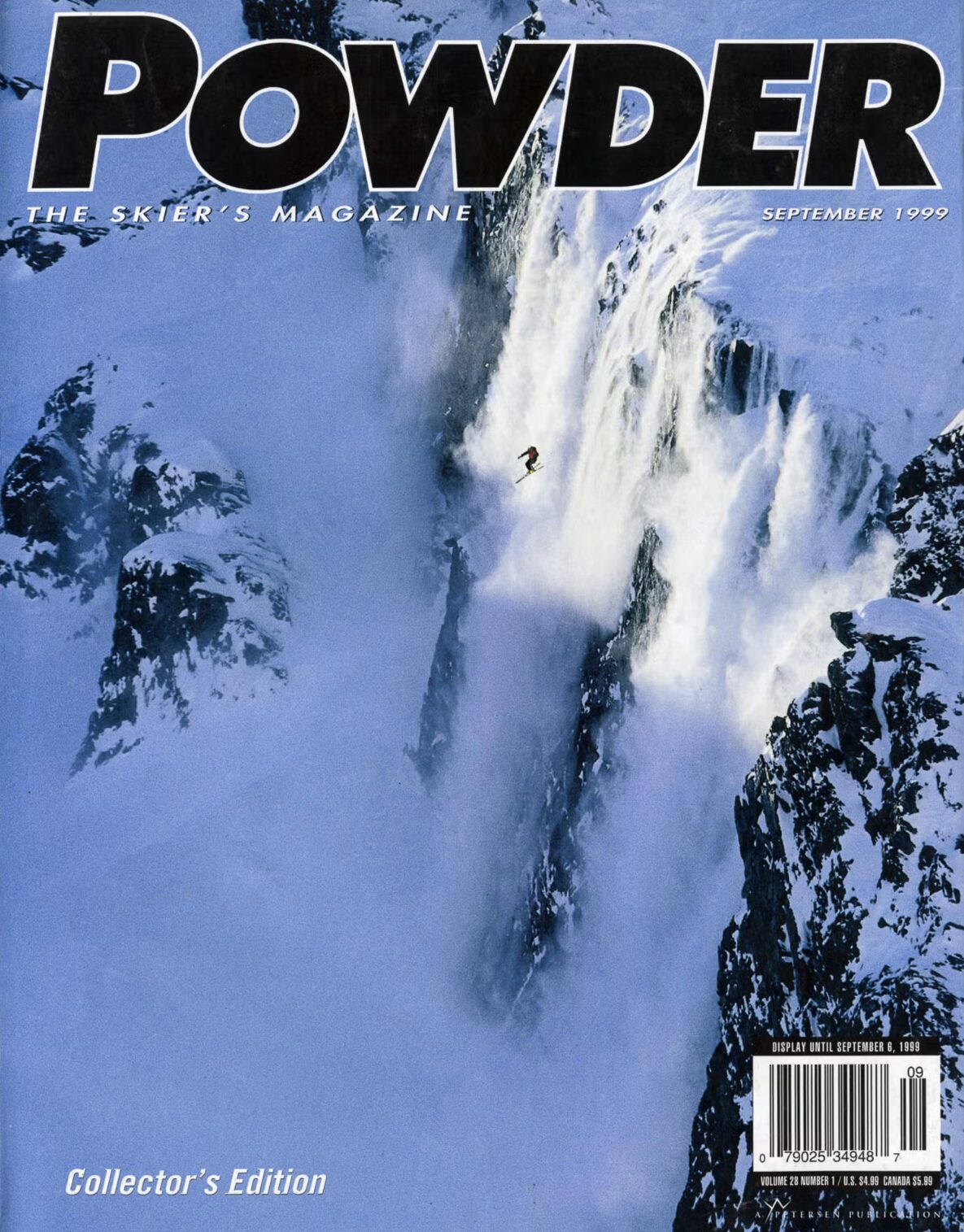
POWDER Magazine Vol 28 Issue 1 (1999). Photo: POWDER/Dave Nagel
The story behind an all-time great ski photo
How One of Powder’s Most Iconic Covers Came to Be: In 1999, Jeff Holden made a 150-foot jump in Alaska’s Chugach Mountains, and it became one of the most iconic skiing photographs of the era. Holden was skiing with a film crew at the new Points North heliski operation when he spotted the cliff and decided to attempt the jump.
It was significantly higher than anything he had previously attempted, and the crew he was with couldn’t believe what was happening. Before the jump, he meditated, and the photographers and filmmakers positioned themselves to capture his attempt. Holden reached speeds of more than 100kph as he dropped from the cliff, then skied back over to the crew as if nothing had happened.
Your Gear Will Outlive You: Neil Schulman was rummaging through gear in the closing-down sale at this local paddling shop when he found a faded yellow SealLine bag. Along the edge, written with a Sharpie, were two names and a phone number. The old yellow bag belonged to Jim and Jan Bollerman, two local canoeists who both died in their 80s.
Schulman had known them both, photographed them canoeing, and watched Jim many times on the slalom course. The slightly leaky bag is now one of his most treasured bits of gear, a link to people he once shared the water with.
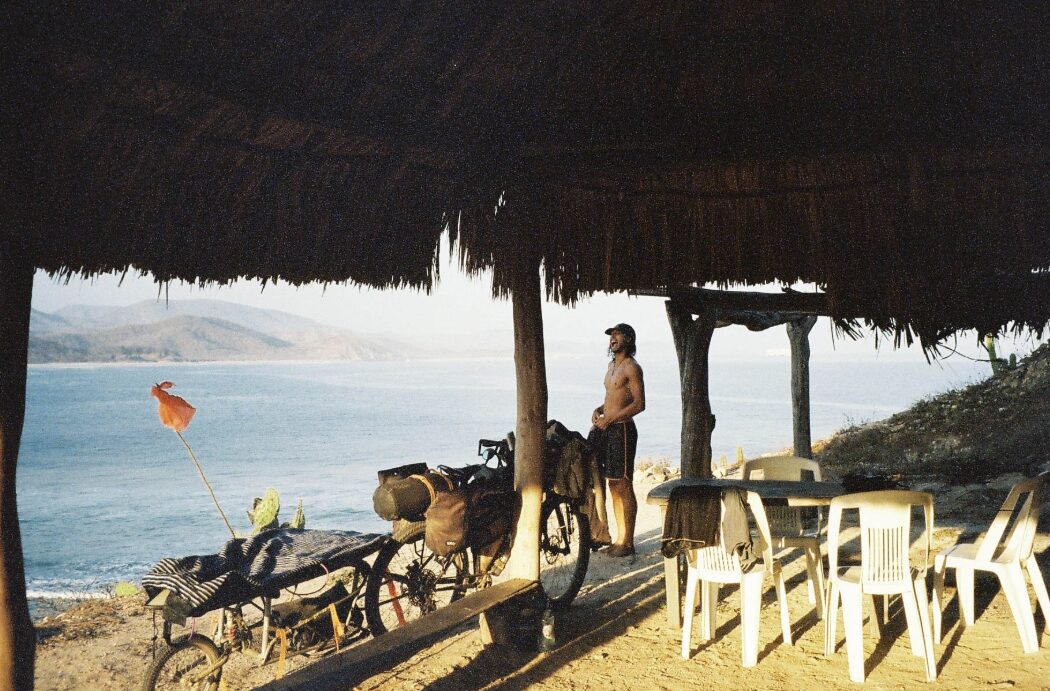
Photo: Rylie Denis/ Tristan La Haye
Bikepacking newbies tackle the Americas
Head First: When Rylie Denis and Tristan La Haye set out on a long-distance bikepacking and surfing route across the Americas, they were both new to bikepacking. La Haye had never cycled more than 50km when he decided to ride from Banff, Canada, to Argentina.
After researching equipment and routes, they set off. Over a year later, they reflect on what they have learned. They found that expensive or highly specialized equipment was not essential, and that rest and flexibility are vital for avoiding burnout.
Combining bikepacking with surfing brought additional challenges, including extra planning around seasons and carrying the added weight of a surfboard. The key takeaway for them was that successful long-distance bikepacking is less about having the perfect setup and more about adapting as you go.
Kalie McCrystal Was In Her Element. Then She Vanished on the Matterhorn: This later story by Outside magazine gives expanded coverage of our initial news report. On September 1, Canadian trail runner and skyrunner Kalie McCrystal disappeared after reaching the summit of the Matterhorn. The 38-year-old was preparing to attempt the fastest known time for a woman on the route.
She began her ascent of the Lion’s Ridge from the Italian side and was seen by guides making steady progress. After summiting, she began her descent and then vanished. She was last seen by Polish climbers at around 15:45. Italian authorities searched the Matterhorn and surrounding Alps for a week before calling off the search on September 8.