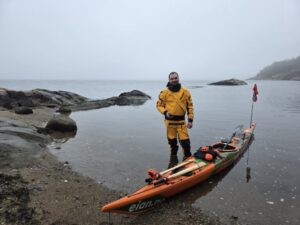
Dominic Gribbin, 61, is more than five months into his attempt to circumnavigate mainland Great Britain by sea kayak. But relentless weather delays and mounting costs have made the journey even more challenging than anticipated.
Gribbin launched his expedition from Crinan Harbour in Argyll, Scotland, on June 2. Paddling clockwise, he has covered 2,584km. From Crinan, he continued up the west coast of Scotland and around Cape Wrath and Duncansby Head before heading south along the eastern and southern coasts. His latest reported landing point is Cliff End, near Hastings, Sussex.
The journey has not gone according to plan. Persistent Atlantic weather systems have cost him weeks of paddling time, while the financial demands of keeping the expedition moving have forced him to return to freelance television camerawork so he and his wife, Nicola, can keep it running.
While he paddles, she follows him in their motor home, offering shore support. He now hopes to complete the circle at Crinan in the spring of 2027. ExplorersWeb caught up with him to find out more about the journey. This interview has been edited for brevity and clarity.
How do you approach the daily distances on a journey like this?
Given that circumnavigating the British mainland is at least 3,700km, I have aimed to do at least 40km per day. My longest day so far has been 64km. However, weather, tides and daylight length, particularly in autumn and winter, often curtail one’s best-laid plans. Some days have been necessarily shorter, forcing me to make an earlier-than-envisaged retreat to shore.
But this is very much a journey, not a race, so we will continue into the spring of 2027. It’s an incredible opportunity to explore every nook and cranny of the GB coastline.
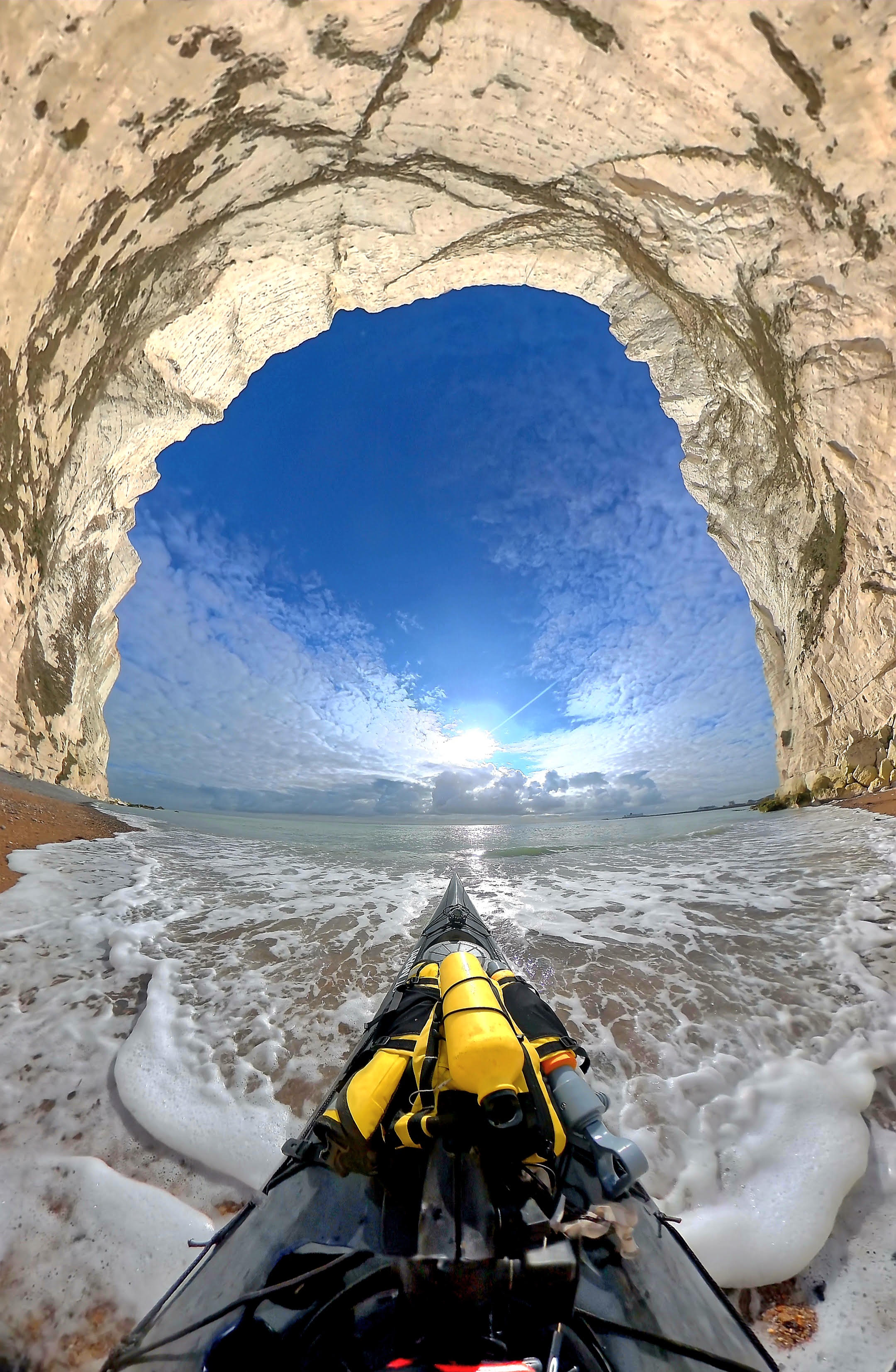
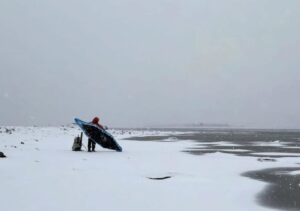
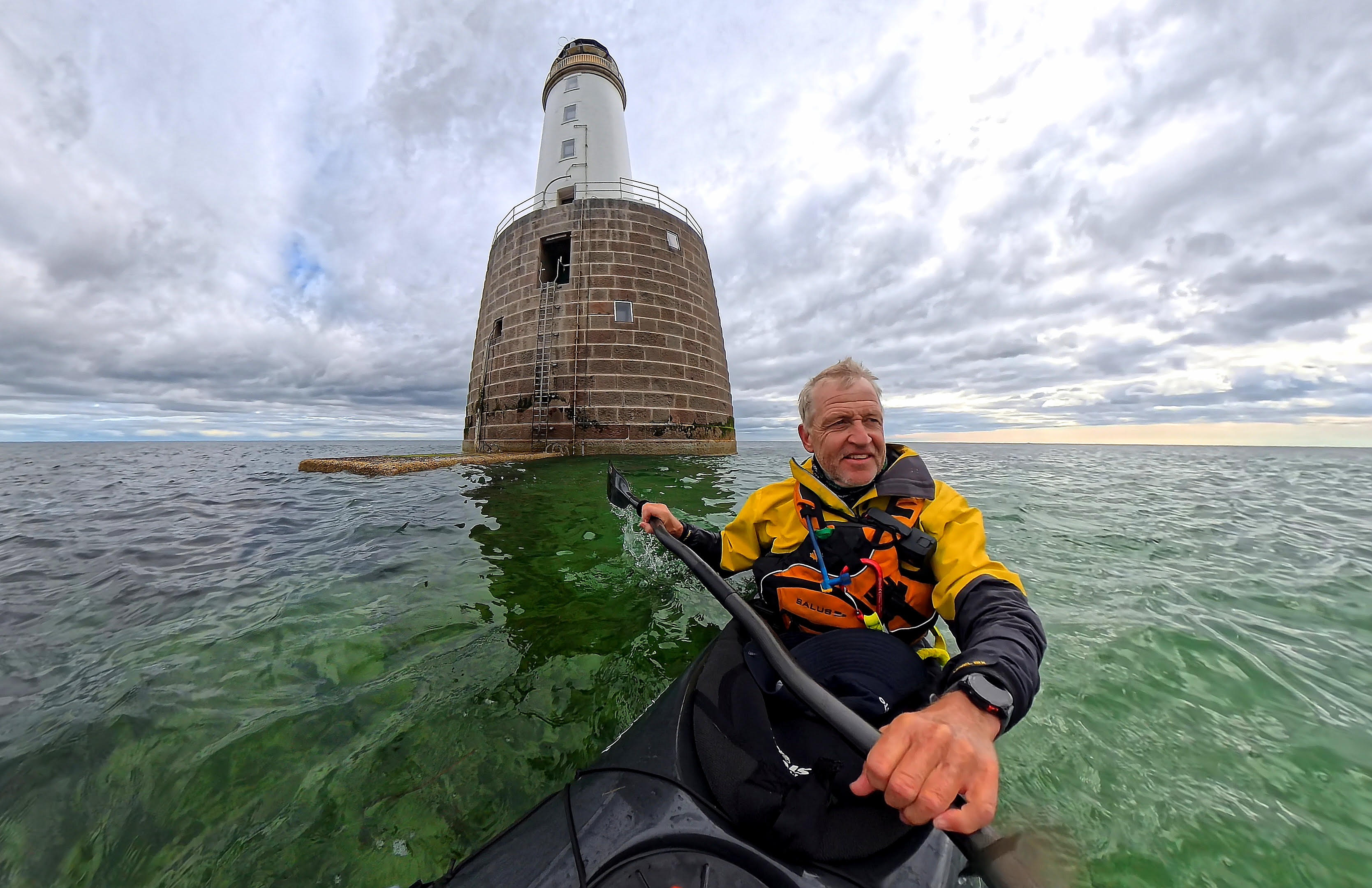
Photo: Dominic Gribbin
How much has the weather affected your progress?
Roughly 85% of delays have been due to poor weather, 5% to Ministry of Defense firing range timetable restrictions, and 10% to the need for very specific tidal windows to navigate particular sections safely and efficiently. I have never had a delay due to fatigue or the need for a break from the sheer physical nature of this endurance challenge. I have used days when I have inevitably been “weathered-off” to recoup my energy reserves.
For most of the trip, it has been extremely rare to have more than four days of consistently good paddling weather. Setting off from Crinan on June 2 meant we did not enjoy the heat wave experienced in southern Britain. Instead, we lost at least six weeks to poor weather. Constant Atlantic westerly and northwesterly fronts brought wind, rain, and high seas that seemed to permanently batter northwest and northern Scotland throughout June, July, and even into early August. It was one of the great untalked-about weather phenomena of summer 2026. It wasn’t all heat waves…at least not in Scotland!
Are you camping or sleeping in the motorhome?
Northwest Scotland and its wild, deeply indented coastline often made road access to the sea impossible. Early on, we accepted that there would be long stretches when Nicola would not see me for over 24 hours. She was often doing double the mileage I was doing and negotiating some very hairy driving conditions on roads way off the beaten track. That resulted in many planned and unplanned wild camps along the coast.
By the time we reached the north coast of Scotland, road access had improved dramatically, and Nicola and I were generally able to coordinate to meet at the end of each day. This has proved an invaluable motivator, especially when the going gets tough. Our little motorhome has been a blessed retreat each night since then: a warm, reassuring space to relax, gather one’s thoughts, and plan ahead.

The route so far. The blue line indicates the paddling route, the red line shows the route taken by the support vehicle. Image: Dominic Gribbin
What kayak are you paddling, and how much equipment do you carry?
I am paddling around Britain in a Rockpool Taran 16 sea kayak. It is a fast, beautifully handmade sea kayak, perfect for putting down the miles and handling heavy seas. The trade-off is stability, but it has a prodigious load capacity in its various watertight bulkheads.
I carry a kayak trolley permanently on the back deck. I have already worn out two and am constantly experimenting with new designs to better negotiate the challenges of gravel and sand beaches. As a minimum, I carry basic wild-camping equipment in case I need to spend an unexpected night ashore.
Food consists of pre-cooked rice bags, canned fish and vegetables, alongside plenty of snacks. I favor savory rather than sweet food. Coffee is my essential luxury, and I normally carry a can or two of beer!
Safety equipment is extensive. I carry a Garmin 86i Marine GPS with InReach satellite tracking, an ICOM marine handheld VHF radio with AIS and GPS, a spare VHF radio, flares and smoke signals, and a McMurdo personal locator beacon. I also carry a fully integrated Garmin Fenix 7 Pro watch, first-aid kit, spare paddles, compass, mobile phone, battery packs, head lamp, repair tape, and a Swiss Army penknife.
The kayak itself weighs 24.9kg, but the overall weight, including my dry suit, buoyancy aid, clothing, and equipment, easily reaches 35kg or more. It is a significant challenge to negotiate all this weight over an often-unfriendly shoreline. However, the kayak benefits from the additional weight when afloat.
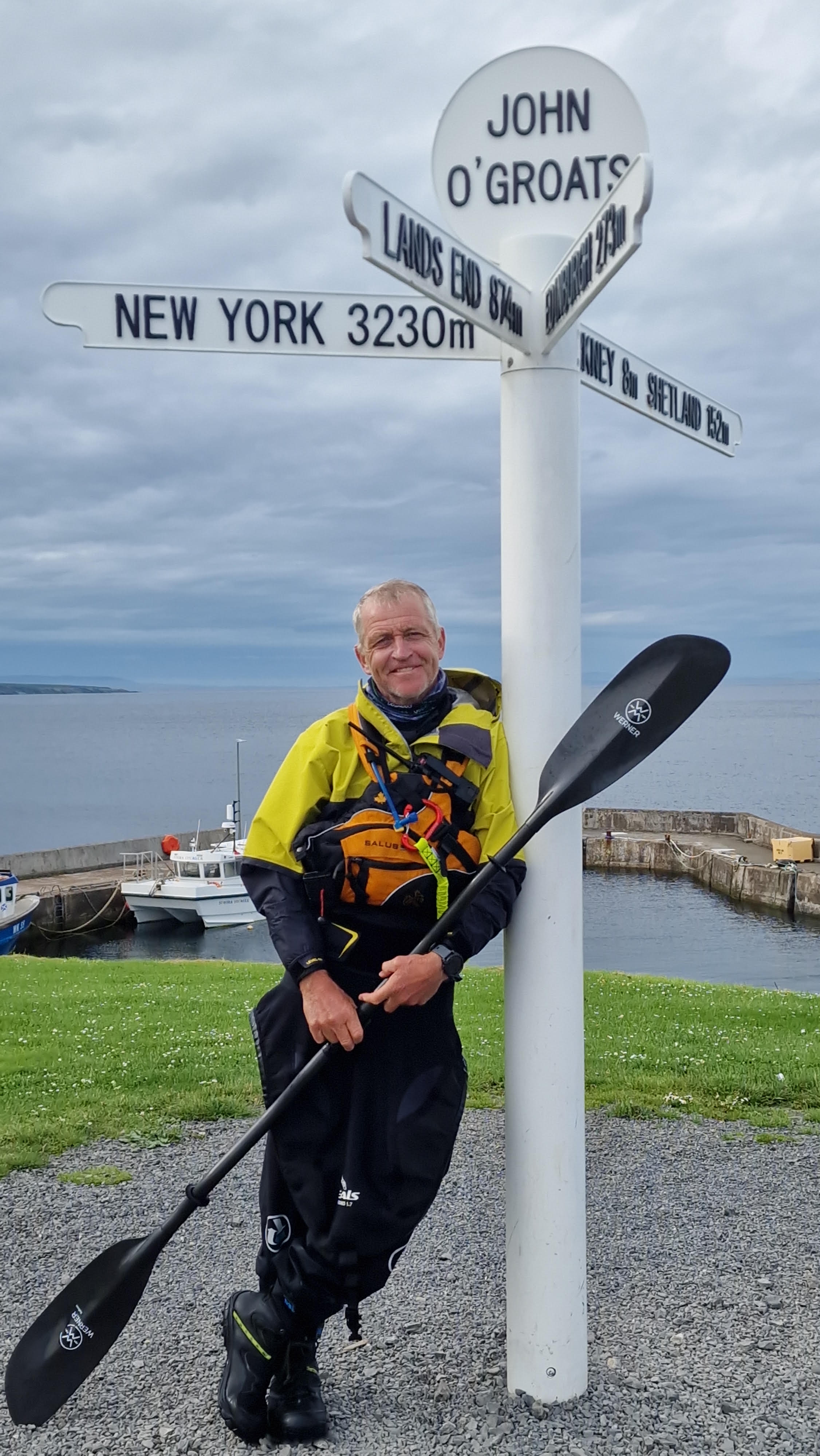
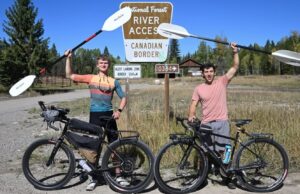
Photo: Dominic Gribbin
What have been the most memorable moments along the way?
We have had numerous encounters with sea otters, hunting pods of bottlenose dolphins, and close-up encounters with bottlenose mothers and calves. There have also been golden eagles and white-tailed sea eagles, the largest raptor in the UK. Some of the most sublime moments have been the inshore sea passages through the sheltered waters of the Inner Hebrides.
Successfully rounding Cape Wrath was a truly intimidating but awe-inspiring milestone. Then there was rounding the infamous Duncansby Head and crossing the Pentland Firth near John O’Groats, finally seeing the compass turn south. The huge breeding seabird colonies off Caithness and much of Scotland’s northeast coast have been incredible. Literally tens of thousands of birds, a deafening cacophony of noise!
Right along the GB coastline, we have also met some of the warmest and most generous people.
Have there been any particularly frightening moments?
The huge seas off Strathy Point, Caithness, are probably the closest call yet. If something had gone wrong there while two kilometers offshore in those seas, I wouldn’t be writing this.
I have experienced plenty of rough and scary seas so far, but that occasion was another order of magnitude. They were enormous seas driven by Arctic swell and spring tides. They were the biggest seas I have ever paddled in. I am not in a rush to return there, despite its beauty.
You have mentioned that you are now combining freelance work with the expedition. How are you managing the financial and logistical side?
We were able to make this happen because I am self-employed. We bankrolled the expedition using our savings. The motorhome for shore support was the biggest investment. We initially calculated finances based on finishing by mid-autumn, but those weather delays cost us dearly. We ran out of money by mid-September, so I have had to return to my freelance work as a TV cameraman and juggle that with keeping this Edge of Britain expedition going until we are finished.
There is no stopping this winter. Instead, we will take advantage of every weather window.
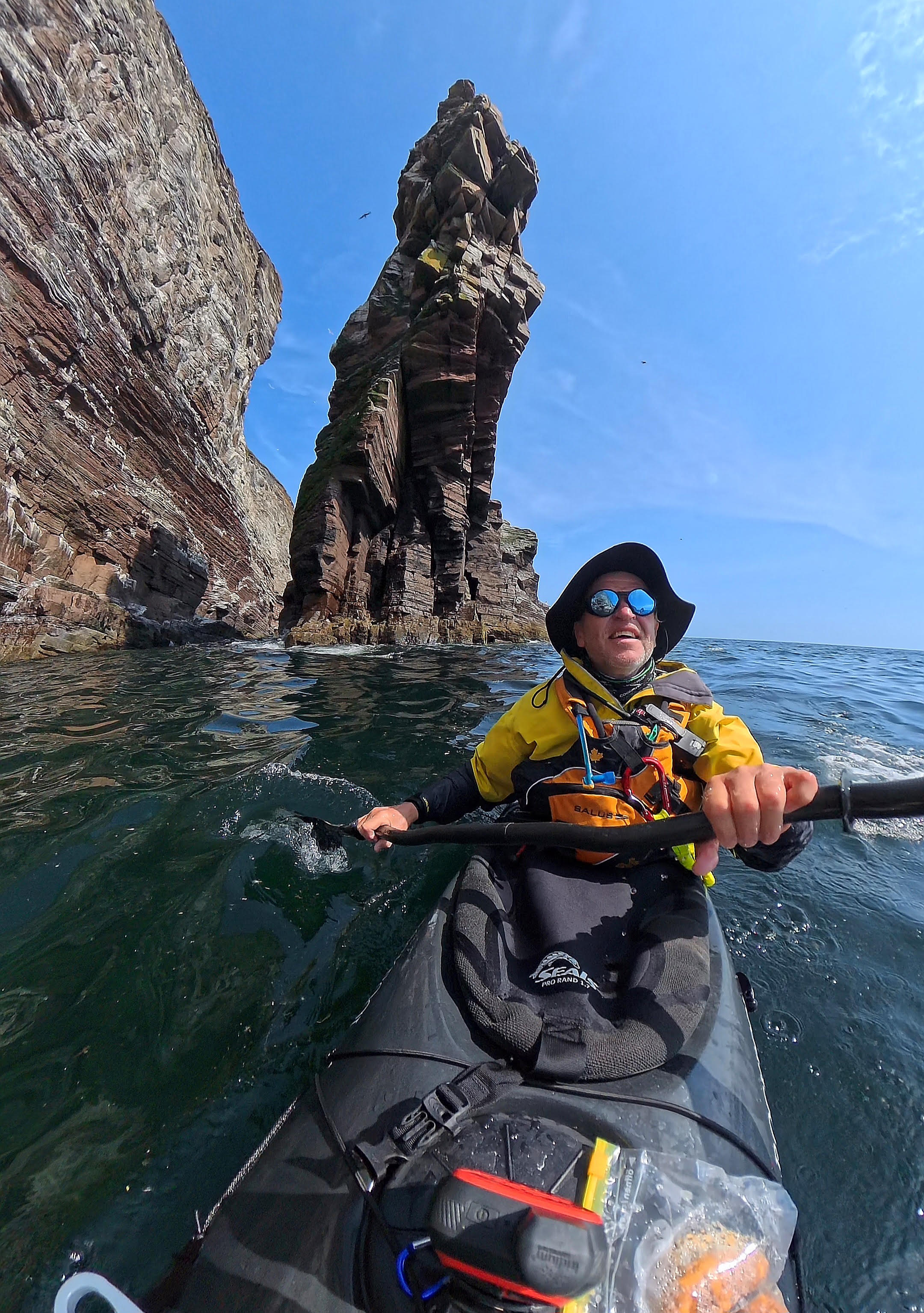
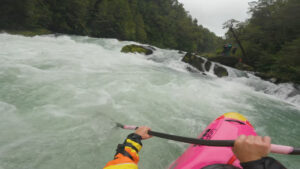
Photo: Dominic Gribbin
How did you first get into the sport?
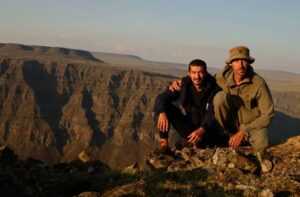
I began paddling at age 11 when I permanently borrowed a friend’s old kayak and started exploring the ankle-deep waters of the River Ver and River Colne around St. Albans and Park Street, Hertfordshire. At 13, I started British Canoe Union training. This began my lifelong involvement with whitewater paddling on rivers around the world.
Back in the 1970s and 1980s, when I began, skills progression was funneled entirely through very actively encouraged participation in canoe slalom. Everybody who learned to paddle at club level was involved in slalom to some degree. I chose men’s C1 (Canadian singles) and competed at a national level, ranking 19th in Great Britain by the age of 18.
University changed my orientation somewhat, and the allure of traveling to exotic whitewater rivers around the world took over. Expedition whitewater paddling then became my life, and still is, alongside expedition sea kayaking. Combining this with filmmaking ultimately led directly to my career as a television cameraman.
Why did you decide to take on a circumnavigation of Britain?
The decision to attempt to paddle around the GB mainland is the culmination of a life spent kayaking. It is hard not to fall in love with the sheer beauty and allure of the world of the river and coastline, particularly here at home in the UK. This country has what is widely celebrated as some of the best sea kayaking in the world. To dream of exploring the whole GB coastline in as much detail as time and weather allow is, to me, a logical conclusion.
The actual decision came extremely late in the day, namely January 2026. This began a frantic period of organization ahead of our June 2 launch. Admittedly, April would have been better, but prior commitments meant we had to begin in June.
I chose a clockwise route around Britain, thinking (naively) that the prevailing winds would vaguely be behind us for at least half the journey. I also wanted to tackle the potentially most technically demanding section of the northwest and north coast of Scotland early, in the height of what I envisaged as long summer days. How wrong I was!
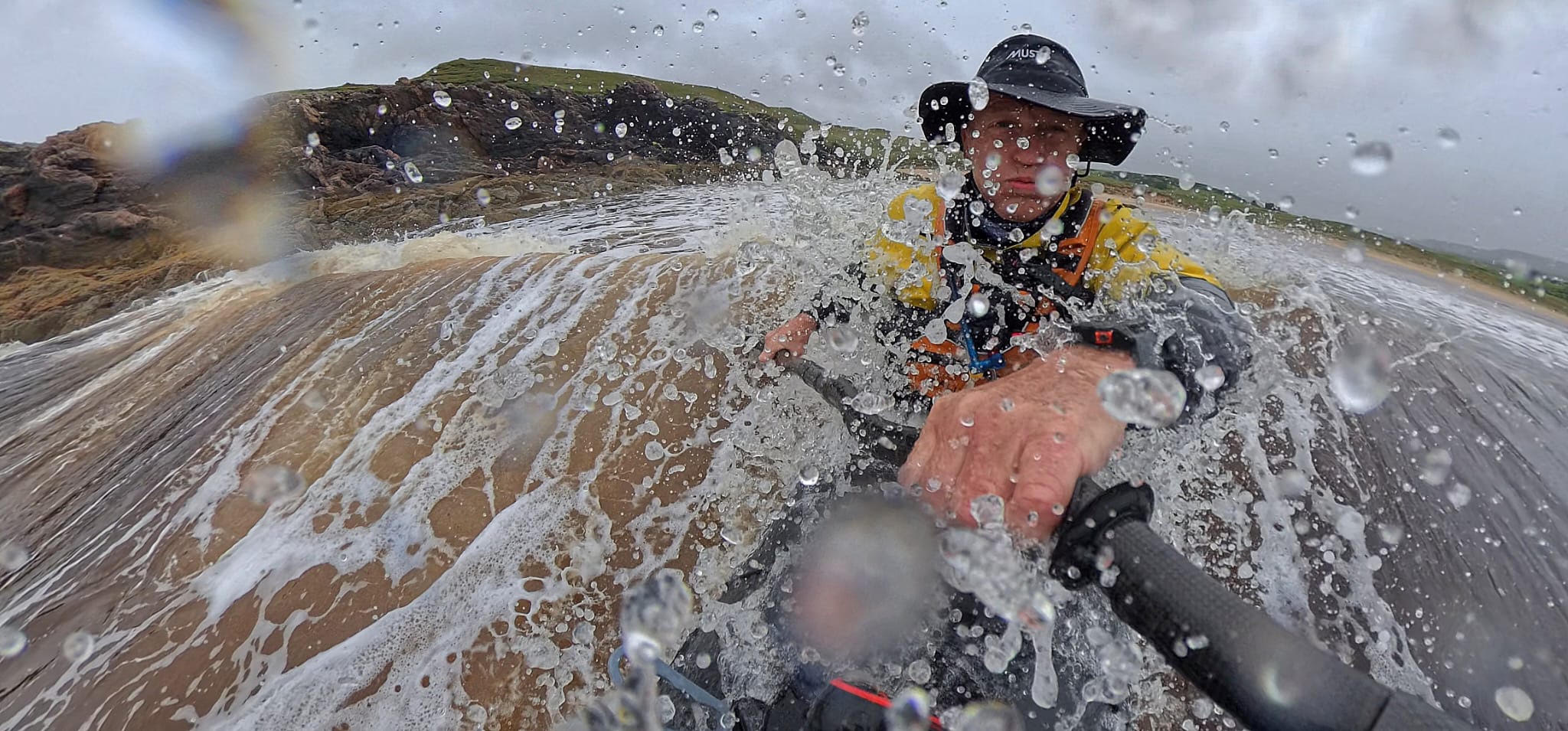
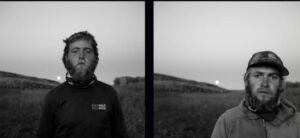
Photo: Dominic Gribbin
You can follow the expedition here.