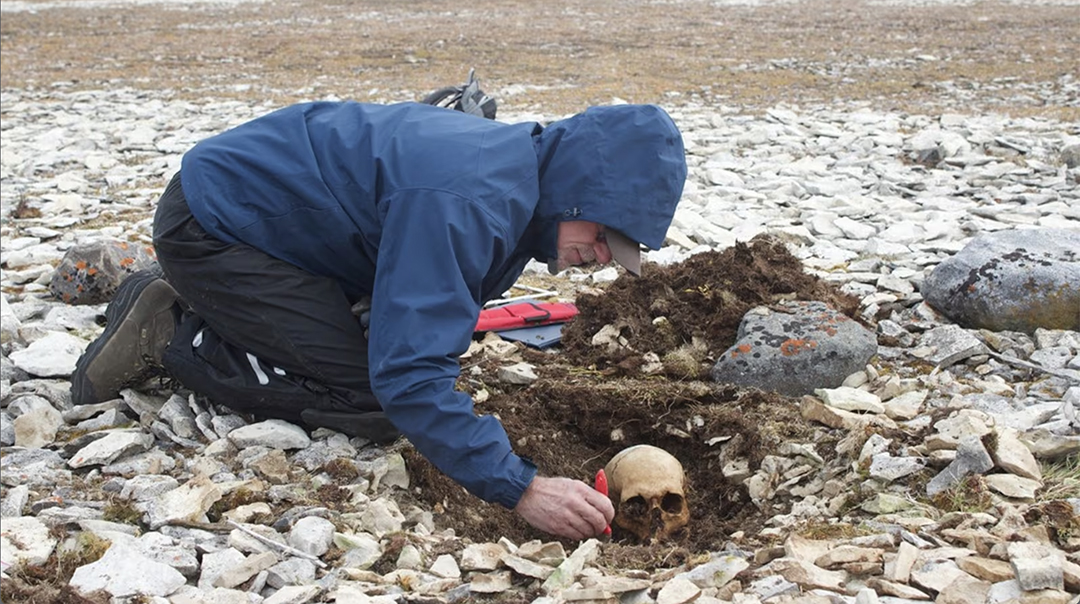
Researchers have identified four more members of Sir John Franklin’s doomed 1845 expedition to find the Northwest Passage.
The two ships, the Erebus and the Terror, struck north in pursuit of one of the great goals of 19th-century exploration. They overwintered in 1845-6 on Beechey Island, near the current hamlet of Resolute Bay. During that time, three men died and were buried on Beechey’s barren gravel beach.
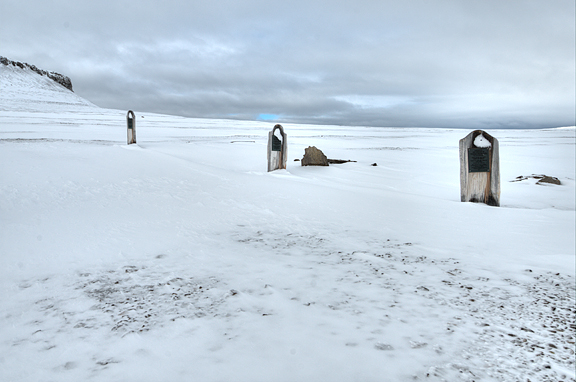
The graves of the first three casualties of the Franklin expedition on Beechey Island. Photo: Jerry Kobalenko
In late summer, they set out further west, into the elusive Northwest Passage. With a little luck or a better ice year, they would have made it through. Instead, they were beset off the northwest tip of King William Island. There, they remained stuck in the ice for almost two years.
By April 1848, 24 of the 129 men had already died, including Sir John Franklin. The 105 survivors then abandoned the ships and tried to walk to salvation. They failed, and ultimately, all perished. Over the years, the skeletons of some of them have turned up on King William Island and on the Adelaide Peninsula on the Canadian mainland to the south.
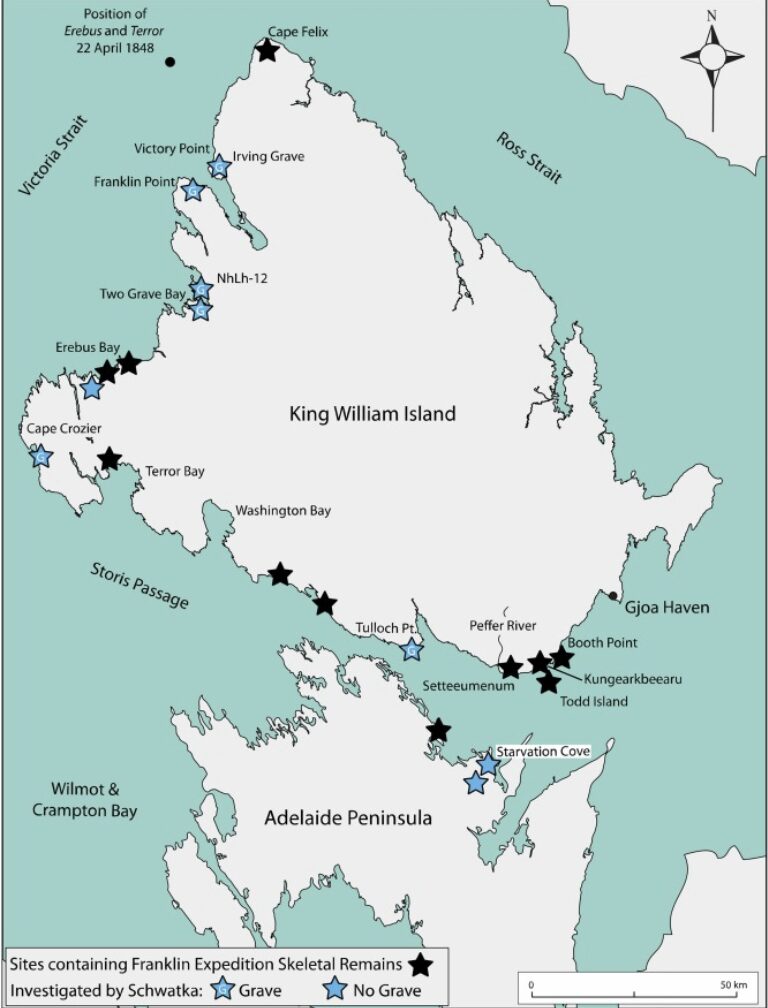
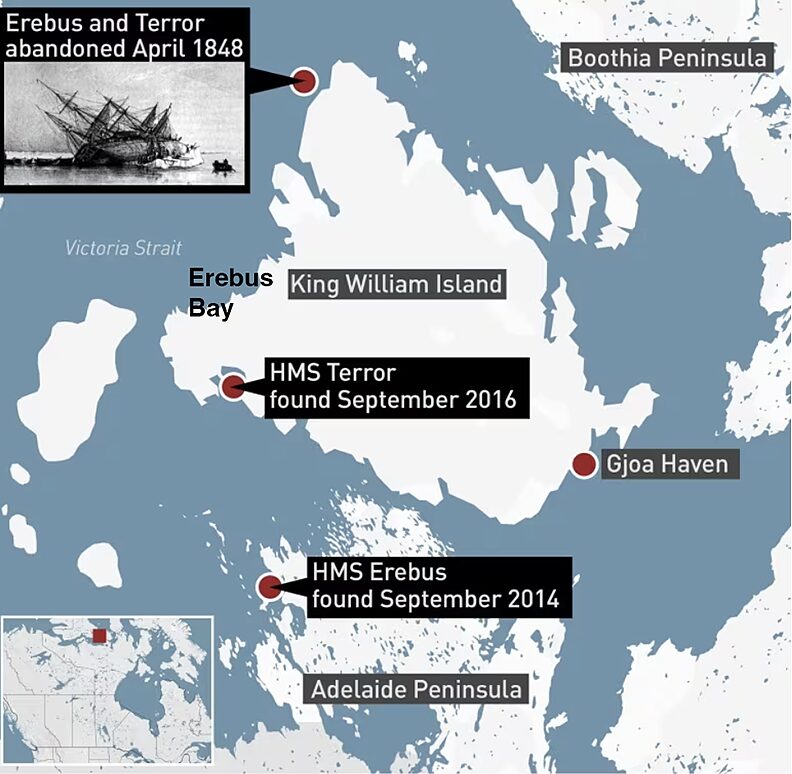
Map: Parks Canada
DNA revelations
In the last few years, DNA testing identified two of them, including James Fitzjames, the captain of the Erebus. Now, a further four have been identified, including three from the Erebus and one from the Terror.
The Erebus victims all died in Erebus Bay, on western King William Island. They were William Orren, an able seaman; David Young, ranked Boy 1st Class, meaning that he was between 16 and 18 years old and already had experience on Royal Navy ships; and John Bridgens, a subordinate officers’ steward.
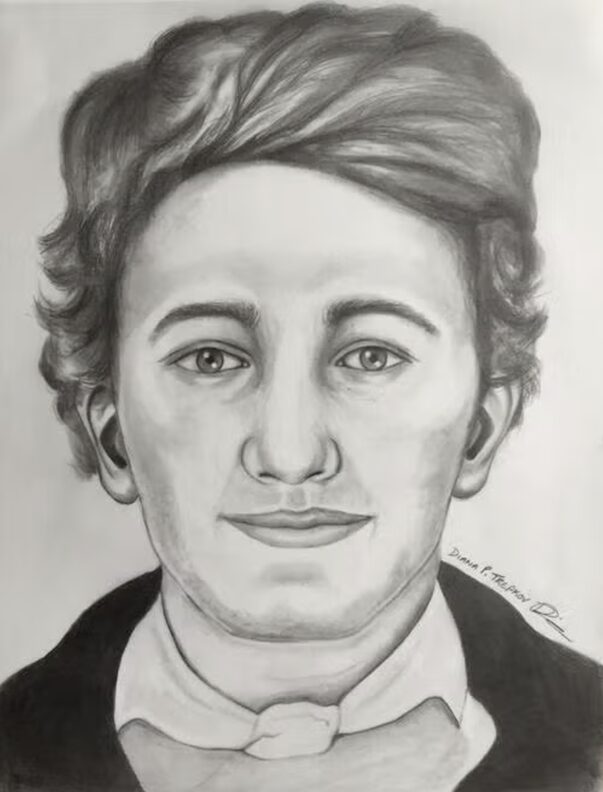
A forensic reconstruction of what David Young, the teenager who died in Erebus Bay, looked like. Illustration: Diana Trepkov/University of Waterloo
Seaman from the ‘Terror’ found 130km south
The sole seaman from the Terror was found 130km away and was identified as 21-year-old Harry Peglar, who was responsible for the rigging and sails on the ship.
None of the newly identified remains showed evidence of cannibalism. Of the six men identified in total, only the bones of James Fitzjames showed the distinctive cut marks that suggest his flesh was cut from his body after his death and eaten by the increasingly desperate men.
The cooperation of the direct descendants of the Franklin expedition members has been vital in identifying the remains. Their DNA, matched with that from the skeletons, is slowly revealing more about the individual fates of the men from both ships.
Today, there is a small Inuit community on the southeast side of King William Island called Gjoa Haven. But in Franklin’s day, the island was uninhabited, and many hundreds of kilometers separated them from help.
While the men died attempting to trek to safety, the ships eventually broke free from their icy prison and drifted south before eventually sinking. They were only found in separate searches, 10 and 12 years ago. The Terror was, coincidentally, in 24m of water in Terror Bay, which had been named long before the rediscovery of the ship. The Erebus drifted farther south, to the shallows of Wilmot and Crampton Bay, where it lies 11m down. Because of its shallow location, it is much more weathered than the largely intact Terror.
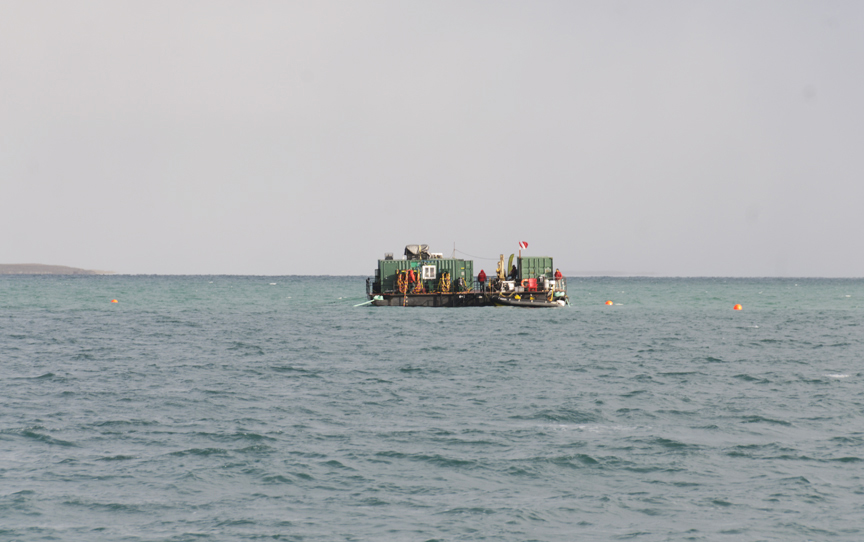
A Parks Canada barge anchored over the ‘Erebus’, allowing divers to retrieve artifacts from the badly weathered ship. Photo: Jerry Kobalenko
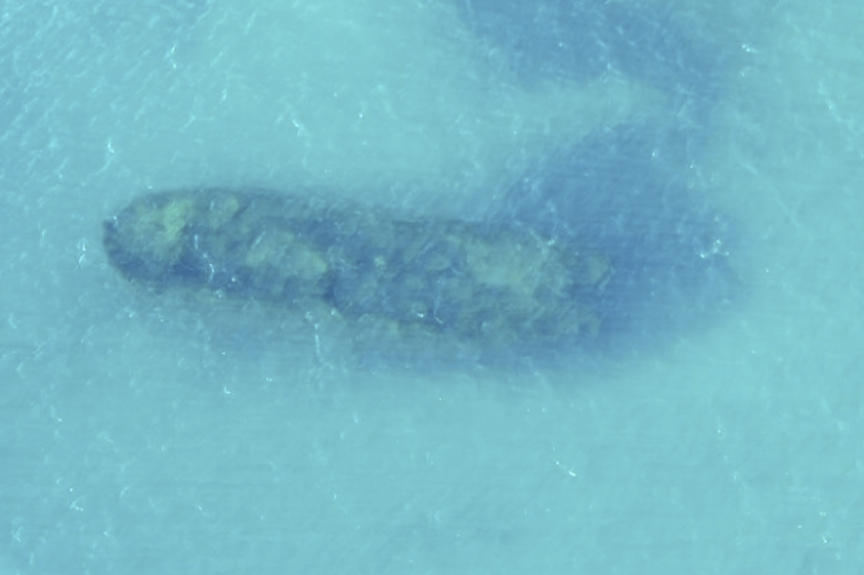
On rare calm days, the sunken wreck of the ‘Erebus’ is visible from above. Photo: Parks Canada