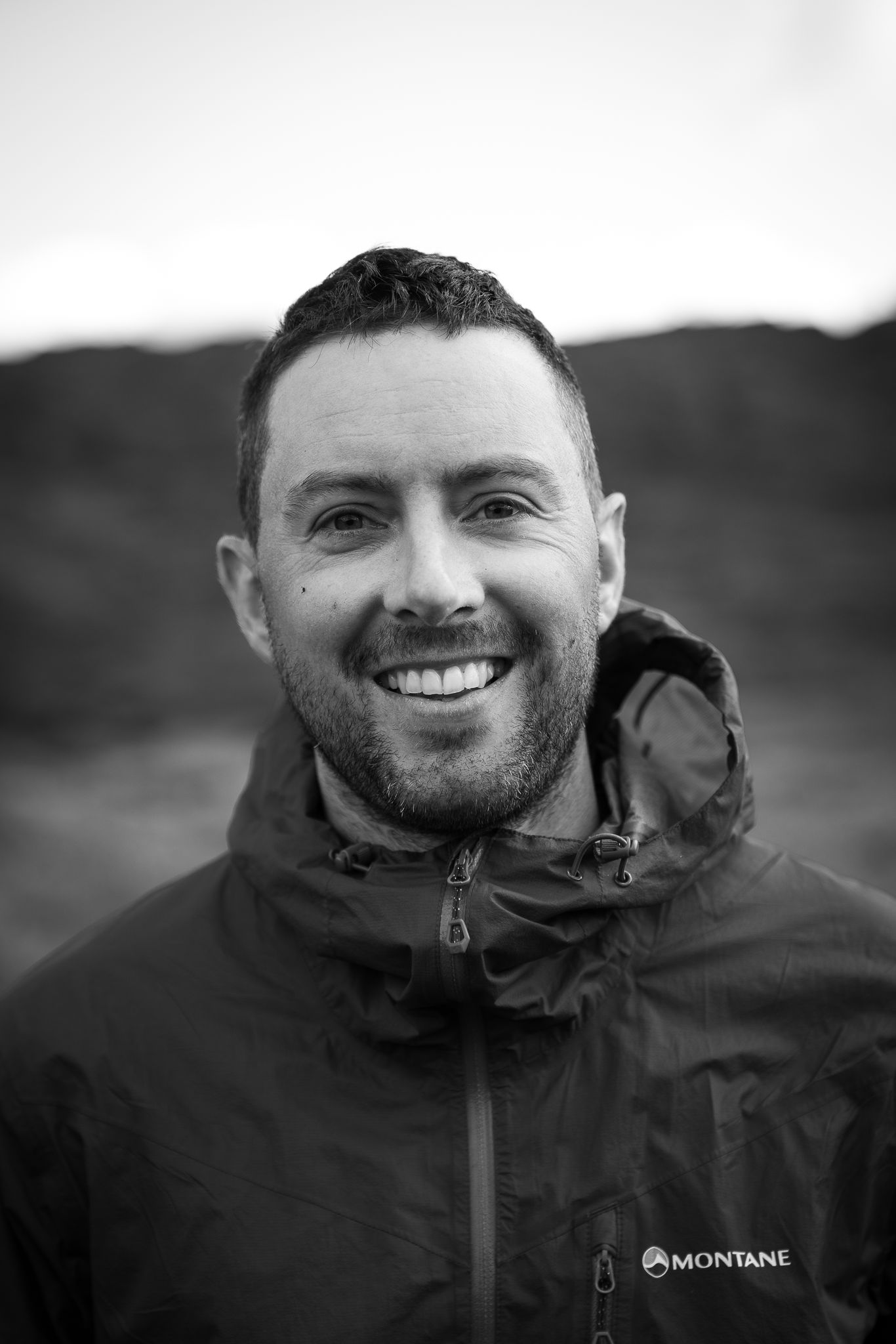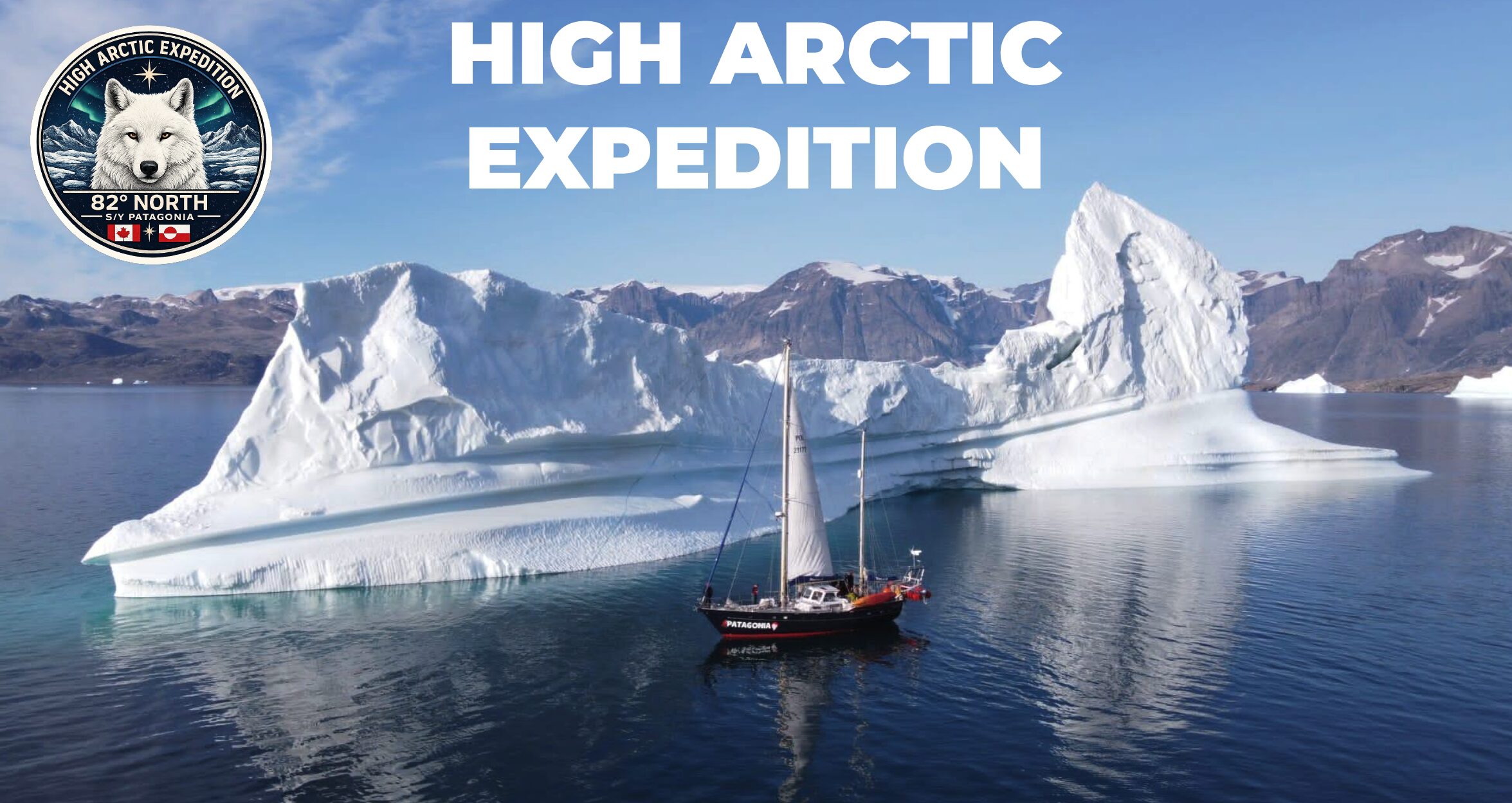
Later this month, Ireland’s Stafford Tyrrell will lead a nine-person international team on an ambitious sailing and climbing expedition to Ellesmere Island in Canada’s High Arctic. Departing from Iceland, the team plans to reach Ellesmere via Greenland’s West Coast.
Joining Tyrell are fellow Irishmen Jordan Manning, Mark McInerney, and Matt Scott, along with Einer Flaa of Norway, Fabrice Yencko of France, Joop Van Deelen of the Netherlands, Simone Uva of Italy, and Tarran Savage of Australia. Collectively, the team brings a diverse mix of expertise, including sailing, medicine, sledding, mountaineering, videography, and engineering.
The sailing leg
The team will gather in Reykjavik, Iceland, before sailing toward Greenland’s southern tip. From there, they will trace the rugged West Coast of the world’s largest island, making a series of planned stops along the way. They will also pause in Upernavik to take on additional crew and spend time with local contacts before continuing north past the ice cliffs of Melville Bay to Qaanaaq, in the far northwest of the island.
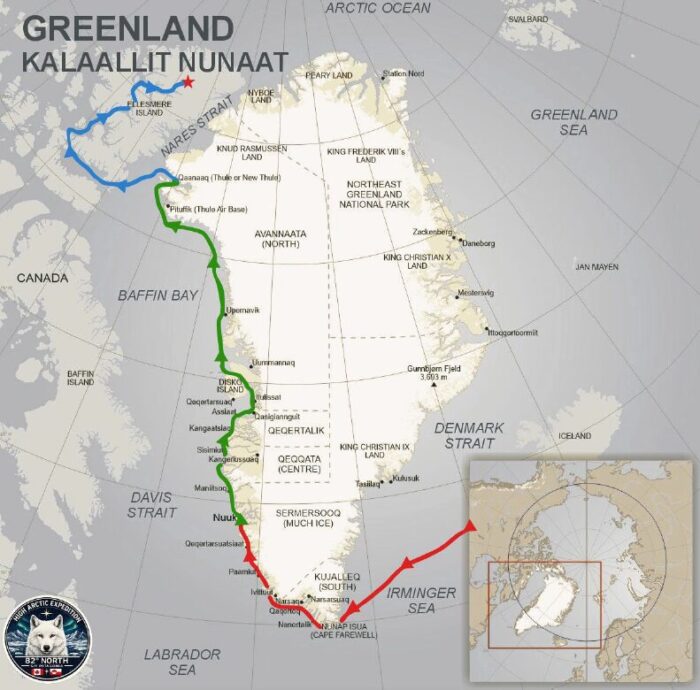
The overall route. Map: Stafford Tyrrell
“From Qaanaaq, we’ll continue on to Grise Fiord [on Ellesmere], which is pretty much the last outpost of civilization,” said Tyrrell. From there, they plan to sail up remote Tanquary Fiord on northern Ellesmere, deep within Quttinirpaaq National Park. If they manage to make it through the ice, they will be the first private sailboat to anchor at Tanquary Fiord.
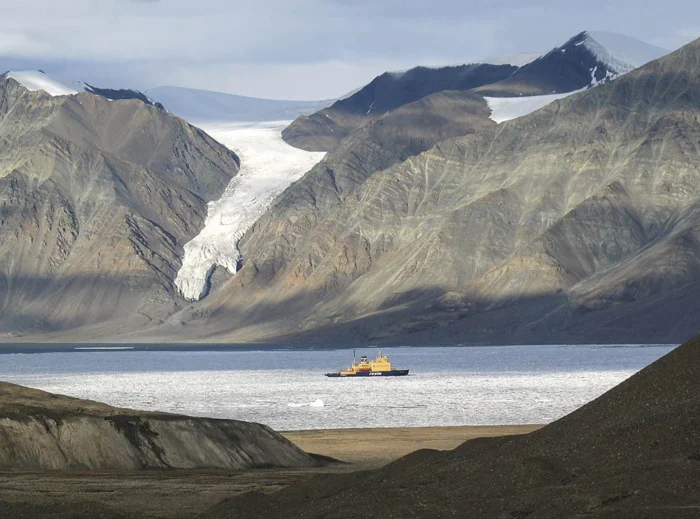
An icebreaker is a more typical vessel in Tanquary Fiord than a sailboat. Photo: davidmceown.com
“The Parks Canada team will have left Tanquary Fiord by then, so we’ll be alone in the national park. But from Grise Fiord onward, we’ll skirt the coast, snaking our way through the ice past Eureka and up finally into the fiord. There could be a chance that it’s still locked with ice, but we’ll just have to play the waiting game if that’s the case,” explained Tyrrell.
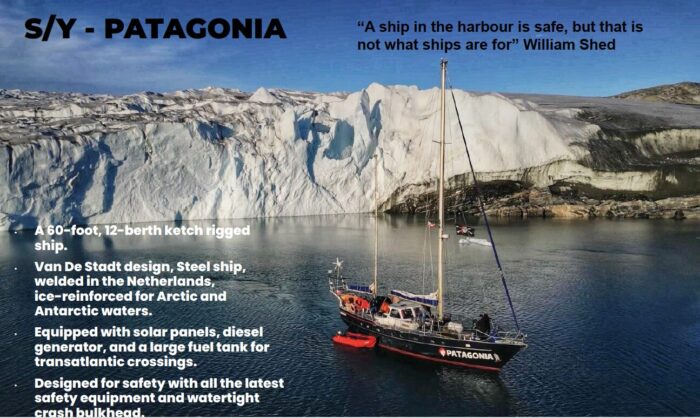
The team’s polar-rated sailboat. Photo: Stafford Tyrrell
The ski and climbing leg
From Tanquary Fiord, Tyrrell, Manning, and McInerney plan to hike and ski 100km with sleds to climb 2,616m Barbeau Peak, the highest mountain in the Canadian Arctic. Because of its remoteness, Barbeau is very rarely climbed.
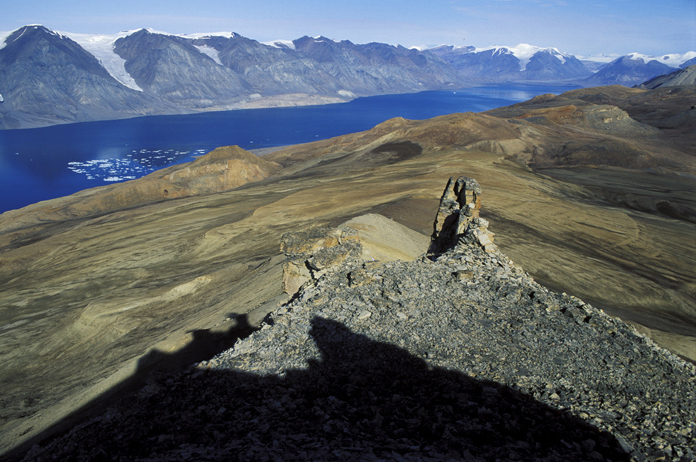
Tanquary Fiord, Quttinirpaaq National Park, Nunavut. Photo: Jerry Kobalenko
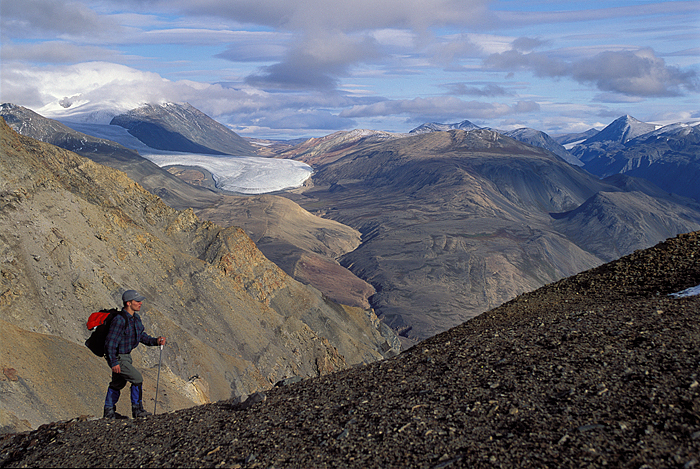
The skiers will need to hike up some bare mountains near Tanquary Fiord to access a glacier leading to the ice cap. Photo: Jerry Kobalenko
Tyrrell and co. also plan to summit several unclimbed peaks southwest of Barbeau. “It’s a bit of an art to find out if [something has] been unclimbed or not,” Tyrrell continued. “It takes some research from the American Alpine Club and the Canadian Alpine Club. But in reality, even those might not be accurate. It seems the only sure-fire way is to get to the summit yourself and see if there is a cairn on top or not.
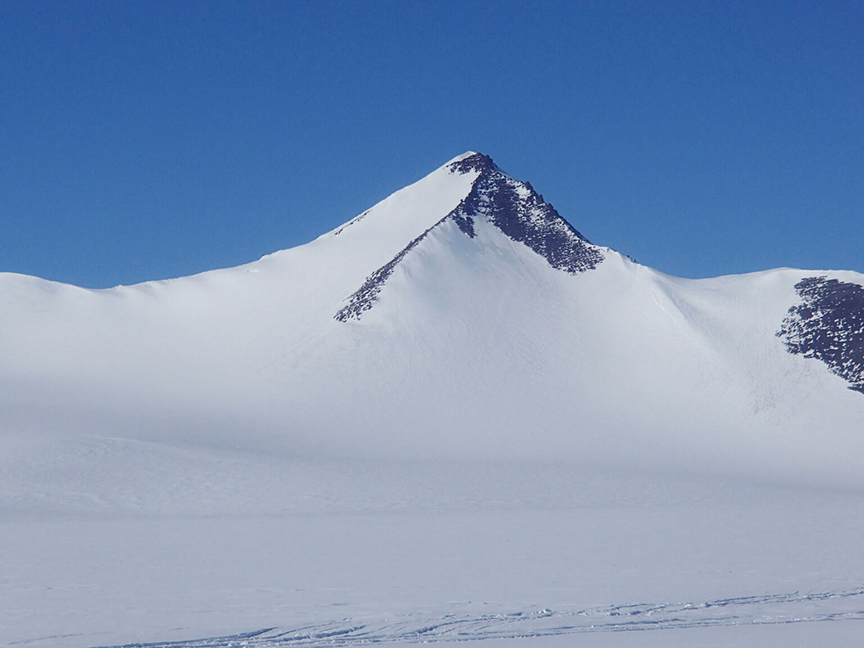
Barbeau Peak from the south. Photo: Eric Gilbertson
Those peaks, including Barbeau, are all nunataks — small bumps of 500 to 800m that clear the high ice cap around them. Most are not technical, at least not on all sides. The team has allocated three weeks for the ski and climbing leg.
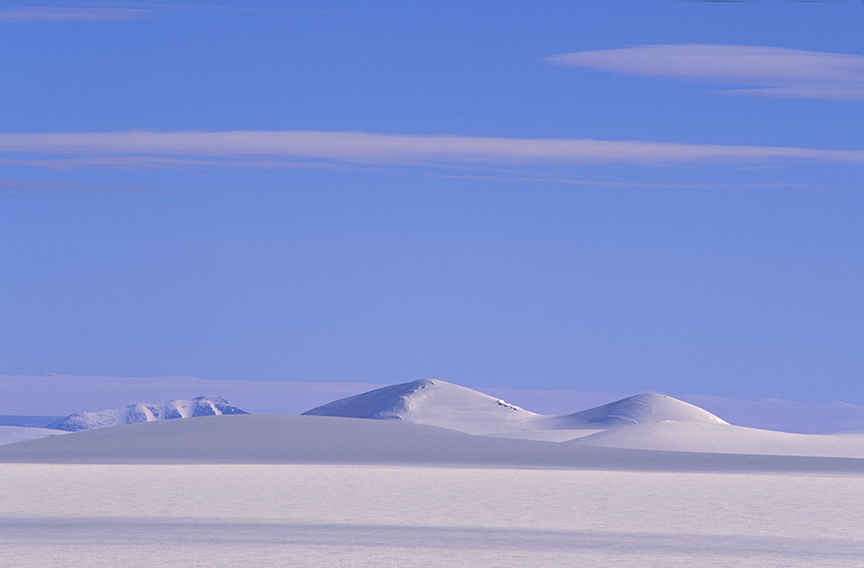
The ice cap near Barbeau Peak features many unclimbed nunataks. Photo: Jerry Kobalenko
Last year, Tyrrell sailed to Greenland from Bergen, Norway, aboard his sailboat and then completed an independent crossing of the Greenland Ice Sheet with two companions. Earlier this year,
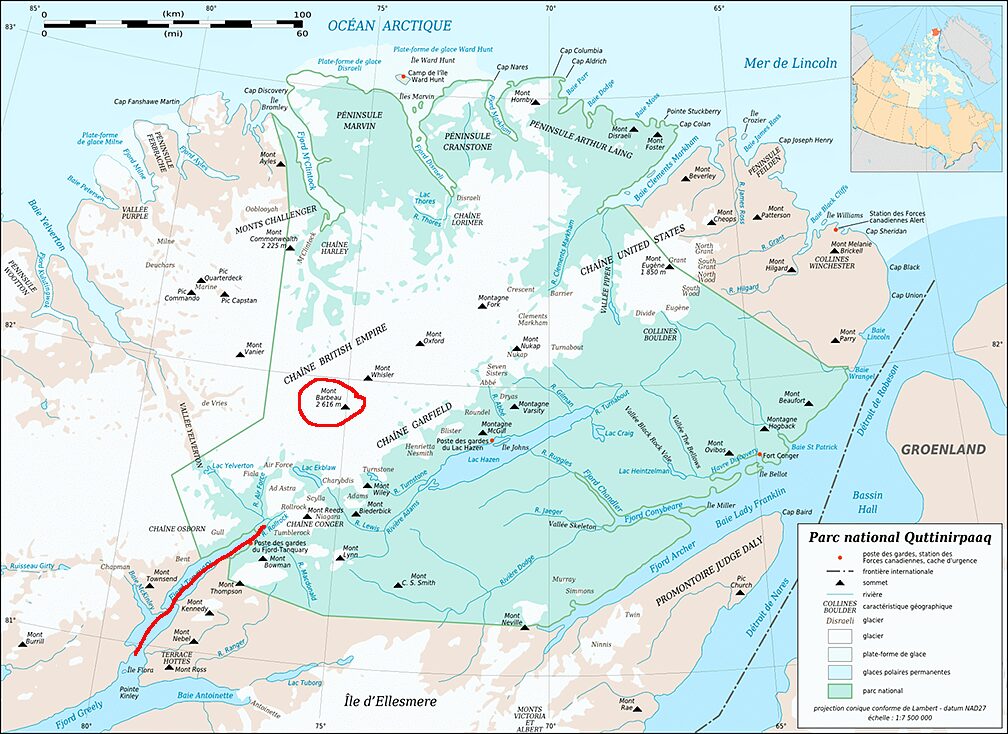
A map of Quttinirpaaq, showing Tanquary Fiord and Barbeau Peak. Image: Wikipedia
Tyrrell and McInerney attempted a winter circumnavigation of Lake Baikal, but were thwarted by mixed ice conditions.
The return journey
The skiers will rendezvous back with the sailing crew in Tanquary Fiord, and everyone will then double back toward Greenland, taking in the east coast of Baffin Island along the way.
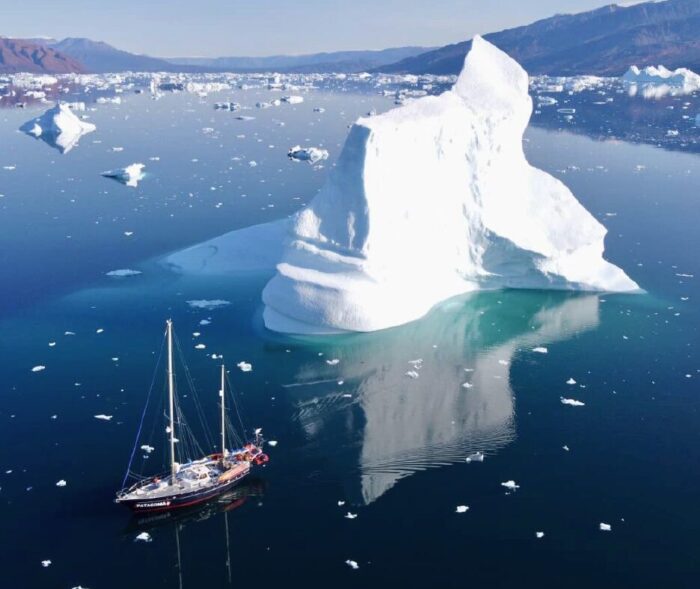
Tyrrell’s boat in icy waters. Photo: Stafford Tyyrell
They will finally return to Reykjavik, completing over 10,000km of sailing and climbing in an estimated 75 days.