When we’re not outdoors, we get our adventure fix by exploring social media and the web. Here are some of the best adventure links we’ve discovered this week.
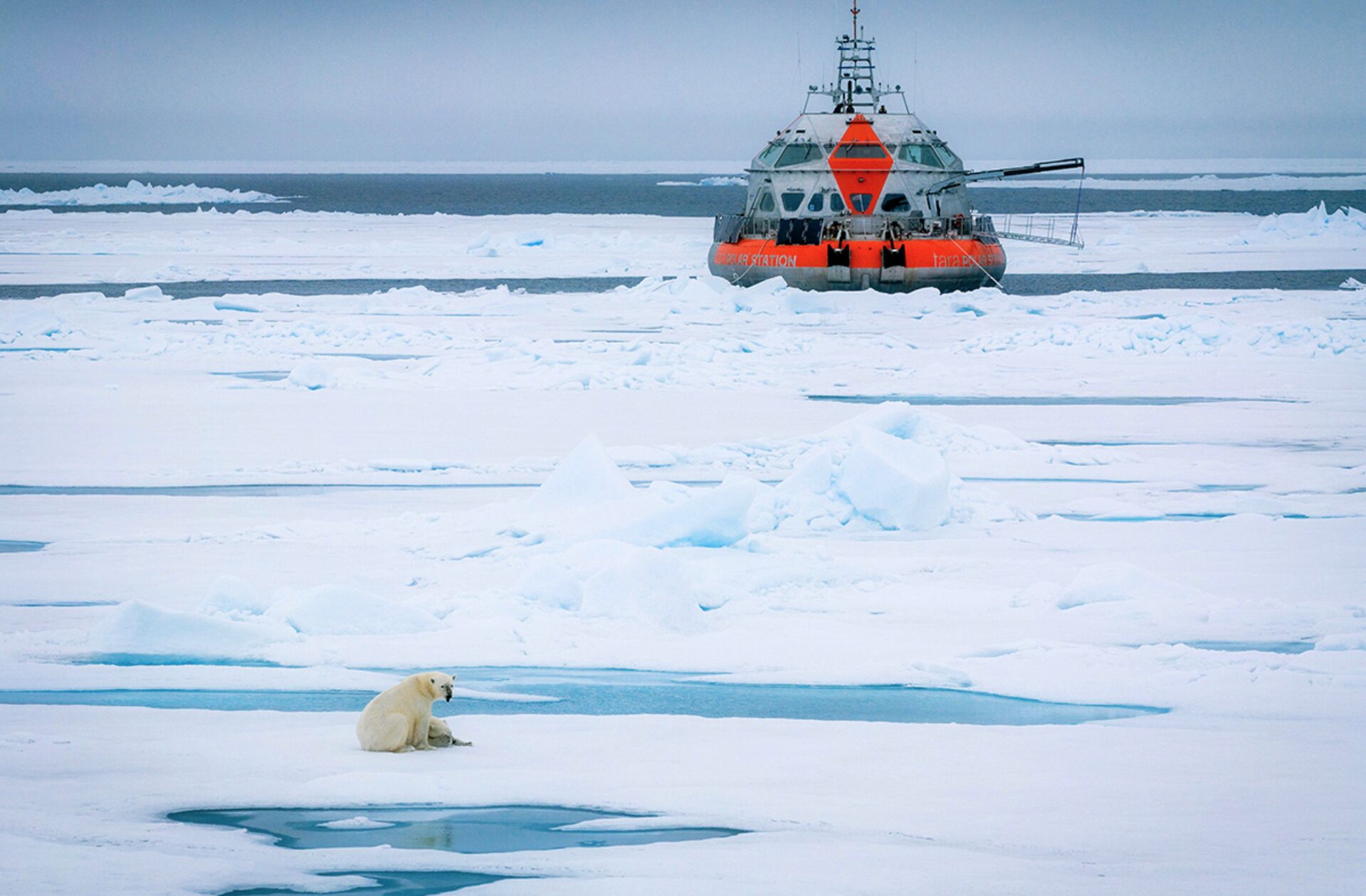
A Dozen People Will Spend 8 Months Trapped in Arctic Ice: Next month, 12 scientists and crew members will deliberately freeze themselves into the Arctic sea ice in a custom-built research vessel. They will spend the next eight months drifting.
The Tara Polaris I expedition’s goal is to answer biological questions about life in the central Arctic Ocean, from whether fish reproduce beneath the ice to how ecosystems are changing as the region warms.
The floating research facility will be the most remote in the world, and though they will be in constant contact with land teams, help will be at least one week away.
Swim parallel or not?
Everything You Know About Surviving Rip Currents is Wrong: For decades, beach safety advice has been simple: if you’re caught in a rip current, swim parallel to shore. But research by Jaime MacMahan suggests that guidance isn’t always the safest option.
Drawing on years of field experiments, MacMahan argues that many rip currents naturally circulate back toward the beach, meaning staying calm and floating might be a better strategy. His findings have sparked fierce debate.
The U.S. Lifesaving Association has refused to abandon its long-standing “swim parallel” guidance, arguing that telling panicked swimmers to simply float is too dangerous. In contrast, Surf Life Saving Australia has adopted a more flexible approach. It advises weaker swimmers to float, save energy, and signal for help, while stronger swimmers could try to swim parallel.
Jimmy Chin in his 50s
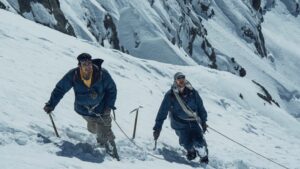
Catching Up With Jimmy Chin: Jimmy Chin is preparing to release Everest North, a new film documenting Jim Morrison’s historic ski descent of Everest’s North Side. For him, the project carried emotional stakes on par with Free Solo, his Oscar-winning film about Alex Honnold’s ropeless climb of El Capitan.
In this interview, Chin discusses the training for climbing and filming on Everest, balancing mountain projects with parenthood, why time in the mountains feels more precious in his 50s, and how climbing filmmaking has changed since Meru.
Arctic Ale: Cracking Open A Cold One: What does a 150-year-old bottle of beer taste like? According to Dougal Gunn Sharp and Jaime Allsopp, it is viscous and sweet, with notes of dark chocolate and aged sherry.
The Scottish brewers found that out after uncorking a bottle of Allsopp’s Arctic Ale. It was originally brewed in 1875 for British expeditions to the Canadian Arctic. It was designed to resist freezing and give sailors extra calories. Now the pair are trying to recreate the historic recipe for a new generation.
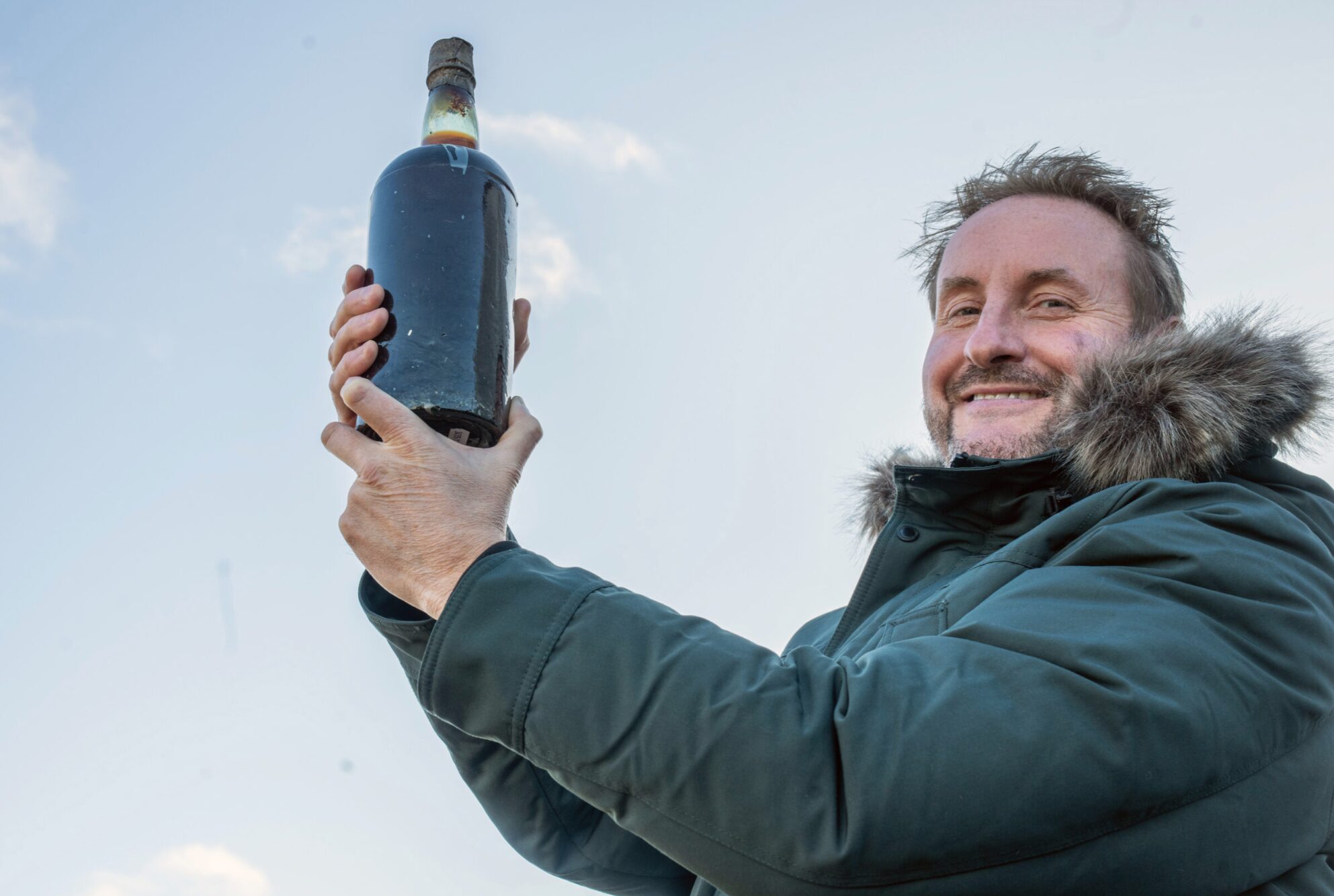
Dougal Gunn Sharp holds the 150-year-old Arctic Ale. Photo: Elaine Livingstone
Hint: It avoids crushing your…
This is the Real Reason T-Shirts Have Pockets: The humble pocket on your T-shirt has a surprisingly practical origin. Originally, T-shirts had no pockets. Before 1905, T-shirts were seen as undershirts, and wearing one on its own was outlawed in some U.S. states.
They became part of everyday wear after the military adopted them, but these T-shirts lacked pockets. Their addition dates back to 1929. It was designed to safely carry a pack of cigarettes without crushing them. Sales skyrocketed once James Dean wore them.
Why Travelers Are Choosing Holidays That Hurt: More travelers than ever are deliberately choosing holidays that push them to their physical limits. From a marathon that starts on the world’s highest volcano after an 11-hour climb, to the Marathon des Sables across the Sahara and Alaska’s 1,000-mile Iditarod Invitational, “darecations” are becoming one of travel’s fastest-growing trends.
Races like UTMB have tripled participation in just a few years. Most participants are amateurs. Those in the industry think the rise in popularity is partly due to advances in training and nutrition, partly to a greater connection with nature, and partly to extreme adventures becoming ever more visible through social media.
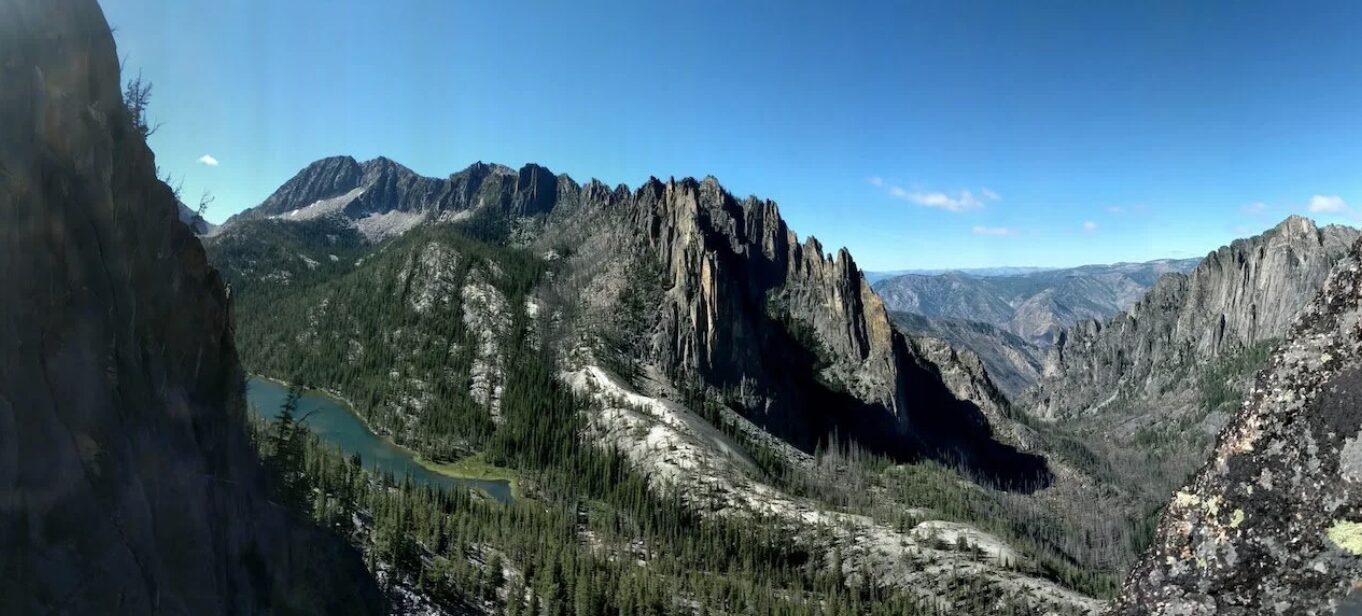
The crags above Idaho’s Ship Island Creek. Photo: Cody Goldberg
New climbing hotspot
Idaho’s Forgotten Granite Spires: In the Salmon River Mountains of Idaho, there is a cluster of granite spires. Reachable only after a 22km hike and another two kilometers of bushwhacking, the spires are essentially untouched due to their off-the-beaten-track location.
After seeing the “Litner Group” mentioned in a climbing guide, Jim Pace and a team of five other climbers decided to see what the area had to offer. In four days, they climbed six Grade III and two Grade IV routes, as well as a couple of other shorter routes.
Yosemite Visitor Dies Going Over Waterfall: On June 20, 23-year-old Josue Baires Alfaro was swept over the 182m Nevada Falls after slipping into the Merced River upstream. Former volunteer lifeguard Freesia Gaul jumped into the fast-moving water in an attempt to save him, but was herself pulled into danger by the undercurrent. Another onlooker managed to rescue her with a walking stick.