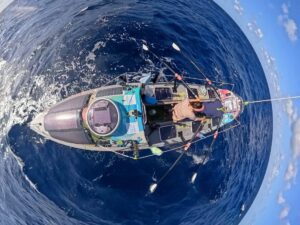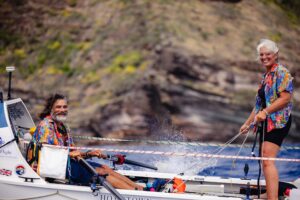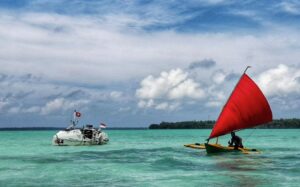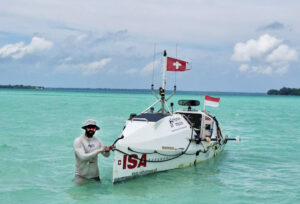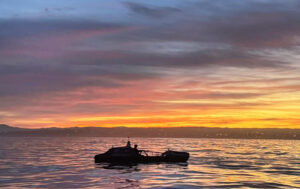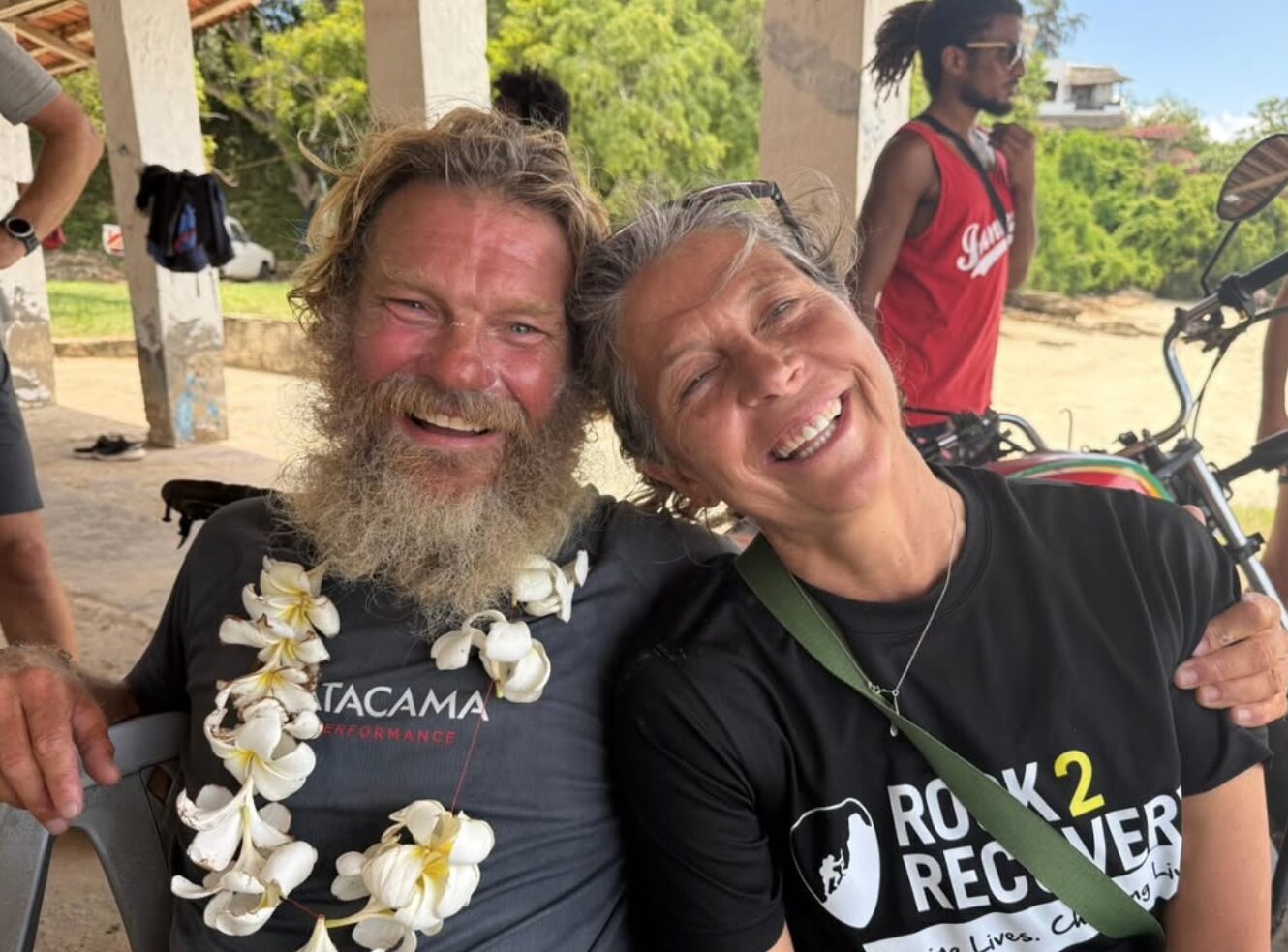
After 327 days, 17 hours and 30 minutes at sea, Dave “Dinger” Bell has completed one of the most ambitious ocean rowing expeditions ever attempted. The UK man rowed 28,700km solo and unsupported from the west coast of Peru to Kenya across both the Pacific and Indian Oceans without stopping.
He set off from Peru on November 9, 2025, armed with 350 days’ worth of food, and a plan for crossing two oceans that hinged on how he felt when he had finished his crossing of the Pacific Ocean and reached Australia. If in good shape, he would cross the notoriously tricky Torres Strait and cross into the Indian Ocean so that he could row to Mauritius, the original end point of the row.
One of the strangest problems came in the South Pacific. By April, he was making too much progress. If this kept up, he would reach the Coral Sea during cyclone season. For weeks, he had to reduce his rowing hours. For someone whose entire expedition depended on covering distance, weeks of forced inactivity became a major challenge.
“I was too quick, so I had to slow down,” Bell told the BBC. “To sit, mid-ocean, knowing you’ve still got seven, eight, nine months at sea but not be rowing was one of the hardest things, psychologically, that I’ve ever had to deal with.”
A near-capsize
In May, he was finally able to row through the Coral Sea, although the wind almost constantly pushed him in the wrong direction. At one point, the waves were so large that he almost capsized. Water flooded into the boat, setting off his EPIRB, and he had to make some frantic InReach calls to assure everyone he was okay. By the end of the month, he could see Australia from his boat, a huge milestone in his journey. There was no question in his mind about continuing across the Indian Ocean, so he picked his way across the Great Barrier Reef and through the Torres Strait.
After making it through the Strait, he paused for a few days on para-anchor and gave himself some time to rest and sort out equipment and electrical issues. Bell then continued along Australia’s northern coast before striking out into the Indian Ocean.
The second ocean of his journey brought a whole different set of problems. In July and August, he seemed to switch back and forth between calm conditions and storms with large swells, heavy rain, and awful visibility. At the start of August, gale-force winds reached 30 knots, and a massive wave slammed into his boat. Water swamped the cabin through the air vents, soaking his sleeping cabin and triggering the emergency beacon. Bell contacted Coast Guard officials to alert them to a potential rescue. Luckily, the weather soon abated, and no intervention was required.
Biding his time
Bell spent several days, and once almost a week, riding out conditions on his para-anchor. “There is no prize for pushing your luck,” he later wrote on social media. “Sometimes the smartest thing you can do is stop, wait, and let the ocean have its moment.” When the weather finally eased, he discovered that the autopilot controls had stopped working. Still, he was able to continue.
All of this meant the planned finish location had to change. Bell had originally intended to end his row in Mauritius, but persistent southeasterly currents and weather made that impossible. Continuing to Kenya and mainland Africa added roughly 1,800km and three weeks to the expedition. As he was making such good time, he still had enough food and supplies for the additional few weeks the detour added to his journey. Even with the additional distance, he made it back to dry land well before his 350-day aim, and with 20 days’ worth of food left.
Bell managed to stay upbeat throughout the row, despite being completely isolated for almost a full year. He used podcasts, audiobooks, and voice notes to avoid constantly watching the clock, and relished any encounter with wildlife. At different points, he had birds hitch a ride with him and whitetip sharks following his boat for weeks, swimming on either side as he rowed.
The frightening prospect of land
The final approach was almost as strange for him as the beginning of the row. In the final few days of the row, he described his head as “all over the place.” After months of thinking purely about moving the boat forward and looking hours ahead, the prospect of getting back onto dry land was overwhelming. He described the prospect of stepping ashore, thinking about the practicalities of walking, sleeping in an actual bed, and dealing with people again as “bewildering.” Bell predicted “total sensory overload.” He said the last week on the ocean had been the calmest of his life.
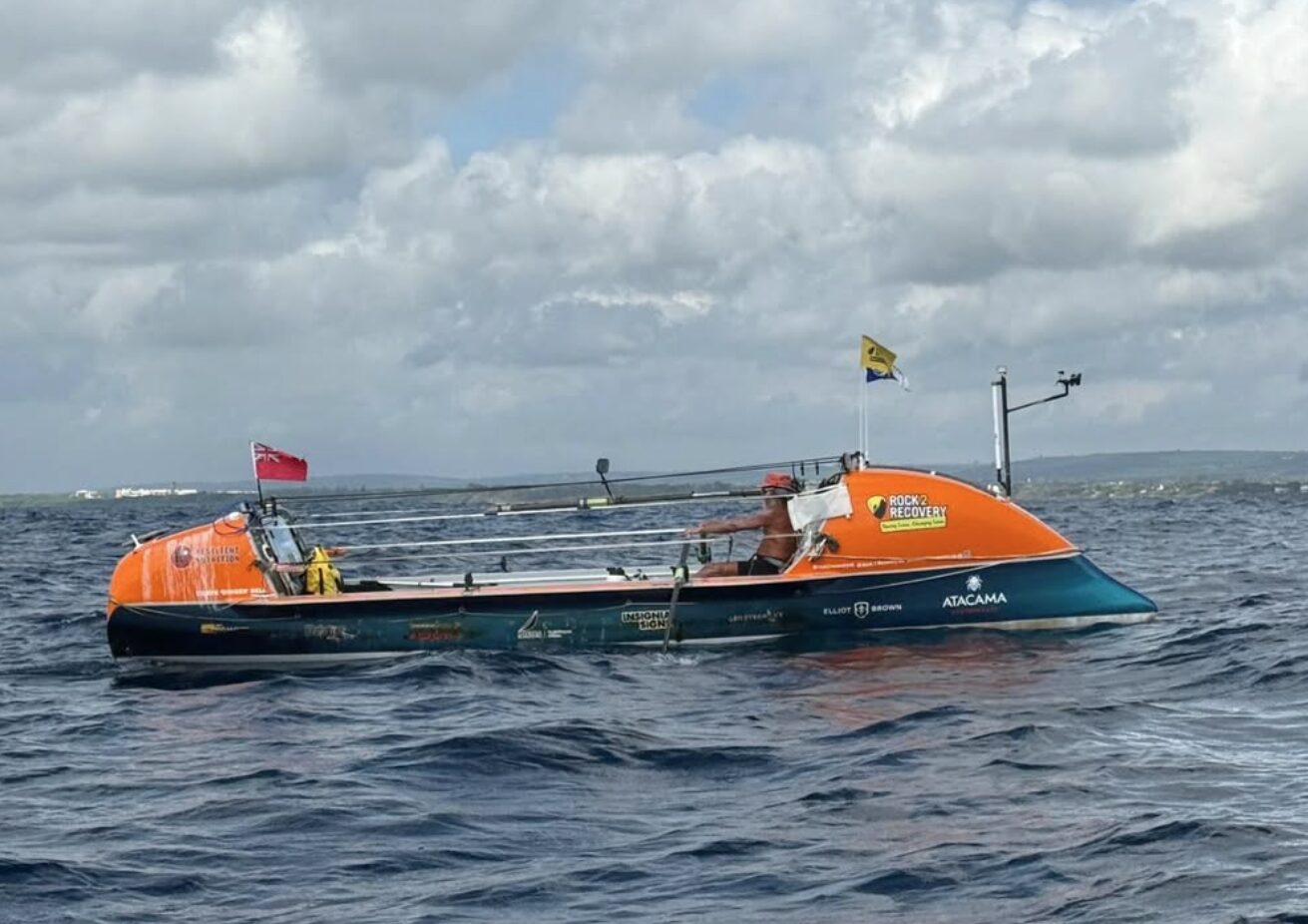
Photo: Dave Bell
When he finally arrived in Kilifi, he was joined by two small support boats, and a helicopter flew above him. On the beach, his family, friends, support team, and the local press greeted him.
“I’ve not stepped off that boat since the ninth of November. This is the first time I’ve touched land,” he told reporters in Kenya as he made his way onto land, slightly hunched over, but surprisingly stable for someone who hadn’t walked in months.
He has since updated followers that after a few days back “in the land of luxury of dry, clean clothes and a bed that doesn’t move,” he is doing well, can stand up straight, and walk without assistance.