While they predominate the media reports, most animal attack victims are not tourists unwisely attempting to take selfies with wildlife. People who live and work every day among animals are the ones who most often face the consequences.
As expanding populations push human settlements further into wildlife habitat, we can expect to see more conflicts. Here are some recent incidents.
Indonesia

Photo: Wikimedia Commons/Tisha Mukherjee, CC BY-SA 4.0
In Indonesia, 24-year-old Selviana Ambu Kaka was attacked by a crocodile while washing clothes in the Bondo Kodi River. Her fiancé and his sister witnessed a large crocodile emerging from the water, biting Ambu Kaka on the leg, and dragging her into the river. They immediately alerted nearby relatives and authorities, and a search commenced.
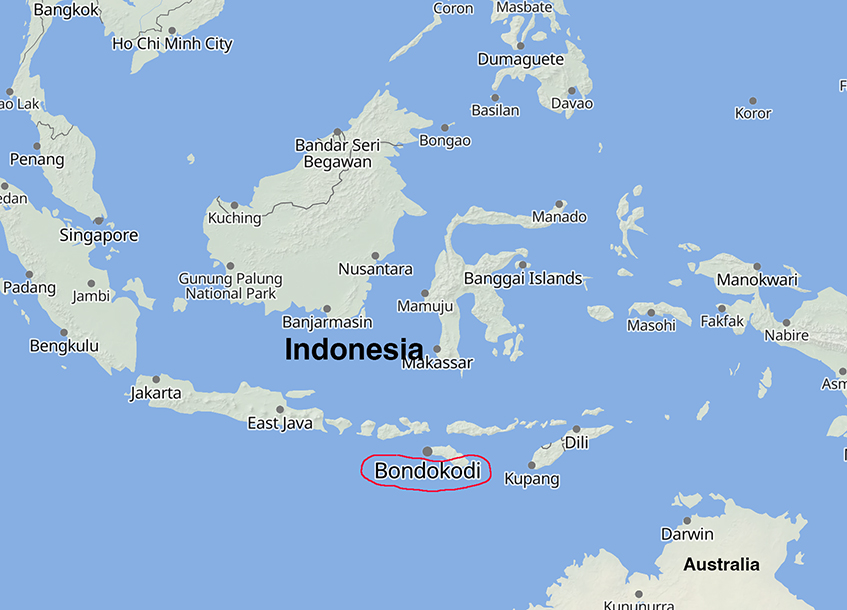
The people of Southwest Sumba, the closest town, organized and combed the area with nets. When they found a large crocodile matching witness descriptions, they hauled it onto shore and killed it. The animal measured nearly 4.9 meters long.
Early on the morning of October 24, Ambu Kaka’s remains were found approximately 30m from the attack site. She is one of many such victims in Indonesia, which sees more saltwater crocodile attacks than any other country.
Habitat destruction is largely behind the massive number of human-crocodile conflicts. It’s an understandably hard sell, however, for conservation workers to convince locals that preventing attacks means protecting the perpetrators.
The victim had recently returned from Jakarta to become formally engaged on October 30.
India
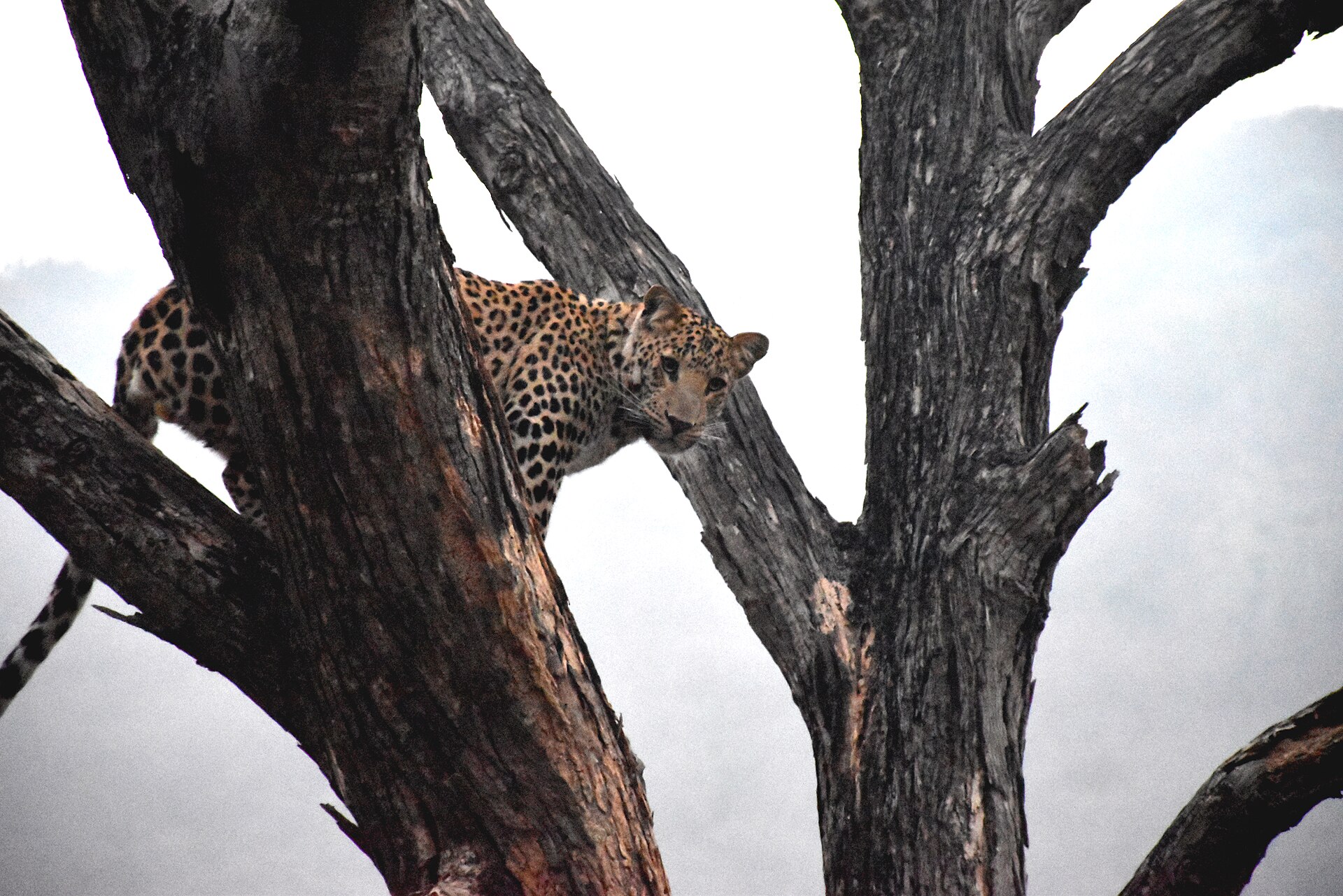
Photo: Wikimedia Commons/ Rohit Gangwal, CC BY-SA 4.0
A 65-year-old farm laborer, Tulsi Rama Sawar, was killed by a leopard in state of Maharashtra, just north of Mumbai, on November 1. The noise of the attack summoned help from the locals. By the time they arrived, the leopard had fled, but Sawar was deceased. Her case comes less than a month after a leopard killed a 52-year-old woman in the same area.
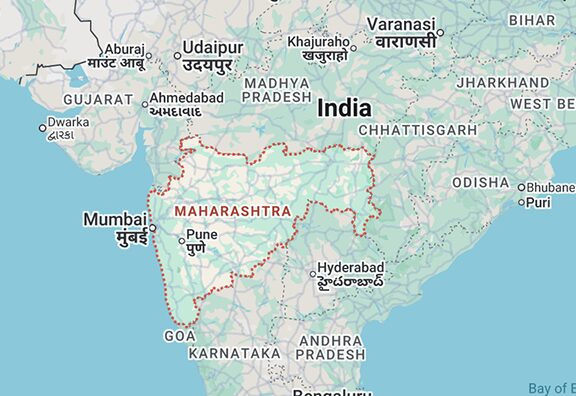
Town residents are demanding immediate government action to capture the animal. If their demands for cage traps and cameras are not granted, locals threaten collective protest. The attacks represent a threat to their lives, but also their livelihoods, as farmers are unable to work the fields out of fear of attack.
Elsewhere, in Uttar Pradesh near the Nepal border, a 45-year-old farmer named Kennu fought off an attacking leopard, sustaining serious injuries. The man was working in a sugarcane field when the predator leaped out from hiding. Kennu fought back, and the animal retreated long enough for him to flee home, where family members brought him to medical care. Forestry officials have urged agricultural workers to avoid working in the fields alone.
Farm workers are not the only leopard victims, however. Early in the morning of November 4, a 15-year-old girl was dragged from her home in the Shahdol district of central India.
Saraswati Singh Gond was sleeping in bed beside her sister on their veranda, which did not have a door. A leopard entered during the night, not even waking her sister. Singh Gond’s body was found approximately 300m from the house. The search for the leopard continues.

Photo: Wikimedia Commons/Shadow Ayush, CC BY-SA 4.0
Leopards are only one of the wildlife threats that rural Indians face. A 55-year-old woman was gathering mushrooms in Utterakand in northern India on October 30 when she was attacked and killed by a wild elephant. Devaki Rana was lifted up and thrown to the ground, her son reported.
The incident occurred in one of India’s elephant corridors, which allow highly endangered Asian elephant herds to move between their fragmented habitats. The corridors are essential to conservation, but also present a concentrated area where attacks are more common.
Another fatal encounter took place in the state of Chhattisgarh in east-central India. A man of between 35 and 40 years of age, traveling by motorcycle with his nephew, came upon an elephant standing in the road. It immediately charged them, killing the uncle, while his nephew managed to hide beneath a parked truck. Eventually, the elephant left, and he was able to escape.
Locals believe that the elephant in question is one known as Kabra Kaan, which they see frequently and which has been connected with earlier incidents. The Forestry Department, however, has not confirmed this.
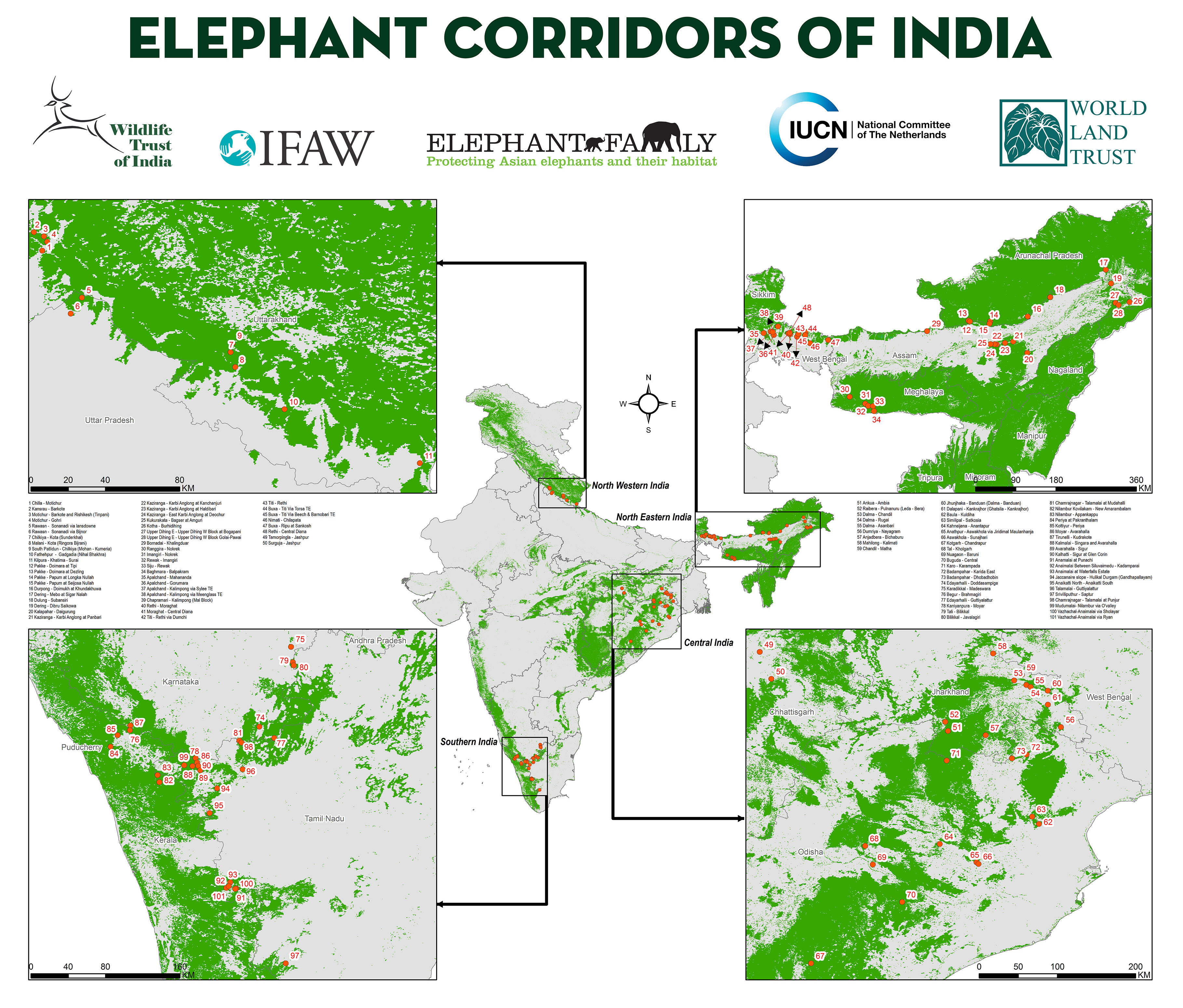
Elephant corridors allow them to pass between the remaining forested areas. Photo: Wildlife Trust of India
Japan
In Japan, brown bear attacks have been rising for several years. As in many places, human settlements are encroaching on brown bear territory. A decrease in farmland has left no boundary between the urban and the forested worlds. The government has responded with controversial bear culls, despite the concerns of conservation workers.
The latest incident is very different from the increasingly common attack stories. Late on the night of October 30, an express train running on Hokkaido’s Soya Line collided with a large brown bear. The body of the bear was trapped under the train, and the wheels derailed.
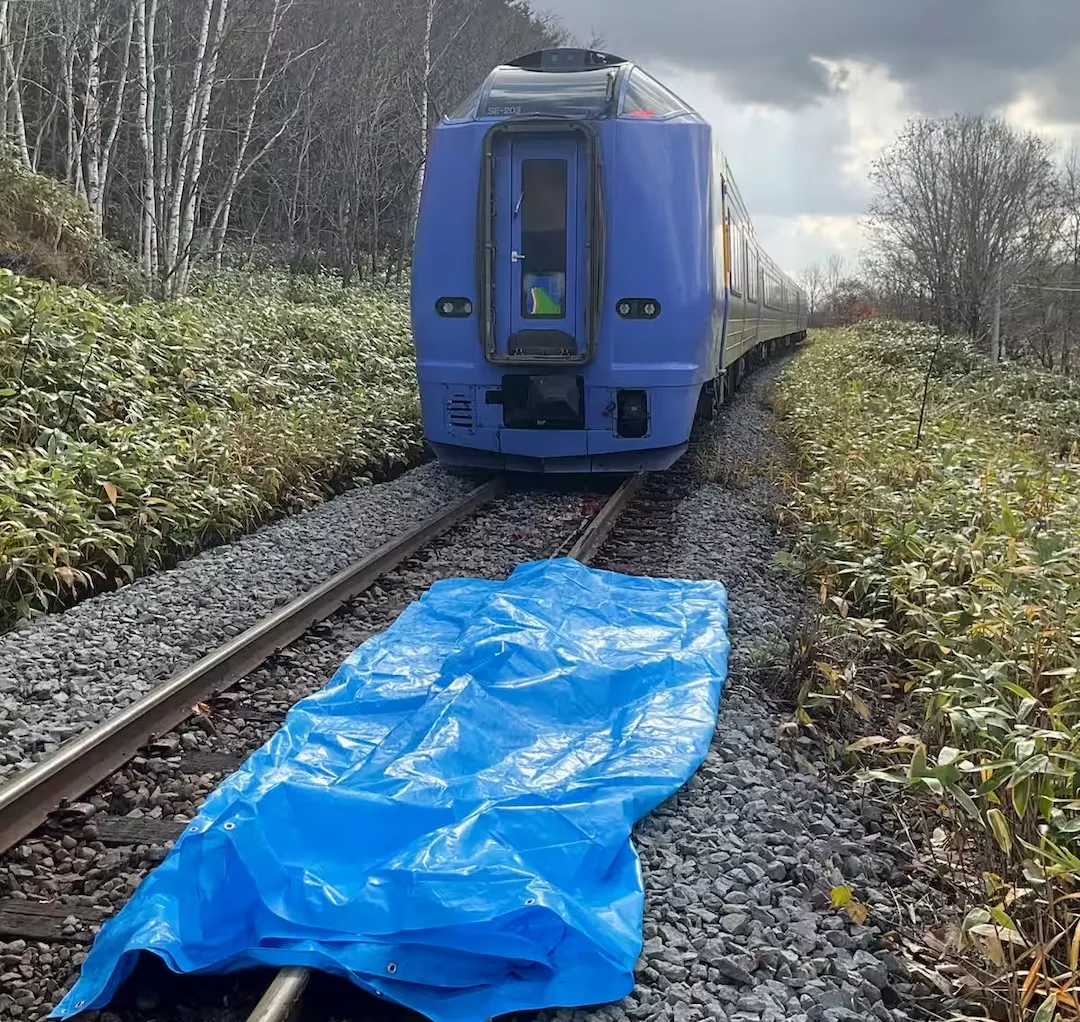
A brown bear became trapped beneath the wheels of Sarobetsu No 3. Photo: Hokkaido Railway Company
None of the crew or 32 passengers were injured in the crash. However, fearing more bears were in the area, officials kept everyone on the train overnight, until they could be safely extracted the following morning. Company officials have confirmed that this is the first bear-collision derailment in their nearly 40-year history.