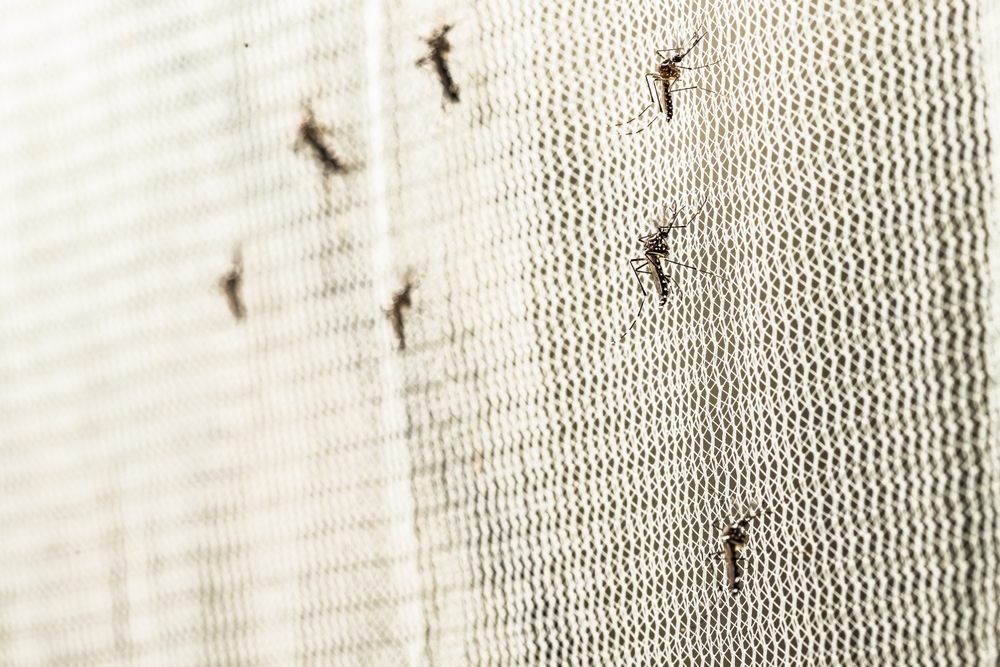
New research suggests that DEET, a widely used ingredient in insect repellants, can attract mosquitoes if they learn to associate the smell with feeding.
In a paper published in the Journal of Experimental Biology, Claudio Lazzari and a team from the University of Tours, France, found that 60% of mosquitoes that fed when given a warm blood bag alongside exposure to DEET then tried to feed when exposed to DEET alone. In another test with similar results, researchers found that almost 60% of mosquitoes that had fed on blood while exposed to DEET tried to bite a researcher’s DEET-treated hand. In comparison, a control group of mosquitoes all tried to bite the researcher’s other, untreated hand.
No need to replace your repellents
Insect repellents using DEET are commonplace and important in areas where mosquitoes can deliver diseases like malaria, dengue, and Zika. However, while the new research shows an interesting Pavlovian response in mosquitoes, it does not mean we need to find alternatives for our repellents. Researchers found it hard to get mosquitoes to feed in the presence of DEET, so it still acts as an effective deterrent.
Speaking to The Guardian, Nina Stanczyk of ETH Zürich University — who was not involved with the paper but has previously studied how DEET affects mosquitoes — explained why continuing to wear repellent is important: “the highest risk of an association is when the repellent starts to wear off. Therefore, the most important point for travellers is to regularly reapply repellent as instructed by the product label.”