When we’re not outdoors, we get our adventure fix by exploring social media and the web. Here are some of the best adventure links we’ve discovered this week.
Practicing Ethical Wildlife Photography: Veteran wildlife photographer John Marriott reflects on mistakes he made early in his career in Banff National Park. Desperate to photograph a cougar, he forgot bear spray, approached too closely, caused the animal stress, and created a traffic jam.
All of this shaped his subsequent focus on ethical wildlife photography. He and other photographers discuss the lengths some photographers will go for the perfect shot, stress that wildlife photography means minimizing human impact and allowing animals to behave naturally, and give tips on how photographers can show responsible behavior in the field.
Fatal Bear Attack in Glacier National Park: A missing hiker was found dead in Glacier National Park. Search crews discovered the body in a densely wooded area, and authorities have said the injuries were consistent with a bear attack.
This is Glacier’s first deadly bear attack since 1998. The victim is believed to be Anthony Pollio, a 33-year-old hiker from Florida who went missing in the park a few days earlier.
Surfing as healing
October 7 Survivors Are Treating Trauma With Surf Therapy: Israeli survivors of the October 7 attacks in 2023 are using surf therapy to cope with trauma and PTSD. Nonprofit organization HaGal Sheli started in 2012 and originally focused on at-risk youth and people with disabilities.
In recent years, it has expanded to support survivors, former hostages, and veterans by combining surfing with mental health therapy and community support. The group has treated more than 20,000 people since 2012, including 5,000 in 2026.
Working at Everest Base Camp is Dangerous: Every year, an army of Sherpa and base camp workers prop up the climbing industry, allowing wealthy Western climbers to fulfill their dreams of summiting Everest. One anonymous base camp manager discusses how he came to work on Everest, the difficulty of being away from his family for months, and earning $2,000 in a single climbing season compared to $500–$600 from farming for the rest of the year.
Despite the salary and prestige associated with working on Everest, the risks are significant, yet many Sherpa continue to return because the income is essential to supporting their families.
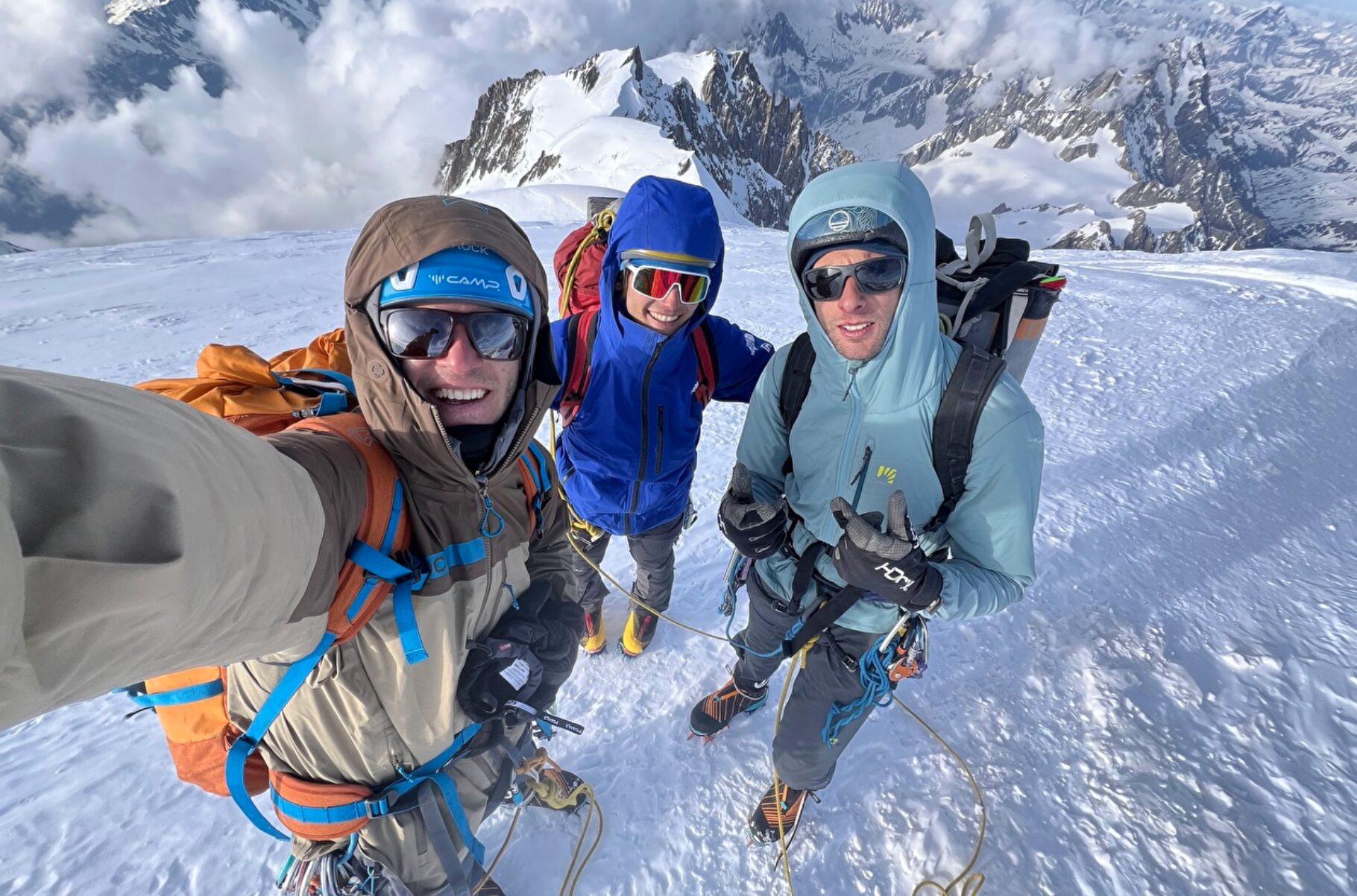
Luca Ducoli, Mirco Grasso, and Giacomo Maurion on Mont Blanc. Photo: Mirco Grasso
Mont Blanc enchainment
An Extraordinary Enchainment on Mont Blanc: This spring, Italian climbers Luca Ducoli, Mirco Grasso, and Giacomo Mauri completed the enchainment of two iconic Mont Blanc routes. Over three days, they climbed and connected Divine Providence on the Grand Pilier d’Angle and the Central Pillar of Frêney. Grasso reports on their expedition, why he always wanted to do the link-up, and how it prepared them for their next trip to Pakistan.
How Everest Has Changed Since ‘Into Thin Air’: Jon Krakauer reflects on how dramatically Mount Everest has changed in the 30 years since the 1996 disaster chronicled in his book Into Thin Air. At the time, he thought it would deter people from trying to summit the mountain, but it did the opposite.
In 1996, he was only the 621st person to reach the top. Since then, around 13,000 ascents have occurred, most on commercial expeditions. He explains that despite the crowds, it is now statistically safer to climb Everest due to the improved weather forecasting, more reliable oxygen systems, and, most importantly, the Nepali climbers and Sherpas who now run many of Everest’s guiding operations.
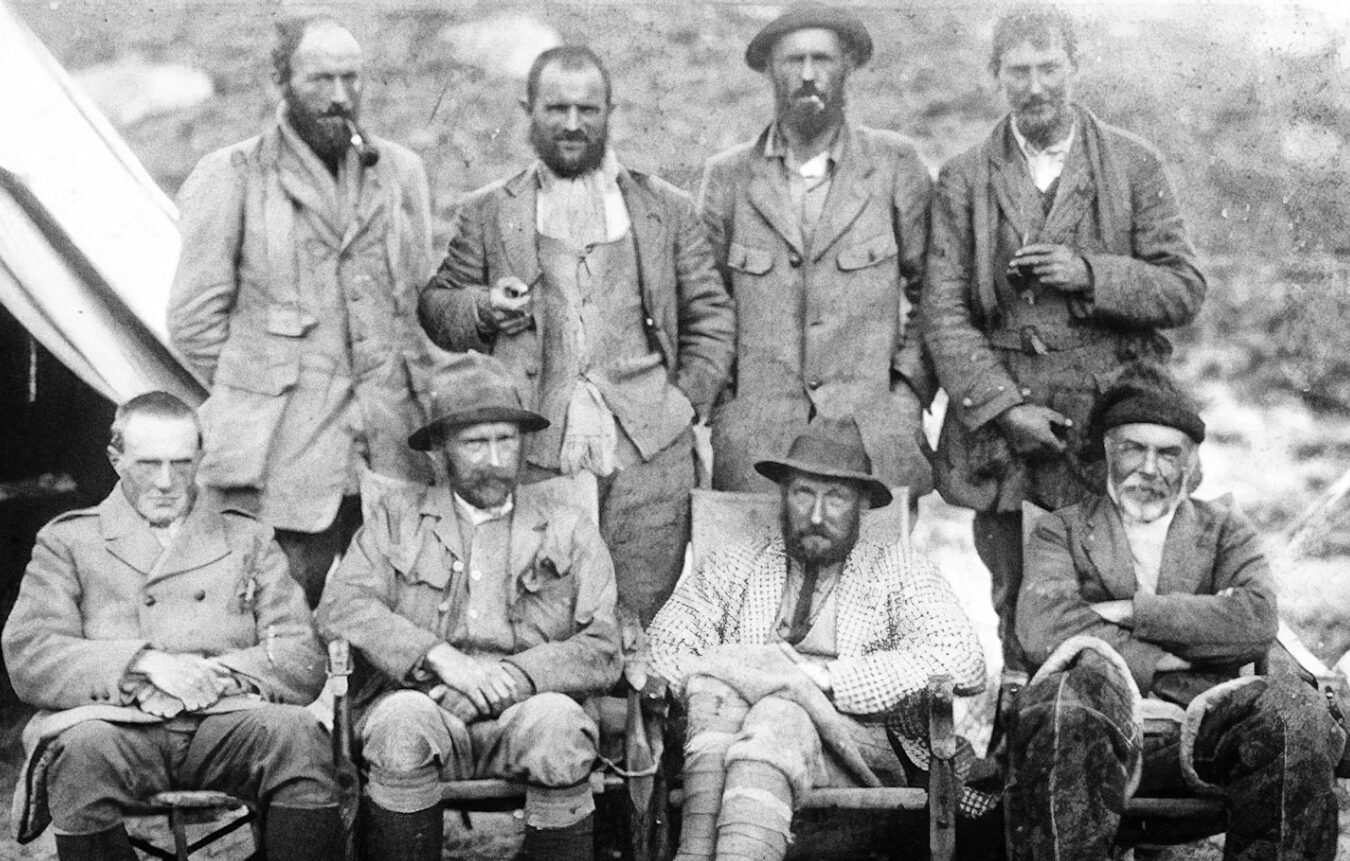
George Mallory, back right, with the 1921 British Expedition to Everest. Photo: Sandy Wollaston
More on George Mallory
What Drove George Mallory to Risk It All On Everest? Over 100 years after he vanished on Mount Everest with Sandy Irvine, George Mallory’s life continues to fascinate. He became one of the defining figures of early mountaineering through his relentless drive to reach the summit at a time when Everest remained completely unexplored.
When asked why he wanted to climb Everest, he famously responded, “Because it’s there.” He died on his third trip to the mountain. Ironically, it was the trip he showed the least enthusiasm for, yet he was still unable to say no to the lure of the seemingly unattainable summit.
Everything I Wish I Knew Before Hiking the Narrows: Jamie Aranoff ended up hiking The Narrows in Zion National Park with her family during an intense heat wave. They had planned to do another trail, but it was so hot they settled on The Narrows instead. The shaded river setting, weaving between towering sandstone walls, sees hikers wading directly through the Virgin River.
Aranoff explains that despite its appearance, the hike is much more serious than many people expect. Strong currents, deep water, and slippery footing can quickly become dangerous for inexperienced hikers. Here, she outlines what everyone should know before starting the trek: how important it is to check water conditions, that running shoes won’t cut it, and that trekking poles are a must.