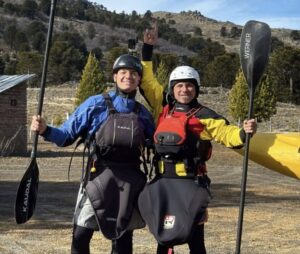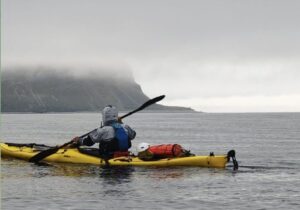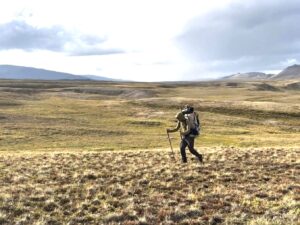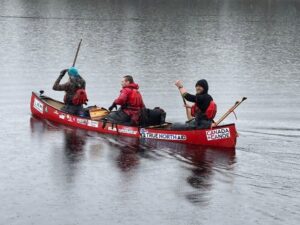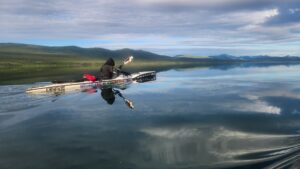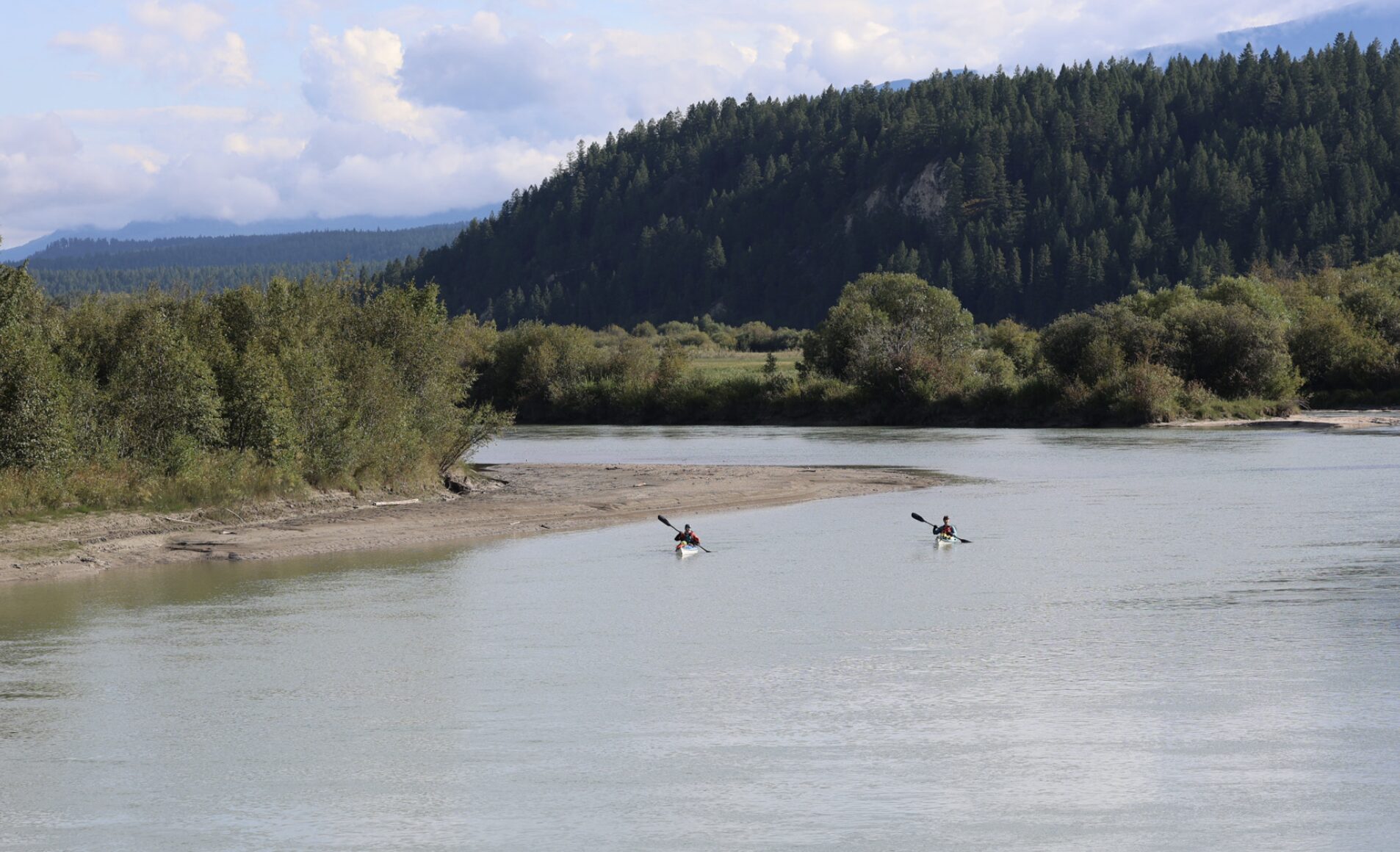
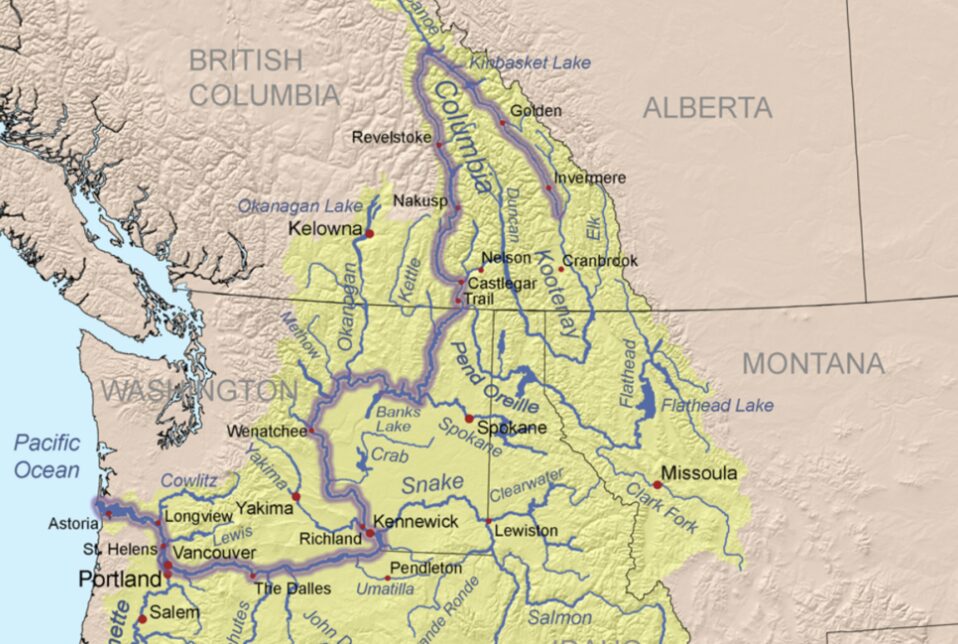
This month, university students Oscar Seltzer and Jack Syverson will set out on a 1,930km source-to-sea kayak expedition on the Columbia River from Canal Flats, British Columbia, Canada, to Astoria, Oregon, in the U.S.
The Columbia River. Photo: NRS
While Seltzer is an experienced paddler and serves as the treasurer of the Ledyard Canoe Club at Dartmouth College in New Hampshire, Syverson is fairly new to paddling. Over the last six months, he has been training.
“I spent a lot of time between school and work getting taught everything I needed to know, either through Oscar [Seltzer], official certification classes, or on my own,” Syverson wrote for NRS. “This included everything from wilderness medicine to swiftwater rescue techniques to kayak rolls (aka Oscar Waterboarding Me 101).”
Plenty of portages
The Columbia is the fourth-largest river by flow in North America. Some sections are steep, making it ideal for hydropower. Their descent of the river will begin in the Canadian Rockies and will include portaging 14 dams and another portage to cross the border control when they go from Canada to the U.S.
However, the crux of their route might be the Columbia River Gorge, where Syverson anticipates they “will likely experience some of our hardest paddling (or even boat hauling) days.” This area will see them transition from dry grasslands to forest and is well known for blustery conditions.
The pair will paddle sea kayaks for their journey. Though these are not very maneuverable in rapids, they won’t have to worry for most of their journey. Because of the Columbia’s many dams, very few rapids remain, with most swallowed by reservoirs.
Source-to-sea expeditions on the Columbia are fairly rare, especially when compared to other major American rivers, such as the Mississippi.