In this series, we consider the 10 largest islands in the world from the perspective of an adventurous traveler looking for new possibilities.
Since there are no new continents to discover and a growing shortage of unclimbed mountains, modern adventurers often focus on lists. Projects involving or linking the 10 largest islands in the world are a great start.
Today, #7: Honshu
When most people think of Japan, they don’t realize that it consists of four major islands. Honshu is by far the largest and has most of Japan’s population. Along its 1,300km length, it has mountains, megacities, and sacred forests, all amid the Pacific Rim of Fire and its accompanying hot springs, volcanoes, and earthquakes. Despite the urbanity of places like Tokyo and Osaka, Honshu offers a variety of land and sea-based adventures for explorers.
Peakbagging in the Japanese Alps
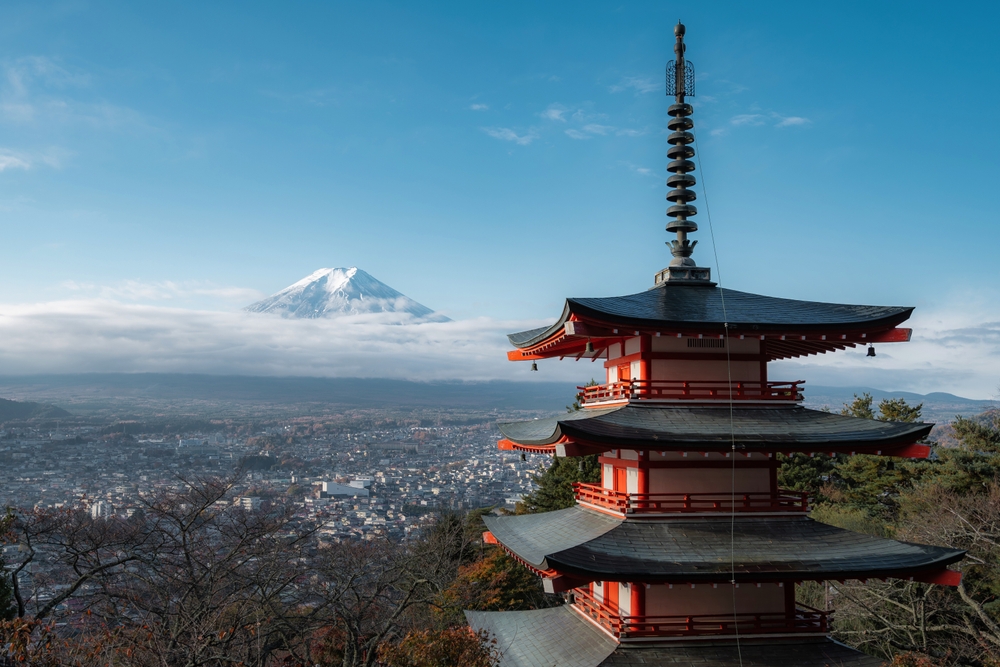
The Japanese Alps dominate the spine of Honshu. They consist of three main ranges: the Northern, Central, and Southern Alps. This includes iconic Mount Fuji, Japan’s highest peak at 3,776 m. The Northern Alps (Hida Mountains) are the most rugged.
The Central Alps are smaller and more accessible, without peaks over 3,000m. In contrast, the Southern Alps (Akaishi Mountains) are more remote and less visited, with smoother terrain. They include 3,193m Kita-dake, Japan’s second-highest mountain.
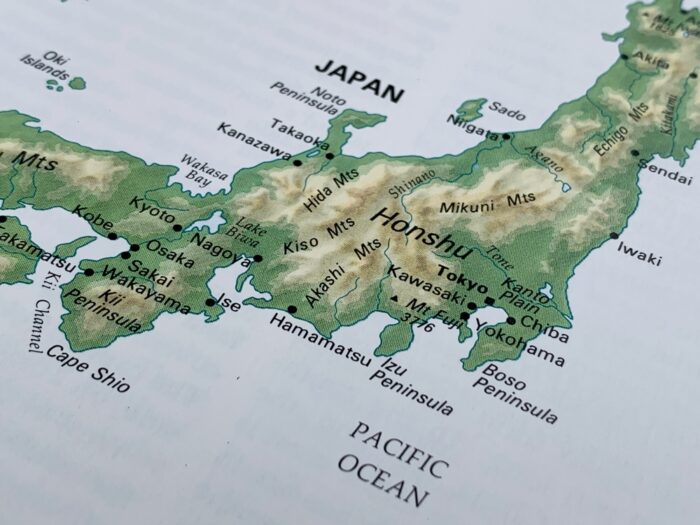
Photo: Shutterstock
Beyond tagging Mount Fuji, there are many opportunities for keen peakbaggers. Honshu has 21-23 peaks (depending on the source) that exceed 3,000m. Unlike the Munros in Scotland, there is no central registry listing those who complete all the 3,000’ers in Japan. There even appears to be no widely accepted or well-documented first completer.
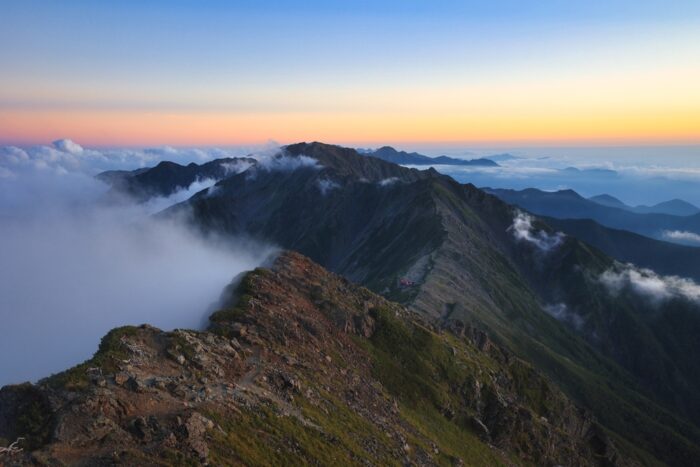
The ridgeline from Kita-dake (the second-highest mountain in Japan at 3,193m) to Aino-dake in the Southern Alps. Photo: Shutterstock
PeakBagger.com lists 19 of these peaks with a prominence of over 100m, and some of them have fewer than 10 ascents from registered users on the site. A more achievable list is the 10 highest peaks on Honshu, or the Tokyo 10 Peak Challenge, which covers the 10 highest peaks within day-trip range from the capital.

One Hundred Mountains of Japan, by Kyūya Fukada. Photo: Wikipedia
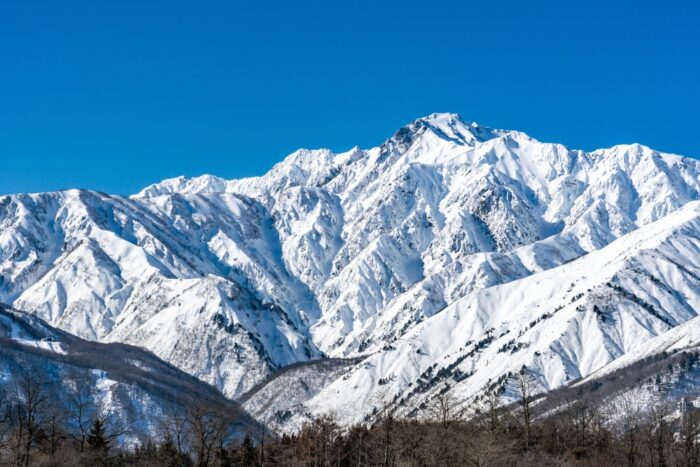
Mt. Goryu (2,814m) in the Northern Alps. Photo: Shutterstock
The ‘Japanese Haute Route’
Unlike the European Haute Route, several sections lack hut support, so parties often travel self-supported. The route begins in the sacred volcanic landscape of Tateyama, long regarded as a spiritual gateway to the mountains, before pushing south toward the sharper granite skyline around Yarigatake (3,180m) and the Hotaka range.
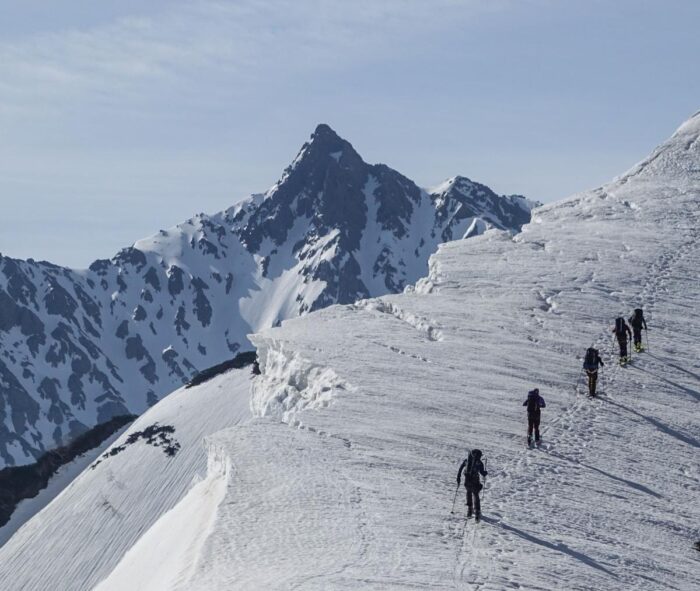
Skiers on the Japanese Haute Route. Photo: allworldskiing.com
The traverse seems to be relatively niche, completed by a small number of guided groups and experienced private teams. The route itself includes optional ascents of bigger peaks such as Yarigatake (3,180m) and Okuhotaka (3,190m). For some teams, the traverse becomes part of a longer expedition, continuing to take in a ski descent of Mount Fuji.
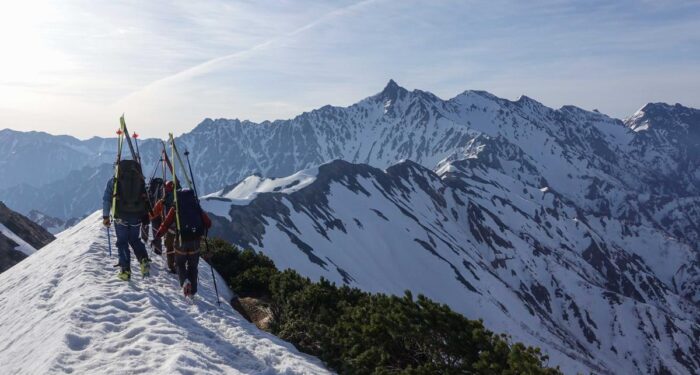
Steep terrain on the Japanese Haute Route. Photo: allworldskiing.com
Coastal exploration
In 1985, renowned Australian expedition kayaker Paul Caffyn completed a remarkable solo circumnavigation of Japan’s four main islands, including Honshu, paddling a total of 6,434km in just 118 days. Averaging 66km on those days when he paddled, he contended with severe conditions, including several typhoons, yet successfully traced the entire coastline.
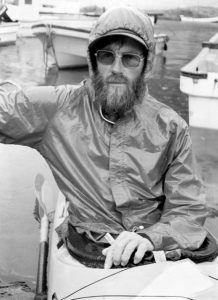
Caffyn during his around-Japan kayak journey in 1985. Photo: Paul Caffyn
In 2004, sea kayakers Jeff Allen and Hadas Feldman completed a circumnavigation of Japan’s four main islands, covering more than 6,500km over 139 paddling days spread across a six‑month period. They set off from Tokyo in January, heading south in harsh winter conditions driven by Siberian winds, before reaching Tsuruga Bay on the Sea of Japan and temporarily pausing due to visa and funding constraints.
Returning in summer to finish the journey, they faced intense time pressure and what proved to be the worst year on record for typhoons, forcing them to push hard through severe weather and rough seas. Despite these challenges, they completed the full circuit in early November, just hours before their visas expired.
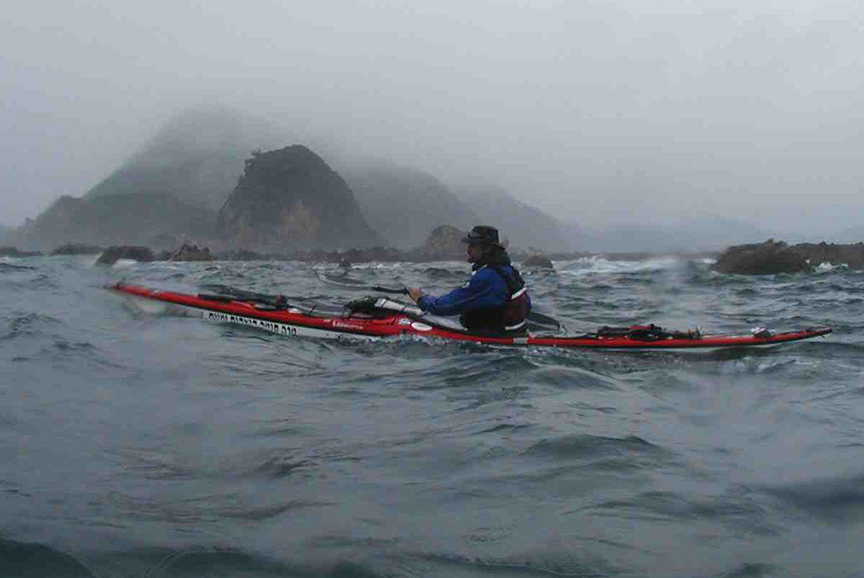
Photo: Jeff Allen
Other paddling expeditions
In 1966, a team from Dartmouth College’s Ledyard Canoe Club undertook an ambitious coastal expedition in Japan, paddling roughly 1,770 km from Shimonoseki at the southwestern tip of Honshu to Tokyo. Traveling by kayak along a largely unfamiliar coastline, they navigated open sea crossings, busy shipping routes, and unpredictable weather, at a time when modern gear and detailed mapping were far less developed.
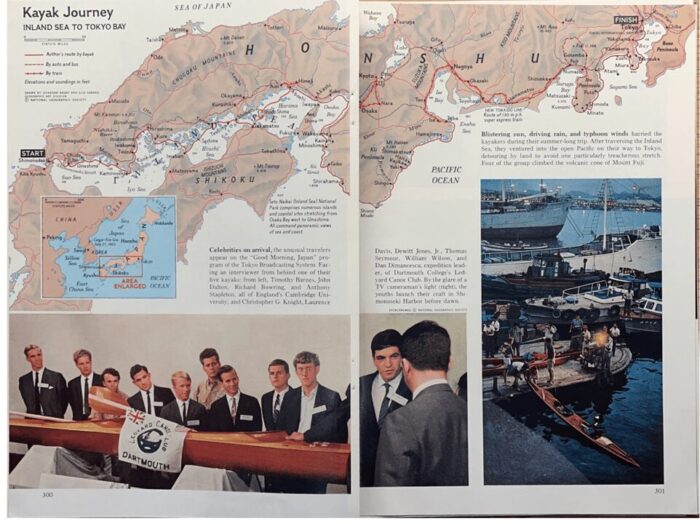
The route of the Ledyard Canoe Club around Japan in 1966. Photo: dartmouth.edu
In July 2025, British adventurer Jonathan Dunnett completed a 6,000km windsurfing circumnavigation of Japan’s four main islands — Honshu, Hokkaido, Kyushu, and Shikoku — without the use of a support vessel. The expedition took around 14 months and began on the Pacific coast near Tokyo, heading north before continuing clockwise around the archipelago.
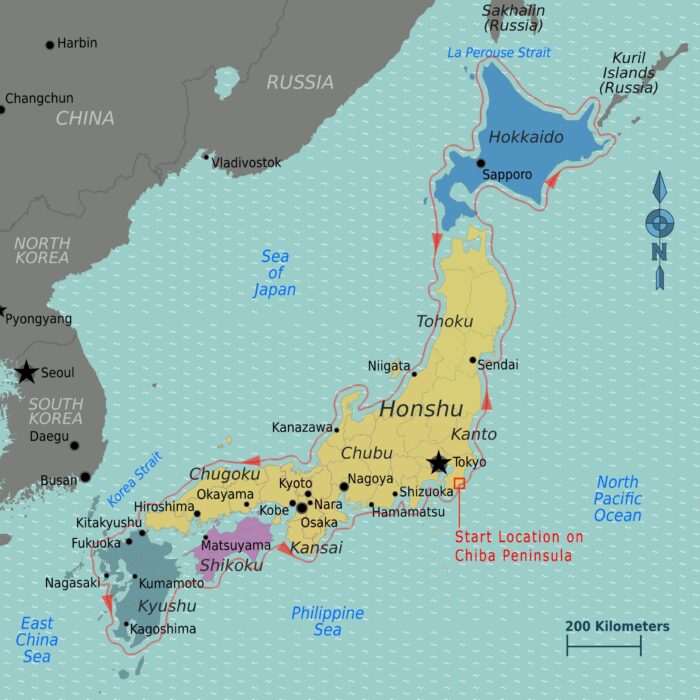
Dunnett’s approximate route. Map: Jonathan Dunnett
Long-distance trekking
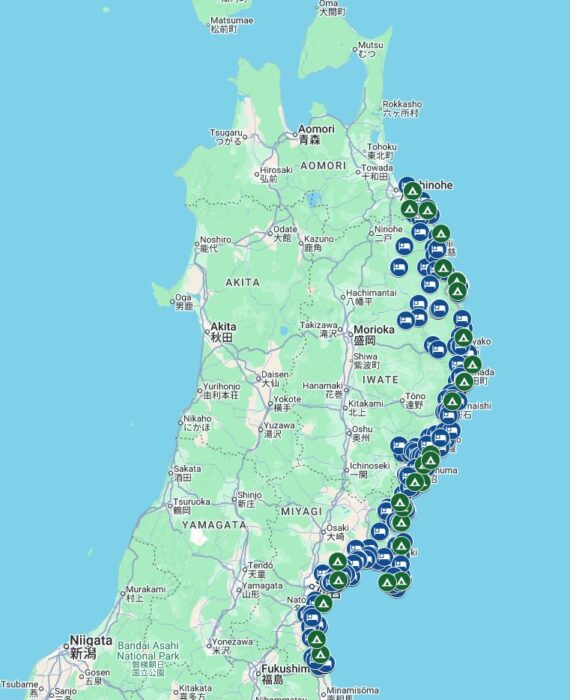
Map: michinokutrail.com
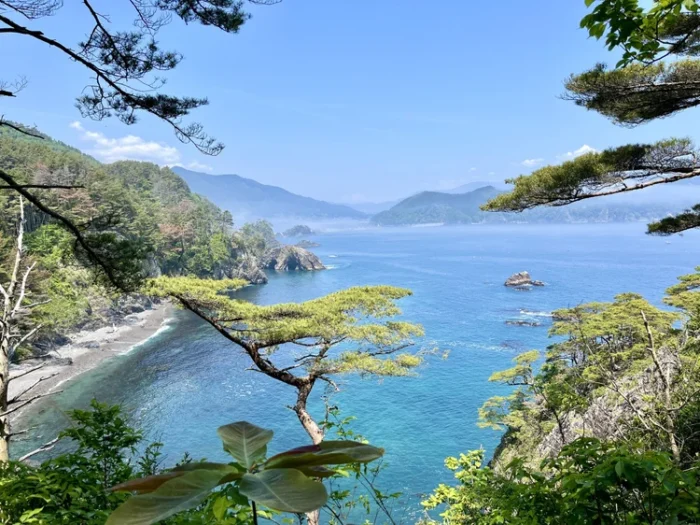
Goishi Coast, Iwate. Photo: michinokutrail.com
In 1993, Craig McLachlan completed an end-to-end walk of Japan in 1993, covering around 3,200km in 99 days from Cape Sata on Kyushu, the southernmost point of mainland Japan, to Cape Soya at the northern tip of Hokkaido. There is little available information about long-distance treks across the length of Honshu or around it entirely.
Previous stories in this series: